

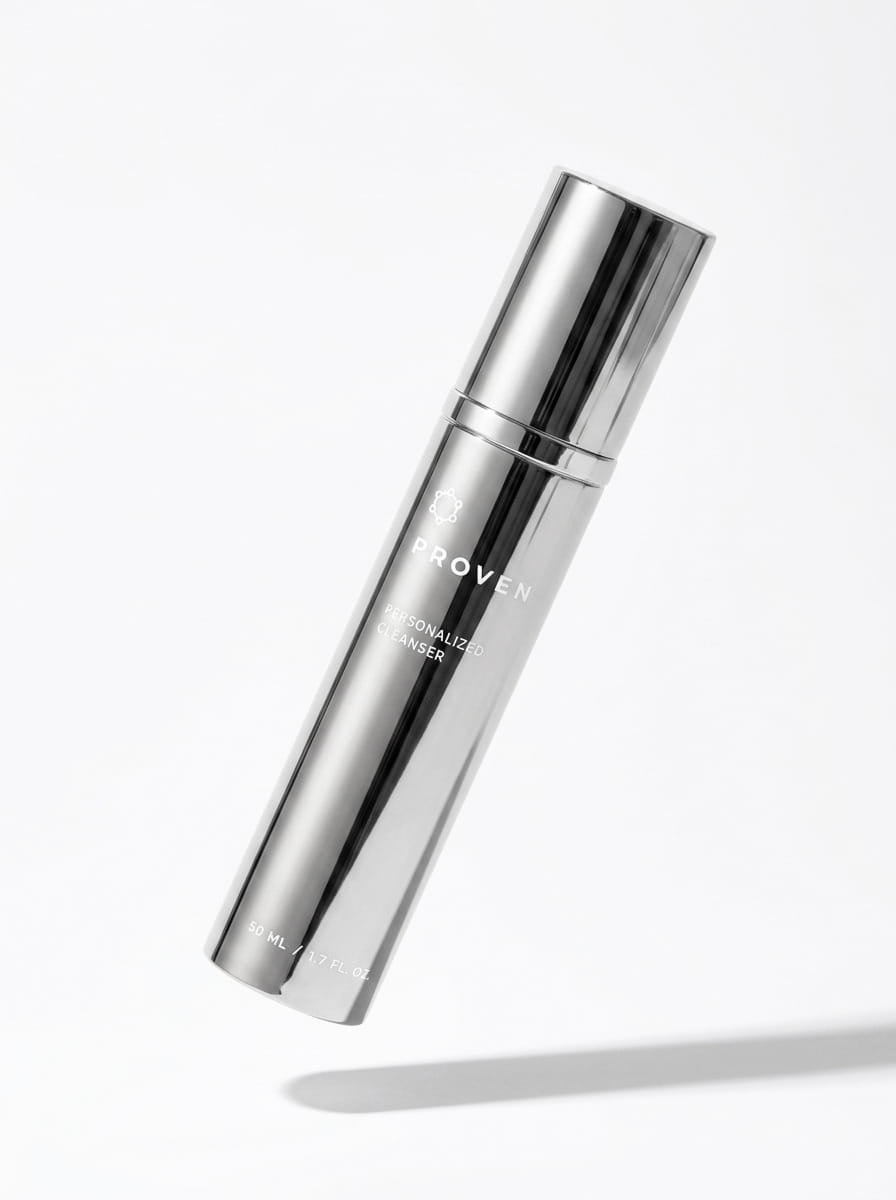
Personalized Cleanser
A gentle wash with exfoliating and toning properties — calibrated to your skin.
Your dermatologist, your mother, your friends—you can’t even count the number of people who have reminded you to never, ever pop a pimple.
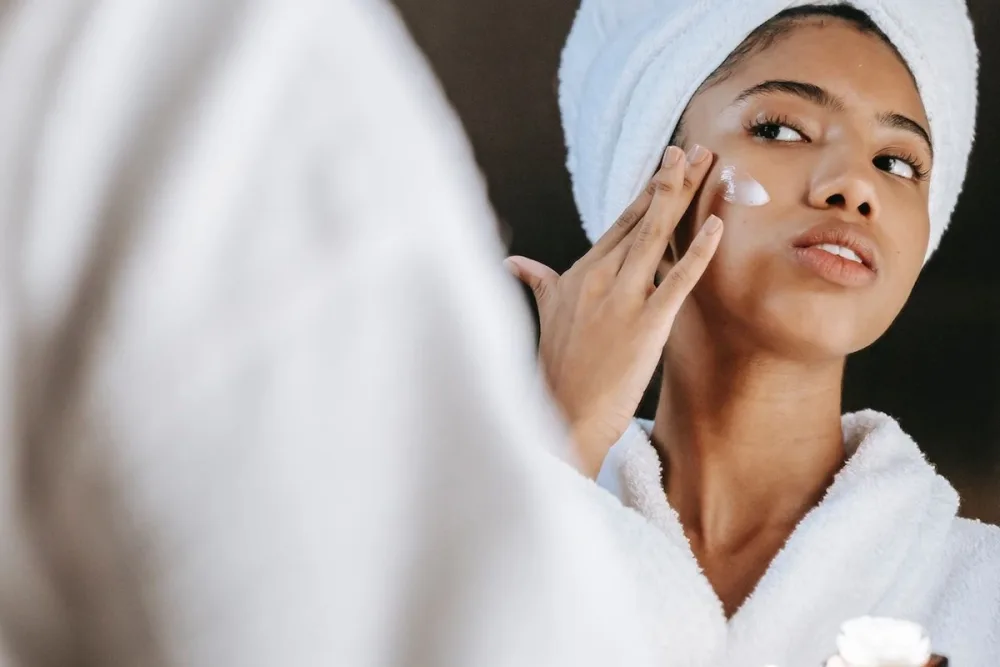
But maybe they haven’t been in your situation. Your zit is loud, proud, and it’s inconveniently at the center of your forehead. During times like this, we just want to know how to make a pimple less red. We can’t blame you for popping it, but are more concerned about reducing the damage after you’ve caved.
Read on for our top tips on what to do after popping a pimple—and wiser, kinder ways to manage your acne in the future.
For some, popping a pimple can feel as natural of a human urge as plucking an unwanted, wayward hair on your face. The unfortunate part? Satisfying the urge rarely leaves our face looking any clearer (and it often makes blemishes worse).
If you find yourself in a pimple pickle, follow the steps below to assert some control over the situation and find relief.
#1 Wash Your Hands and Face
You may have exercised some control and washed your hands before you went in for the kill—or maybe you found yourself so aggrieved by the sight of the zit that you charged ahead, hygiene of your hands be damned.
Either way, start by washing your hands with antibacterial soap and warm water. Then, wash your face with a nourishing, gentle (but powerful) facial cleanser and pat—do not rub—your skin dry. Friction can provoke further irritation.
#2 Soothe the Area
Popping a pimple may ignite that inflammatory response described above, where your immune system shoots off a stream of cells to initiate healing. More redness may appear at the site of the pimple, as well as the skin around it.
To calm your skin, consider using:
Apply either to the area for 1 or 2 minutes to ease swelling, redness, and tenderness.
#3 Reach for an Over-the-Counter Antibiotic Treatment
If you’re wondering what to put on a popped pimple, keep in mind that the following popular DIY “solutions” should be forbidden:
With this step, your mission is to inhibit the growth of bacteria. Popping a pimple can spur the release of enzymes that can impact your pores and oil production, incite an inflammatory response, lead to an infection, and aggravate the whole situation.
Products such as tea tree oil or benzoyl peroxide can help minimize the spread of bacteria from your popped zit. Use either your freshly-cleaned hands or a cotton swab to the area, and wash your hands again after applying the treatment.
It’s important to note that as effective as these products can be, some people are allergic to one or both. Call your healthcare provider immediately if you develop a rash, itching, or hives—or have more serious side effects like trouble breathing or swallowing.
#4 Nurture the Wound
Once your face is clean, dry, and a little less inflamed, reach for a spot treatment to encourage the healing process and further reduce the risk of bacteria spreading. It’s also best to continue using an antibiotic treatment if the wound is still open or appears very irritated.
Some of the most effective treatments for pimples—popped and otherwise—include:
Tea tree oil – A mainstay of alternative medicine, tea tree oil is an essential oil with a wealth of antimicrobial, anti-inflammatory, and wound-healing properties. It may also lower your chances of scarring [1]. If you’re new to tea tree oil, however, be sure to:
Benzoyl peroxide – Products with benzoyl peroxide—as opposed to this astringent on its own—may also help deter bacteria, which may naturally foster the healing process and keep acne from getting worse [2].
#5 Refrain from Touching Your Face
We know that the desire to prod at an acne scab is almost as powerful as the desire to pop that pimple in the first place. But this, it should go without saying, will only make matters worse and heighten your risk of scarring.
To keep you from getting too handsy, you can try covering the wound with a hydrocolloid bandage, a silicon sheet, or clear pimple patch (the latter have become quite advanced in recent years and blend well with many skin types).
#6 Overhaul Your Skincare Routine
The presence of acne, popped or not, is often a sign it’s time to evaluate your skincare regimen. Tuning up yours might mean:
Sure, everyone says you should resist the urge to squeeze a pimple into submission. But what’s the real reason behind it?
There are several ways going gloves-off with your acne can backfire [5]:
These types of blemishes, as their names suggest, occur because your body perceives the gunk in your pores as a foreign trespasser and promptly sends out an inflammatory response. Whether you attempt to pop a whitehead or stick a needle into a papule (which should be a hard “no” on your personal list of skincare dos and don'ts), it can trigger or exacerbate inflammation and actually worsen your acne.
One of the biggest reasons we scratch at, poke, and pop our pimples is to, well, banish them from our face (or back, or shoulders, or chest). But doing so can boomerang and lead to more noticeable acne.
If you struggle to keep your hands off your face, repeat these words, if you must: The worst of a pimple usually blows over in a few days.
There’s the occasional urge, and then there’s a straight-up compulsion. If you’re struggling to abstain from squeezing pimples, you may have what’s known as acne excoriée [9].
With this condition, you continually scratch at and pop pimples that are both real and imagined. This may require treatment from a professional, especially if it’s paired with or causing depression and anxiety.
And if you do have pimples that are profoundly bothering you, by all means, book an appointment with your dermatologist. If appropriate, they can use safe extraction methods or corticosteroid injections while also advising you on acne-fighting strategies and products that can help you care for your skin long-term.
PROVEN Skincare has the personalized products you need to guide your skin back to its happy place. With a two-minute quiz, you’ll tell us your skincare goals and woes, and we’ll send you custom suggestions for ingredients to help promote a clearer, more radiant complexion.
Every three-part PROVEN system includes built-for-you formulas that care from AM to PM (plus a night cream to help replenish skin as you sleep). Take our questionnaire and meet clean, clinically effective skincare that rejuvenates your skin.
Built from 47 factors of your skin profile — a cleanser, day moisturizer, and night cream calibrated to you from the 3-step Skin Genome Quiz.
A gentle wash with exfoliating and toning properties — calibrated to your skin.
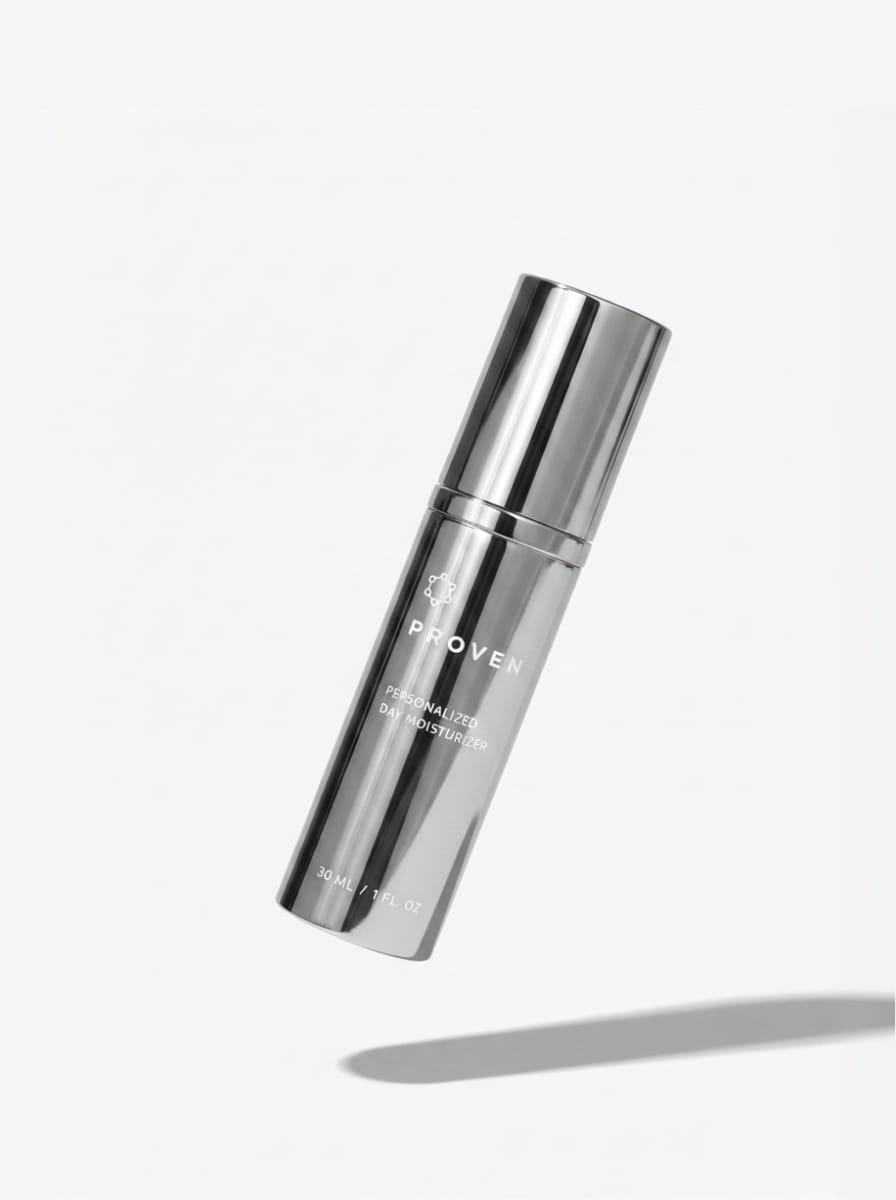
Lightweight daytime hydration — formulated for your skin.
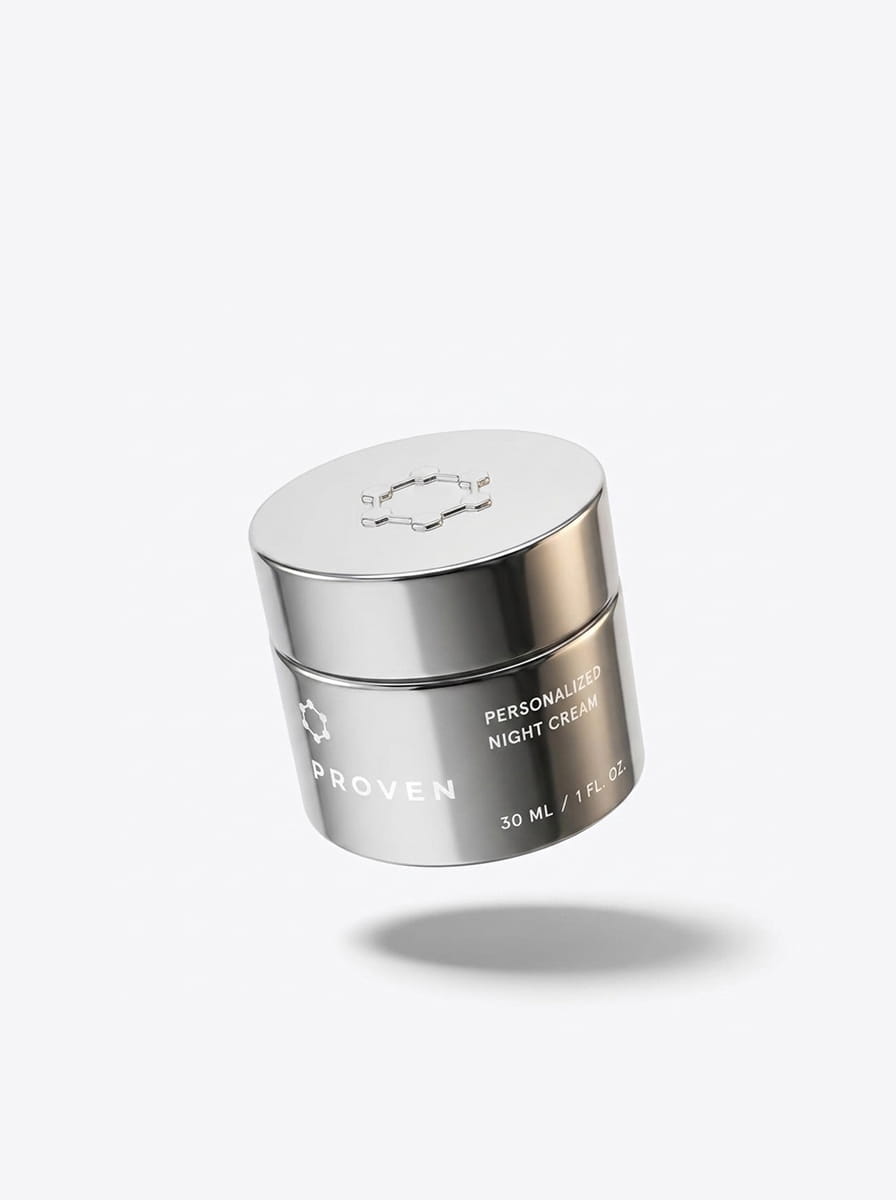
Overnight repair with the active ingredients your skin needs most.