

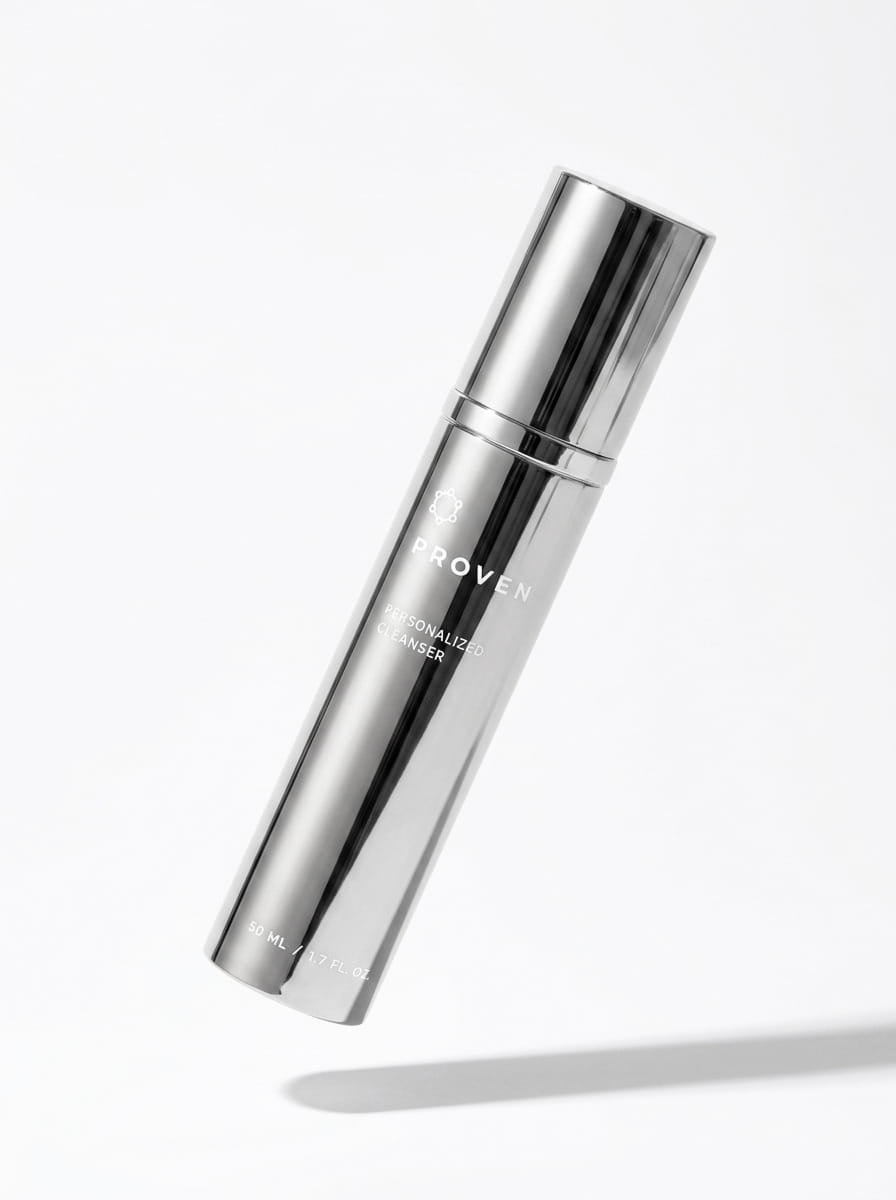
Personalized Cleanser
A gentle wash with exfoliating and toning properties — calibrated to your skin.
For many, skin care goals include glowing, healthy, and supple skin, unmarred by breakouts or bumps. But even if you’ve put the days of acne behind you, you may still face other skin care antagonists—dark spots.

Dark spots and skin discoloration are common and perfectly natural events for human skin. That pesky spot you’ve noticed by your hairline or on your cheek is most likely caused by an overproduction of melanin, a substance responsible for skin pigmentation. But what jump-starts this overproduction in the first place can vary.
While they’re often harmless, skin color changes can still be unsettling. Whether you’ve been typing “What causes dark spots on face?” into a Google rabbit hole, or you’re curious to learn best practices for preventative care, this guide is designed to walk you through possible dark spot causes and advice for identifying solutions that help you put your freshest face forward.
Dark spots or brown spots, sometimes called age spots, sun spots, or liver spots, are dark patches on the skin that indicate skin cell damage. This increased coloration, also known as hyperpigmentation, is related directly to melanin.
Melanin is a blanket term for three molecular types in your body responsible for the pigmentation, or coloring, of your skin, hair, and eyes. Ratios and interactions between these different melanin types determine your skin color.
Produced by melanocytes, cells in your skin’s base layers, melanin is key in protecting your body from the sun’s UV radiation. But skin cell damage, whether UV exposure-related or not, can trigger melanin overproduction as a protective response. Masses of excess melanin can then appear as darker areas, producing those areas we commonly know as “dark spots.”
As a result of cell damage, dark spots can have a host of causes, including natural cell breakdown. However, substances or interactions that come from outside of your body can alter the chemical makeup or interactions of your skin cells and are most likely to result in these visible symptoms.
Common causes of dark spots include:
Aside from the causes mentioned above, you may be more likely to develop dark spots due to certain circumstances or stages in your life. Consider the following factors:
You may be asking, “How to get rid of age spots?” or “How to fade dark spots on your face?” Treating dark spots can be equated to healing your skin cells. While your body is built to regenerate, and some spots may resolve on their own, many people opt for topical treatments to kickstart the process. Treatments should be tailored to work with your unique genetic makeup.
Consider these science-backed solutions:
Other compounds that have been studied in relation to their skin-lightening and melanin-suppressing properties include aloesin, from the aloe vera plant; niacinamide, found in yeast and root vegetables; and kojic acid, found in mushrooms and fungi.
Caring about your skin sometimes requires you to dig a little deeper into the hows, whats, and whys of skincare science. Before you know it, you’re comparing concentrations of ingredients and scouring the research results yourself. But you shouldn’t have to be your own dermatologist to get results.
That’s why PROVEN’s skincare products place you and your needs at the center of production.
The best ingredients for dark spots are a combination of anti-aging and brightening agents. Our personalized skincare set harnesses the age-old healing properties of vitamin C (a brightening agent), kojic acid (a melanin inhibitor), and granactive retinol (an anti-aging and renewing super substance).
Using a custom AI algorithm that responds to your personal Skin Genome Quiz, our products pair variable skin types with expert science. Dark spots shouldn’t dim your day. Take our skin quiz and let PROVEN light up a path toward radiant skin.
Make sure to check with a board-certified dermatologist for regular skin health checks. In particular, if you notice irregular moles or spots that grow larger, seek professional medical care immediately.
Built from 47 factors of your skin profile — a cleanser, day moisturizer, and night cream calibrated to you from the 3-step Skin Genome Quiz.
A gentle wash with exfoliating and toning properties — calibrated to your skin.
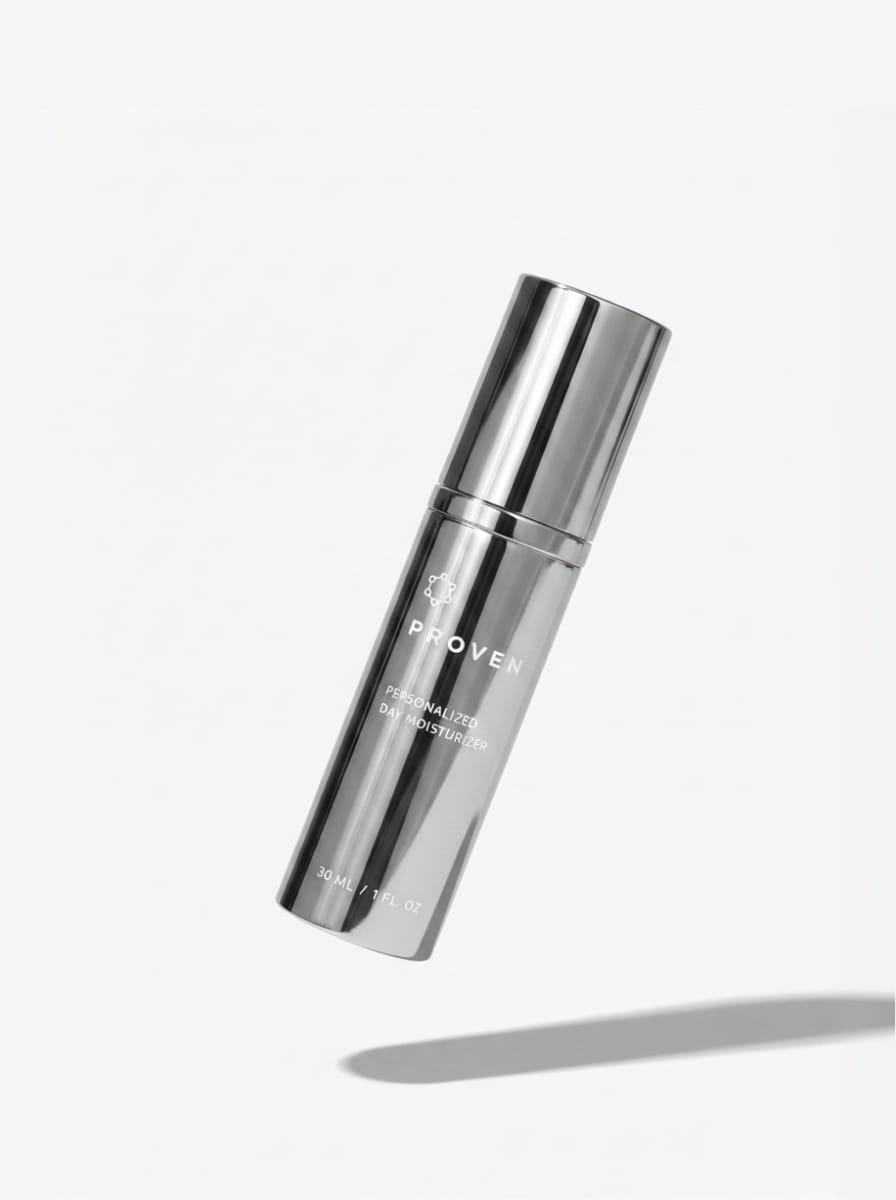
Lightweight daytime hydration — formulated for your skin.
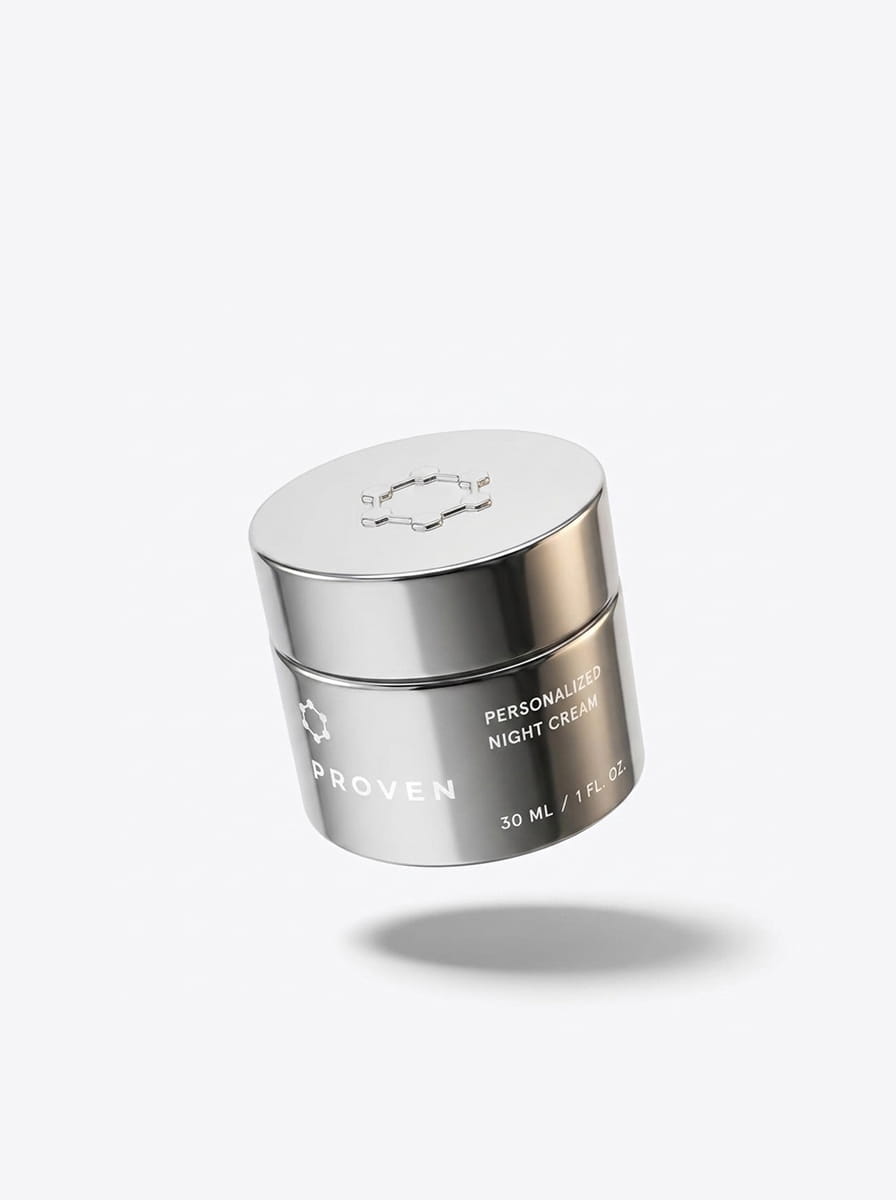
Overnight repair with the active ingredients your skin needs most.