

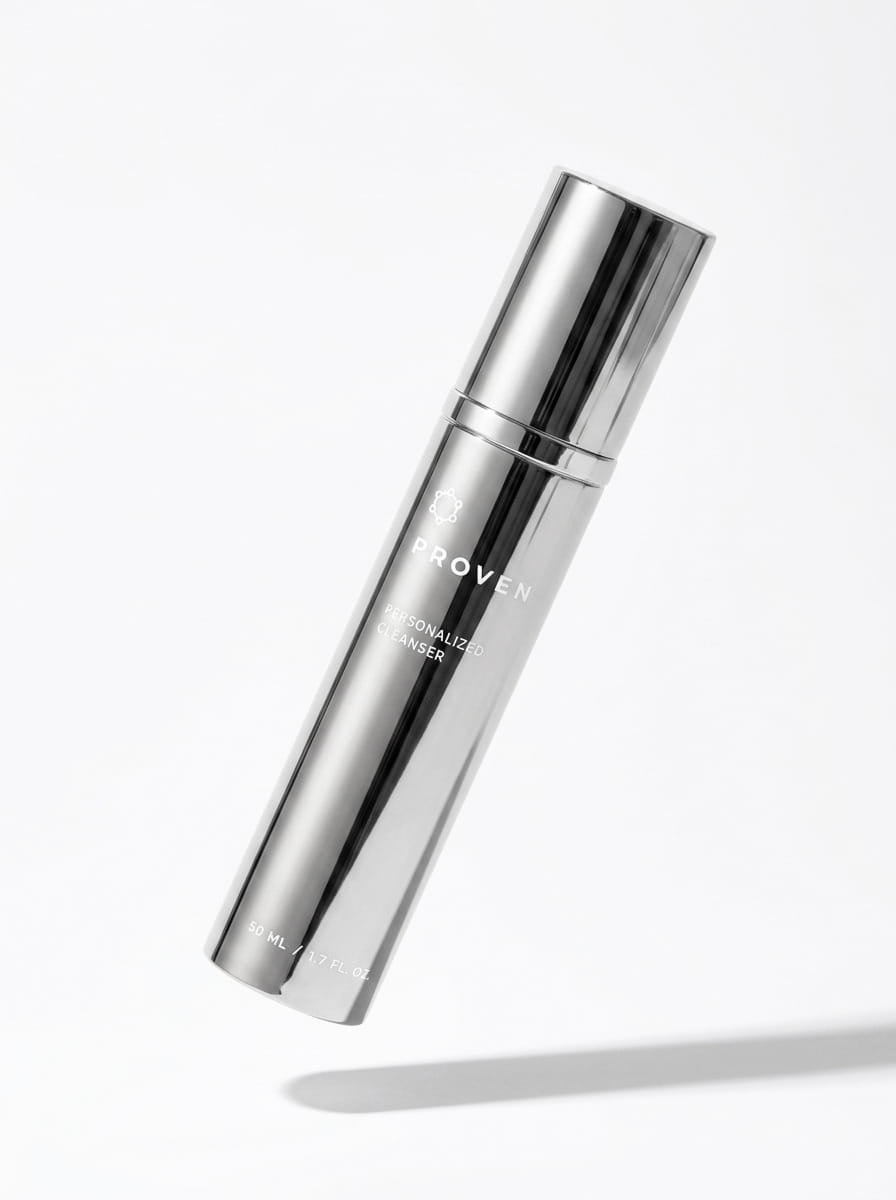
Personalized Cleanser
A gentle wash with exfoliating and toning properties — calibrated to your skin.
It always happens right before that big presentation or date. You wake up, look in the mirror, and see a giant red neon sign glaring back at you.

Hello, inflamed pimple. We meet again.
Acne is already a difficult skin condition to deal with, but glaring redness can make it even
more frustrating. After all, there’s a huge difference between a few measly blackheads and a gigantic, swollen, red nodule. The latter is also known as a blind pimple, and learning how to get rid of a blind pimple overnight can be a life-saver.
Fortunately, you’re not stuck waiting it out until that red spot calms down on its own—there are some science-backed skincare ingredients that can help you fast-track the healing process. If you’re ready to leave breakouts and redness in the dust, this guide on how to reduce pimple redness will help you take that spot from scarlet to nada.
Before knowing which ingredients to use to quell the redness, it’s important to identify the type of acne you could have.
Pimples, also known as comedones, are generally divided into two categories: non-inflammatory (no redness) and inflammatory (some redness). Non-inflammatory pimples include blackheads and whiteheads, and treatment for them is often simple.
But inflammatory acne can be complex, harsh, or difficult to treat. If you have red pimples or acne-prone skin, you likely have one of these types of inflamed comedones [1]:
Fortunately, whichever type of inflammatory acne you’re experiencing, there’s probably a matching skincare ingredient that can help pare down the redness that comes with it.
Put down the pimple-popping tool. If you want to learn how to make a pimple less red in a safe way, turn your attention to effective topical skincare. Depending on the type of pimple you have, any of these top, research-backed ingredients can assist you with redness reduction ASAP.
#1 Retinoids
Wrinkle prevention, brighter skin tone, boosted collagen….what can’t retinoids do? This family of skin medications is derived from vitamin A; they range from mild topical products (like retinol) to prescriptive oral medications (like isotretinoin) [2].
Retinoids work their magic by increasing your skin cell turnover—the rate at which new skin cells replace dead skin cells. Research shows that promoting cell turnover may play a role in reducing acne symptoms by [3][4]:
But the advantages of retinoids go above and beyond your pimple. Retinoids come with a host of other skin benefits, from minimizing the appearance of wrinkles to helping to foster a brighter complexion [5].
Typically, products formulated with retinoids take at least 6 months to see visible improvement in acne and skin overall. Some people may experience side effects in the meanwhile. For first-timers, those with sensitive skin, or heavy-duty retinoid users, it’s common to experience [6]:
However, it’s well worth pushing through these “retinization” side effects to see those glowy benefits. PROVEN’s AI technology gradually incorporates retinol and acne-fighting ingredients into your customized night cream to prevent unwanted symptoms.
#2 Tea Tree Oil
The word “oil” may send shivers down an acne sufferer’s spine—but don’t skip over this incredible acne redness-busting ingredient.
Tea tree oil, or melaleuca oil, is an essential oil from the leaves of the Australian tea tree. It contains antimicrobial properties, slowing the growth of or killing acne-causing bacteria and other microbes on the skin [7].
Research shows that this power helps tea tree oil reduce overall lesions, redness, excess sebum, and even swelling in mild to moderate acne cases [8][9]. While this is a natural option, it is still potent and may cause side effects in some people. To use tea tree oil for pimple redness, be sure to follow these tips when applying a product that contains it [10]:
#3 Benzoyl Peroxide
Benzoyl peroxide is an antiseptic—a substance that stymies or slows down bacterial growth [11]. By releasing oxygen to the pores, benzoyl peroxide can reduce bacteria, inflammation, and even your total acne lesions. Experts also say that benzoyl peroxide can dry up excess sebum, exfoliate dead skin cells, and remove dirt and debris [12].
Luckily, benzoyl peroxide is fairly easy to find. Your drugstore likely has many over-the-counter products containing benzoyl peroxide, such as:
For some people, benzoyl peroxide can be harsh on the skin, especially in higher concentrations. To avoid peeling and irritation, start with formulas at 2.5% lower. You can also choose products that you may only use twice per day, such as a facial cleanser or spot cream.
#4 Niacinamide
A form of vitamin B3, niacinamide is naturally found in the body and skin. When applied to the skin, it wields a gentle yet effective anti-inflammatory power. This makes niacinamide an amazing ally for soothing conditions behind red and angry pimples, including:
Niacinamide is generally gentle enough to use as-needed, rarely causing any harsh side effects. Try adding a daily moisturizer with SPF that is also formulated with niacinamide so that you’ll never forget to apply it in the morning.
#5 Vitamin C
Consider vitamin C the jack-of-all-trades for skin care. This vital nutrient supports skin from the inside out all through its antioxidant powers. Vitamin C can protect your inner glow and overall skin health by fighting off harmful free radicals that oxidize and prematurely age cells [16].
Vitamin C is also a strong anti-inflammatory, which can significantly improve acne lesions, reduce redness, and lower swelling [17]. Research shows that topical vitamin C can help acne-prone skin by [18]:
You may have heard of other popular skincare ingredients like salicylic acid and hyaluronic acid. Is hyaluronic acid good for acne? Depending on your skin health, there can be other ingredients that help repair, restore, and rejuvenate your skin. The only way you’ll know for sure is by taking our Skin Health Quiz that develops custom formulations with the right doses.
It may not seem like it, but the redness is a sign that your body is actually on your side. That’s because pimple redness is a result of inflammation—the body’s natural response to injury or infection.
Inflammation heals wounds by drawing more blood cells to a specific area, providing it with more nutrients and oxygen. To your body, a pimple is a wound (especially if it’s deep in the skin tissue or opened). As a result, your body inflames the area, which can create symptoms like:
Several other factors can cause, create, or contribute to more redness:
One of the best ways to keep a zit from forming? Building a clean, clinically-effective regimen that keeps your skin’s best long-term interests at heart.
Almost everyone faces a red, swollen, and angry pimple at some point in life—but at PROVEN Skincare, we’re not here to repeat history. Does your acne get worse before it gets better when you try new products? We’ve got you covered.
Every custom skincare routine we create is designed with formulas containing natural, clean, clinically-effective ingredients personalized to your skin needs. Whether you’re up against inflammatory acne or the first signs of fine lines, we want to create a regimen that helps you reach your beauty goals. Take our skincare quiz today to discover your PROVEN 3-step skincare set and reveal your best skin yet.
Built from 47 factors of your skin profile — a cleanser, day moisturizer, and night cream calibrated to you from the 3-step Skin Genome Quiz.
A gentle wash with exfoliating and toning properties — calibrated to your skin.
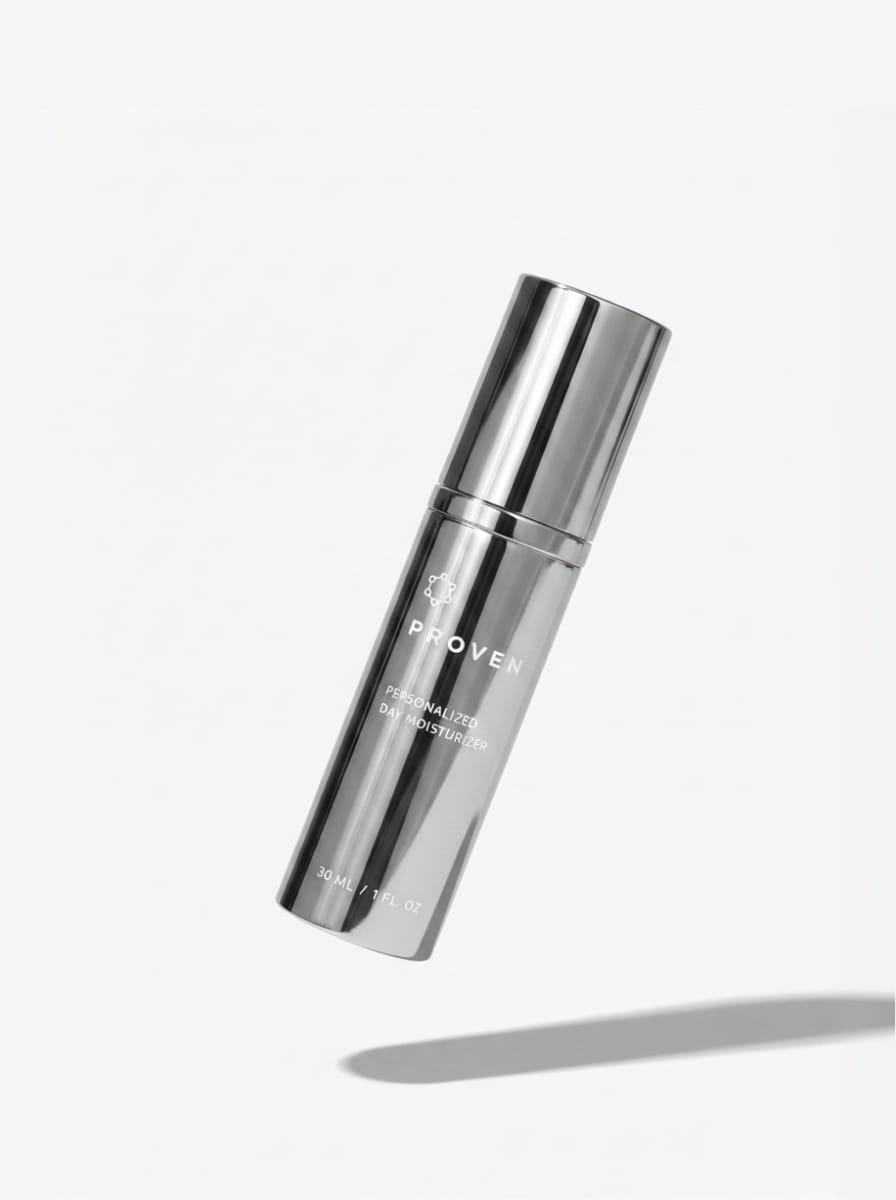
Lightweight daytime hydration — formulated for your skin.
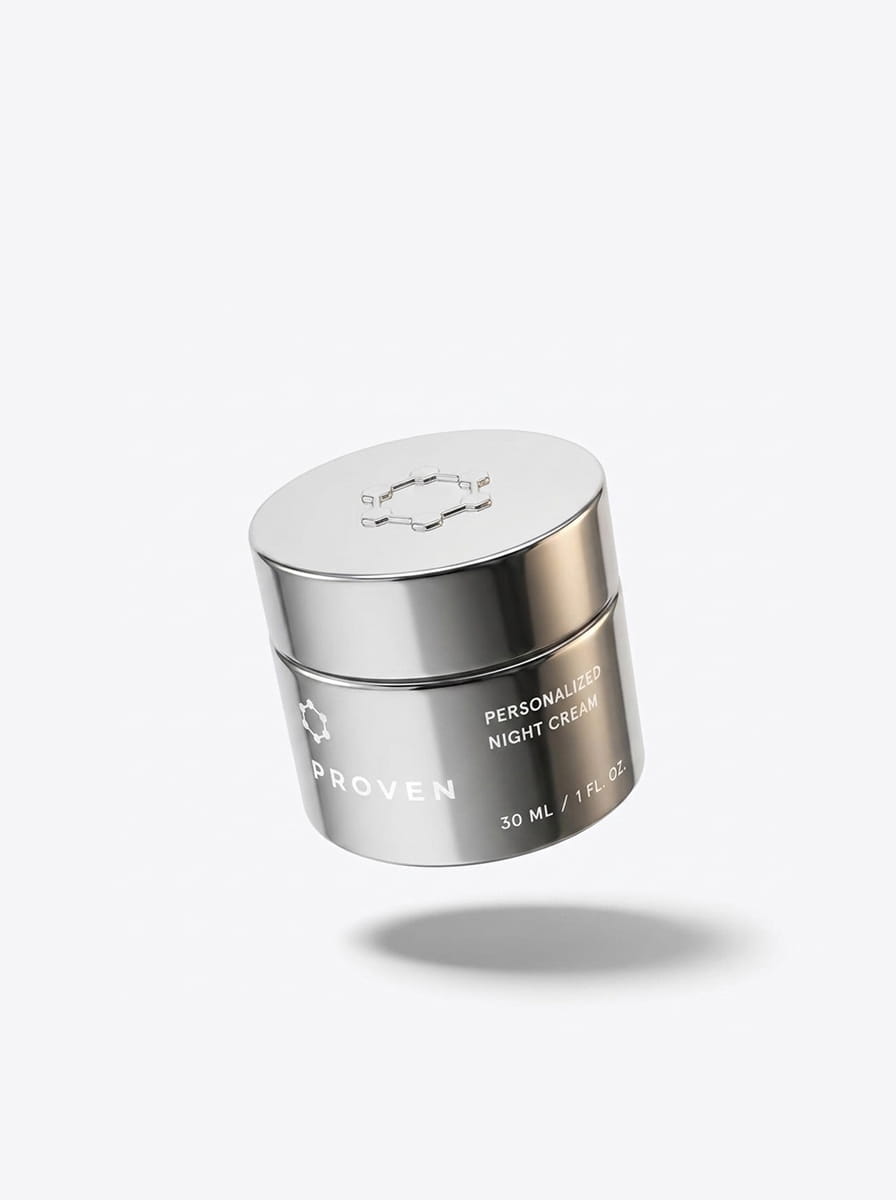
Overnight repair with the active ingredients your skin needs most.