Living with acne can feel like riding a roller coaster. You finally clear up a breakout and you're left with a dark spot, uneven skin tone, or acne scar, but you're unsure how to treat dark spots caused by pimples. Your initial instinct may be to try home dark spot treatment remedies like lemon juice, aloe vera, or reach for typical skincare with aggressive chemical peels and harsh exfoliating treatments, but here is the best way to diminish dark spots or these acne scars caused by pimples, step by step.
Custom Luxury Skincare At An Affordable Price
Say goodbye to dark spots and hello to radiant skin with your personalized skincare regimen.
How to Address Dark Spots and Acne Scars leftover from Pimples, Step-By-Step
1. Be Gentle on New Dark Spots as the Skin is Still Healing
When the spot or acne mark is still red and the pimple has only just faded, your sensitive skin is very inflamed. This is no time to use any kind of over-the-counter product or acid as a dark spot corrector, so if you typically use Salicylic Acid or Glycolic acid all over your face as an at-home remedy or preventative acne or dark spot treatment, avoid applying these products directly on the affected areas. Your skin texture is very tender and irritated, and is not ready for texture application of exfoliating treatments. Instead, try hydrocortisone. Using hydrocortisone for dark spots or skin discoloration is an effective way to calm inflammation and address and soothe the red in your skin. It acts as a natural anti-inflammatory. Apply this for only a period of a few days, as over time, hydrocortisone can actually thin the skin and make it more fragile.
2. Introduce Vitamin C Once the Blemish has Healed
When the dark marks or affected areas have completely healed and are no longer irritated, it’s time to bring in the antioxidants to help get rid of dark spots. Load up on Vitamin C, especially in the morning, to prevent excess melanin from depositing and making the dark patch darker. Ask your dermatologist to recommend the best Vitamin C-based skincare products.
3. Use a Retinoid for Brightening the Appearance of Dark Spots
Research skincare products or, again, consult your dermatologist to recommend items that include a retinol derivative that you can use at night to help speed up the regeneration of your skin condition. This will help push new, healthy, bright skin to the surface.
4. Exfoliate New Dark Spots with Acids
5. Protect Dark Spots, Acne Scars, and Melasma from the Sun
What Causes Acne Marks Or Dark Spots Left Behind By Pimples?
So, what causes dark spots on your face? The technical word for the darker skin tones spot left behind an acne lesion once it heals is post-inflammatory hyperpigmentation, or PIH. This type of pigment is different than normal dark spots because it is a result of inflammation. PIH is not specific to acne. These dark spots caused by pimples can also commonly occur as a result of razor bumps and ingrown hairs. PIH is most common in darker skin types, and can last for longer than 5 years if left untreated. Keep your skin hydrated when shaving or washing your face. Not only are ingrown hairs and razor bumps painful, but they will also keep returning. Use shaving products to soften and hydrate skin, and don't rush the process. Cuts on the skin that leave a dark mark also take a while to heal.
Prevent PIH Dark Spots From Forming
You may also get PIH if you pick at a blackhead or pimple. Picking at an active acne lesion or blackhead increases the likelihood of leaving behind a dark spot, which is one of the reasons why dermatologists and aestheticians caution against it. You’re better off leaving it alone and letting it heal over time, as painstaking as that can be or feel. Or, you can go to a professional like a dermatologist or licensed aesthetician to help remove it.
Relax And Stick To The Plan To Cure Dark Spots Fast
Whether you pick at your pimple or let it heal naturally, PIH may occur either way. It’s important to treat the inflammation and use antioxidants like Vitamin C to inhibit melanin production. Most importantly, use daily sun protection to prevent your spot from worsening. Even a well-healed spot can suddenly become dark if you spend too much time in the sun. We hope this post has helped inform you about how to cure dark spots caused by pimples, and how to prevent further dark spots from forming.
Stick to a skincare regimen best suited to your skin.
Start a skincare routine beneficial to your specific skin type, issues, and needs.
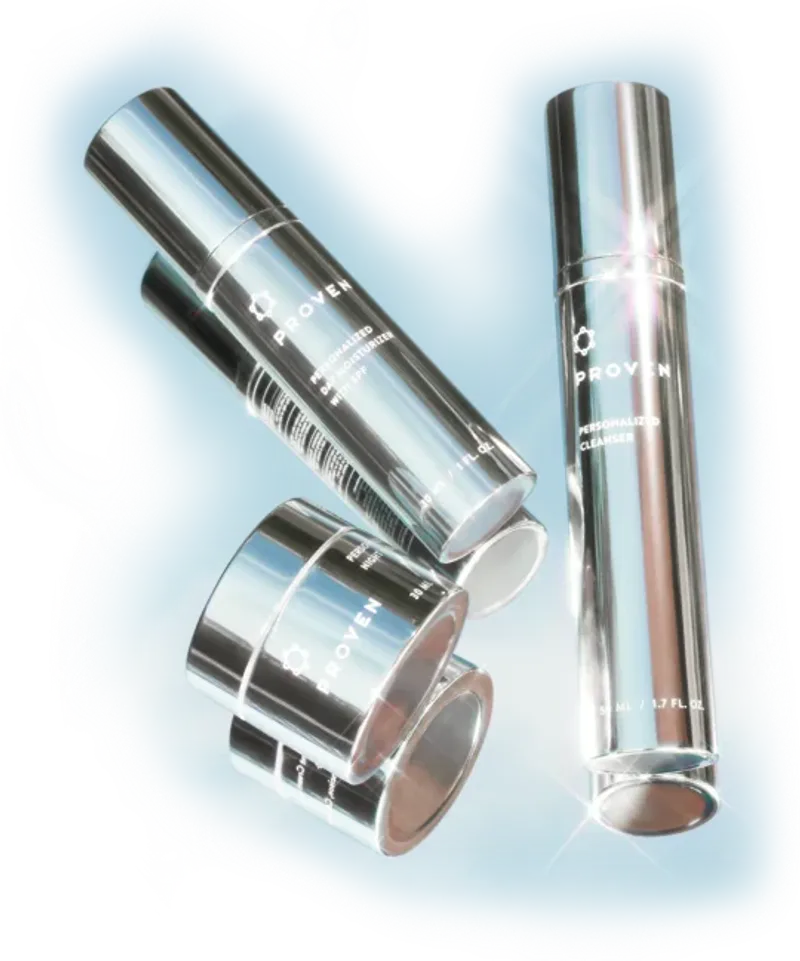
Choose a cleanser, moisturizer with SPF, toner, and night cream that will address what skin needs, so you can avoid pimples, dark spots, and acne scars from starting. Do your research, listen to your skin...and speak to your dermatologist. PROVEN Skincare is dermatologist-approved, incorporating the best ingredients for dark spots like vitamin C, retinol, and more to target hyperpigmentation and restore your glow.