

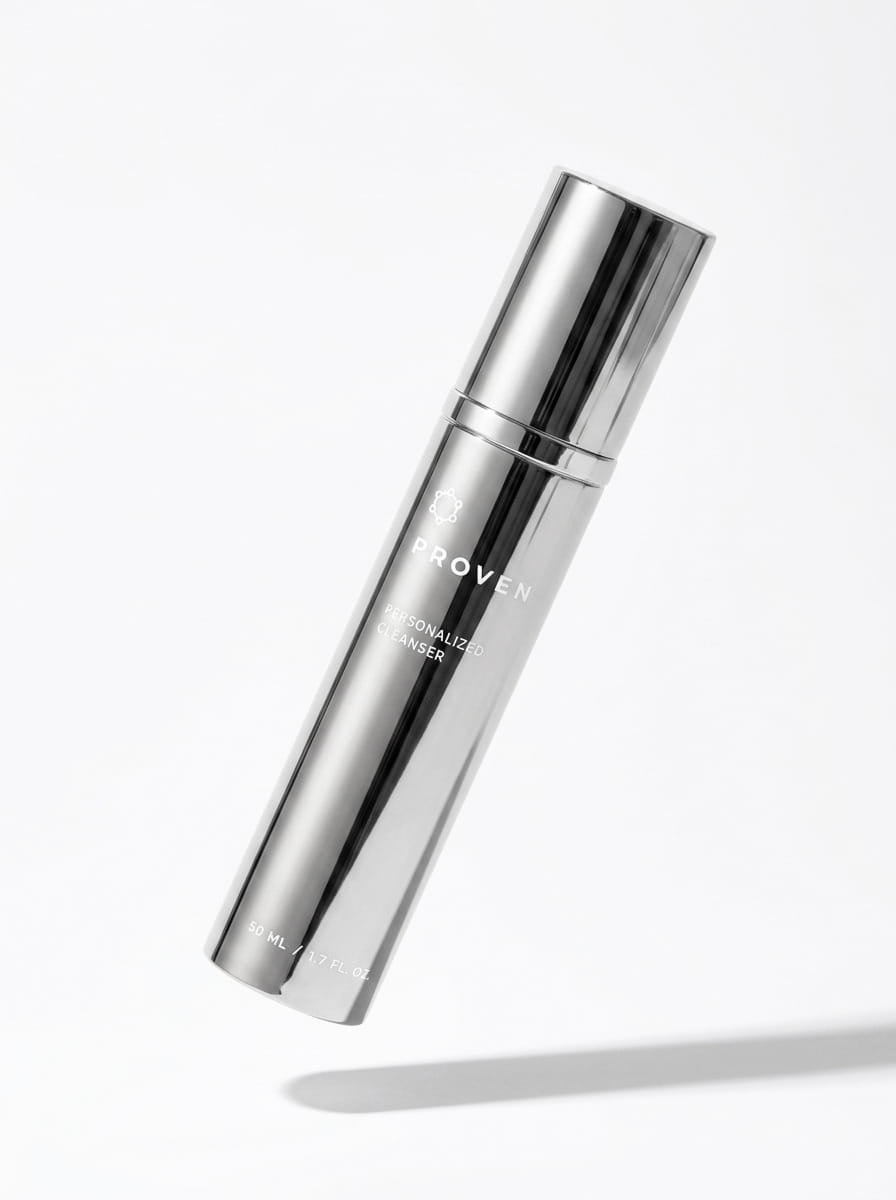
Personalized Cleanser
A gentle wash with exfoliating and toning properties — calibrated to your skin.
Take a quiz. We analyze your factors and build a formula made for you alone.
If you’ve ever suffered from skin purging, you’re probably all too familiar with some of its frustrating side effects.

Are those acne scars or acne marks? Oy vey.
If you find yourself unsure, you’re not alone. But worry not—we’re here to provide you with all of the details related to acne marks vs acne scars. From what they are to how to treat them, read on to get the scoop on the differences between the two.
From handcrafting your very own DIY acne remedies to raiding the beauty aisle for the ultimate blend of skin care products, you’ve likely perfected a rigorous routine to rid yourself of acne, once and for all.
And once it’s disappeared, you’re forever grateful for your perseverance to the cause. But what about those pesky spots on your face that linger after the acne is long gone? Here’s a brief breakdown of what acne scars and acne marks are, what causes them, and how to tell them apart.
Acne Marks
An acne mark occurs while your body works to repair your skin from an injury [1]. When acne comes around, it brings inflammation in the form of inflamed pimples and pustules on your face.
While the redness of inflammation might not be welcome, it plays an important role in the acne breakout healing process. Your body quickly identifies this inflammation as an injury. It wastes no time sending white blood cells and excess melanin to the source of the problem so that it can begin repairing your skin [2].
Because melanin is a natural pigment that helps distinguish your hair, skin, and eye color [3], the result of all of that “repairing” is a dark spot on your skin where the acne once was.
There are two types of acne marks you may notice, depending on your skin tone:
Although the culprit of acne marks tends to be acne (hence the name), you may find that you have PIH or PIE caused by a variety of other “injury”-inducing troublemakers, including [6]:
Acne Scars
Acne and inflammation work in tandem like a perfectly choreographed dance to deeply penetrate your skin. The deeper the acne goes, the more likely it is to cause tissue damage to the different layers of your skin [7].
When your body goes into acne-fighting mode, it produces collagen to give your tissues an extra buffer of support while it heals. Because it’s not an exact science, sometimes your body produces the wrong amount of collagen, which creates an acne scar [8].
The type of acne scarring you see depends on how much collagen your body uses when repairing your tissue. Some of the most common types of acne scars include:
But just because you’re dealing with acne doesn’t mean you’re destined to find yourself with acne scars. Some people are more prone than others, including individuals who [11]:
Whether you find yourself with acne marks, acne scars, or a combination of the two, you might be wondering, are they permanent?
Yes and no.
While there’s no concrete answer, both have the potential to diminish over time, especially with the help of a personalized skincare routine. Acne marks often disappear within a year or two on their own [12], although they tend to go away more quickly with a little extra TLC (aka the right skin care regimen).
On the other hand, the process of removing acne scars often requires a long-term approach—and the results are mixed. The length of time it takes to remove them varies depending on the treatment methods you choose. Even with different treatment options, some acne scarring is more challenging to diminish than others.
Your success rate depends on a few factors, including:
There are plenty of ways you can tackle acne marks and acne scars head-on. If you’re wondering how to make your skin smooth and ease the look for acne scars and marks, there different approaches for each:
Acne Marks
Sure, many acne marks eventually disappear on their own, but with the right skincare products on hand, you can give those PIH and PIE marks a run for their money. Consider adding products with some of these acne mark-fighting ingredients to your daily skincare routine:
Acne Scars
Because acne scars often penetrate multiple layers of the skin, they can be more challenging to diminish than acne marks. The first step that PROVEN can help with is creating a personalized skincare set infused with ingredients like Vitamin C, salicylic acid, and retinol based on your skin concerns. After establishing a set regimen at home, you may consider seeking professional treatments as well.
Together, your at-home products and additional treatments can work hand in hand to help you achieve smoother, clearer skin:
Whether you have acne marks or acne scars, the journey to healthy and clearer skin begins the same way—with a skincare routine that works for you.
PROVEN Skincare understands that everyone’s skin is unique. That’s why we’ve created custom skincare products formulated just for you based on important factors, like your skin type, concerns, and lifestyle.
Taking care of your skin should be easy. Take our brief skincare quiz and let us customize the perfect three-step system to start your journey to healthy, radiant skin.
Built from 47 factors of your skin profile — a cleanser, day moisturizer, and night cream calibrated to you from the 3-step Skin Genome Quiz.
A gentle wash with exfoliating and toning properties — calibrated to your skin.
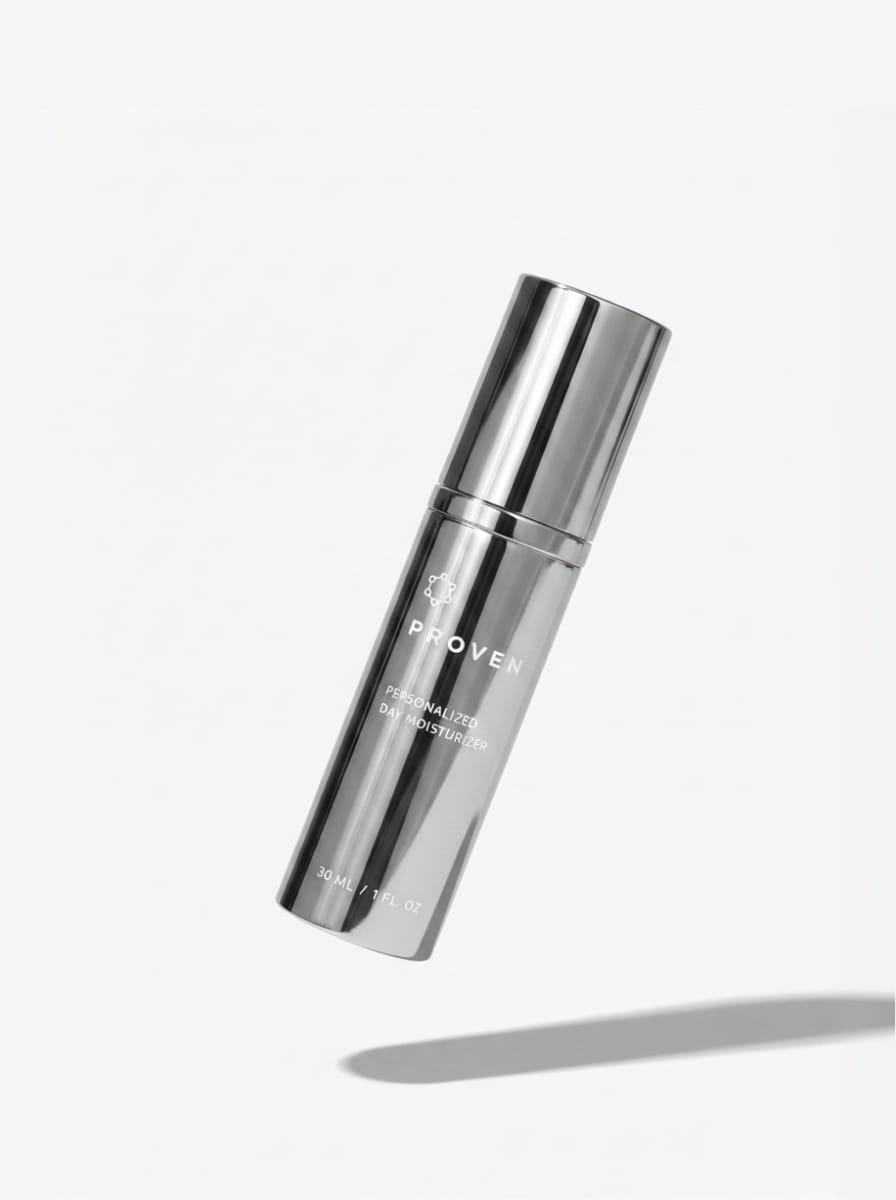
Lightweight daytime hydration — formulated for your skin.
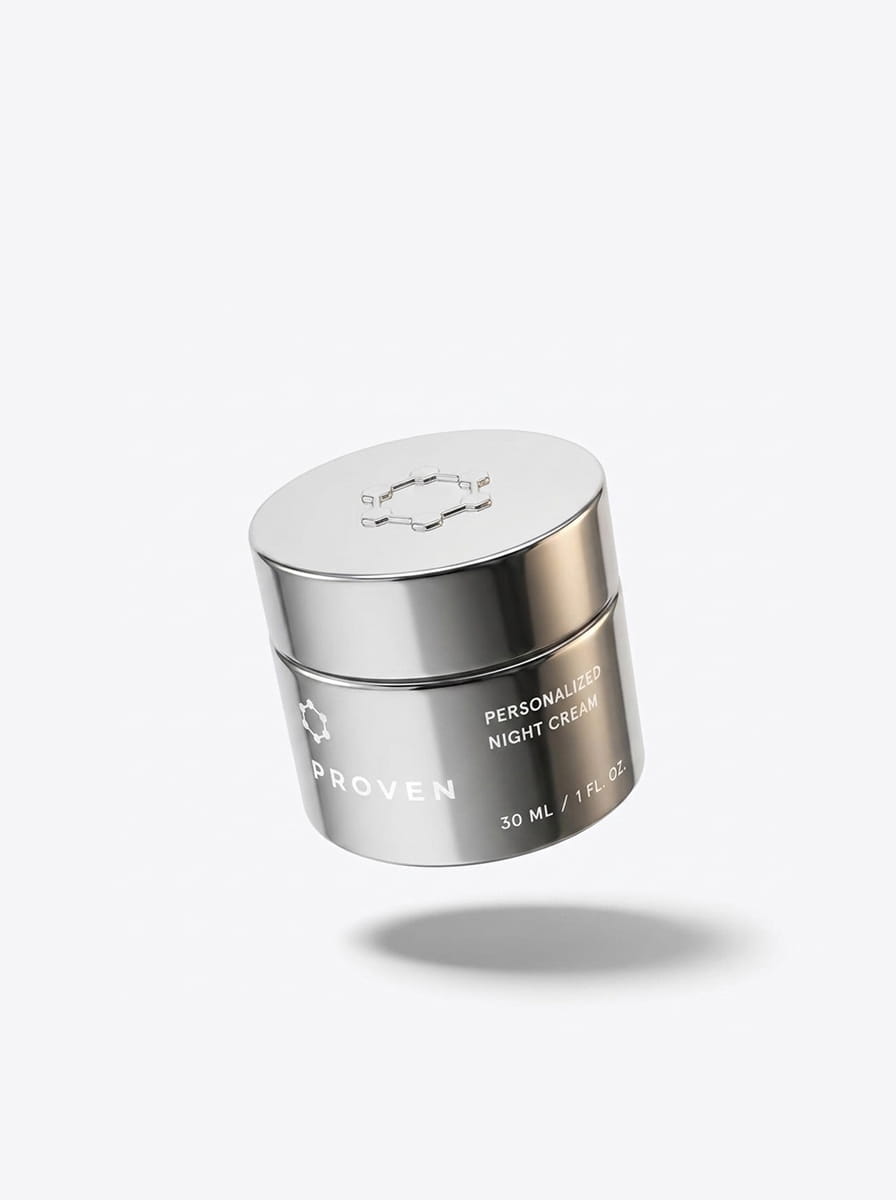
Overnight repair with the active ingredients your skin needs most.