

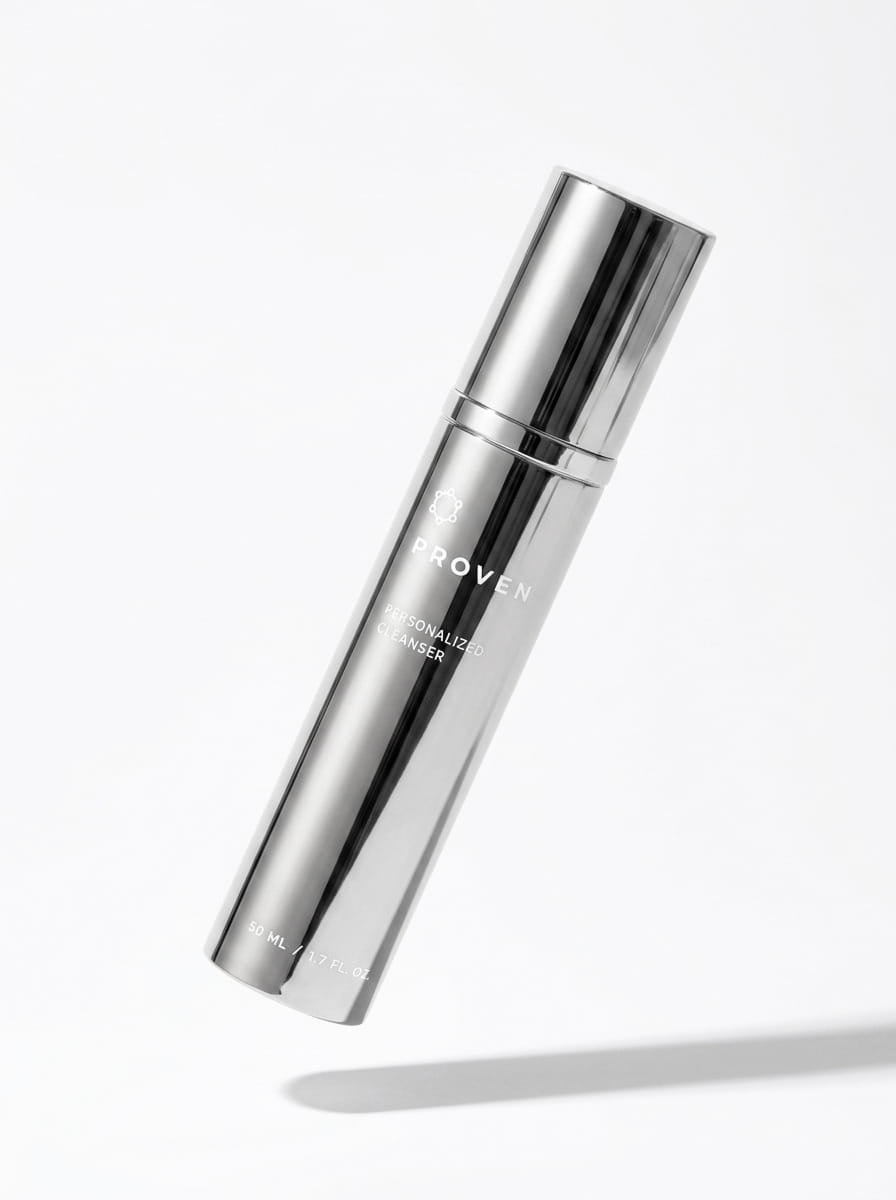
Personalized Cleanser
A gentle wash with exfoliating and toning properties — calibrated to your skin.
If you have a skincare routine or just subscribe to the basics of skincare, you’ve probably tried a night cream—maybe you even use it every night (good for you!).
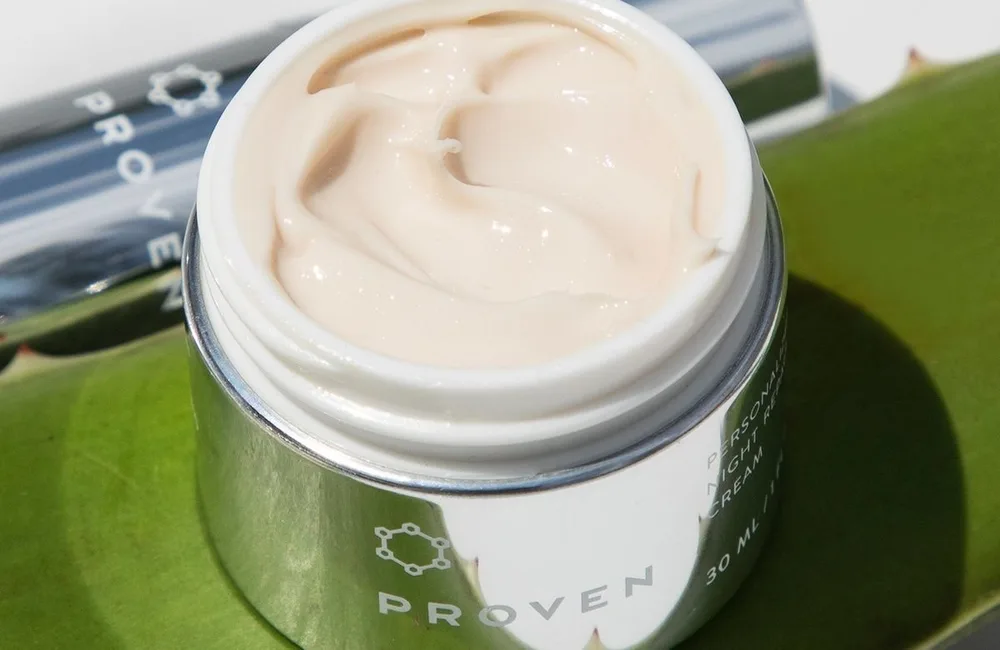
Why Night Cream?
Night time is prime time for our bodies to repair, regenerate, and restore—and the skin, being the body’s largest organ, certainly takes part in the action. So, it’s no wonder that beauty products, particularly night face creams, contain more active ingredients than daily moisturizers do, because the skin is already in recharge mode and can really make the most of a potent formula. But, it’s also worth noting that many of the stronger anti-aging ingredients found in night creams increase UV sensitivity, so they’re best used after the sun’s gone down (this is also why it’s important to pair a night cream with a day cream containing SPF to protect your skin against free radicals during waking hours).
While many use the same moisturizing cream or lotion for both day and night when choosing skincare products, they may be wasting some benefits. Most day moisturizers are formulated with sunscreen which is something you should wear everyday, without fail, no matter the weather. UV rays are present when it's sunny, overcast or windy. Unless you live in the land of the midnight sun, SPF is not necessary at night.
The Best Night Cream for You
All night time moisturizers are not created equally—and that’s a good thing, because no two faces have the same needs. But it also means that the marketplace is cluttered with products, each claiming to do something different. How do you ensure that a night cream will deliver on its promises—and better yet, will work for your skin type specifically? The answer lies in that fine-print ingredient list on the back of the product package. Knowing what to look for here is a crucial step in finding your match.
Beneficial night cream ingredients, like glycerides, fatty acids, and ceramides, moisturize and repair the skin barrier, so they’re perfect for rejuvenating dry skin. You may see them paired with some firming ingredients, like retinol, lactic acid, and peptides, which tighten the skin and support collagen production. Then also on the anti-aging front, you have your antioxidant ingredients, like vitamin A, vitamin E, CoQ10, and green tea, which protect against sun damage and environmental stressors—as well as hyperpigmentation-fighters, like hydroquinone, kojic acid, and licorice, which even out the skin tone. Glycolic acid offers overnight benefits, addressing texture, tone and help diminish the appearance of fine lines and wrinkles.
You may notice your skin actually looks better, first thing in the morning. When you sleep (increased sleep also helps), your body goes into a type of repair mode and this is when it produces new cells that help boost collagen production. You'll also notice how tired you look after a poor night's sleep as lack of sleep will interrupt collagen production.
Of course, it’s not just about the ingredient names listed on the package. Levels of ingredient concentration matters too, which is why the personalized skincare movement has proven so valuable. Some ingredients, like retinol, can cause irritation in unaccustomed skin, while skin that’s well-acquainted with retinoids might need a stronger formula in order for it to have any impact. So, starting light and building up is key. And, remember, just because it’s a night cream, doesn’t mean it’s an overnight miracle. Since the average person’s skin cells experience a full turnover about once every month, you should give a new formula at least that long before you give up on it.
The Verdict
Yes, night creams really are worth it—but as a caveat, you have to know what you’re looking for when adding one to your beauty routine. No one formula works for everybody. And, if trial and error isn’t your thing (or your bank account’s!), personalized skincare, where you can have a custom formula created, tailored to your skin, and enjoy some real beauty sleep, once and for all.
Built from 47 factors of your skin profile — a cleanser, day moisturizer, and night cream calibrated to you from the 3-step Skin Genome Quiz.
A gentle wash with exfoliating and toning properties — calibrated to your skin.
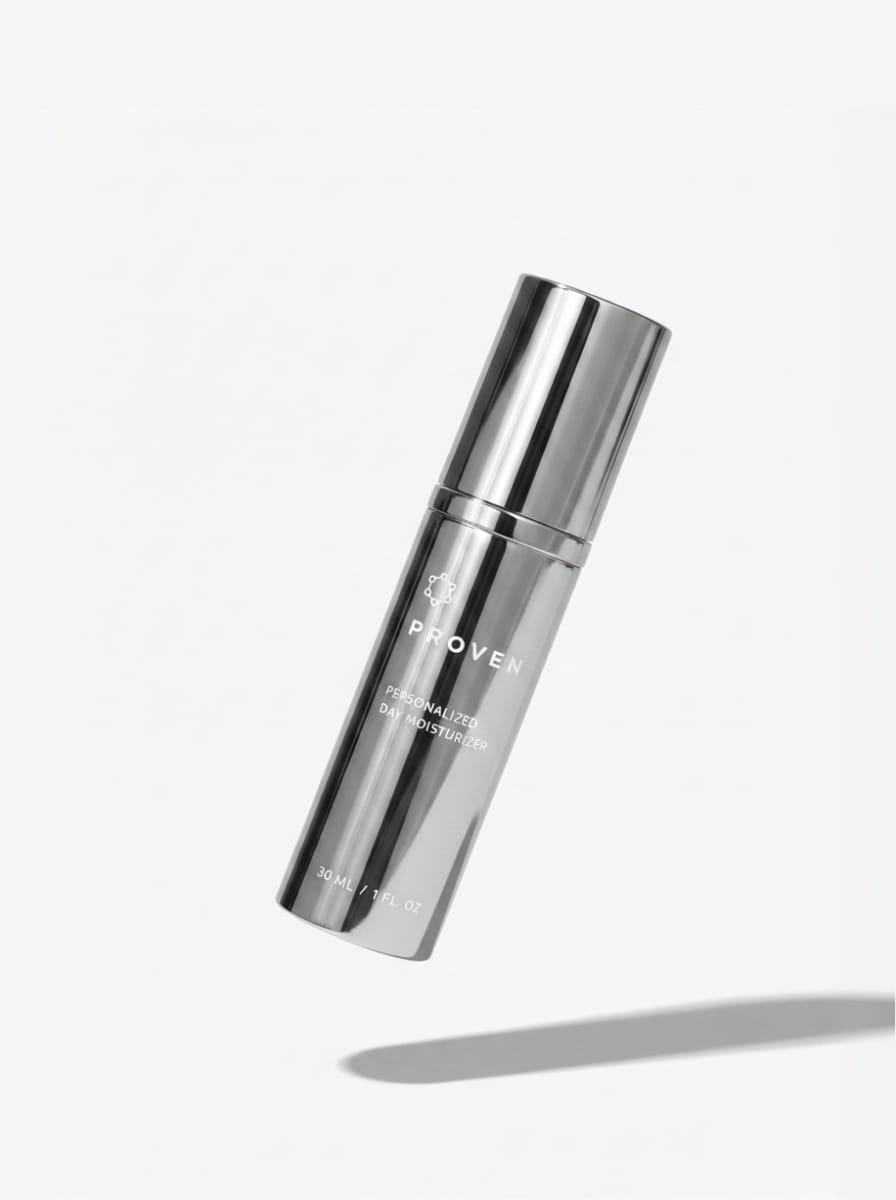
Lightweight daytime hydration — formulated for your skin.
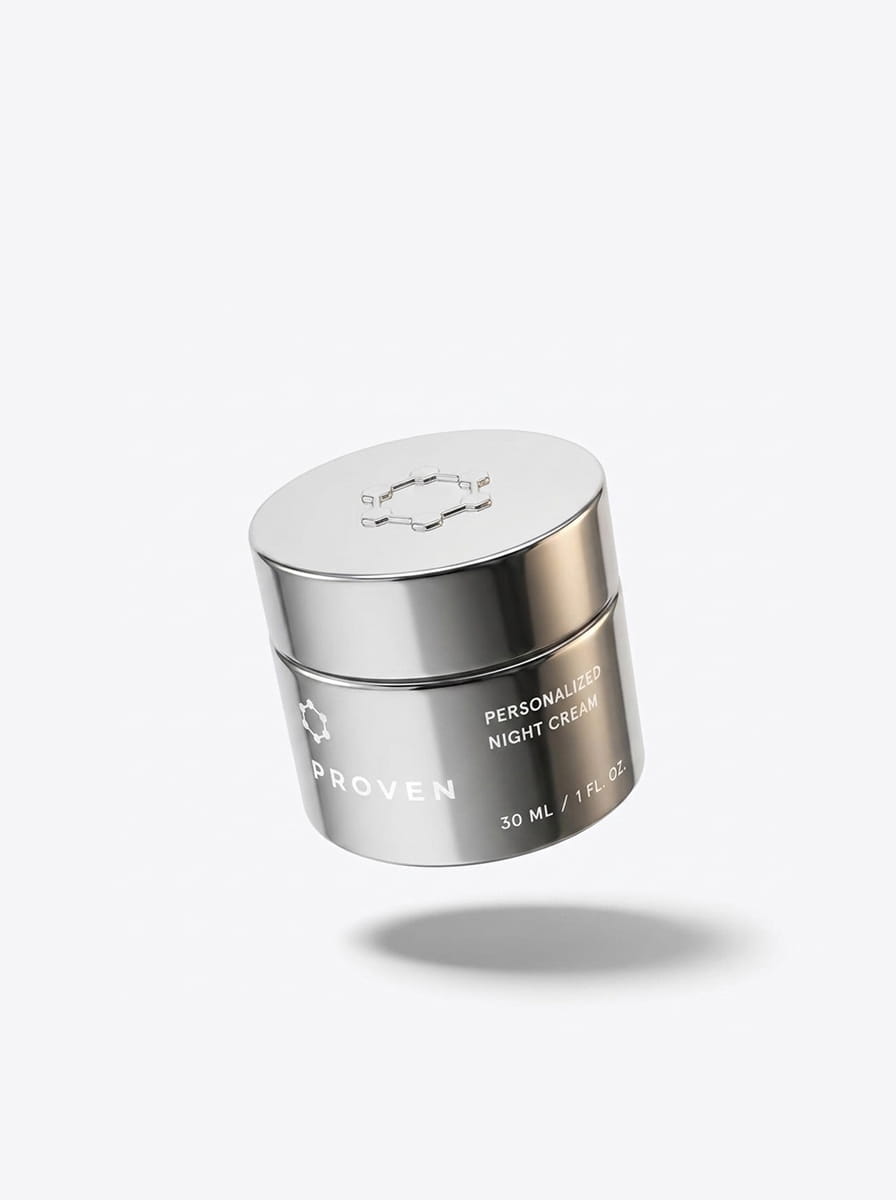
Overnight repair with the active ingredients your skin needs most.