

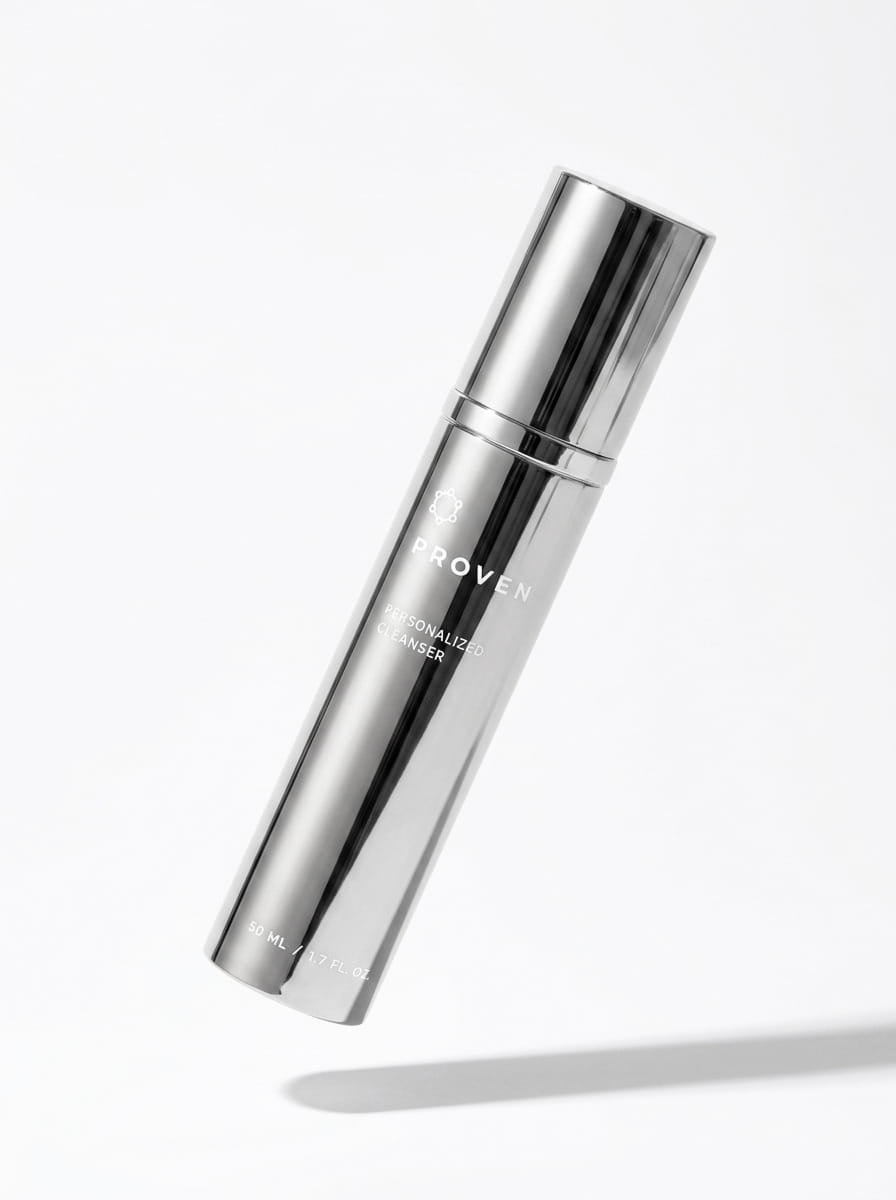
Personalized Cleanser
A gentle wash with exfoliating and toning properties — calibrated to your skin.
You’ve probably heard the phrase “beauty sleep” so many times that you stopped wondering if it meant much.

Sleep is when your whole body does housekeeping to clean up and repair cells—and that includes your skin. During deep sleep, the natural rise in growth hormones repairs damaged cells. These are benefits of deep sleep only - so without the deeper phases of sleep, this won't occur, and your skin’s daily wear and tear will accumulates.You may be wondering, how much sleep do I need? The answer is between 7 to 9 hours a night. Continual sleep deprivation--meaning less than 7 to 9 hours per night--results in more noticeable signs of aging because the body isn’t able to repair itself.
During sleep, blood flow to the skin increases, helping to rebuild collagen and repair UV damage.
Regular sleep deprivation can lead to wrinkles, sagging skin, and dark circles under the eyes. When you sleep, your body delivers fluids to organs and tissues that need replenishing, and removes excess fluids
from other areas—those under-eye bags are pockets of fluid your body didn’t have time to drain. When you get too little sleep, your blood vessels leak a little, mixing with the fluids that are already there and creating dark circles.
Skimping on sleep also increases levels of the stress hormone cortisol throughout your body, which causes inflammation. In addition to contributing to signs of premature aging, lack of sleep effects such as higher cortisol levels further exacerbate skin problems like acne, psoriasis, and eczema.
The way you sleep can also affect your skin. As far as your skin is concerned, the best way to sleep is on your back. If you sleep on your side, you should get a skin-friendly pillow, such as silk or copper oxide. Silk is super soft and tightly woven, which minimizes rubbing and those funny-looking skin imprints. It also absorbs less oil and bacteria than cotton does, so it stays cleaner. Copper oxide pillowcases have copper oxide particles embedded in the fabrics. While it sounds far-fetched, the science behind it is pretty solid--copper oxide has been shown to benefit acne-prone skin, and may also help prevent fine lines and wrinkles.
“Copper is naturally antimicrobial,” says Susan Bard, MD, a New York City-based board-certified dermatologist. “In this case, the copper may help keep bacterial counts low. People prone to acne have reported improvement with copper pillow use. Copper is also a vital cofactor for collagen synthesis,” Bard explains. “Increased collagen production leads to improvement in fine lines and wrinkles.”
Whether or not a copper oxide pillow is in your budget right now, the basic three “musts” when it comes to maximizing your beauty rest are:
Built from 47 factors of your skin profile — a cleanser, day moisturizer, and night cream calibrated to you from the 3-step Skin Genome Quiz.
A gentle wash with exfoliating and toning properties — calibrated to your skin.
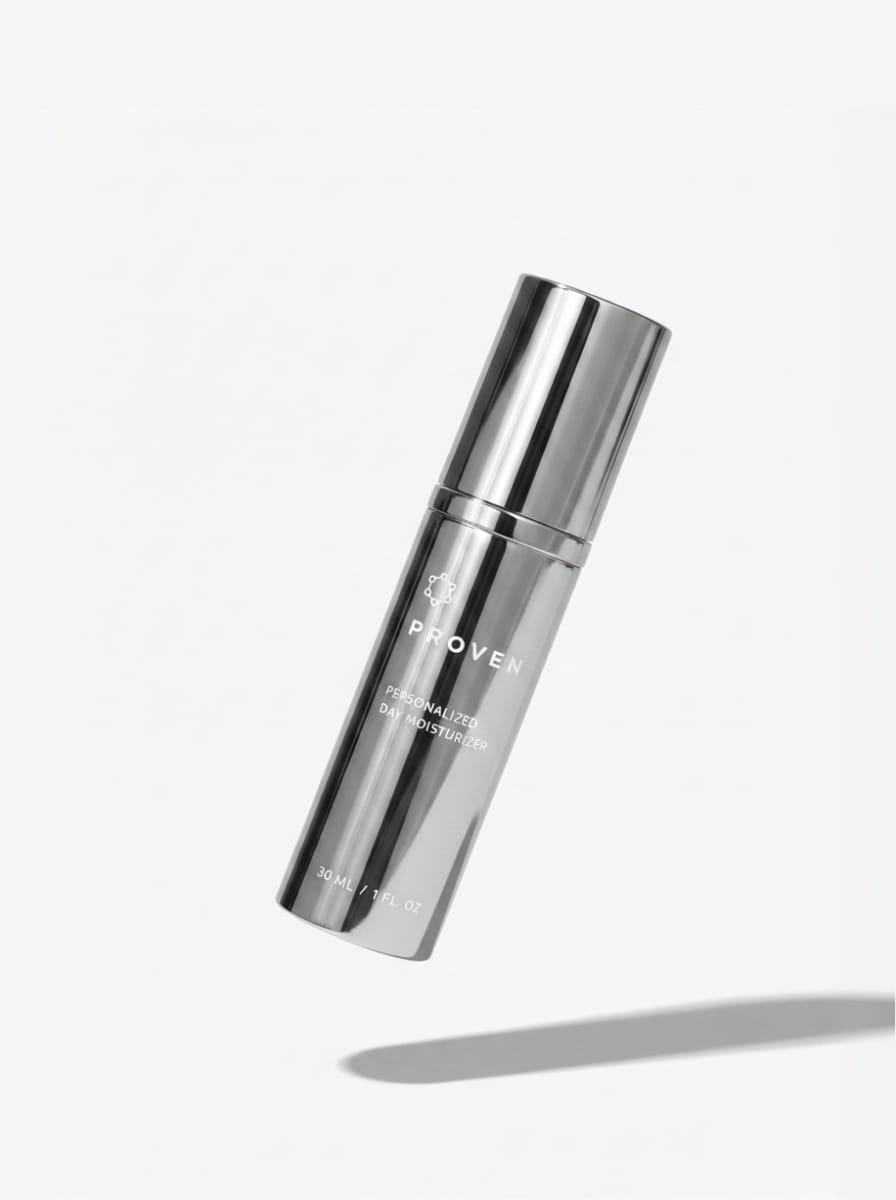
Lightweight daytime hydration — formulated for your skin.
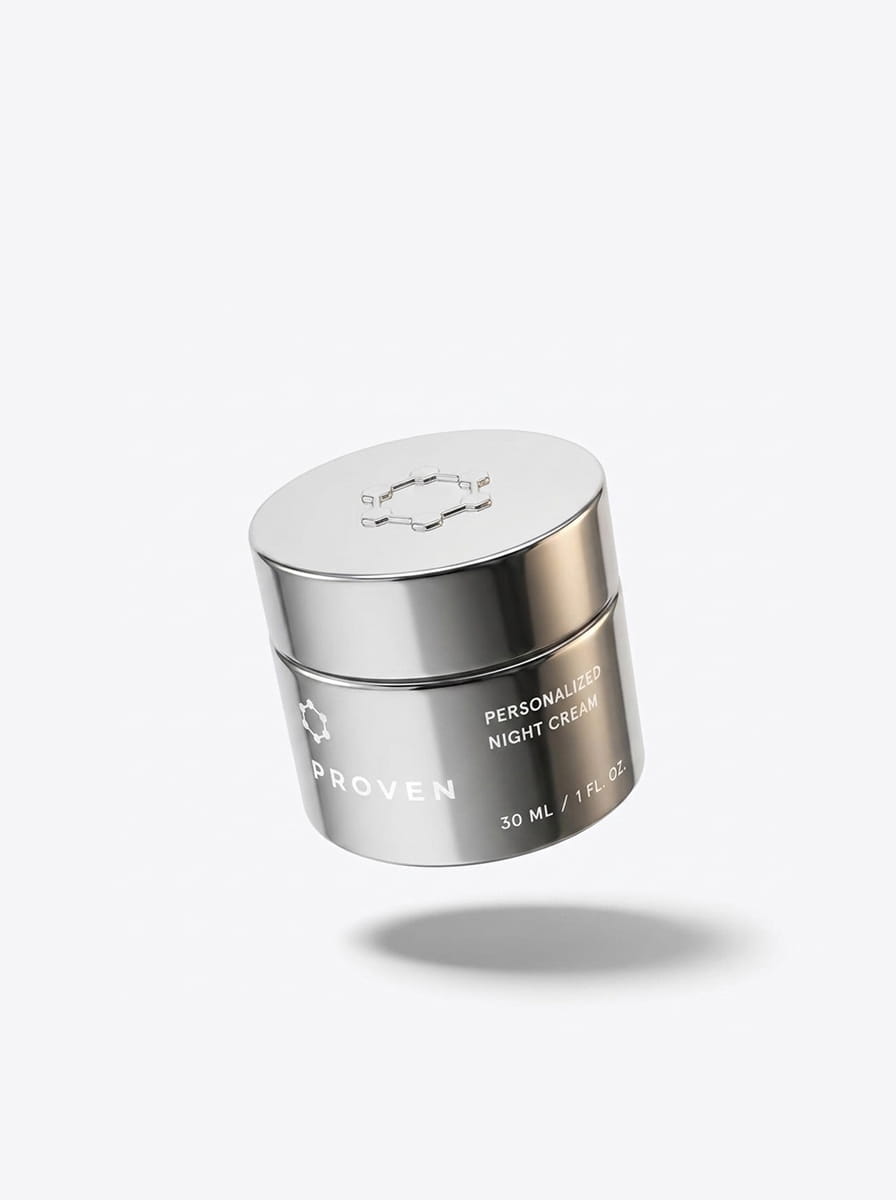
Overnight repair with the active ingredients your skin needs most.