

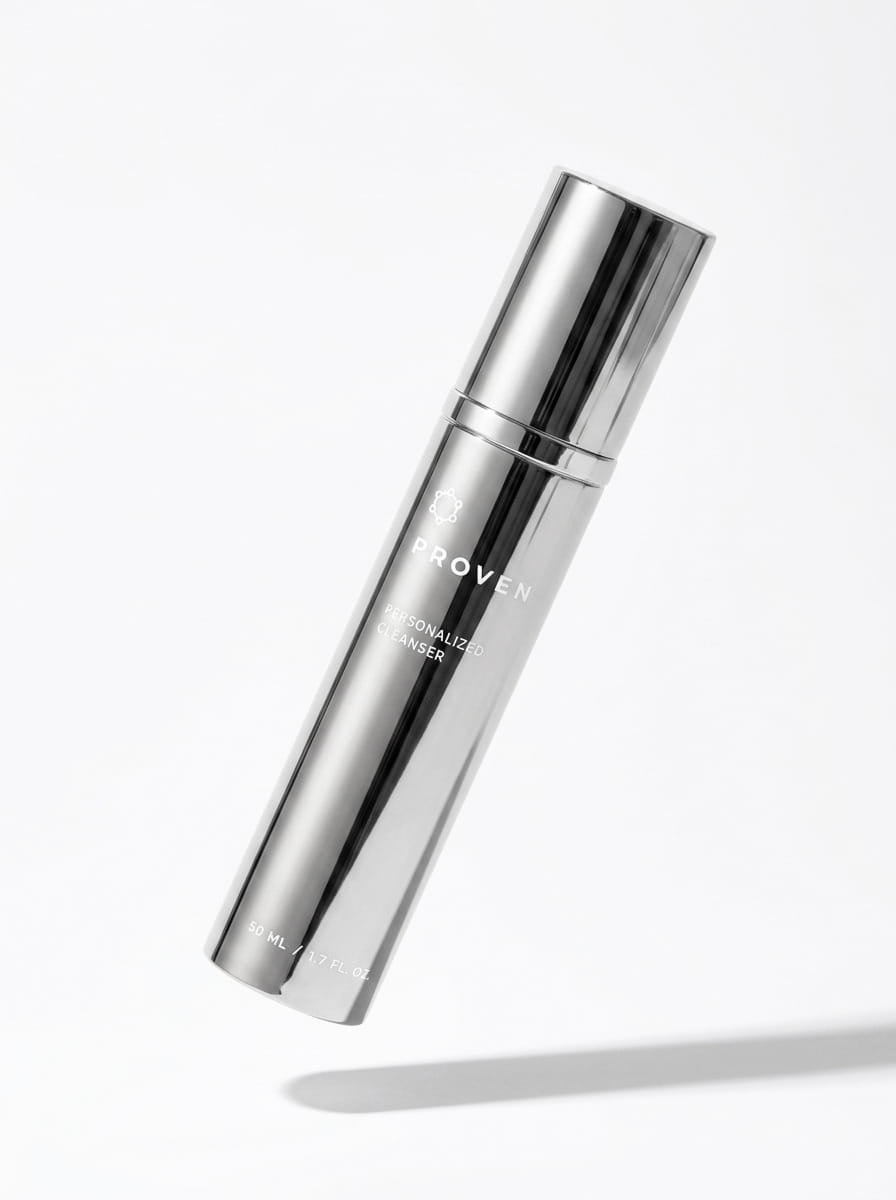
Personalized Cleanser
A gentle wash with exfoliating and toning properties — calibrated to your skin.
If you’re not already on the bandwagon, chances are you’ve at least heard a thing or two about the much-deliberated ingredient, retinol.
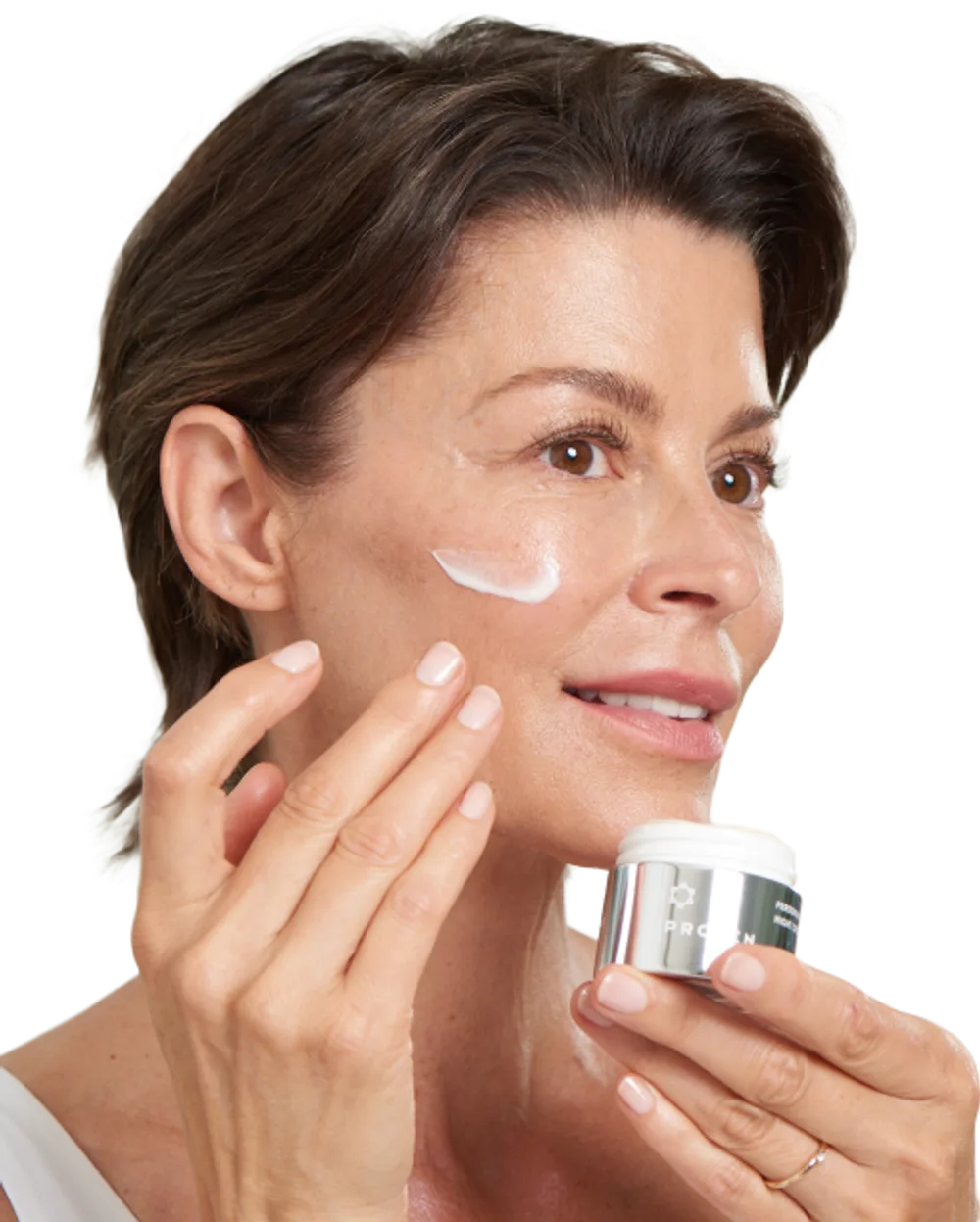
Retinol is a compound that belongs to the retinoid family of vitamin A derivatives, commonly found in skincare products. You can easily get your hands on over-the-counter non-prescription retinoids, such as retinyl palmitate, retinol, and retinaldehyde—or snag a stronger version by prescription, like tretinoin (Retin-A) or tazarotene (Tazorac).
All retinoids work by supercharging skin cell turnover, which can result in a variety of skin tone improvements, from diminishing hyperpigmentation and acne to boosting collagen production and softening fine lines and wrinkles. They are by far the most clinically studied and praised topical anti-aging ingredients out there.
How to Add Retinol Into Your Skincare Routine?
If you’ve heard that retinoids don’t make for the best night cream for sensitive skin, think again; it’s all about how you approach it. Retinol is one of the weaker retinoids available, which makes it a great first step for sensitive skin types or those who are just beginning their retinoid journey, as many retinoid products cause irritation when you first start using them. But according to studies, retinol cream works just as well as the stronger options, and although it may take a bit more time to show results on one's skin type, it does so without causing nearly as much peeling, dryness, redness, or breakouts during the acclimation period.
There are so many skincare ingredients out there that promise the world, but few of them come close to holding up their end of the deal like retinoids do. They are scientifically proven to increase collagen production levels, iron out deep wrinkles and lines, smooth out texture, improve elasticity, brighten dark spots, even out uneven skin tone, and even treat acne. Retinol, in particular, is both equally as effective and yet gentler than its prescription counterparts, so it’s a perfect starter retinoid.
So, you’re ready to dabble in some retinol. Here’s what you should keep in mind when using a retinol product:
1. Start Slow and Low
Retinol is a powerful antioxidant, so your skin type may not be able to tolerate a high dose on the daily when you’re just starting out. The best solution is to begin with a lower concentration of around 0.05 percent and build up from there. You may also find it best at first to only use it two or three times a week (you’ll still see improved results!), and then gradually climb to daily usage as your skin grows accustomed.
2. Beware of Possible Side Effects With Other Actives
Because retinol is apt to cause some sensitivity, you’ll want to be careful using other strong products alongside it. For example, harsh cleansers and alcohol-based toners can strip the natural oils that protect your skin from reacting too strongly to a potent newcomer like retinol. Face acids like glycolic or lactic acid can also amp up any skin irritation or dryness caused by retinol. And lastly, vitamin C serums don’t work well with retinol, mainly due to the fact that they can alter pH levels, rendering both ingredients less effective. It doesn’t mean you can’t use all of these things; it just means you’ll want to strategically schedule some for one day and some for another (or some for AM and some for PM).
3. The Sun Is Not Your Friend
As if it wasn’t the case already, retinol exacerbates this truth, which is why you’ll more often find retinol in a night eye cream rather than a day eye cream. Not only does retinol make skin more sensitive in the presence of sunshine, but it’s also less effective when exposed to UV rays. So, always store your products in a cool, dark place, and make sure to wear sunscreen and sunglasses when you’re outside.
4. Moisturize, and Moisturize Some More
To mitigate the irritation associated with retinol product usage, stay on top of that moisturizer. By speeding up cell turnover, retinol notoriously causes flaky, dry skin. You may find that your skin tolerates a cream retinol formula better than a gel formula—but either way, mixing it with a moisturizer (or sandwiching it between two layers of moisturizer) is an excellent way to ease into it without sacrificing efficacy.
5. Most Importantly, Listen to Your Skin
Rules are just rules. At the end of the day, knowing your skin is what matters, and the best retinol night cream is the right one for you. So, it’s a good idea to discuss options with a dermatologist if you’re not sure what’s ideal for your complexion. And remember, listening to your skin also means checking back in every now and then, too. What worked for you in the summer may not work for you in the winter. Or if you’ve moved to a new climate altogether, that can affect your skin’s relationship to the products you’re using, too, retinol included. Just know that many over-the-counter formulas take twelve weeks or so to show results, so plan to wait at least that long before committing to (or ditching!) a new product.
Testing out new products in hopes of a miracle gets old fast. With additional concern of skin irritation and more breakouts, the risk can outweigh the rewards. That’s where we come in to simplify your routine with three simple, yet effective products.
All you really need to restore your skin are a gentle cleanser, moisturizer, and night cream. PROVEN Skincare prioritizes powerful anti-aging ingredients – retinol, vitamin C, COQ10, and more – that’s custom-formulated based on your skin type.
Complete our Skin Genome Quiz™ to get started on your personal journey to healthy, glowing skin.
Built from 47 factors of your skin profile — a cleanser, day moisturizer, and night cream calibrated to you from the 3-step Skin Genome Quiz.
A gentle wash with exfoliating and toning properties — calibrated to your skin.
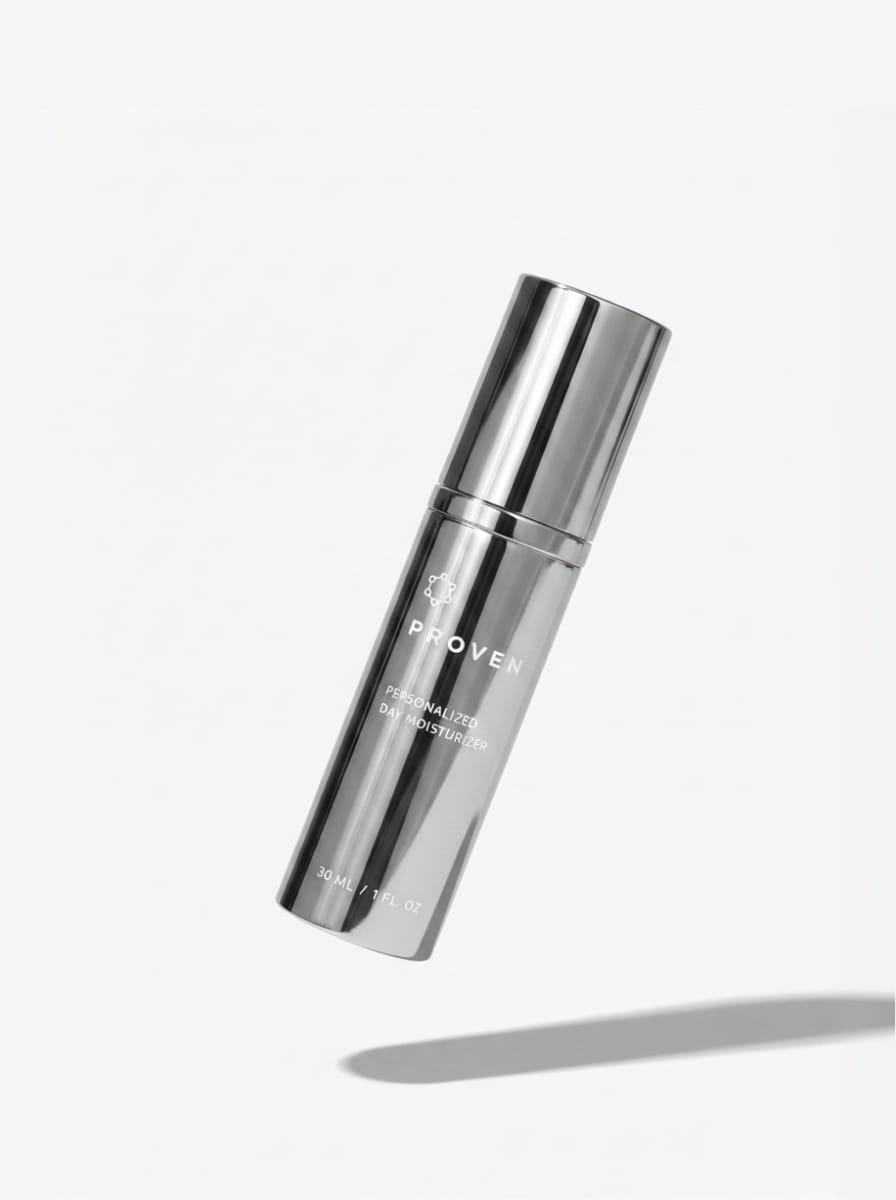
Lightweight daytime hydration — formulated for your skin.
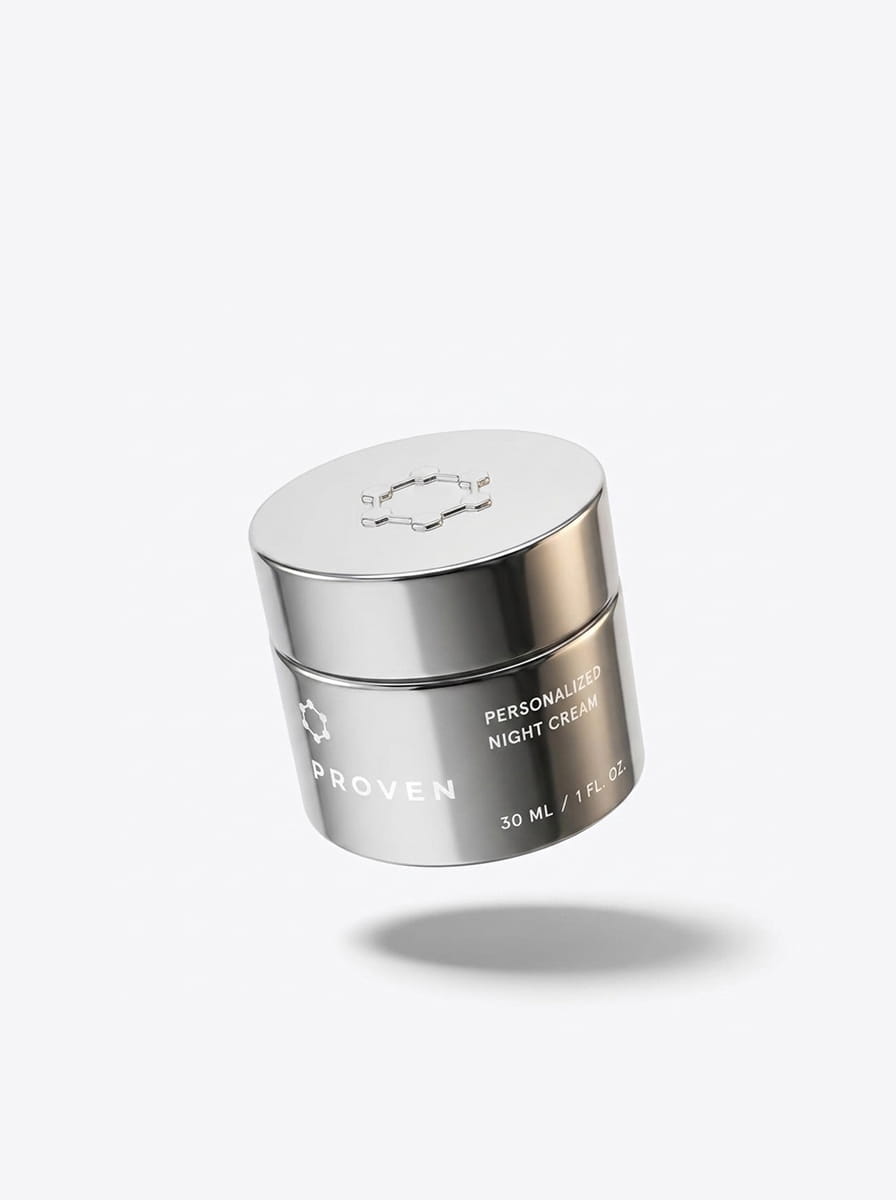
Overnight repair with the active ingredients your skin needs most.