

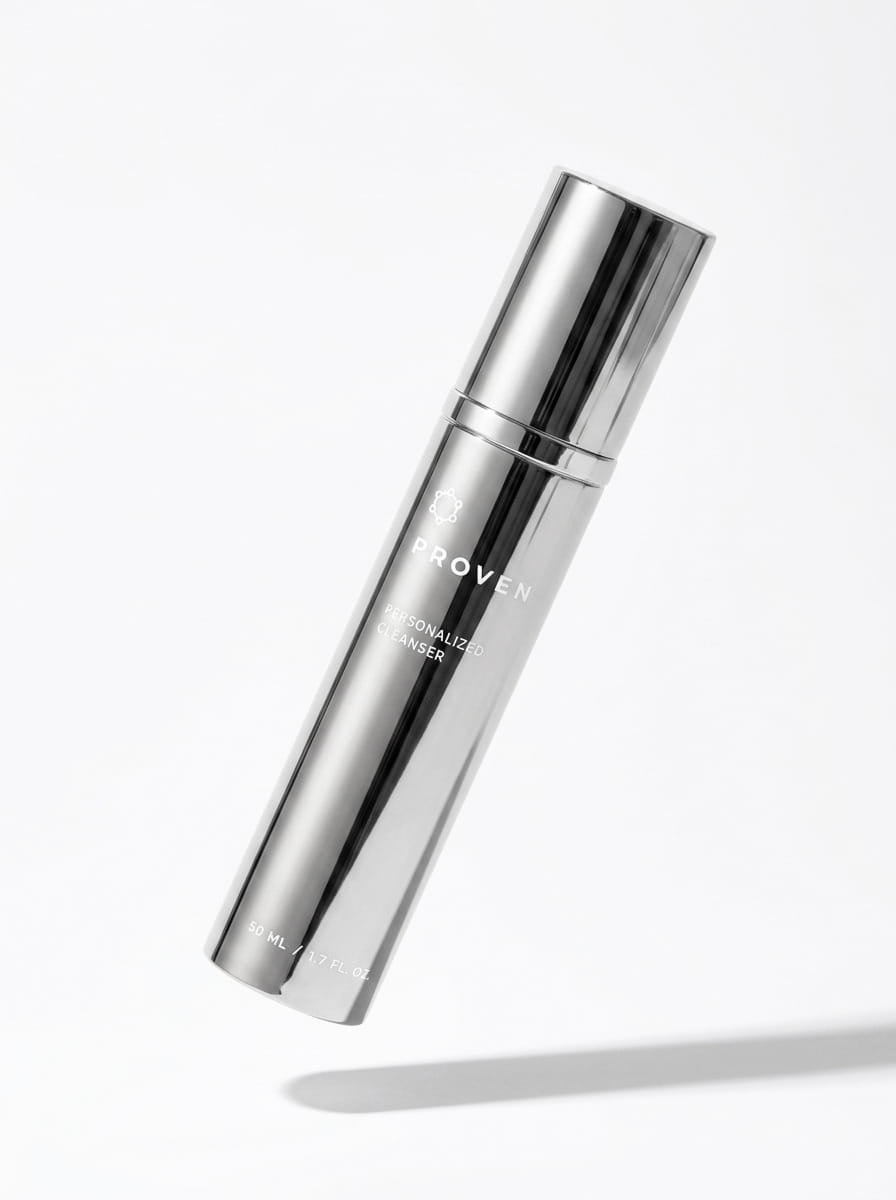
Personalized Cleanser
A gentle wash with exfoliating and toning properties — calibrated to your skin.
Did you know that our cheeks are one of the most common areas to get acne?
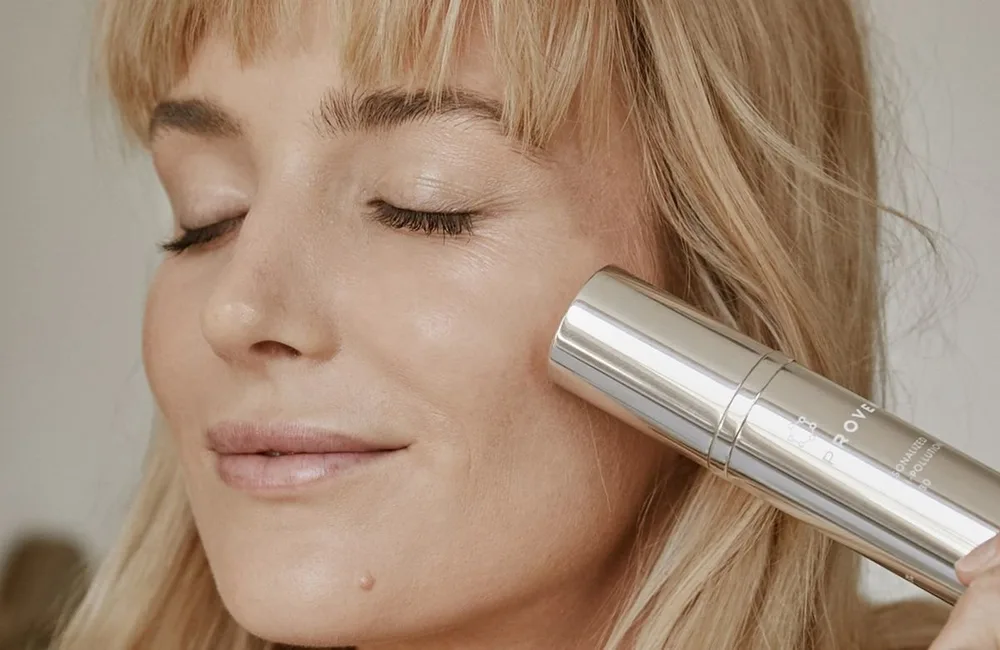
Fortunately, there are steps you can take to treat your cheek acne. Even better? By understanding what causes acne on cheeks, you can also take steps to prevent future adult acne breakouts and ensure you’re always putting a fresh, radiant face forward.
Luckily, you’re not the first to wonder what does acne on my cheeks mean, so there’s been plenty of research surrounding the subject. According to Ayurvedic face mapping, for instance, the location of your acne can indicate certain health concerns [1], like poor respiratory or digestive health [2].
However, there’s been little to no scientific evidence that supports those linkages. Instead, research has found that cheek acne is likely caused by [3]:
If you’re experiencing regular breakouts on your cheeks, your lifestyle choices and hygiene habits are most likely to blame. To that end, let’s take a look at what some of these lifestyle and hygiene habits may entail on severe acne-prone skin.
Unwashed Bed Linens
You sleep in your bed every night, and if you don’t practice proper hygiene, so does all the dirt and grime you’ve gathered on your oily skin throughout the day. This becomes a problem, particularly in terms of your pillowcase’s cleanliness.
If left unwashed for long periods of time, pillowcases can become a breeding ground for acne-causing bacteria. They can also harbor additional irritants that can clog pores and lead to overnight breakouts, such as [4]:
Friction-Causing Bed Linens
Who knew bed linens played such a huge role in cheek acne? Not only do they harbor bacteria, but depending on their texture, they can also cause acne mechanica, a type of acne that results from friction and pressure on your face [5].
If you sleep on your belly or side, constant pressure on your cheeks can irritate sensitive and acne-prone skin. Not to mention, rough-textured pillow cases can rub your face and exacerbate acne, while cotton pillowcases can trap heat, increasing sweat production and creating a breeding ground for more bacteria.
Dirty Makeup Brushes
Similar to your linens, makeup brushes can breed acne-causing bacteria. In more extreme cases, you can also experience a fungal infection, staph infection, E. coli infection, or a rash-ridden complexion if your skin is particularly sensitive to irritants that nestle within your brush’s bristles, like [6][7]:
Dirty Cell Phone
Think of all the places you put your phone: on bathroom counters, in dirty pockets, atop communal tables. You likely carry it with you everywhere you go, exposing it (and later, your face) to a number of unclean surfaces.
Your phone also comes into contact with your oily skin—another surface that can become less-than-clean throughout the day. Case in point: Have you ever taken your phone away from your face only to find it covered in an oily film? That’s called sebum, a substance produced by your face that, in excessive amounts, can cause acne [8].
More specifically, when combined with dead skin cells and dirt, excessive sebum can cause pimples or blackheads [9].
Touching or Picking at Your Face
It can be tempting to fuss with flaky skin, cystic acne, or pimples that seem ready to pop, but touching your face or picking at pimples can expose your skin to harmful irritants that may worsen your complexion. How?
Picture this: You’re headed to work, and along the way you press the elevator button, open the door to your 50-resident apartment building, and proceed to navigate subway turnstiles and grasp onto subway handles as you lurch through the city.
Once you arrive at your office, you immediately head to the bathroom, only to find a red pimple just begging to be popped. While the urge to deflate your pimple is strong, it must be avoided: Popping pimples can break your skin, opening the door for all that bacteria on your fingers to infect your skin.
Pimple-popping can also [10]:
Cleansers are perhaps the most essential tool when it comes to cheek acne treatment. To effectively, yet gently clear your cheek acne, you’ll want a facial cleanser that contains natural ingredients that not only cleanse, but also renew and protect your skin, such as:
Remember to cleanse your face every day (especially before you go to sleep), and to always cleanse after washing your hands to prevent any bacteria and germs on your fingers from coming into contact with your face.
When it comes to preventing cheek acne, the best defense will depend on what’s causing your cheek acne in particular. Based on the potential culprits above, consider the following preventative measures:
#1 Change Your Bed Linens Often
Regularly changing your pillowcase can significantly reduce the likelihood of acne breakouts on your cheeks. So, how often is “regularly”?
It’s recommended that you wash your pillowcases and bed linens at least once a week to avoid transferring a buildup of dirt and oil to your skin. If your acne is particularly bad, it may be necessary to change your pillowcase every day or every other day to keep your breakouts at bay.
Another way to keep your linens clean is to avoid getting into your bed while in your outdoor clothes or before you’ve showered. Aside from leaving you with a squeaky clean feeling every night, showering before bed can reduce the amount of dust and sweat that accumulates on your sheets.
#2 Choose the Right Sleep Position and Bed Linens
To prevent overnight cheek breakouts caused by irritating bed linens, consider changing your sleep position to your back to reduce your face’s contact with your pillowcase. You can also switch your pillowcase to a softer fabric, like satin, silk, or bamboo, to reduce moisture buildup and prevent friction [19].
#3 Keep Your Makeup Brushes Clean
To keep your makeup brushes irritant-free, rinse the tips of the bristles in semi-warm water after each use. Then, submerge the bristles completely in a bowl of water and brush cleaner (or clarifying shampoo) [20].
Swish the brushes in the mixture a few times to loosen deep residue, then rinse the brushes until your water runs clear and is makeup-free [21]. Once you’ve removed extra moisture, line your brushes on a bath towel so that they can dry flat.
#4 Sanitize Your Cell Phone Daily
We don’t often talk about sanitizing our cell phones, but given the amount of dirt, grime, and bacteria they can come into contact with daily, it’s an important step to take in preventing cheek acne.
You can sanitize your phone using soap, water, and a lint-free cloth, or with a wet wipe.
Persistent cheek acne can have a huge impact on your confidence and overall skin health. Fortunately, reducing your cheeks’ contact with impurities, like dirt and oil, and maintaining a regular cleansing routine to remove excess sebum, dead skin cells, and makeup, can prevent cheek breakouts and help keep your skin clear. And while most tips here can apply, it’s best to learn how to get rid of chin acne and how to get rid of forehead acne to target those areas specifically.
Another trick to preventing cheek acne, stress acne, and hormonal acne? Curating a daily skincare routine that meets your skin’s unique needs—and that’s where PROVEN can help.
By taking our quick skincare quiz, our expert team can design a personalized skincare set for you based on your skincare needs, challenges, and goals. We can also pair your cleanser with a daily moisturizer with SPF and a personalized night cream to help reduce hyperpigmentation caused by previous breakouts, restore elasticity, and protect your skin from damaging irritants, such as environmental pollution and UV rays.
Take our skin quiz today to discover your personalized skincare routine and acne treatment and start your journey toward healthy, smooth, and radiant skin.
Built from 47 factors of your skin profile — a cleanser, day moisturizer, and night cream calibrated to you from the 3-step Skin Genome Quiz.
A gentle wash with exfoliating and toning properties — calibrated to your skin.
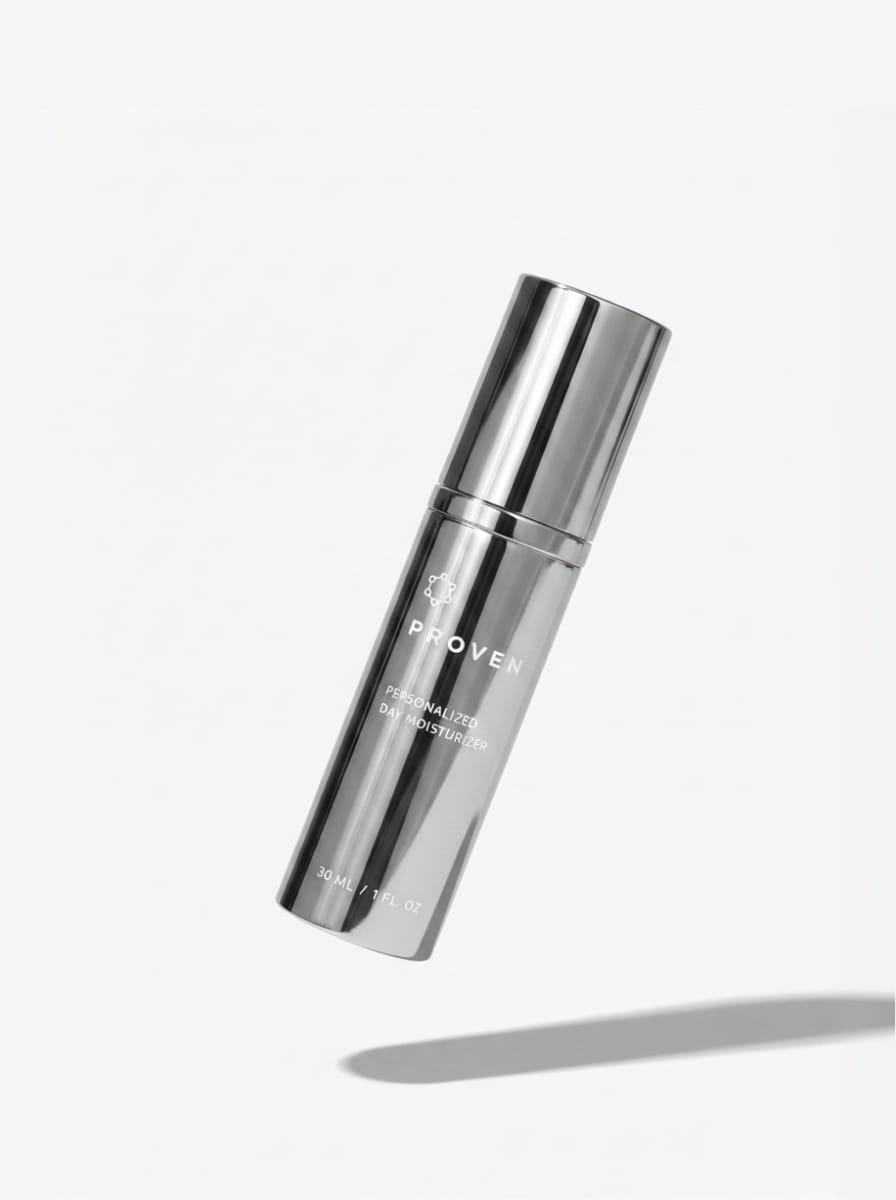
Lightweight daytime hydration — formulated for your skin.
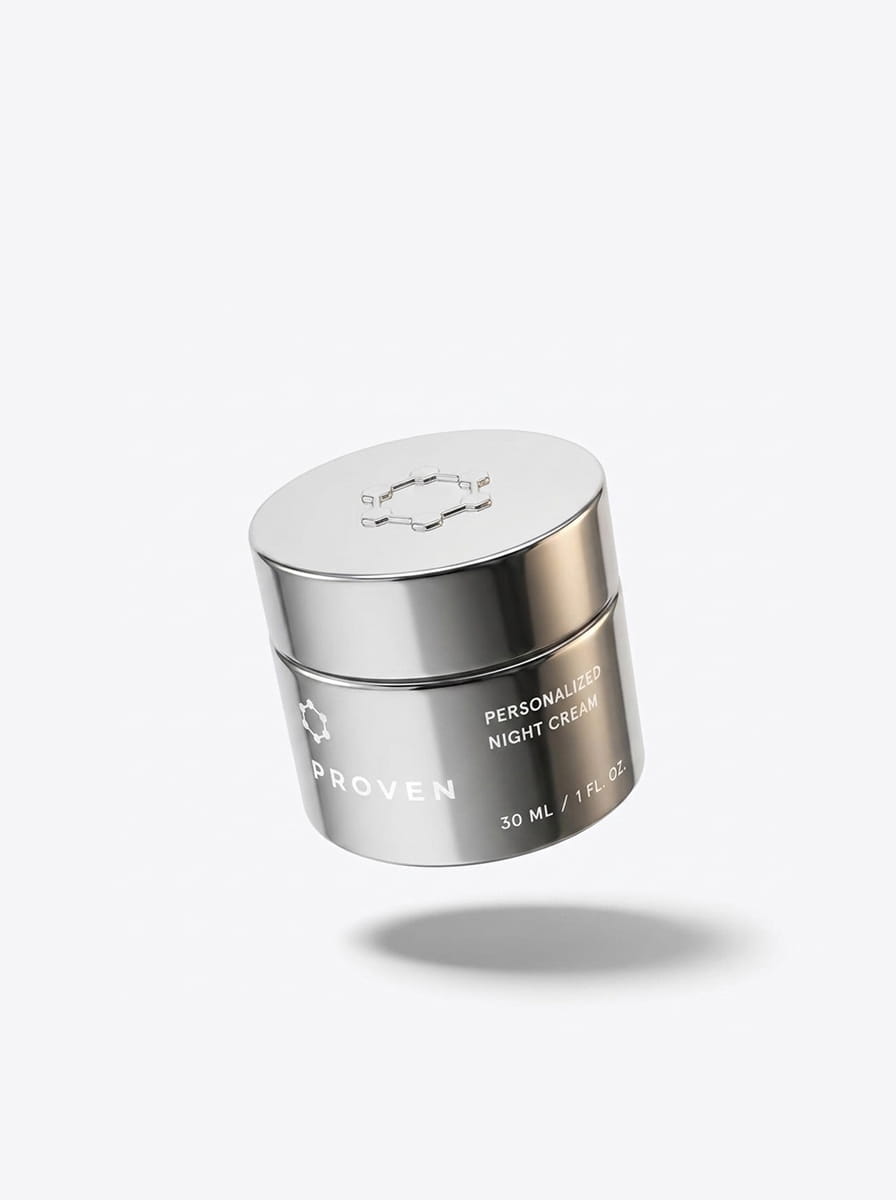
Overnight repair with the active ingredients your skin needs most.