

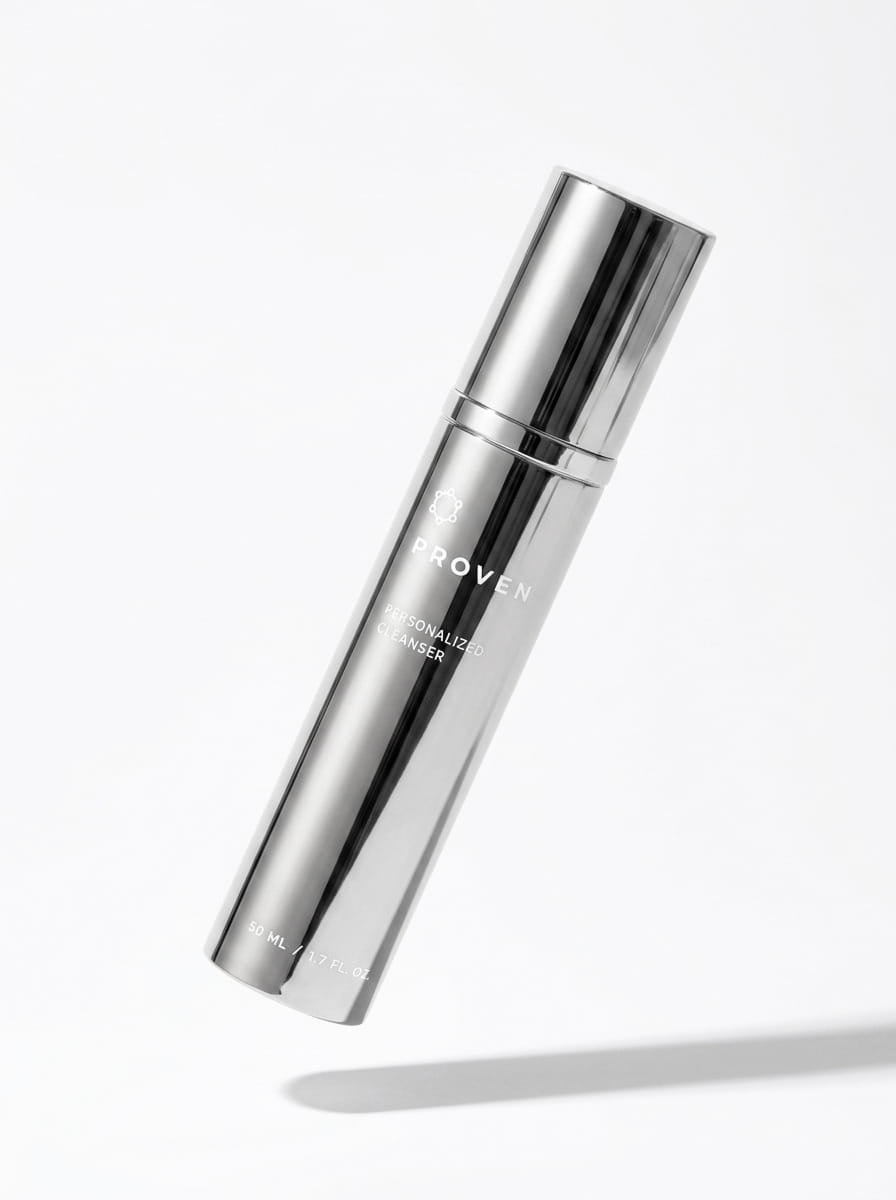
Personalized Cleanser
A gentle wash with exfoliating and toning properties — calibrated to your skin.
Waking up with a new constellation of acne on your forehead each day can be perplexing.
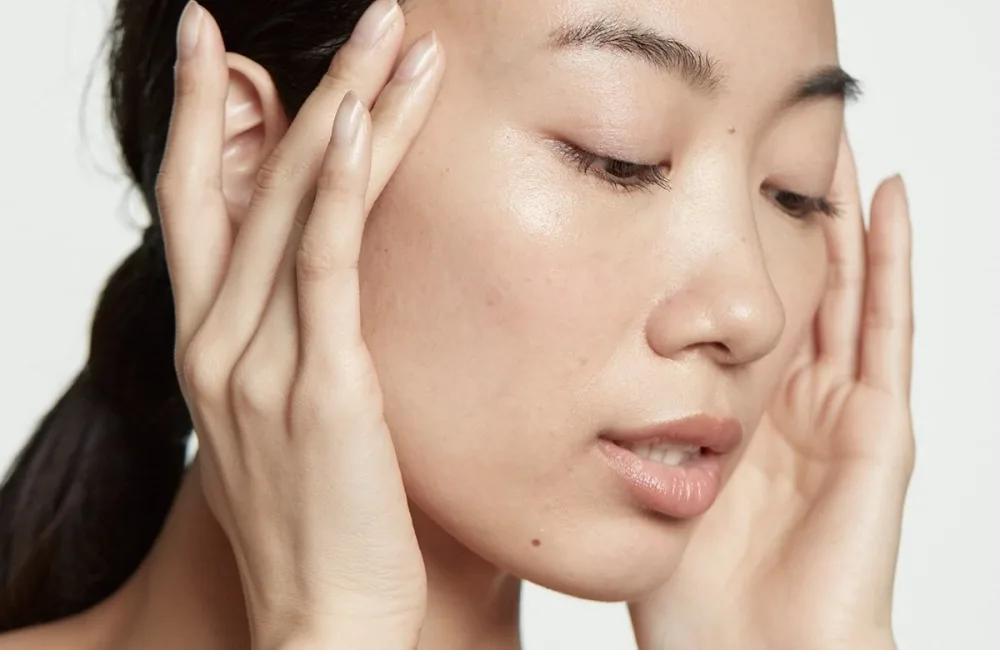
But, like any other skincare issue, the solution to getting rid of forehead acne isn’t about maximizing the number of different methods you try. Instead, it’s about focusing on four key steps:
While some of the steps above might be simple, resolving forehead acne isn’t always easy. Let’s detail each phase and explore some expert tips to help you find your perfect skincare solution.
Not all forehead acne is created equal—the first step to resolving your acne and uncovering smooth, clear skin is identifying your acne type.
As you try to classify your acne, focus on two major characteristics: severity and acne breakout type.
Dermatologists generally use four categories to describe acne breakout severity [1]:
No matter the severity of your forehead pimples, your skin may develop a variety of different blemishes (maybe even all four of the types below) [2]:
Identifying your acne type can help you proceed with the rest of your forehead acne resolution process—pinpointing triggers, choosing the right products, and monitoring your progress after implementing solutions.
What causes forehead acne? Is it excess oil, dead skin cells, or clogged pores? The answer is different for everyone. Luckily, you can often identify potential acne triggers—specific circumstances that usually lead to breakouts, many of which may be unique to your body.
Let’s explore some common forehead acne triggers and break down some tips for each one.
Clothing items worn on the head or face can irritate the skin or trap oils, dead skin cells, and dirt in pores and follicles, leading to breakouts [3]. If you have forehead acne, consider if one of the following clothing items might be irritating your skin:
But, just because a clothing item might be triggering your forehead acne, you don’t have to stop wearing it forever. Instead of ditching your headwear, make sure to throw fabric items into the washing machine after each wear or wipe down items you can’t wash with an alcohol wipe after wearing them to remove excess oil.
Hair products are another common culprit of forehead acne and even adult acne [4]. This is usually true for two reasons:
Luckily, hair product triggers are easy to identify: if you stop using the product and your forehead acne fades, you may have discovered the culprit. But, like hats, you don’t have to give up hair products if they cause forehead acne. Consider:
Even skincare devotees can develop forehead acne—and cosmetic products can be a common trigger. If you’re a makeup artist in the making (or just like to get glammed up now and then), our experts recommend:
Hormonal Changes
Hormones serve as chemical messengers within your body, delivering important messages to keep everything functioning the way it should. And though they’re a necessary part of being alive, dermatological researchers have connected a variety of hormones to potential acne development [6]:
Since there are so many hormones associated with acne growth, changes to your hormone balance can impact your forehead acne development. For instance, you might experience forehead acne if:
You might also notice forehead breakouts during your menstrual cycle as a result of changes in oil production.
Hormonal acne is complex. If you suspect hormonal changes are to blame for any skin condition, you may wish to make an appointment with a dermatologist to discuss treatment options.
Routine Changes
Does your acne flare up on vacation? What about during finals week [8]? Are you suddenly breaking out after adding an exercise regimen to your daily routine [9]?
Dermatologists and medical researchers pose that your lifestyle and everyday routine changes can cause breakouts or change the severity of existing acne.
One potential reason is that changes to your lifestyle can cascade: If you’re traveling, for instance, you might slip out of your typical skincare routine because your associated rituals (like waking up or going to sleep at a certain time) are on hold.
While changes to your routine are unavoidable when you’re traveling or stressed, try to keep up with your skincare routine as consistently as possible. Maintaining a simple skincare set routine for oily skin or acne-prone skin can help.
Dietary Triggers
The relationship between diet and acne development is complicated, and researchers still don’t completely understand how food intake impacts skin health [10]. While a lot of what we know is rooted in anecdotal evidence, there could be a connection between your diet and your forehead acne.
Suppose you’ve tried numerous treatments and are consistent with your skincare routine. In that case, it might be time to talk to your healthcare providers about an elimination diet—a plan designed to help you identify food allergies or sensitivities [11]. Consider the following common triggers:
Your provider can conduct food sensitivity tests, help you craft a nutrition plan, and monitor your results. However, it is important to note that eliminating certain foods from your diet won’t fully clear acne. While you nourish your body from within, consider other skin treatment options to target surface-level breakouts.
Identifying potential triggers is critical to learning how to get rid of forehead acne. Another crucial component is your skincare routine—the activities you do and products you use to maintain healthy, clear skin.
Let’s break down two key considerations for people with forehead acne: choosing the right products and focusing on consistency in their routine.
Choose the Right Skincare Products
There are countless skincare products in today’s market. The most important consideration when choosing your products is what active ingredient each product contains.
People with acne-prone skin can benefit from digging deeper into the active ingredients in their skincare routine. For instance, if you’re trying to find a new facial cleanser, read more about what the ingredients in your formula actually do.
We recommend:
Identifying the right ingredients for your skin can still take some trial and error when you’re doing it all yourself. At PROVEN, we take the guesswork out of personalized skincare—after you take our Skin Health Quiz, we’ll develop a formula made just for you.
Focus on Consistency
People with acne have to take extra care to prevent breakouts and maintain healthy, bright skin. Once you develop a skincare routine that tackles your forehead acne, you’ll need to stay consistent in order to prevent breakouts long-term.
Here are some tips that can help you stick to your skincare routine:
Set a reminder alarm on your phone for the same time every day
While you perfect your skincare routine, you might hope to see results from a new product or care step right away—but forehead acne usually won’t disappear overnight.
As you test out new routines (like adding a night cream), try to be patient while you wait for results. It can take anywhere from a few weeks to a few months for new treatments to take effect [12].
To help you stay on track, consider documenting your journey in the following ways:
Change can take time—but your skin is worth it.
Forehead acne can be stubborn, annoying, or even painful. By identifying your specific acne type, finding out what triggers breakouts, creating a personalized skincare routine, and giving your treatments time to work, you can knock out your forehead acne and improve your overall skin health.
At PROVEN, we understand how personal skincare can be. That’s why we develop personalized products for all of our patients. Scientific data, dermatological research, and your personal skin health history back our formulas and active ingredient combinations.
Whether you’re looking for a daily moisturizer with SPF or a three-step skin system to help you manage forehead acne, PROVEN can help you unlock your best skin yet.
Built from 47 factors of your skin profile — a cleanser, day moisturizer, and night cream calibrated to you from the 3-step Skin Genome Quiz.
A gentle wash with exfoliating and toning properties — calibrated to your skin.
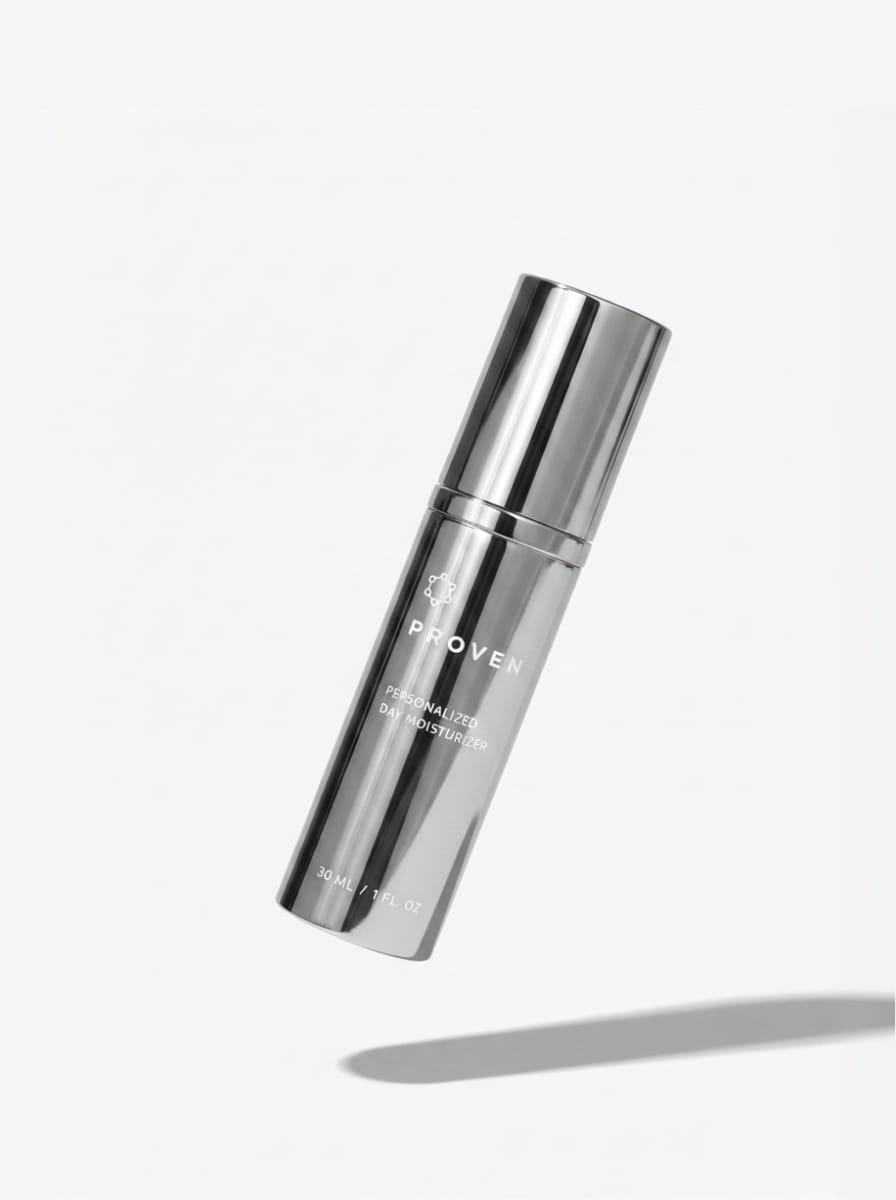
Lightweight daytime hydration — formulated for your skin.
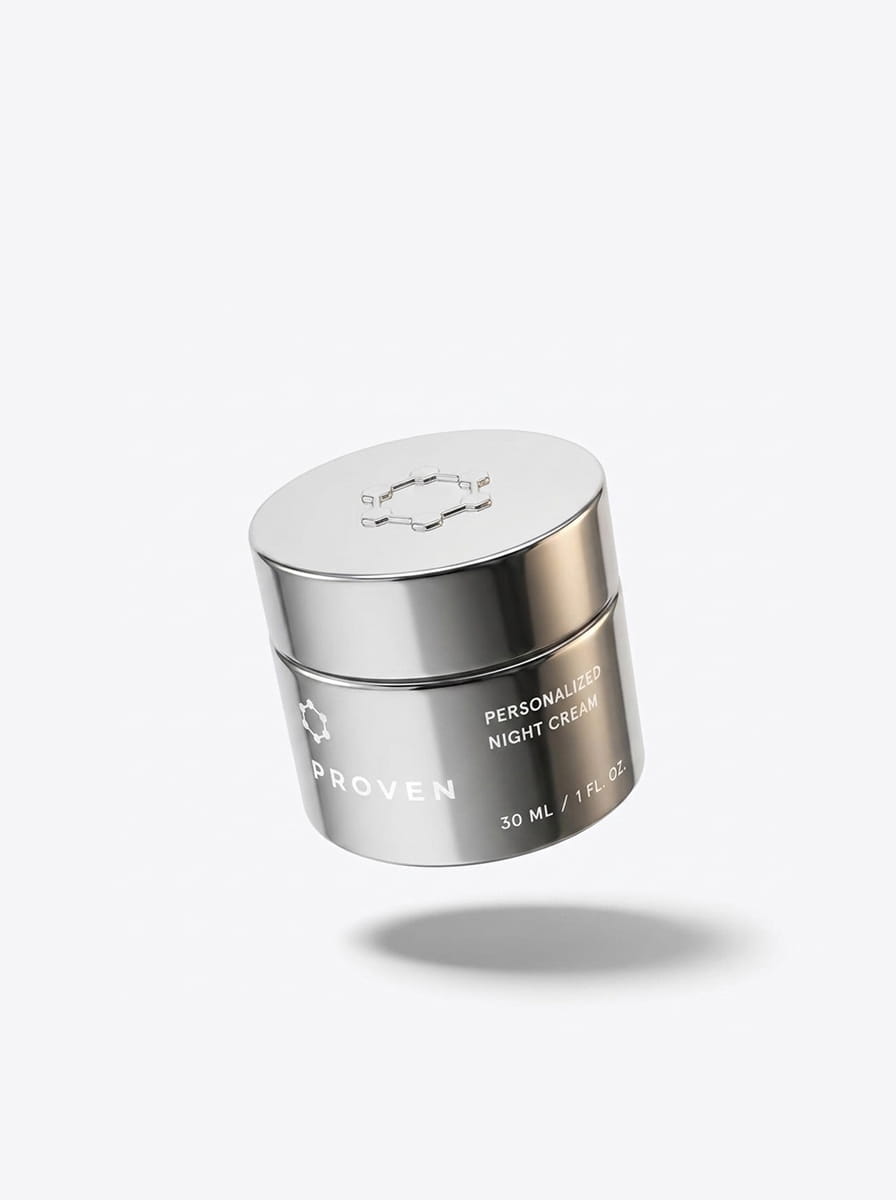
Overnight repair with the active ingredients your skin needs most.