

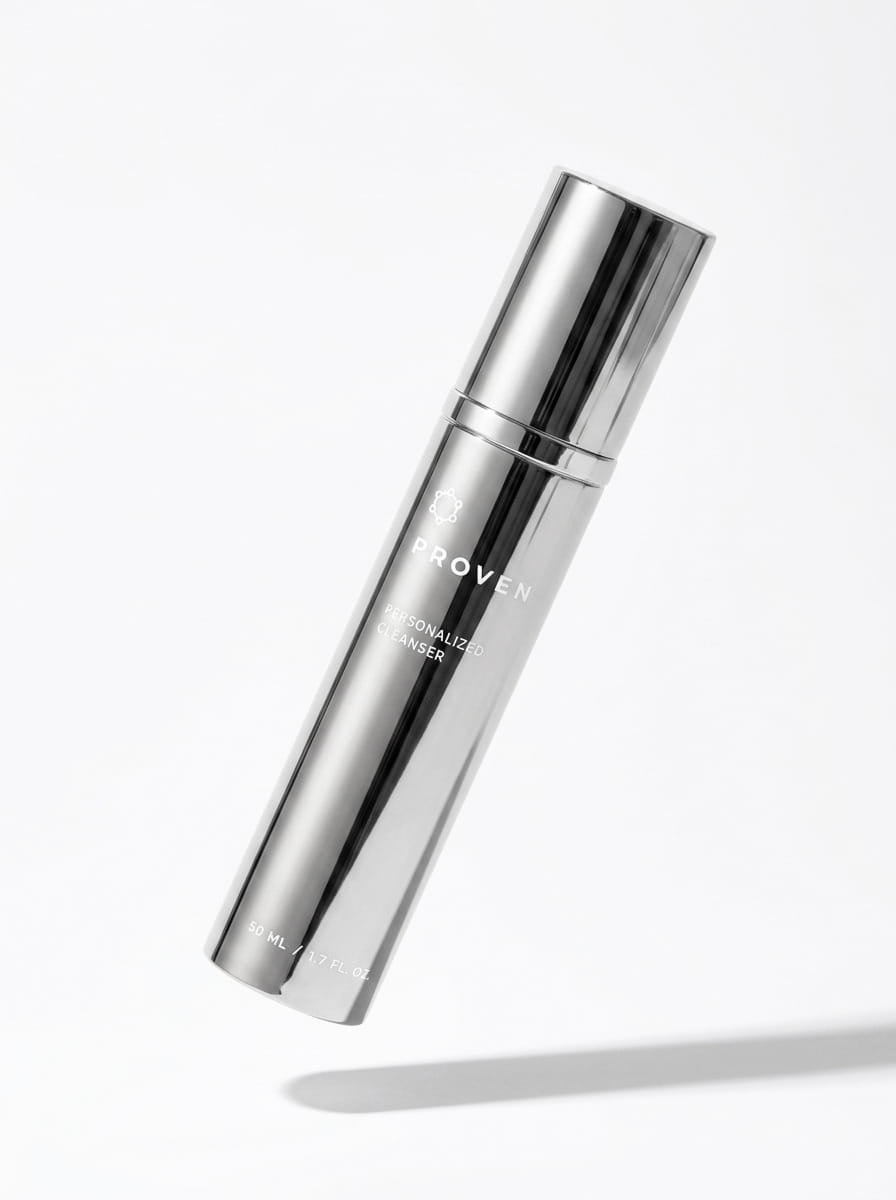
Personalized Cleanser
A gentle wash with exfoliating and toning properties — calibrated to your skin.
Take a quiz. We analyze your factors and build a formula made for you alone.
Noticing more than just a chin pimple? Find a few red, achy bumps on your chin and not sure what’s causing them? You might take comfort in knowing that you’re not alone.
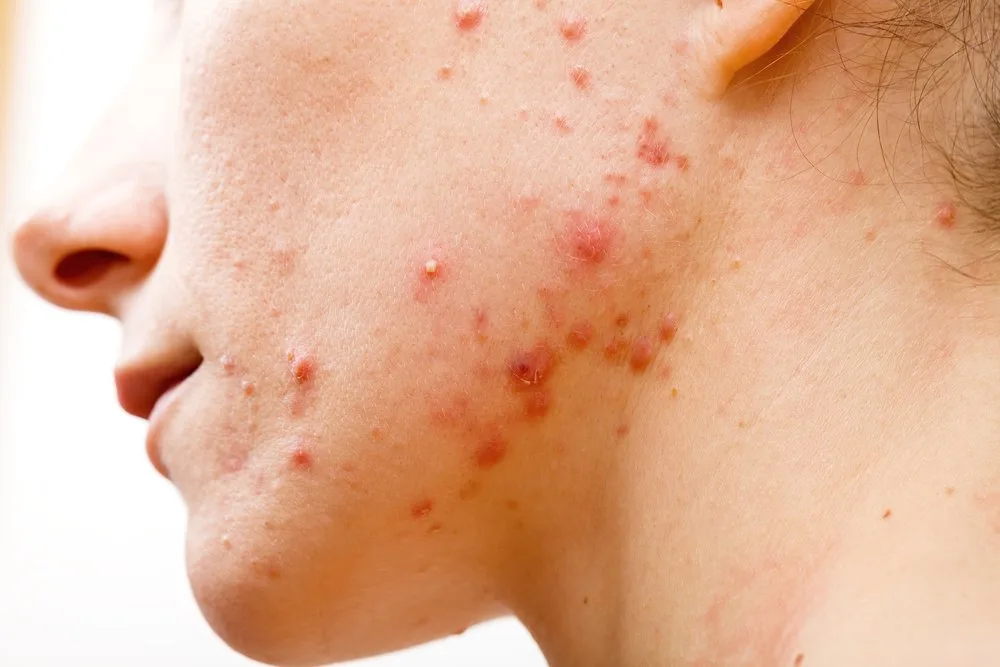
But we get it—you’ll likely find even more comfort in knowing what factors are behind your chin acne (or, rather, underneath it), and how to clear chin pimples for good.
In this guide, we’ll dive deep into the underlying causes of chin acne and how to get rid of it by looking at a few helpful ingredients and strategies to add to your skincare toolkit.
As the largest organ of the human body, your skin is a complex system with a hefty daily to-do list. The cause of chin acne, and even hormonal acne or cystic acne, isn’t so black-and-white. Often, more than one factor mingles with another to trigger the presence of comedones, or pimples, that can show up on your chin uninvited.
Primary Causes of Chin Acne
The factors that contribute to chin pimples are very much interlinked, with one factor feeding into another, blurring the lines of root causes. However, at the core, three factors are usually involved in cases of chin acne [2]:
Hormonal Imbalances
The chief suspect behind most chin-dwelling acne is an imbalance of hormones. It’s the reason many people experience chin pimples and acne flare-ups during puberty: As hormone levels fluctuate, they can influence our acne-prone skin.
A few of the most notable hormones that can affect your skin include [3]:
Hormones are one of the primary bodily elements that control your skin’s sebum, or oil, production. When these hormones are in harmonious balance, sebum levels follow suit—giving you a moisturized, blemish-free appearance.
However, when these hormones are out of balance, the surplus of one or the absence of another can cause your skin to overcompensate, resulting in acne-prone skin due to overproduction of oil that clogs pores and prevents skin from cleaning or healing.
Although puberty is famously known as a time of acne flare-ups, in fact, hormones like these fluctuate throughout our entire lives [4]. Major life stages cause the most amount of hormonal changes that often causes an adult acne breakout.
You might find that you develop more chin or other facial blemishes and skin irritation during [5]:
Bacteria Build-Up
The second most common cause of chin acne is an increase of bacteria on the chin or other areas of the face. When bacteria congregate on the face, it clogs pores. When pores clog, they cannot perform their essential function of keeping the skin clean and the body protected from external elements.
Excess levels of sebum can clog pores, but other elements like these can, too:
Here’s an example of causal factors of chin acne being interlinked: When hormones in the body are out of balance—for example, the body carrying excess androgens—your skin produces more sebum. And with too much sebum comes (you guessed it) clogged pores.
Diet and Gut Health
Finally, there’s the newest potential cause on research’s horizon: certain foods and bacteria in your gut that can trigger acne on the chin. Studies in recent years have examined the relationship between certain kinds of dairy products and acne, as well as the effects of high-glycemic foods on the skin.
While studies in the dairy sector have been less conclusive, there is some evidence to suggest that dairy products—especially milk that receives added hormones during production—might be more likely to cause acne [6]. These added hormones can compact with those in your body and throw a healthy balance off-kilter.
Other studies have shown that high-glycemic foods like sugar, white bread, and white rice may contribute to acne on the chin. That’s because of the foods’ ability to spike insulin levels, which in turn, trigger sebum overproduction. In one study, participants who ate a low-glycemic diet for 10 weeks saw an improved complexion, reduced inflammation, and smaller pores [7].
Luckily, there’s science behind fruits that help with acne to heal your body from within.
More text added to the html
On your quest to rid your chin of acne, redness, and inflammation, there are a few experienced ingredients up for the task. Each of these contains components that help to either remove bacteria, unclog pores, balance sebum levels, or all of the above.
To help clear chin acne, equip your skin care toolkit with products containing:
#1 Vitamin D
As it turns out, the vitamin prevalent in fish, eggs, and good old fashioned sunshine proves to be intrinsically linked with the presence or lack of acne on the skin [8].
In fact, several studies have examined the strong relationship between vitamin D and acne on the skin, finding that where acne is present, vitamin D is not—and where vitamin D is present, acne is considerably less so [9].
One of the reasons contributing to this relationship is vitamin D’s regulation of the skin’s sebum production. So in times of hormonal fluctuation or when the pores become bogged down with debris, Vitamin D can help stop acne before it starts. That said, more research is needed on the benefits of incorporating topical vitamin D into an acne-fighting regimen.
#2 Azelaic Acid
This naturally occurring acid is a powerhouse against acne that you may not have heard of before. It’s found in organic grains like wheat and barley, and as it turns out, it works wonders on chin acne.
This is because azelaic acid contains antibacterial and anti-inflammatory properties that go to work against bacteria-driven breakouts. But the ingredient is also extremely gentle on the skin, so it cleans without irritating. In fact, the acid not only carefully breaks down bacteria in your pores and wipes them away, but it can even clear existing acne scars on its way out [10].
#3 Retinol
This ingredient you might’ve heard about—and for good reason. Retinol is a multi-beneficial ingredient for the skin, as it [11]:
It can also help exfoliate the skin to remove dead skin cells and debris that can’t be scrubbed away with a cleanser alone. So, for a chin that has seen more than a few breakouts, it can lay the foundation for a healthier, cleaner epidermis.
In addition to finding products that supply plenty of the ingredients above, it’s also important to take care of your skin with the right strategies. While more cystic acne may require a trip to the dermatologist for severe acne treatment, many cases can be cleared with a convenient daily trip to your bathroom sink. You can even learn how to shrink a cystic pimple overnight on your own as long as you follow the proper steps.
To that end, considering following these steps to help clear your chin acne:
Formulate a skin routine catered to you – Every skin (and every chin) is different, meaning every skincare routine should be uniquely formulated for each individual. Whether you’re donning more sensitive skin, rosacea redness, or a complex combination, arm your skincare supply with bespoke products.
It’s important to note that while some steps here are applicable, it’s best to learn the specifics of each area if you want to know how to get rid of forehead acne, cheek acne, or nose acne.
The skin is complex, and the causes of chin acne might feel even more so. But the solution doesn’t have to be severe acne treatment. You just need to treat your skin with products that contain natural ingredients designed for your unique skin conditions—from chin acne to excess oil. And that’s exactly what the PROVEN 3-step system does.
Following a quick skincare quiz, our expert team assesses your skin concerns, needs, and goals, then creates a skincare routine designed specifically for your one-of-a-kind skin biome.
With scientifically-proven and pronounceable ingredients, our products can effectively cleanse your pores, replenish your skin, and leave you feeling confident.
Take our skin quiz today to get started.
Built from 47 factors of your skin profile — a cleanser, day moisturizer, and night cream calibrated to you from the 3-step Skin Genome Quiz.
A gentle wash with exfoliating and toning properties — calibrated to your skin.
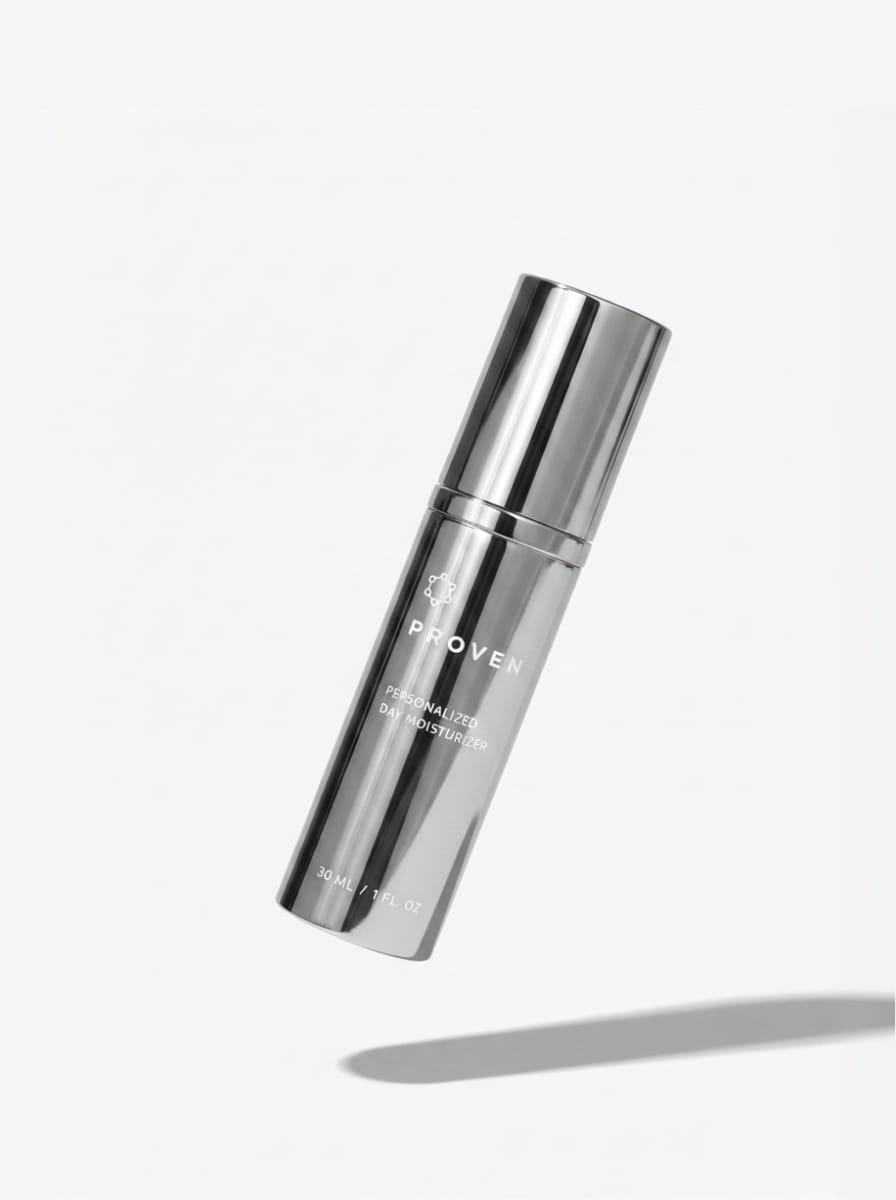
Lightweight daytime hydration — formulated for your skin.
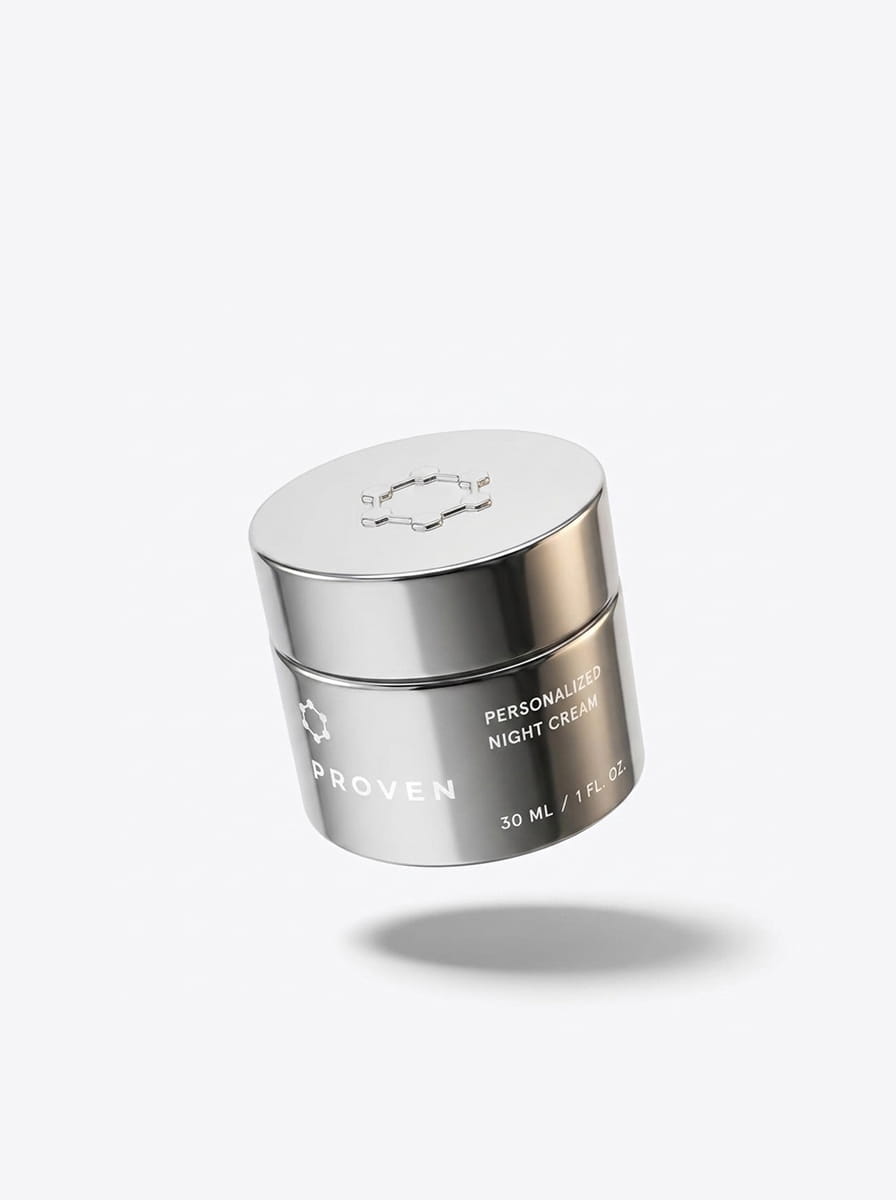
Overnight repair with the active ingredients your skin needs most.