

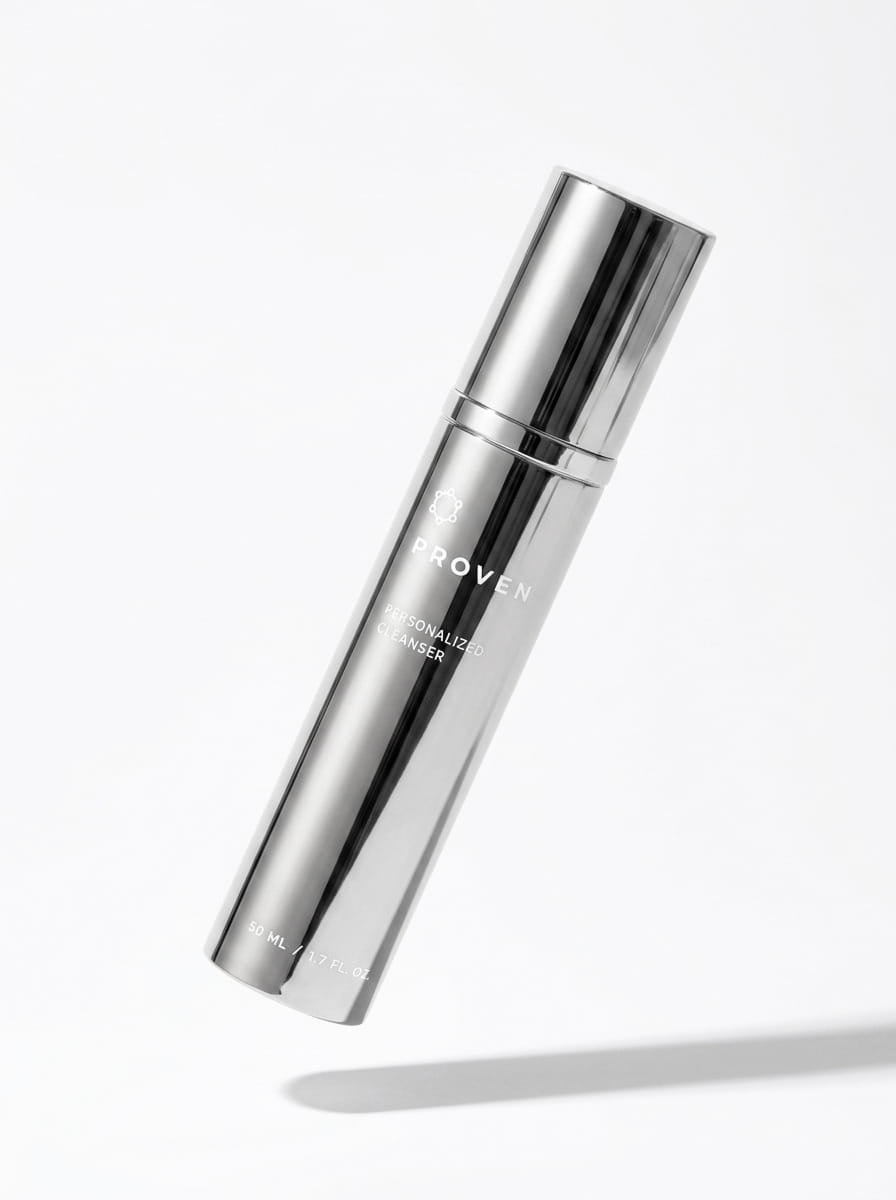
Personalized Cleanser
A gentle wash with exfoliating and toning properties — calibrated to your skin.
Our bodies require a complex combination of vitamins and minerals to keep systems running smoothly.

By pairing vitamin-rich skincare products with a diet rich in the same skin-saving nutrients, you can give your skin a beneficial boost from the inside out.
Curious to learn which vitamins best promote a bright and even complexion? Keep reading to discover our top five vitamins for preventing and treating dark spots, discoloration, and other skin conditions.
From thickening skin layers and smoothing lines to promoting suppleness and skin elasticity, Vitamin A is known among skincare experts as a supernutrient for maintaining youthful skin. This is because Vitamin A is found in two different forms—retinoids and carotenoids—both of which play a huge role in our skin’s health [1].
In particular, retinoids can help diminish the appearance of dark spots and discoloration by speeding up cell turnover, encouraging your skin to shed dead skin cells to make room for new, more even dermal layers [2].
Carotenoids play a role in evening skin tone as well. By protecting your skin from the effects of UV radiation, carotenoids can help you prevent dark spots and discoloration due to sun damage, allowing you to maintain a balanced, healthy glow [3].
Vitamin A’s superpowers don’t come unchecked, though—when used topically, it’s best to start slowly to minimize skin discomfort. It’s also recommended you apply a daily moisturizer with SPF when using retinol-based products as they increase your skin’s sensitivity to UV radiation.
Ways To Take Vitamin A
Retinoids (the preformed type of Vitamin A) are found in meat and dairy products, while carotenoids (the provitamin type of Vitamin A) are found in plant-based foods. Top sources of Vitamin A you can add to your diet include [4]:
You can also take Vitamin A in supplement form—however, since it’s fat soluble, you’ll receive the best outcome by taking the supplement alongside a meal.
Vitamin A can also be found in a topical skincare product. Proven’s personalized night cream can increase your intake of Vitamin A topically, but take our Skin Health Quiz first to determine if it’s the right ingredient for you.
Also known as niacinamide, Vitamin B3 is just one of many B-complex vitamins that benefit our body—and B3, in particular, may be especially beneficial for our skin.
Research has found that niacinamide can work to diminish the appearance of dark spots. In fact, clinical studies have shown significant decreases to hyperpigmentation after 4 weeks of using a sunscreen containing 2% of the compound [5].
But this isn’t the only skin health benefit of this B vitamin. Research has found that Vitamin B3 can also help [6]:
Ways To Take Vitamin B
Like most other B vitamins, B3 is water-soluble and not stored in our bodies, meaning we need to rely on diet for daily intake [7]. Top sources for Vitamin B3 include [8]:
As an effective ingredient in skincare products, Vitamin B3 can be found in its biologically active forms: niacinamide or nicotinic acid amide.
Vitamin C is an antioxidant-packed powerhouse that, alongside a slew of other health benefits, can help brighten your skin to achieve a balanced and youthful glow.
This is due in part to the essential role it plays in your body’s natural collagen production, allowing your skin to maintain suppleness and skin elasticity. However, as mentioned above, Vitamin C is also a powerful antioxidant, meaning that it can protect your skin from the sun’s UV rays [9]. This, in turn, can help prevent dark spots and discoloration due to sun damage.
Fortunately, Vitamin C’s effects on skin discoloration don’t end there. When taken in combination with Vitamin E, Vitamin C has been shown to treat skin discoloration by slowing melanin production [10].
Ways To Take Vitamin C
Are you ready to whip up a delicious fruit smoothie for breakfast or dive into a fresh-from-the-garden salad for lunch? Raw or lightly cooked fruits and vegetables offer ample amounts of Vitamin C, so consider adding these fresh foods to your diet [11]:
While food sources are generally the best way for your body to absorb essential nutrients, Vitamin C may be taken as a supplement, as well.
Due to its impact on skin discoloration, you can also find Vitamin C as an ingredient in certain skincare products, like under-eye brightening eye creams or a brightening Vitamin C serum.
As one of the most powerful, naturally-occurring antioxidants, Vitamin E is known for being an effective skin treatment when it comes to delaying photoaging—a.k.a., wrinkle onset—and reducing inflammation [12]. However, this isn’t Vitamin E’s only skin superpower.
Studies show that when used topically, Vitamin E can also help treat hyperpigmentation and discoloration—especially when paired with Vitamin C—by reducing excess melanin production [13].
Ways To Take Vitamin E
Vitamin E is abundant in plant-based foods, like nuts and grains. Some of the best food sources for Vitamin E include [14]:
For nutritional supplementation, Vitamin E is most often taken in capsule or drop form. In skincare, Vitamin E oil can be used as a daily protective moisturizer.
Essential for strong bones, a healthy heart, and quick wound healing, Vitamin K is also an under-the-radar skin savior—especially when it comes to combating under-eye discoloration and darkness.
In a study that paired Vitamin K with caffeine and emu oil, dark under-eye circles were visibly reduced thanks to the vitamin’s ability to diminish the appearance of blood vessels by strengthening capillary walls [15].
Because of its wound-healing properties, Vitamin K is also useful for treating discolorations caused by burns or other skin traumas [16].
Ways To Take Vitamin K
Foods with the highest concentration of Vitamin K include [17]:
Most daily multivitamins contain adequate levels of Vitamin K, although it’s nevertheless available as a standalone nutritional supplement. Because of its impact on dark circles, Vitamin K is also commonly found as an effective ingredient in both day and night eye creams.
There’s no single culprit when it comes to dark spots and discoloration. Knowing how and why yours are caused can help you determine the best options for prevention and treatment.
Some of the most common causes of dark spots and discoloration include:
Once you understand what’s causing your dark spots and discoloration, you can work to prevent them with these helpful tips:
At PROVEN Skincare, our holistic approach to skincare helps target your toughest skin challenges, from discoloration and dark spots to oiliness and acne. By understanding your skin’s unique needs, your lifestyle, and your environment, we can design a personalized skincare routine with products that contain the natural, science-backed ingredients your skin has been craving.
Take our Skin Genome Quiz today to get started.
Built from 47 factors of your skin profile — a cleanser, day moisturizer, and night cream calibrated to you from the 3-step Skin Genome Quiz.
A gentle wash with exfoliating and toning properties — calibrated to your skin.
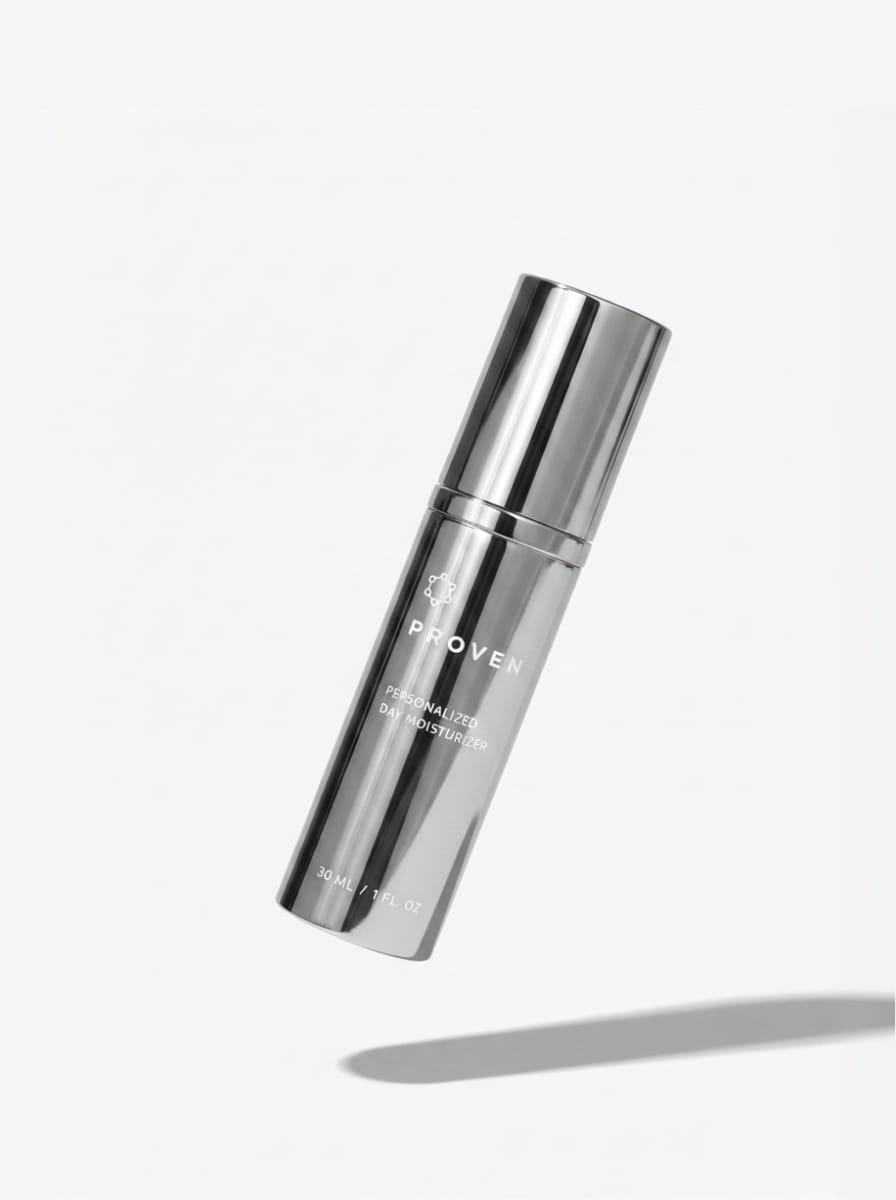
Lightweight daytime hydration — formulated for your skin.
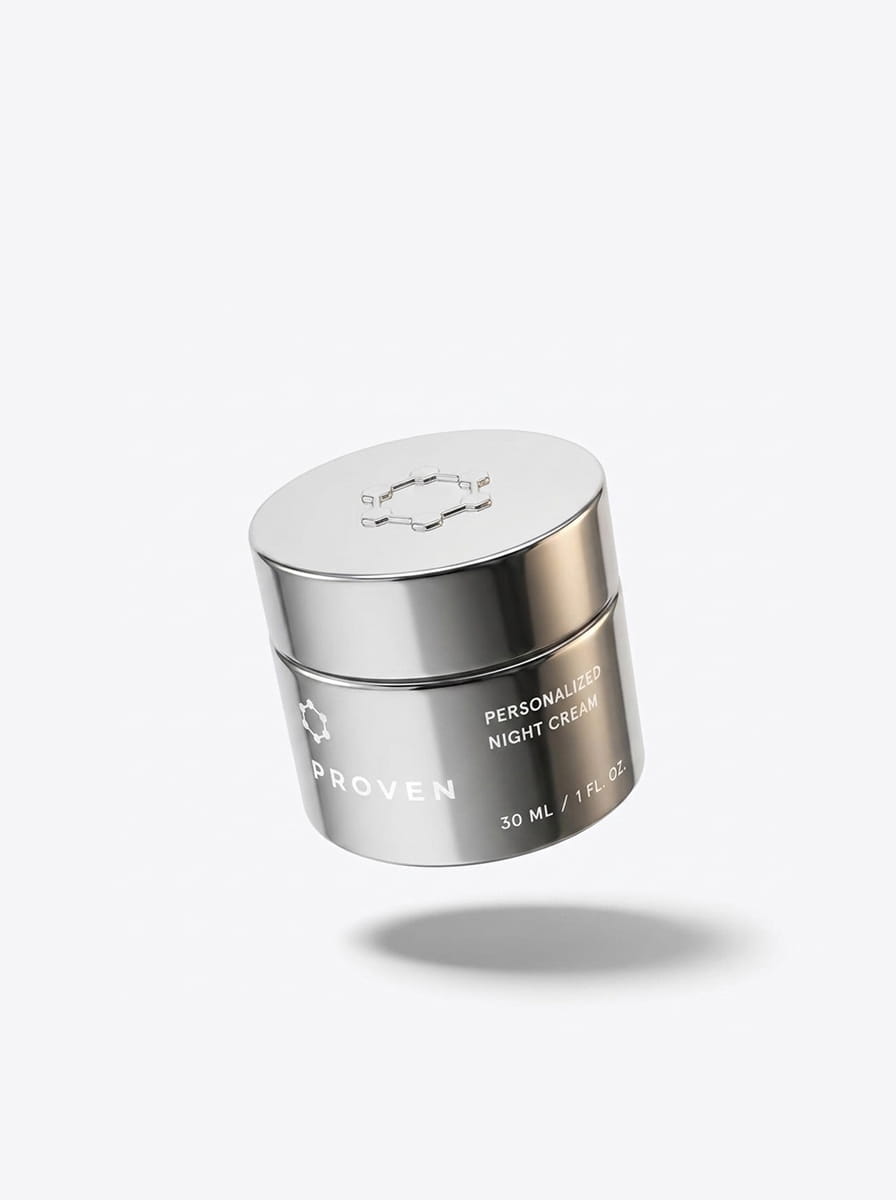
Overnight repair with the active ingredients your skin needs most.