

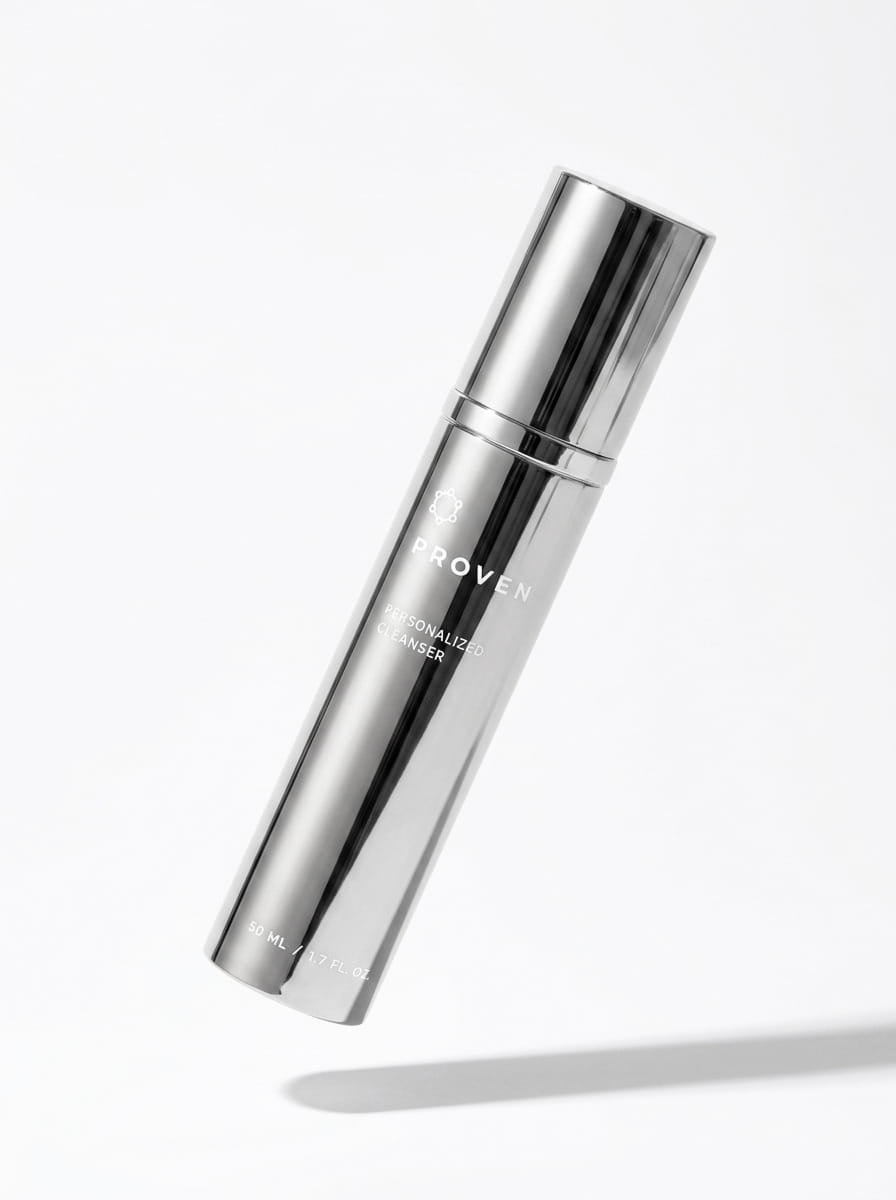
Personalized Cleanser
A gentle wash with exfoliating and toning properties — calibrated to your skin.
Sunscreen is an essential step of any skincare routine. Whether you receive direct sun exposure from stepping outdoors during the day, or even if you work indoors, you should apply sunscreen daily to avoid blisters from sunburn.
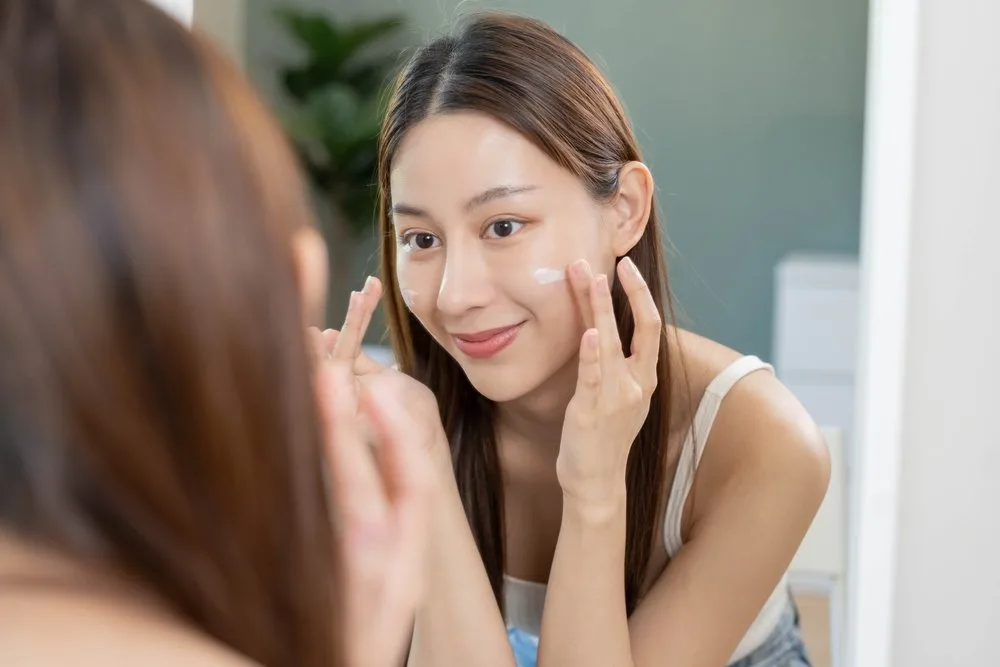
Like many skincare products, sunscreen comes in a range of types, formulas, and purposes. To help you find the sunscreen you need, you’ll need to explore this spectrum world of SPF. Keep reading to learn about the top types of sunscreen, from mineral formulas to body sprays.
Before diving into all types of sunscreen, it's essential to understand just what sunscreen even does—and that comes down to UV light and SPF.
Consider UV rays (or ultraviolet rays) from the sun as your skin’s rival in its superhero movie. Unprotected UV exposure is responsible for 90% of visible changes to the skin, as well as the top cause of skin cancer [1]. And when lying under the hot sun, it can take as little as five minutes for your unprotected skin to feel the damage [2].
While invisible to the naked eye, UV rays are broken down into two types [3]:
Luckily, you can shield skin from the brunt of harm caused by both types of UV rays, all through the power of SPF.
Sun Protection Factor, or SPF, measures a sunscreen’s ability to block UV rays [4]. Essentially, each SPF number signals the difference in UV radiation exposure it would take to produce a burn on protected vs. unprotected skin. The higher the SPF value, the more UV exposure it would take to damage our sensitive skin.
A common misconception, SPF does not relate to the amount of time your skin is protected from UV rays. A sunscreen with SPF 15 will protect skin for different lengths of time under different circumstances, all depending on the following factors [5]:
For example, a fair-skinned person swimming under the sun at 2:00 pm will require a higher SPF than a darker-skinned person walking outdoors at 5:30 pm. Why so? The former person is more susceptible to UV rays and exposed to stronger UV rays.
So what SPF should you use? Always stick with a higher SPF. Experts recommend using SPF 30 or higher when enjoying time outdoors [6].
When it comes to sunscreen, the formula you choose can make or break the level of UVA protection you get—and that comes down to physical or chemical formulas.
Understanding the differences between these two formulas will help you stay damage-free under the sun. We have an in-depth guide on the differences between a mineral vs. chemical sunscreen, but check out the high-level breakdown for key takeaways.
Also known as mineral or inorganic sunscreens, physical sunscreens work like a shield on your skin's surface. Every physical sunscreen uses natural minerals, such as titanium dioxide and zinc oxide, that physically repel UV rays from your skin [7].
The result? Immediate protection when applied. Physical sunscreens get to work the second they sit on the skin, making them perfect for instant use. Additionally, physical sunscreens offer these benefits:
The primary drawback noted about physical sunscreens is their “whitecast,” or white sheen they leave on the skin, which may not gel with the ideal vacation or makeup appearance.
Chemical sunscreens work differently from physical sunscreens by absorbing UV rays and converting them into heat, which is then released from your skin. These sunscreens contain organic compounds like avobenzone and oxybenzone, which actively interact with your skin to provide this protection [8].
A newer option on the market, chemical sunscreens offer a range of advantages such as:
Walk down the drugstore aisle, and you’ll be barraged with a million different sunscreen products. How to choose between a stick, a lotion, or a spray?
In short, there’s no “wrong” sunscreen product. Every sunscreen type offers unique advantages to those wanting to minimize sun damage while venturing outdoors. Let's explore what each texture brings to the UV-blocking table:
As the “classic” sunscreen form, lotions are a popular choice for their variety and spreadability. Varying from lightweight to ultra-rich, lotion sunscreens can suit all skin types while providing moisture.
A newer product, sunscreen sprays are quick, non-greasy, and convenient. These aerosol sprays finely mist your skin with SPF, making them perfect for instant reapplication across the entire body. If you’re curious to learn about the efficacy of a sunscreen spray vs lotion, it essentially boils down to the sunscreen ingredients and application.
When liquid formulas aren’t an option, a sunscreen stick is your best friend. These compact and solid sunscreen products are incredibly convenient and mess-free, making them useful for travel, on-the-go application, and protecting small areas.
Sunscreen application isn’t a one-size-fits-all activity. The skin on your body and face has different needs, quantities, and sensitivities—and so should your sunscreen for each area.
To ensure maximum and holistic sun protection, it’s important to know what your body and face individually need from their sunscreen.
Compared to your face, your body's skin is generally thicker and less sensitive [9]. Not to mention, there’s way more skin to protect against harmful UV rays. This means you'll need sunscreen that provides broad coverage without feeling heavy or greasy (so you don’t get that slick or sticky feeling).
When picking a body sunscreen, consider looking for these qualities [10]:
For many people, facial skin is more delicate and sensitive than body skin. That makes your facial sunscreen selection a little more of a delicate dance. Sunscreen for the face should offer effective UVA protection while also being gentle and non-comedogenic (doesn’t clog your pores).
When choosing a day moisturizer with SPF, try to seek these qualities [11]:
Sun protection is not just a skincare buzzword; it's an absolute essential. From head to toe, every part of your body deserves the best sunblock. By understanding just what your skin needs for total sun protection, you can confidently face UVA and UVB rays.
Ready to make your skincare routine sun-proof? We can do that and more—all in three simple steps.
At PROVEN Skincare, we take pride in crafting personalized regimens that target your unique skin concerns through the power of natural ingredients: zero harsh chemicals, preservatives, or filler ingredients. With just a gentle facial cleanser, a day moisturizer with SPF, and a rejuvenating night cream, you can put your best face forward.
Find your glow today and discover your customized routine by taking our skincare quiz.
Built from 47 factors of your skin profile — a cleanser, day moisturizer, and night cream calibrated to you from the 3-step Skin Genome Quiz.
A gentle wash with exfoliating and toning properties — calibrated to your skin.
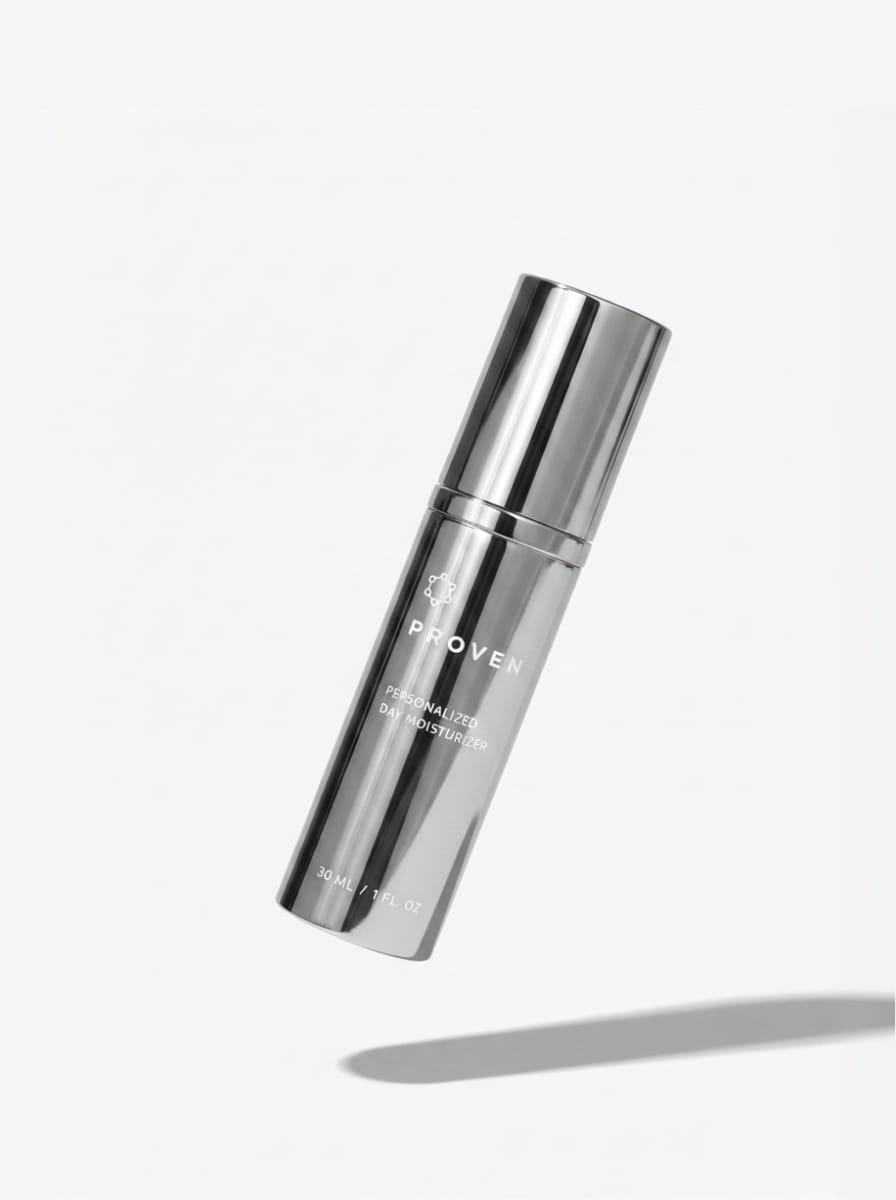
Lightweight daytime hydration — formulated for your skin.
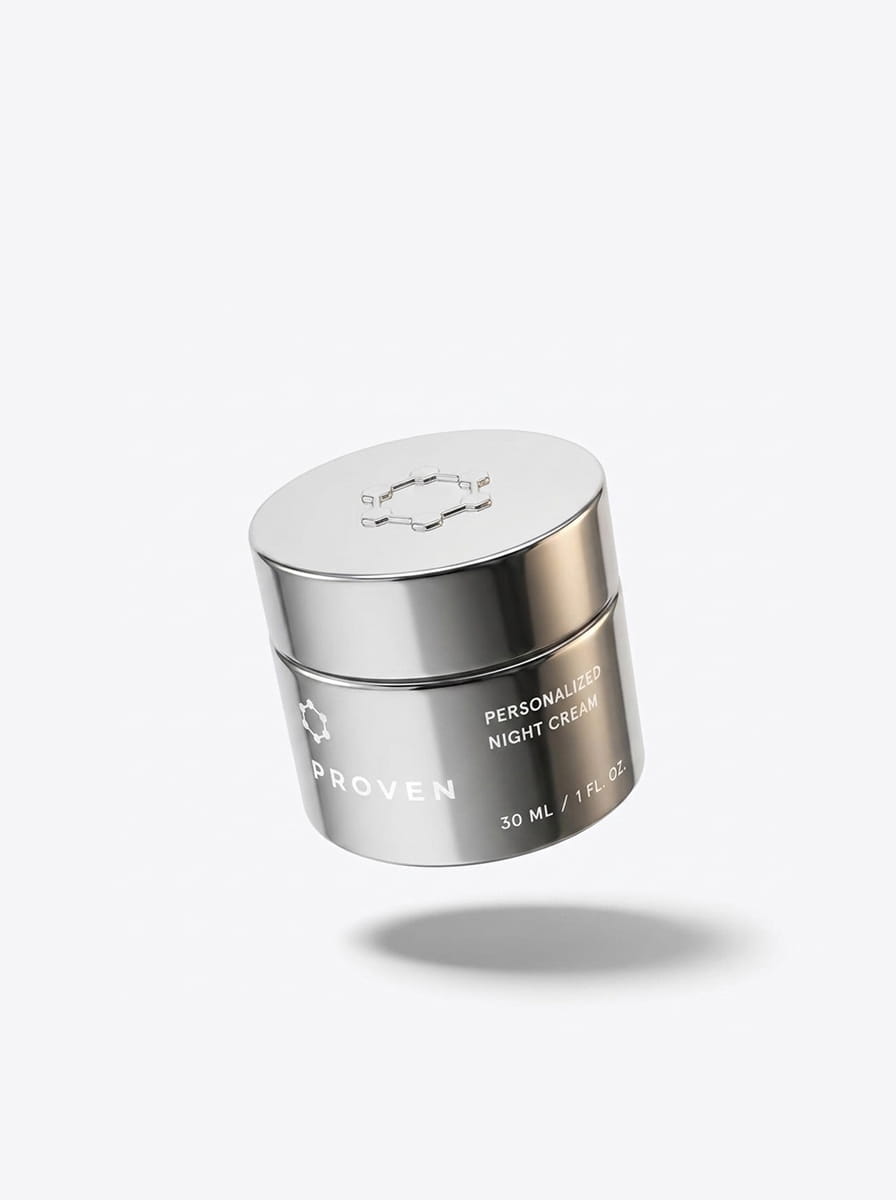
Overnight repair with the active ingredients your skin needs most.