

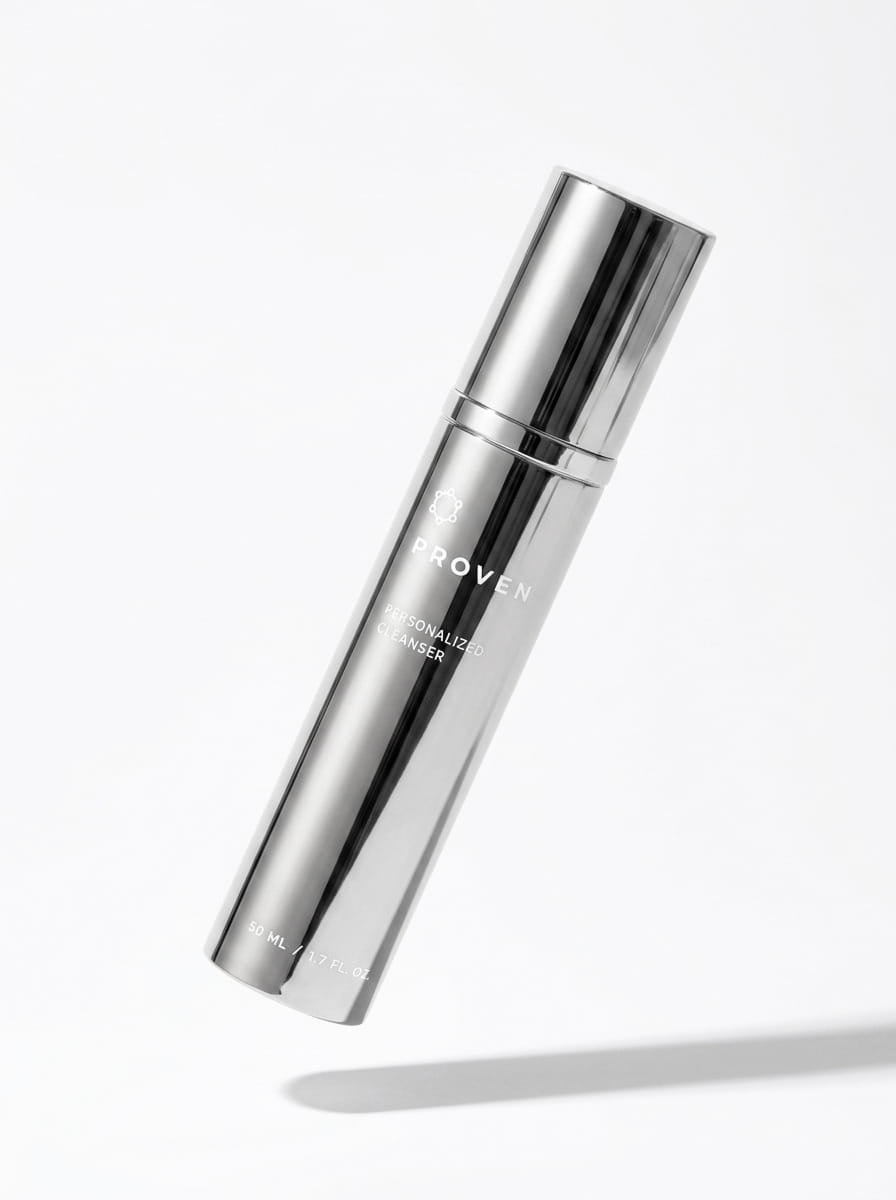
Personalized Cleanser
A gentle wash with exfoliating and toning properties — calibrated to your skin.
When you’re going through your morning skincare routine, do you ever consider skipping the SPF? If you’re suffering from an acne breakout, it may cross your mind.
What if we told you that a physical sunscreen could actually help in your battle against acne?
Learn everything you need to know about acne and sunscreen’s effect on acne to answer the question, “Does sunscreen help acne?”
So, does sunscreen help acne-prone skin?
In the long-term, yes. Sunscreen helps deflect harmful UV rays so your face doesn’t get hot and irritated, which can trigger acne flare ups. It’s also linked to reducing fine lines and wrinkles, age spots, and uneven skin tone. While it is possible for sunscreen to help acne, it’s beneficial to have a deeper understanding of what acne is before diving into the juicy details of this question.
Acne is an inflammatory skin condition that affects approximately 50 million people annually [1]. So if you’ve found yourself with a recent flare-up, you’re certainly not alone. Acne face maps can be helpful to find the root cause of your breakouts, depending on where it shows up on your face.
If you have oily skin, you may be more prone to acne breakouts. Simply put, acne occurs when your hair follicles become clogged with dead skin cells and sebum [2], an oil your body produces to moisturize your skin. Sometimes, your body makes too much sebum, which contributes to clogged follicles. Our personalized gentle facial cleanser creates a custom formula based on your skin type and concern so you can enjoy clear, radiant skin.
When your follicles become blocked, various forms of acne can develop, including [3]:
Sunscreen is an essential sun protection tool for your skin, limiting the effect of environmental aggressors like the sun’s ultraviolet rays. It can also help protect your skin barrier, one of the most important organs in your body. While a daily SPF can certainly help prevent painful sunburns and skin damage, it can also offer other benefits too, like [7]:
The answer to the question, “does sunscreen help acne?” depends in large part on the specific ingredients that are in your sunscreen. For instance, if you’re using a sunscreen that contains non-comedogenic ingredients (ingredients that are less likely to clog your pores), then your acne stands a solid chance of being unaffected.
Of course, sometimes the idea of skipping sunscreen in lieu of a sunkissed tan is hard to resist. With a more bronzed complexion, it’s easy to feel like your acne is hidden or less noticeable. That’s because the darker shade blends with the inflamed red or pink hues associated with your acne. While some people may feel like their acne improves when they go in the sun, it is important to note that the long term effects of the sun on the skin can worsen breakouts and blemishes.
However, when your tan fades away, you might be left dealing with the residual effects of ditching your sunscreen, like:
When you do apply a non-comedogenic sunscreen (a sunscreen that’s lightweight and non-greasy), you might notice both short- and long-term benefits for your acne. In fact, using a non-comedogenic sunscreen may:
Reduce inflammation – Zinc oxide is one of the main active ingredients in sunscreen, and it’s been linked as a potential anti-inflammatory ingredient for skin conditions like acne, rosacea, and eczema [13]. Some sunscreens may also contain ingredients like niacinamide which can help to reduce inflammation and redness.
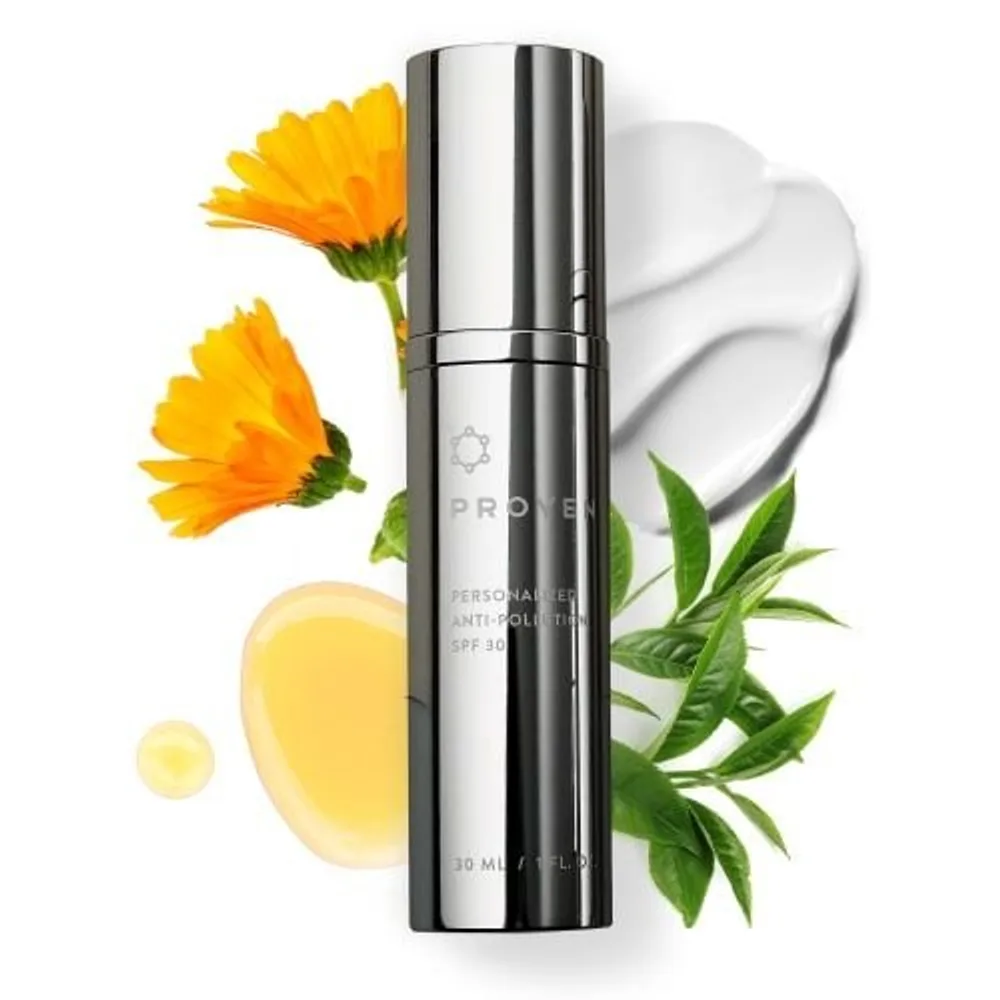
To feel confident with your sunscreen application, especially if you’re dealing with acne, you should choose a sunscreen that’s tailored to your skin’s needs. Fortunately, PROVEN Skincare offers a daily moisturizer with SPF that’s specifically tailored to your unique skin profile.
Here are some other tips to consider when choosing a sunscreen when you have acne:
Find a Broad Spectrum SPF
The sun emits two types of potentially harmful UV rays:
To protect yourself against both types of UV rays, it’s crucial to use a broad spectrum SPF, as it works “broadly” to reflect both types of UV rays away from your body. A broad-spectrum sunscreen is one that’s been approved by the FDA (and will be labeled accordingly) [16].
Determine the Right Combination of Ingredients for Your Skin
At PROVEN, we take your skin’s needs into account when helping you find the best products for your skincare routine. For instance, if treating your acne is your highest skin priority, we’ll ensure your 3-step skincare system will include a multitude of ingredients designed to do just that.
Some of the acne-fighting ingredients that may be added to your personalized products include:
Wearing a daily sunscreen is crucial for protecting your skin from the sun’s UV rays and their potentially damaging effects, like premature aging and skin cancer. And, when you have a personalized SPF that contains the exact ingredients your skin needs, you can also protect your skin from acne and its damaging effects.
And PROVEN makes that simple.
That’s because we’ve developed a 3-minute Skin Genome Quiz that helps us formulate the most effective 3-step system for your unique skin based on factors like your skin profile, your environment, and your skin concerns. From your customized cleanser and daily moisturizer (with SPF) to your night cream, each product will contain beneficial ingredients to help you achieve the skin you’ve always dreamed of.
Take our skin quiz today to start your journey toward healthy, protected, and radiant skin.
Built from 47 factors of your skin profile — a cleanser, day moisturizer, and night cream calibrated to you from the 3-step Skin Genome Quiz.
A gentle wash with exfoliating and toning properties — calibrated to your skin.
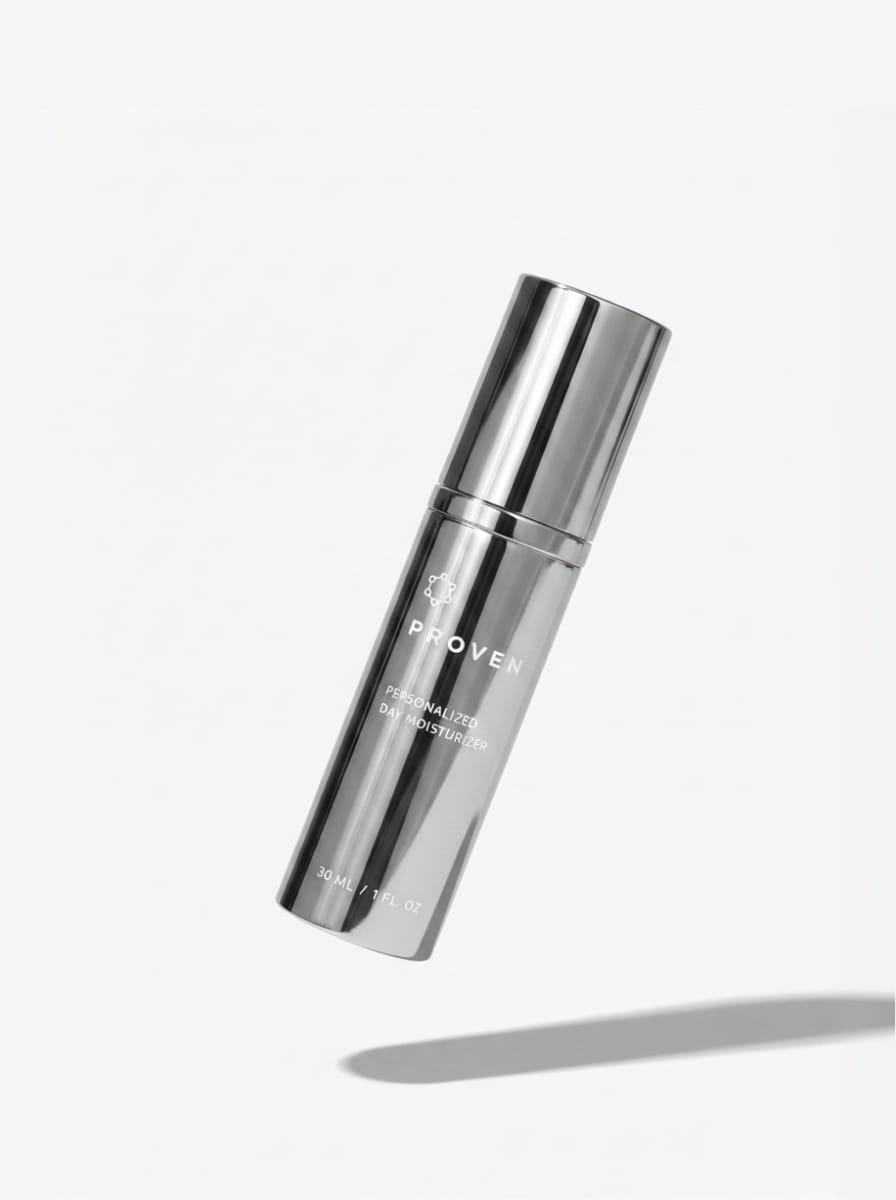
Lightweight daytime hydration — formulated for your skin.
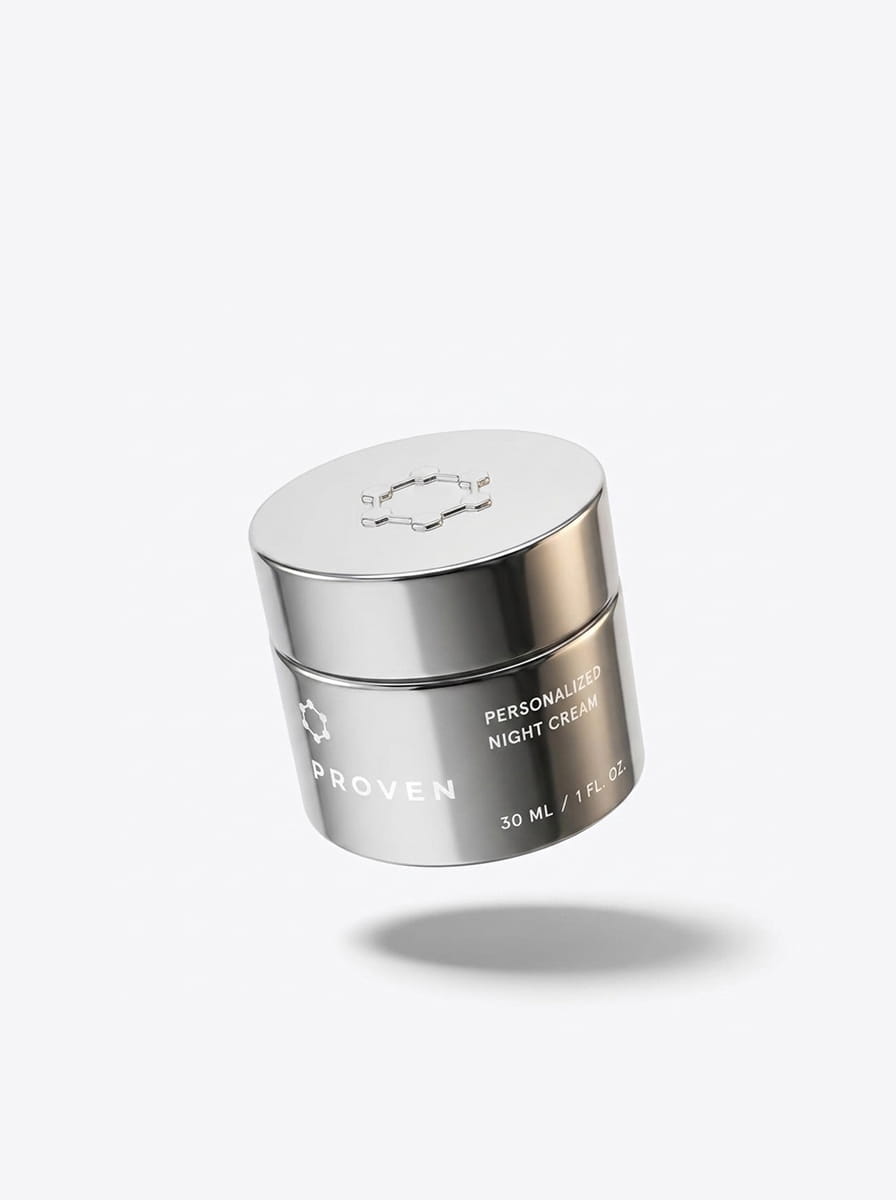
Overnight repair with the active ingredients your skin needs most.