The sun can take a toll on your skin. Over the years, as you expose your skin to the sun’s ultraviolet (UV) light, your skin will be at risk of sun damage like age spots, sunburns, wrinkles, freckles, and sometimes, even skin cancer.
And although not all cases of sun-damaged skin can cause cancer, it’s important to prevent it in the first place, as the risk is ever-present. Besides, it’s understandable that you’d want to get rid of them for cosmetic purposes, especially if you want your skin to be as flawless as possible.
Below, you’ll find out what sun-damaged skin is, why it’s a problem, and what you can do to combat it.
What Is Sun-Damaged Skin?
Sun damage, or what’s also known as photoaging, is the damage that the sun does to unprotected skin. Every time you’re exposed to the sun, your skin “absorbs” UV rays (which is precisely why you should wear sunscreen). UV can trigger a cellular change deep within the dermis, resulting in signs of skin aging, such as sunspots, suntans, etc. This is why your skin’s surface may not be as blemish-free as it once was.
How Do You Know If You Have Sun Damage?
Some signs of sun damage become visible immediately, such as sunburns, but others can develop over the years. Below, we’ve outlined a few of the signs of sun damage that you should be aware of:
- Suntan. A suntan is when the skin darkens due to UV exposure. As your skin soaks up UV, it raises the risk of skin cancer. With that said, a “healthy tan” does not exist.
- Sunburn. Sunburn is caused by excessive sun exposure. First-degree sunburns generally go away within a few days, but second-degree sunburns (sunburns that blister) can increase the risk of melanoma and nonmelanoma cancers.
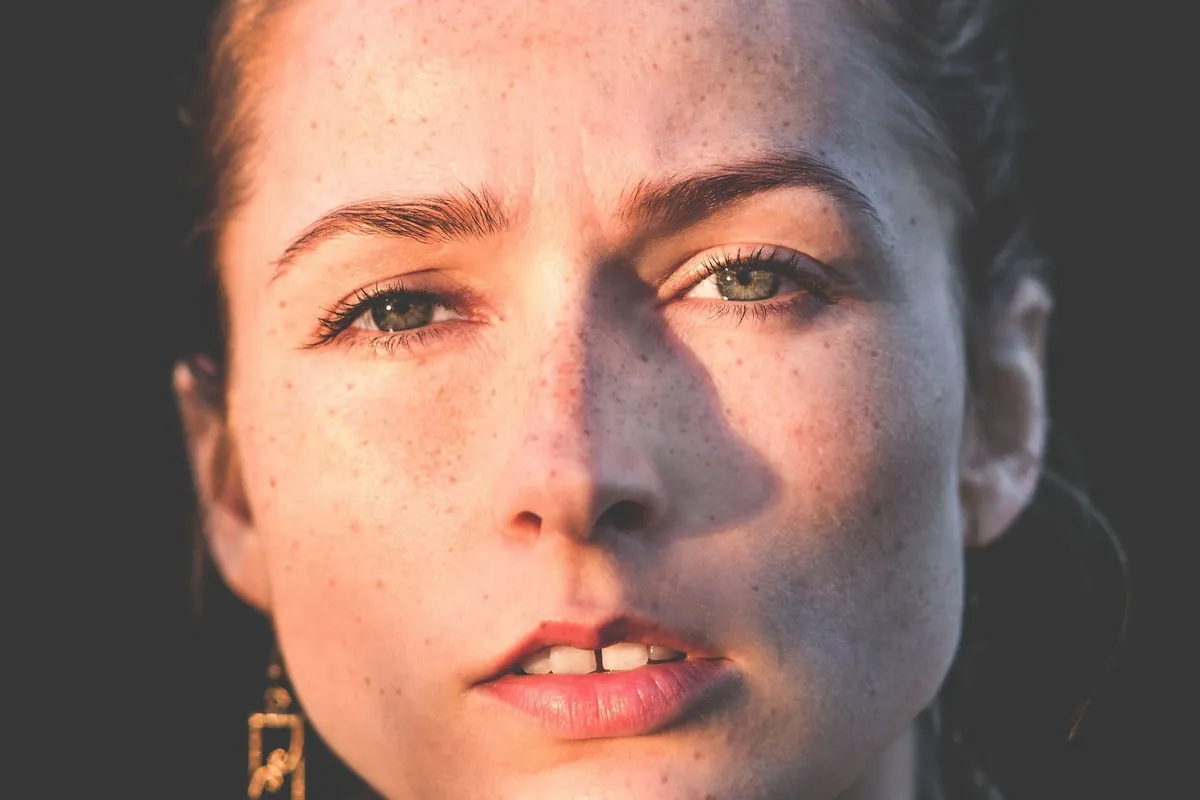
- Freckles. Although they’re a sign of sun-damaged skin, they generally aren’t life-threatening. They tend to appear in the summer months, but they can be removed with the use of certain creams and treatments.
- Wrinkles. Wrinkles or “crow’s feet” are signs of premature skin aging due to sun damage. In this situation, the skin loses its elasticity as it no longer has the collagen it needs to stay stretchy.
- Hyperpigmentation. Also known as uneven skin, this is what happens when some areas of the skin’s surface appear darker than the rest.
- Age spots. Commonly called “sun spots”, these are freckle-like spots that appear due to the overproduction of melanin from UV exposure. They tend to develop in the decolletage, arms, and legs of people in their 40s and 50s.
- Actinic Keratoses (AKs). These are raised spots on the skin caused by excessive sun exposure. AKs are a cause for concern as 10% of them can turn into carcinoma, a skin cancer.
- Spider veins. This is a sign of sun damage on the face. As the sun breaks the blood vessels, spiderweb-like veins will slowly appear at the surface of the skin. These tend to develop on the nose.
Is Sun-Damaged Skin Dangerous?
The sun is good for you — in fact, doctors recommend it as a good source of Vitamin D. However, it can be a problem when sun exposure starts to be too excessive. As we mentioned above, the signs of sun damage, such as sun spots, spider veins, etc., are all caused by excessive sun exposure.
Although some signs of sun-damaged skin aren’t a cause for concern (some of them are mainly cosmetic), the bad news is that you can still get cancer. Remember that every time UV penetrates deep into your skin, you raise your risk of skin cancer even more.
To be safe, you shouldn’t stay out in the sun to the point where your skin starts to get sun-damaged. Sun-damaged skin is a clear indication that you’ve been out in the sun for far too long. Your time in the sun should be moderate — around 10 to 15 minutes a day.
How Do You Treat Sun-Damaged Skin?
If you’re wondering, “Is there a way to reverse sun damage?”, the answer is yes. Interventions vary, however, they tend to involve surgical and non-surgical procedures. Fortunately, if you prefer sun-damaged skin treatments you can perform on your own, we’ve got you covered. Here’s how to heal sun-damaged skin naturally:
Retinols And Retinoids
Alpha Hydroxy Acids (Ahas)
AHAs such as citric acid, glycolic acid, lactic acid, and malic acid encourage cell turnover — this is the process of replacing cells with newer cells. Because of this ability, AHAs can be used to fade signs of sun damage on the face such as age spots.
Niacinamide
Vitamin C
Apple Cider Vinegar
How Do You Prevent Sun Damage?
Skin aging isn’t the worst threat — it’s skin cancer. And although not all signs of sun damage will lead to skin cancer, it is still a possibility. According to the Centers for Disease Control and Prevention (CDC), skin cancer is the most common cancer in the U.S. Here’s what you need to do to avoid sun damage:
- Apply sunscreen. There’s no way to avoid the outdoors. Whenever you step outside, wear a broad-spectrum sunscreen with at least SPF 30. Remember to reapply it every two hours as it won’t stay on your skin forever.
- Put on a wide-brimmed hat. There’s a good chance you’ll forget to apply sunscreen on the back of your neck, so to be safe, wear a wide-brimmed hat.
- Plan your time in the sun. If possible, stay away from direct sunlight between 10 AM and 4 PM. During these times, the sun’s UV light will be at its strongest.
Tailor-Made Skincare Solutions That Target Sun Damage
Whatever your skin concerns are, you can target them with Proven Skincare’s personalized skincare solutions. Since there’s no one-size-fits-all solution to skincare, we designed the AI-powered Skin Quiz to allow us to pinpoint the ingredients your skin needs to deal with the common signs of sun damage, such as age spots and wrinkles. With your answers, we can carefully curate a wide array of products that address your skin's current needs. Take the quiz today and try our custom skincare solutions so you can fight sun damage and other skin issues, asap.