

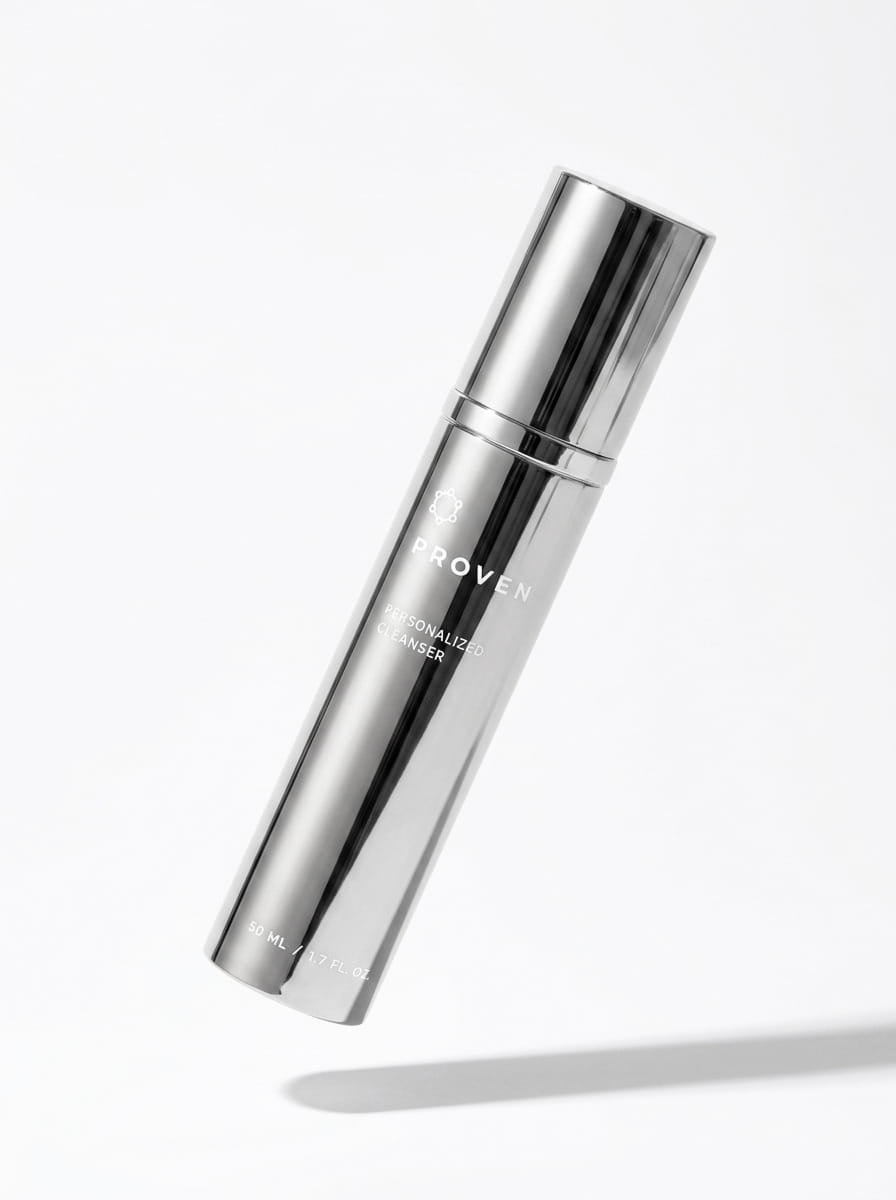
Personalized Cleanser
A gentle wash with exfoliating and toning properties — calibrated to your skin.
Take a quiz. We analyze your factors and build a formula made for you alone.
The word hyperpigmentation comes from the Latin hyper (meaning “over”) and pigment (meaning “color”). So if your skin has hyperpigmentation, it’s “over-colored” in places.

Hyperpigmentation can look sort of like freckles, except bigger and less uniform in shape. The discoloration can also appear as overall mottling, where the spots merge together into a patchwork of lighter and darker spots.
First of all, know you’re not alone: hyperpigmentation is a common skin care concern and affects people of all skin types. Because darker skin has more melanin, hyperpigmentation is more common in those with darker skin. It can look similar to age spots that are also small brown spots found on the face. The difference between the two is that age spots are caused through constant sun exposure without proper SPF protection.
Causes of hyperpigmentation:
Remove the cause
According to the American Academy of Dermatology (AAD), once a person removes the cause of the spots, any existing ones will typically fade within 6 to 12 months. However, daily sunscreen use is crucial to help the area lighten and prevent harmful UV rays from darkening it again. Ideally, you should block strong sunlight on your face with a hat or visor for optimal sun protection.
If the hyperpigmentation is the result of a skincare product, or certain medications, then stopping the use of these products may prevent the formation of new dark spots. If the hyperpigmentation is caused by acne or psoriasis, those underlying skin conditions need to be treated alongside the hyperpigmentation (otherwise it will just come back).
If you are pregnant, the condition will often lighten or go away by itself after the baby is born. If you are taking birth control, share your concerns with your OBGYN, and see if switching to a non-hormonal birth control method might help.
Regardless of the cause, the following skin-lightening products and medical treatments have been shown to help all kinds of skin discoloration. The best approach to treating hyperpigmentation: aim for slow, gradual change using brightening skincare products. These include:
Hydroquinone
There’s been some controversy over this ingredient because it was banned in South Africa, the E.U., and Australia. Why? It was shown to have carcinogenic properties when tested on rats. However, these findings were never replicated in humans, and it is one of the most effective skin-lightening ingredients—so it might be worth discussing with your dermatologist. If you’d rather steer clear, SkinMedica Lytera 2.0 ($154) is proven to be just as clinically effective as hydroquinone when it comes to dark spot treatment, but it’s hydroquinone-free.
Vitamin C
A potent antioxidant. Research suggests that it reduces the formation of melanin to stop hyperpigmentation, and can also protect against sun damage and increase collagen levels. Some excellent serums to try? Natura Bissé ($200) and Skinceuticals ($166), are great complementary elements to combine with your personalized skincare routine.
Retinol
This do-everything ingredient also helps with hyperpigmentation. "Not only does it speed up cell turnover, it penetrates deeply into the skin and interferes with pigment production," says San Diego-based Melanie Palm, M.D., director of Art OF Skin MD.—so retinol can also help prevent new dark spots from forming. N.B.: If you’re pregnant, please consult with your doctor before using products with retinol.
Chemical exfoliating acids
Glycolic and lactic acid (both are alpha hydroxy acids, or AHAs) are both very effective at treating melasma—they increase collagen production in the skin, and reduce pigmentation from acne or sun damage. Bonus: these AHAs will also help treat the acne itself, if that is what’s causing your hyperpigmentation. Other exfoliating acids include beta-hydroxy acid such as salicylic acid, which can also help to address acne and hyperpigmentation.
If your skin does not respond to any topical treatments, there are other options you can discuss with your dermatologist:
Lasers
A laser resurfacing treatment uses targeted beams of light to remove layers of skin, thereby reducing hyperpigmentation. There are two types of lasers:
Ablative lasers are the most intense, and may cause more side effects. These may work better on people with fair skin.
Non-ablative procedures, on the other hand, target the dermis to promote collagen growth and tightening effects. But for some people, non-ablative versions may cause the skin to darken instead of lighten.
Intense Pulsed Light
IPL therapy is a type of non-ablative (fractional) laser treatment. Also known as a photofacial, IPL therapy heats and destroys brown spots, melasma, broken capillaries, and sun spots. It usually requires 5 or 6 sessions to work, and will cost about $125 to $350 per treatment. In some cases, IPL therapy can worsen certain types of hyperpigmentation – mostly related to melasma. Make sure to speak with a board-certified dermatologist to determine the best treatment approach.
Fraxel
Fraxel is another extremely effective fractional laser treatment. It costs about $1,000 per session, but one or two visits might be all you need. If you are rigorous about sun avoidance afterward, the results can last for years. "I use Fraxel literally every day," says NYC-based dermatologist Marnie Nussbaum. Nussbaum says most patients come into her office seeking Fraxel laser treatments for three reasons: hyperpigmentation or sun damage, wrinkles, and acne scarring.
The bottom line? There isn’t a one-size-fits-all approach. If you want to try laser treatment, your dermatologist will need to assess your discoloration and overall skin tone to choose the best kind for you.
As you may have noticed, treating hyperpigmentation with serums, peels, and lasers can get VERY expensive. Our best advice: take the PROVEN Skincare Quiz so we can customize skincare that will target your hyperpigmentation at a fraction of the cost. An example of an effective regimen might include: a cleanser with AHAs, a high-SPF day cream with brightening agents like soy and vitamin C, and a night cream with powerful lightening ingredients—such as retinol and kojic acid—that will penetrate your skin deeply while you sleep. Hey—it’s at least worth a shot before you run out and spend thousands on that Fraxel laser treatment.
Built from 47 factors of your skin profile — a cleanser, day moisturizer, and night cream calibrated to you from the 3-step Skin Genome Quiz.
A gentle wash with exfoliating and toning properties — calibrated to your skin.
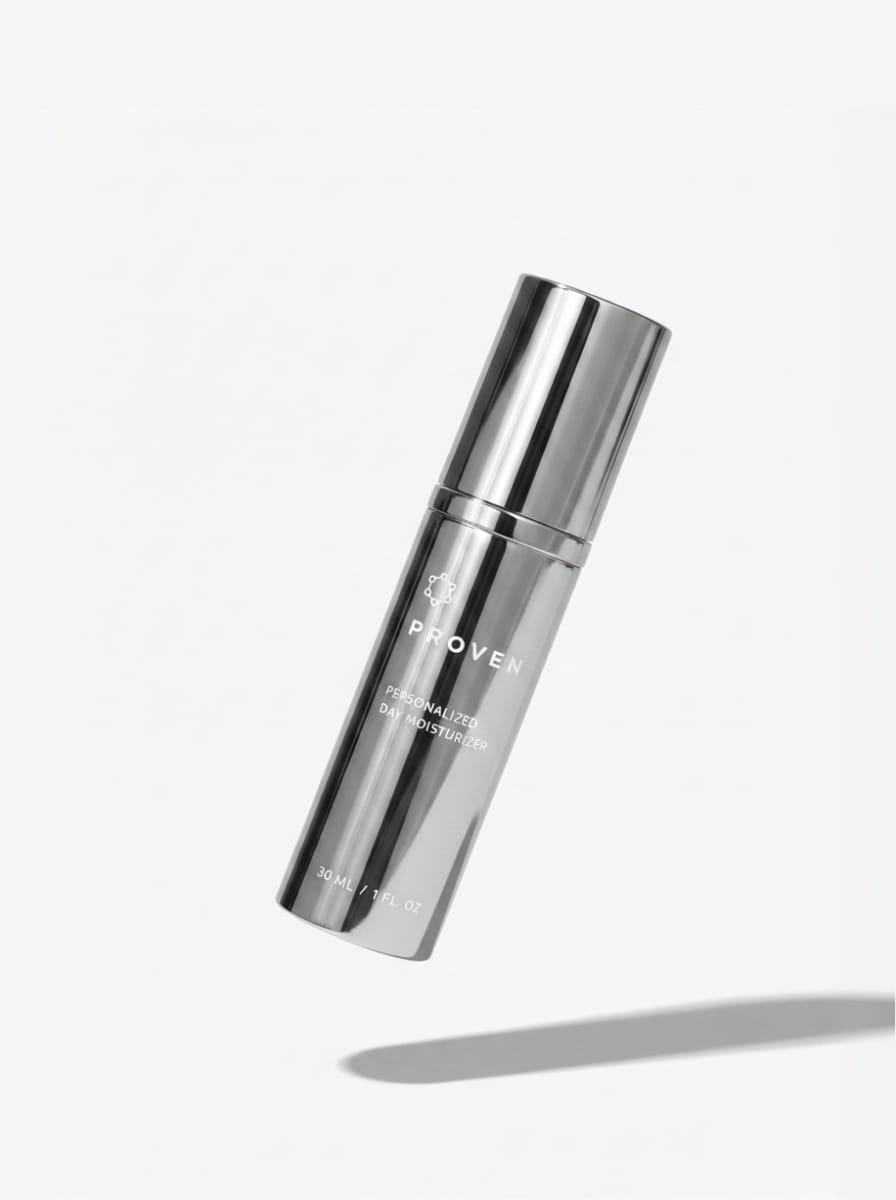
Lightweight daytime hydration — formulated for your skin.
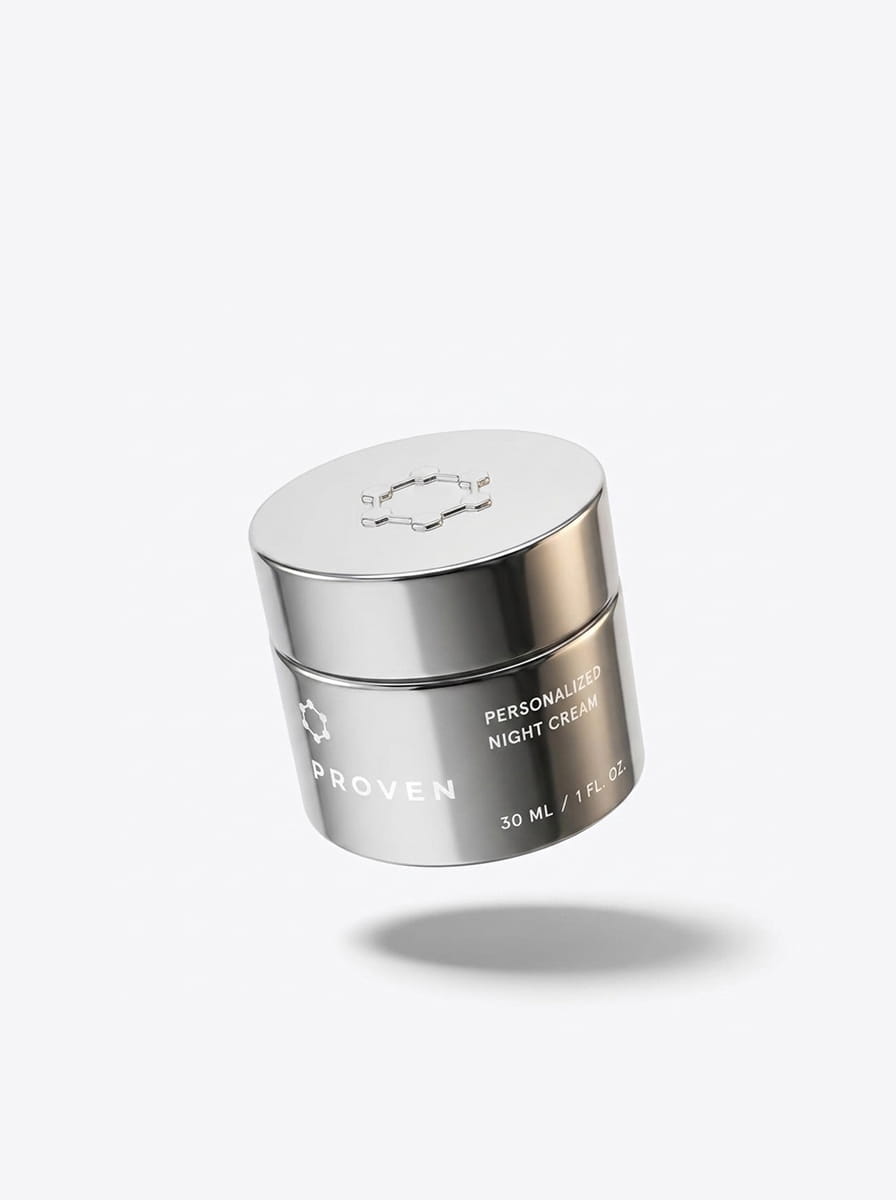
Overnight repair with the active ingredients your skin needs most.