

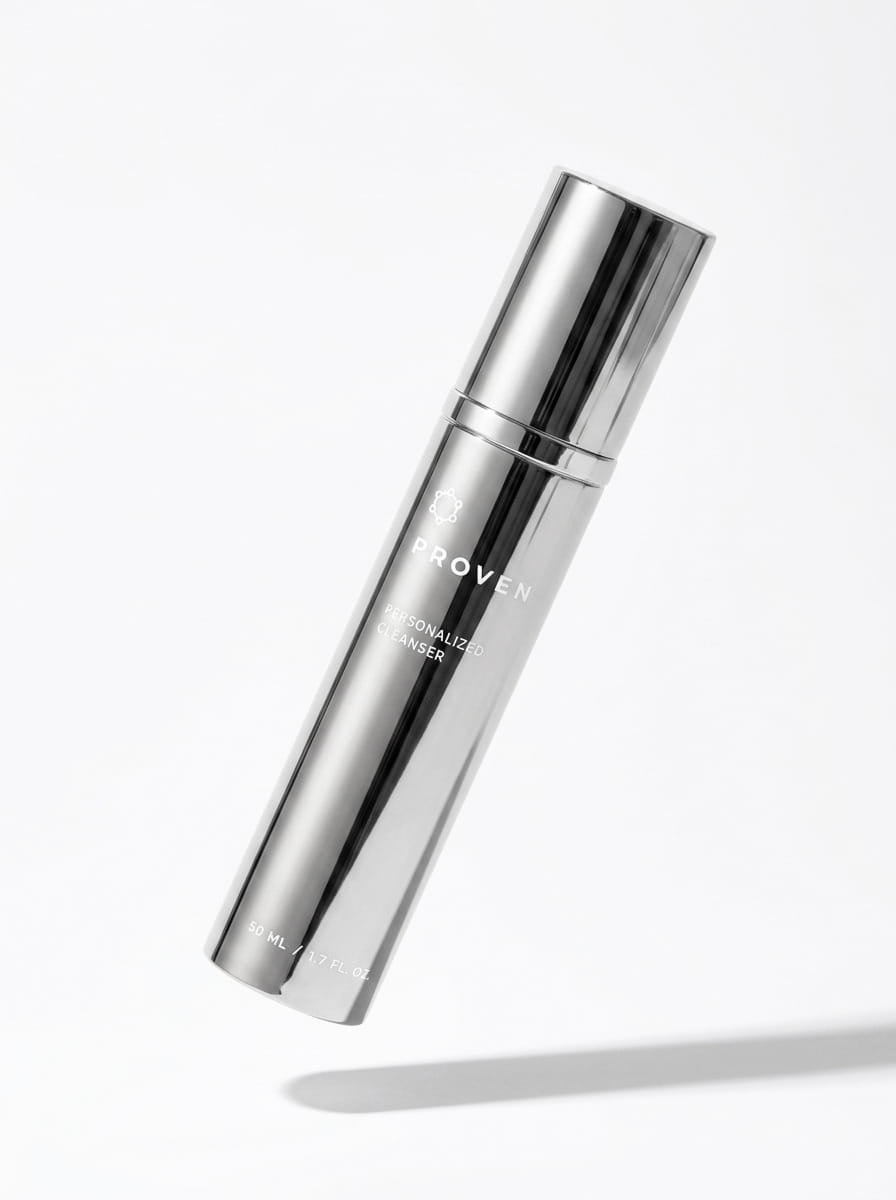
Personalized Cleanser
A gentle wash with exfoliating and toning properties — calibrated to your skin.
Exfoliants have been notable skincare ingredients for decades, but they’ve experienced a serious resurgence ever since skin cycling—which emphasizes the importance of exfoliating—broke the internet in 2022 [1].
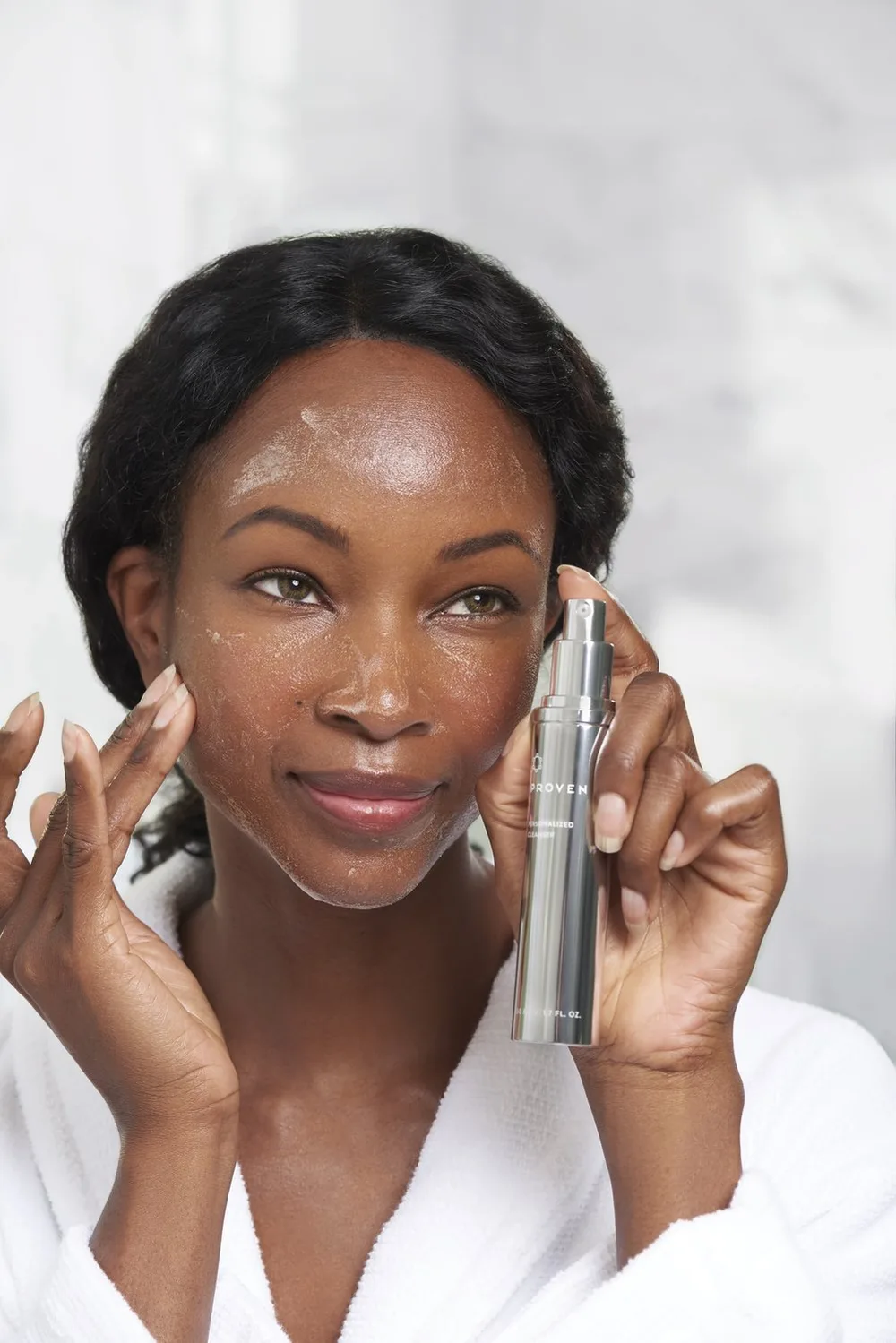
But deciding which type of exfoliant to use is less straightforward, particularly if you’re leaning more toward chemical exfoliants, which many dermatologists recommend over their potentially irritation-inducing counterparts [3].
In this case, you may be wondering, what is the deal with the BHA vs AHA debate? Should you use both, or stick with just one?
Exfoliating, as you very well might know, is the act of removing impurities and dead skin cells on the outer layer of your skin to reveal the fresher, “livelier” skin underneath—a process that’s typically performed with physical or chemical exfoliators [4]:
The latter is normally recommended over the former, as physical exfoliators may cause minuscule cuts in the skin and damage to your skin barrier. It’s the last thing we want when we’re taking the extra time to nurture our complexions. Luckily, our personalized skincare set takes the guesswork out of finding the right exfoliating ingredient for your skin concern.
Why is Exfoliating Performed?
Exfoliating arrives with a bevy of potential benefits. Its chief purpose is to eliminate dead skin cells, which may take longer to throw off as we age. The accretion of dead cells on your skin may also magnify preexisting skin conditions, such as acne, age spots, and wrinkles [6].
Done well, and on the right skin type, exfoliating may:
Sound fantastic?
That’s because it can be—especially once you discover an exfoliator that “resonates” well with your particular skin type and its conditions.
AHA is an abbreviation for alpha-hydroxy acids, a cluster of water-soluble acids. There are a handful of AHAs on the skincare market; a few of the most potent and beneficial include [7]:
What Are the Benefits of AHAs?
AHAs can be a huge boon in a variety of ways. Namely, AHAs may:
BHA is a shorthand for beta-hydroxy acids, another group of acids that have the natural capacity to cast off dirt, bacteria, and dead skin cells. The most prevalently used BHAs include [11]:
What Are the Benefits of BHAs?
BHAs have several stand-out pluses as well, such as:
AHA and BHA aren’t the only types of chemical exfoliators available. Enzymes, which are usually derived from fruit and used in peels, are also invaluable. However, enzymes do not prompt skin cell turnover, where much of the magic of exfoliating occurs.
The appeal of using both an AHA and BHA is perfectly understandable—who wouldn’t want to tackle all of their skincare woes with these acids? But we can’t overstate how powerful these acids can be, and using both can be, well, too much for your skin to reasonably handle. This may provoke:
At the same time, some research reveals that using both AHA and BHA can lead to more pronounced and brilliant results [14]. If your dermatologist gives you the green light to add both to your skincare arsenal, refrain from layering them. Instead, use an AHA during one exfoliating session, and a BHA on your next [15].
With that established, let’s peer at why one would be preferable over the other, depending on the skin condition(s) you’d like to tackle [16]:
AHAs
AHAs can be especially indispensable if you’d like to:
BHAs
Meanwhile, BHAs may become your biggest skincare ally if you’re keen on:
Lastly, bear in mind that when it comes to AHA and BHA, one is not superior over the other. Both are extremely useful exfoliants, each with their own set of potential benefits.
While your skin is more unique and intricate than these broad categories, it can be helpful to keep these rules of thumb at the forefront of your mind when deciding between AHA and BHA [17]:
After you’ve arrived at the answer to your own BHA vs AHA debate, approach the endeavor with care—and with these expert tips in mind:
#1. Pair Glycolic Acid with an SPF
Glycolic acid—an AHA superstar—can be an exceptionally effective way to abolish dead skin cells that are keeping you from attaining a healthy glow.
That said, it may leave your skin vulnerable to sun damage, so it’s recommended that you follow up with a daily moisturizer with SPF. Using the right sunscreen can help acne if it’s non-comedogenic and has at least SPF 30 or higher.
#2. Refrain from Using Retinol and an Exfoliator in One Session
Skin cycling has caught on like wildfire because many claim that their skin has never felt softer or more luminous. With four-day skin cycling [14]:
This gives your skin a break between exfoliating and more intensive restoration work, like mitigating the appearance of fine lines and wrinkles with retinol or attacking acne with a benzoyl peroxide product. Make sure to understand the effects of using benzoyl peroxide with a retinol product, as it can be extremely harmful to your skin. If you use a chemical exfoliator and one of these medications at the same time, you may experience irritation, redness, or a breakout.
#3. Start with One AHA or BHA at a Time—and Go Slowly
There are dozens of products that boast more than one type of AHA; others that present more than one form of BHA. If you’re new to any of them, however, you may want to start with a single chemical exfoliator, such as glycolic acid, to monitor how your skin reacts. This is especially pertinent if you have naturally sensitive skin.
Additionally, start off with one or the other with a tiny amount and gradually build up to a larger dose to give your skin time to familiarize itself with these powerhouses.
If your pores are constantly clogged with dirt or your skin looks dull, exfoliating once a week can help.
The dead skin cells you feel like you’re lugging around will naturally be discarded with time—or around every 30 days [19]. Exfoliating simply hastens the process while also delivering other terrific benefits, like clearing your pores or reducing the risk of dry patches and flakes. But exfoliating is not a requirement, per se; it’s more like extra credit. Indeed, dermatologists assert that three of the most effective ways you can shield and nourish your skin are to [20]:
No. Individuals with skin conditions such as rosacea should skip exfoliating entirely and let nature do its work. Otherwise, your condition may become exacerbated and lead to increased redness and irritation.
Exfoliating should also be avoided if you have:
BHA vs AHA is one of many questions that can arise when you’re trying to understand which skincare ingredients will give you the radiance you covet. And while AHA and BHA each have their own benefits, experimenting to decide between the two can be tiresome, pricey, and risky.
Let the experts at PROVEN Skincare guide you instead. After taking our brief but thorough skincare quiz, we’ll pair you with a simplified skincare routine containing the exact ingredients your skin needs to thrive.
Built from 47 factors of your skin profile — a cleanser, day moisturizer, and night cream calibrated to you from the 3-step Skin Genome Quiz.
A gentle wash with exfoliating and toning properties — calibrated to your skin.
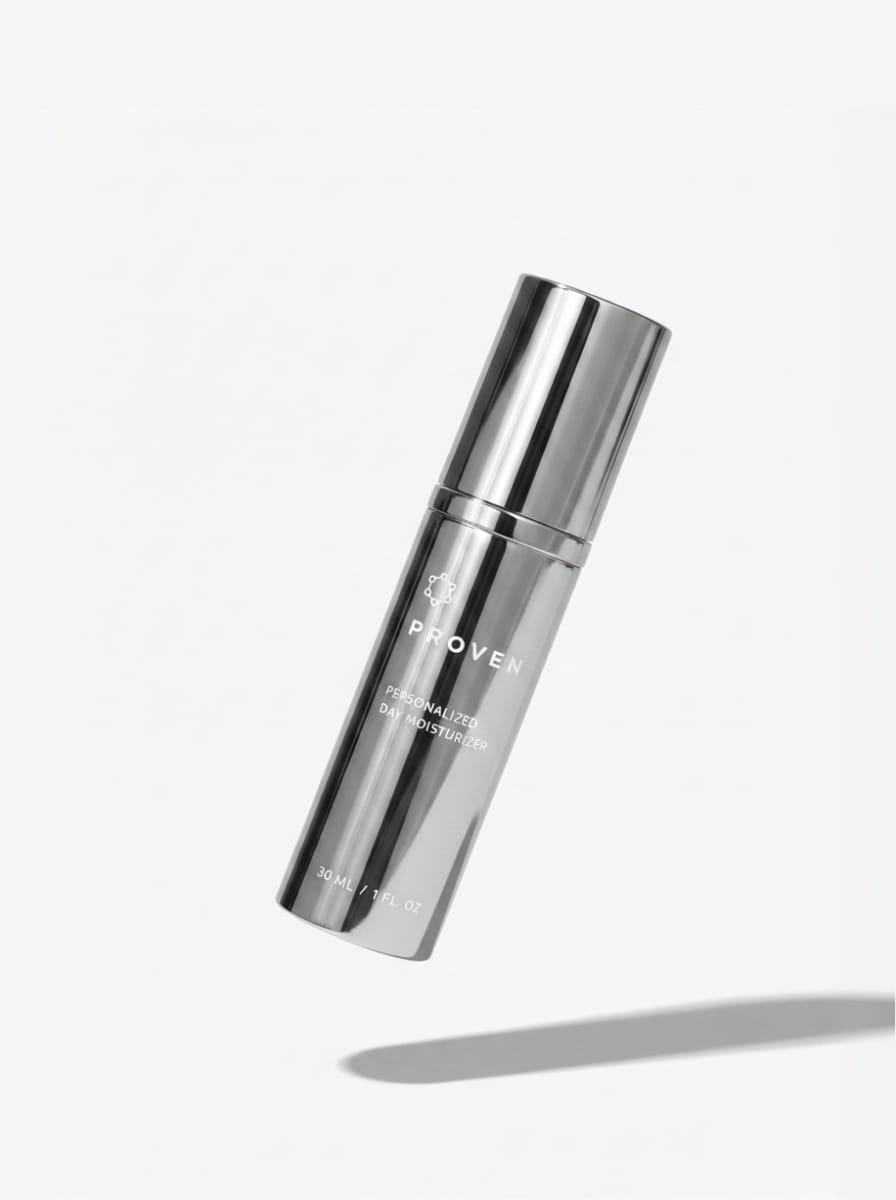
Lightweight daytime hydration — formulated for your skin.
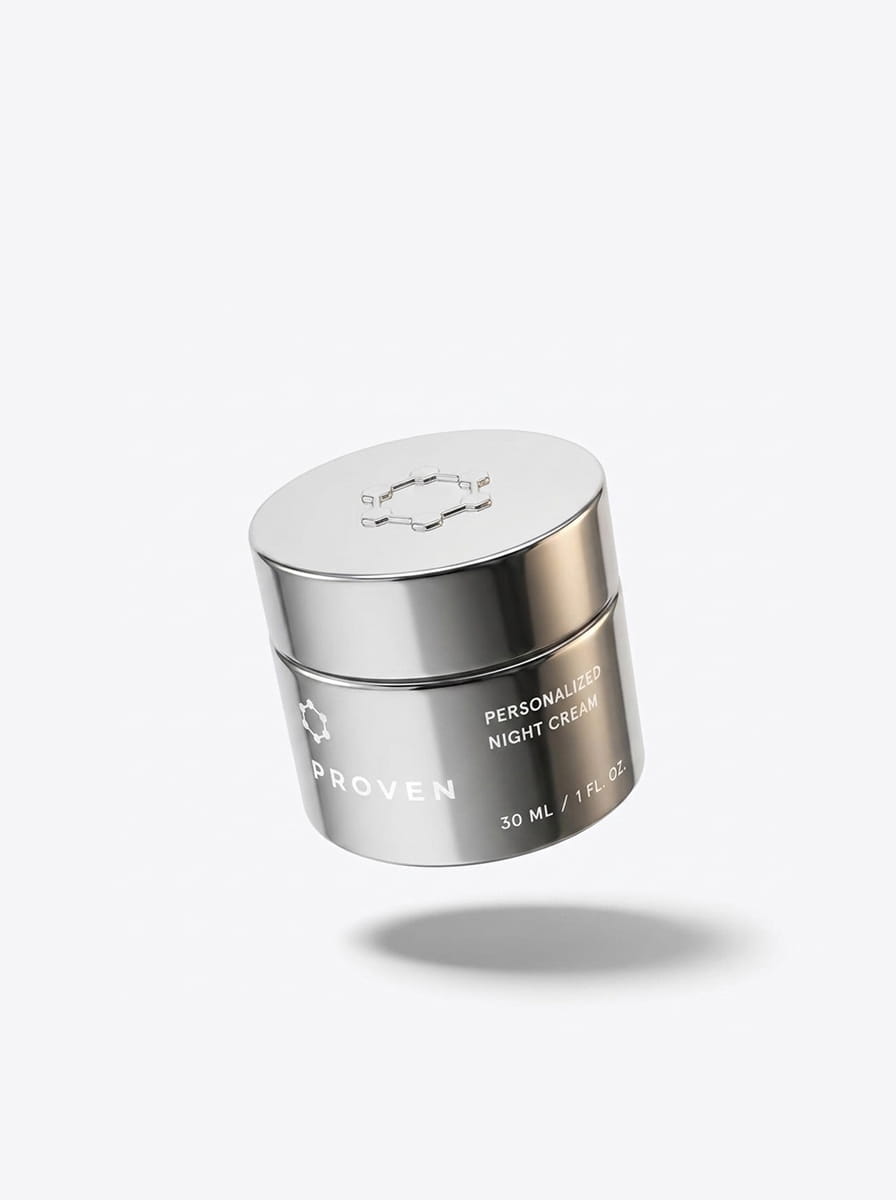
Overnight repair with the active ingredients your skin needs most.