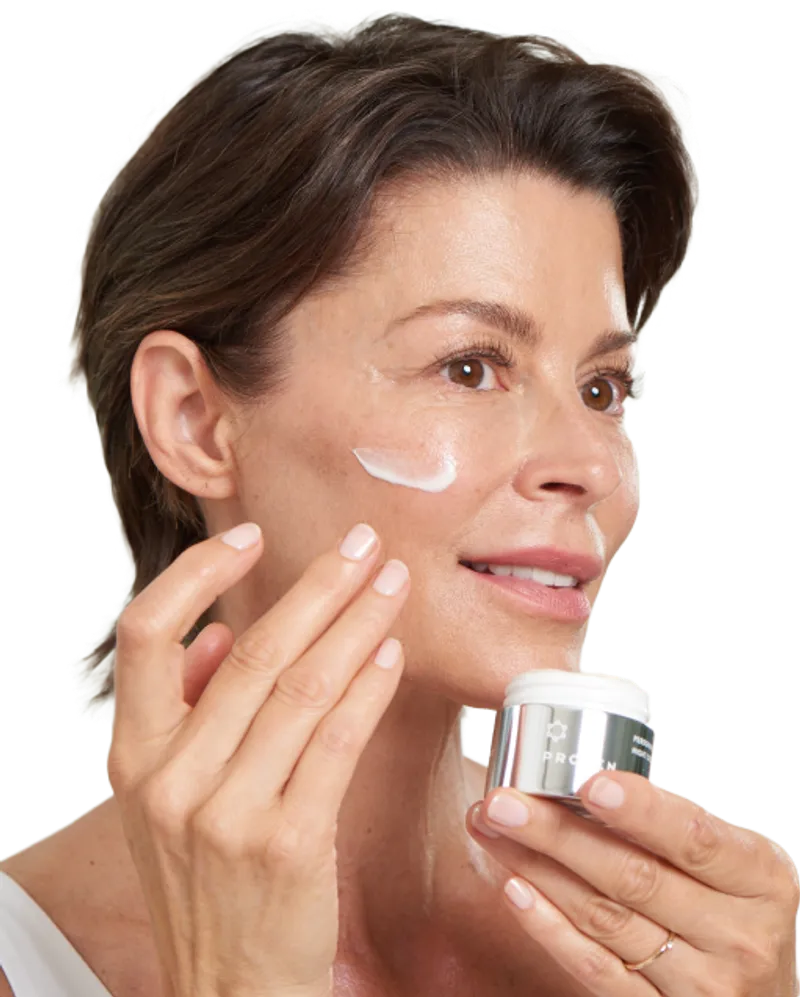
Hyperpigmentation, which causes dark spots, sun spots and uneven patches of skin on the face, known as Melasma, is one of the most common skin conditions in the world, affecting millions of people with different skin types, tones, and of any age. But just because it’s common doesn’t mean it’s any less stressful or problematic for the people who struggle with it.
If you’re struggling with hyperpigmentation, chances are you’re looking for a way to get rid of it—and fast. This hyperpigmentation blog will cover everything you need to know about how to treat dark skin due to sun exposure or injury. Let’s take a look at what hyperpigmentation is, some of the most common causes, and—most importantly—the best hyperpigmentation treatments to help you even out your skin and get rid of dark spots and patches once and for all.
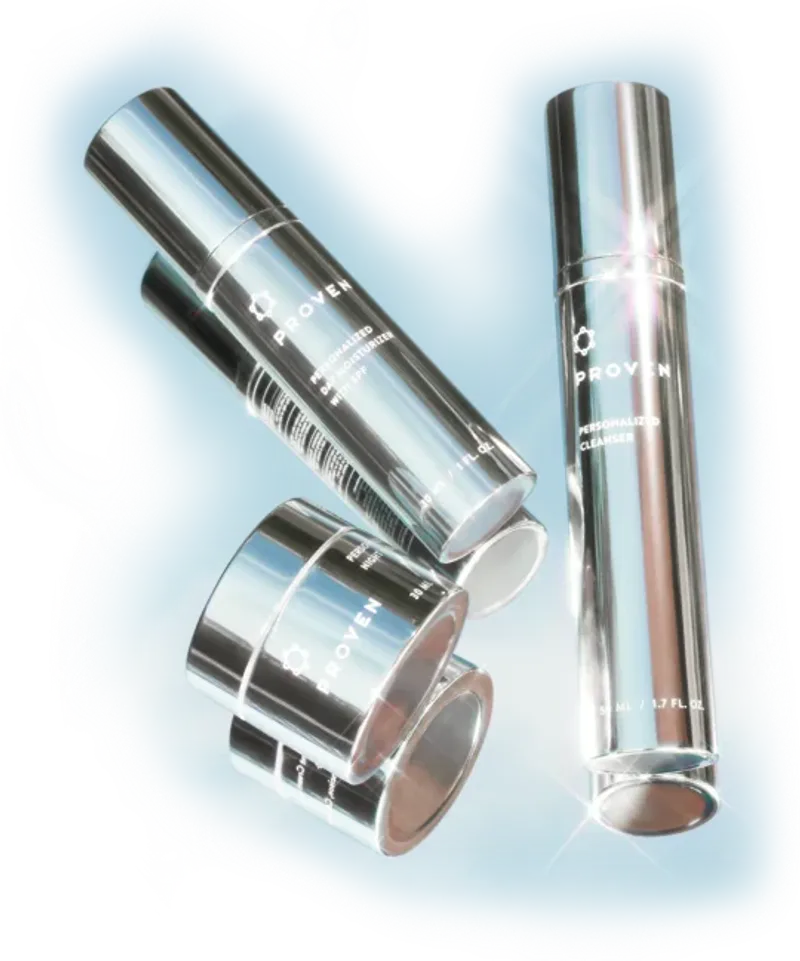
Custom Luxury Skincare At An Affordable Price
Say goodbye to dark spots and hello to radiant skin with your personalized skincare regimen.
What Is hyperpigmentation?
Hyperpigmentation is the darkening of a specific area of skin due to an increased melanin. Your skin produces melanin as a way to protect itself from the sun (which leads to the “tan” appearance of skin after sun exposure), but a number of factors can cause melanin production to go into overdrive, leading to deposits in certain areas of the skin that appear as dark spots or patches across the face.
Hyperpigmentation Causes
There are a number of hyperpigmentation causes that could contribute to discoloration of the skin. Some of the most common triggers for hyperpigmentation include:
Sun exposure
UV rays trigger the melanocytes in the skin to start producing pigment—and over time, too much exposure to the sun can trigger an overproduction of melanin, leading to hyperpigmentation. Sun exposure can also cause age spots or liver spots (as they are commonly called), freckles and uneven skin tone.
But does tanning help hyperpigmentation? Or can tanning even out hyperpigmentation? The answer to both these questions is no. In addition to causing hyperpigmentation, sun exposure (or exposure to artificial UV rays, like tanning beds) can actually worsen hyperpigmentation that originated from other causes (like post-inflammatory hyperpigmentation).
Pregnancy
Another type of hyperpigmentation is Melasma, also known as the mask of pregnancy. Obviously more common in pregnant women, it appears on the face in areas like the forehead, chin and above the lip, due to hormonal changes. Women should wear appropriate sunscreens as skin pigmentation and discoloration can be exacerbated by sun exposure. Oral contraceptives ("the pill" can also cause skin conditions in some women.
Post-inflammatory hyperpigmentation
Post-inflammatory hyperpigmentation (or PIH) is one of the leading causes of hyperpigmentation for black skin and other dark skin tones. PIH happens when pigment is produced in response to an injury to the skin, like a burn or hyperpigmentation from acne.
Skin tone
Hyperpigmentation treatments
Ok, so now that we know where hyperpigmentation comes from, let’s talk about the important part—how to treat it.
Here are some of the best hyperpigmentation treatments you can work into your skincare routine if you want to even out your skin and get rid of hyperpigmentation for good:
Don’t leave the house without sunscreen
Like we mentioned earlier, not only can sun exposure cause hyperpigmentation, but it can also worsen it; just a few minutes in the sun unprotected can darken skin discoloration and make the problem harder to treat.
Use a broad-spectrum sunscreen with at least SPF 30 every day—no exceptions. And if you’re planning on being outside for an extended period of time, make sure to reapply every two hours to keep your skin protected. Protective clothing, including a wide brimmed hat would be great for a day outside.
Exfoliate
Look for a serum or treatment with glycolic acid, which will exfoliate the skin, stimulate cell turnover, and help to fade hyperpigmentation.
Lighten and brighten
Educate yourself before choosing over-the-counter products. If they are too harsh, you may experience side effects like more skin issues or irritation. Some of the ingredients you’ll want to incorporate into your skincare regimen to treat hyperpigmentation and address dark spots and patches include these with brightening benefits:
- Vitamin C
- Licorice
- Bearberry
- Arbutin
- Kojic acid
- Niacinamide
- Hydroquinone
- Azelaic acid.
If your skin does not change with over-the-counter treatments, a visit to your dermatologist is a good idea. They can pinpoint causes of hyperpigmentation and how best to treat it. Chemical peels, laser treatments, microdermabrasion, and skin resurfacing may help and while there, he or she can give you a skin cancer check which you should schedule yearly.
Take care of your skin, avoid unprotected sun exposure and neglect that can lead to skin issues, dark spots, discoloration and premature aging. Start a daily, personalized skincare regimen to protect your skin health, and to keep you looking and feeling your best, inside and out.