

Keeps your skin healthy even if you spend a lot of time in the sun. The sun's heat dries out areas of unprotected skin and ultraviolet (UV) radiation can cause burning and photoaging.
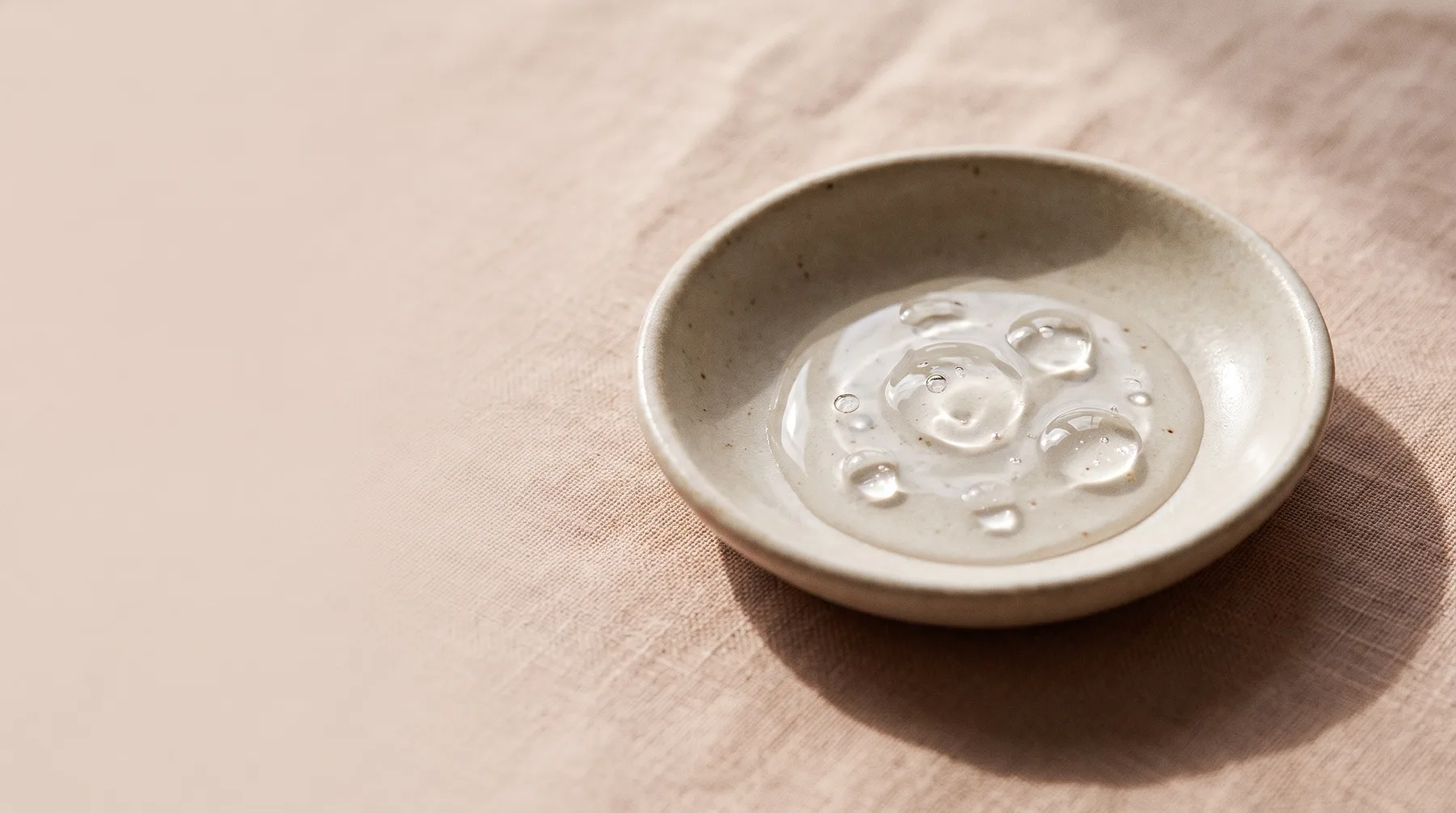
INGREDIENT
Hyaluronic Acid for Skin
Hyaluronic acid (HA) is a natural component of the skin and a potent hydrating ingredient, as its humectant properties allow it to bind to 1,000 times its weight in water. This excellent moisturizer is commonly incorporated in lotions, sheet masks, and serums to promote supple, healthy skin.
- 4.7 ★50,000+ reviews
- Clinically proven28-day independent study
- MIT AI IdolTechnology of the year
- 2 U.S. patentsPersonalization first
What is hyaluronic acid?
Hyaluronic acid, or hyaluronan, is the most abundant glycosaminoglycan found in the human dermis. This long-chain sugar molecule is also produced in the eyes, connective tissue, and joints. Hyaluronic acid maintains the skin’s natural moisture barrier, has anti-inflammatory effects, and repairs damage tothe body after injury. Since HA production gradually declines as we get older, replacing it topically canhelp replenish moisture.
What are the benefits of hyaluronic acid?
Hyaluronic acid for skin works wonderfully for hydrating dry and mature complexions and as an anti-aging component. It improves texture -- keeping the skin moist, dewy, and youthful-looking. Due to its water-binding and retaining capacity, HA fills in wrinkles and fine lines, providing a noticeable plumped-up effect. HA products formulated with a lower molecular weight can more easily penetrate the skin to deliver moisture and volume.
Best for these skin types
Oily skin
Hyaluronic acid allows oil glands to quit working overtime and provide just the amount of oil your skin requires to stay glowing and radiant.
Combination skin
Hyaluronic acid is a lightweight formulation that feels weightless on skin, while still providing the moisture it needs.
Dry skin
It is great for dry skin due to its hydrating and anti-aging properties.
Helps with these environmental & lifestyle factors
Keeps your skin hydrated and supple by locking in moisture even if you live in a region with dry air. Air that lacks humidity tends to dry skin out and cause itching, flaking or cracking of the skin.
Helps fight the effects of pollution on your skin. Polluted air contains small nanoparticles which cause premature aging. Clinical studies show that people with low pollution exposure levels have brighter, healthier, more radiant looking skin.
Calibrated for every age
It refines the skin, making it smoother, creating a more even skin tone, a brighter appearance, and gives you radiant skin from within.
It is a perfect fit to address the primary skin care concerns for people in their 20s and early 30s. Make it a part of your regular skin care routine for healthy, beautiful skin.
This is a great time to make it a part of your skincare routine as you start thinking about incorporating more ingredients with anti-aging benefits.
It is a great bet for consistent, everyday incorporation in your skincare routine as it not only will tighten up your anti-aging regimen but also help you achieve firmer, more youthful skin.
As skin matures, it tends to lose hydration and feel dry. This helps hydrate and plump the skin, reducing the appearance of fine lines and wrinkles.
Works well with these other ingredients
Hyaluronic acid can be layered with other skincare ingredients for optimum results. This hydrating substance pairs well with Vitamin C, ceramides, antioxidants, lactic acid, and Alpha hydroxyl acids (AHA), among others. Research also shows that HA applied after retinol may help combat irritation and increase product penetration.
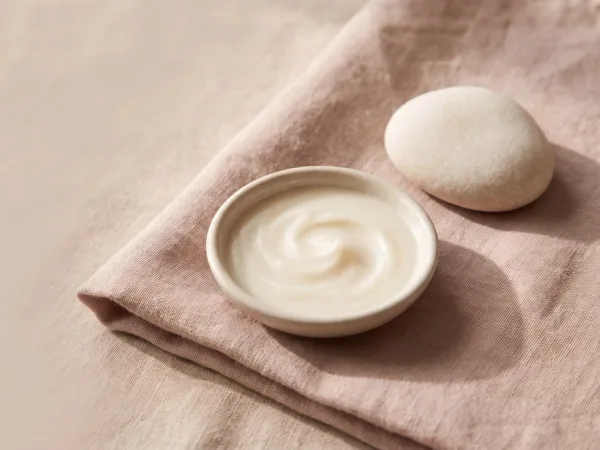 01 / 03
Ceramides
Allow the skin to stay moist and hydrated, and protect the skin’s barrier protection
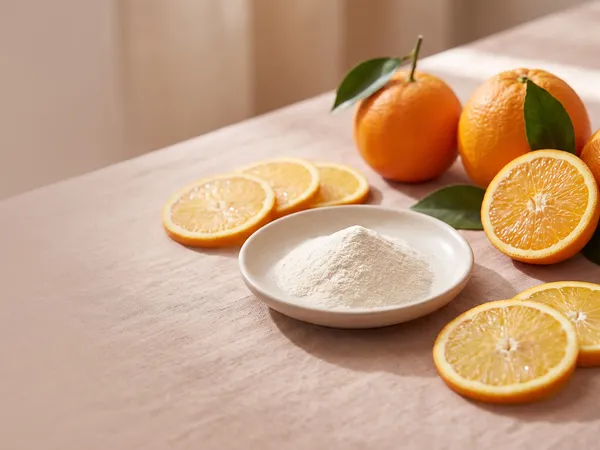 02 / 03Key active
Vitamin C
A brightening, firming antioxidant that promotes collagen production and helps fade dark spots and discoloration
 03 / 03
AHA
An exfoliant that helps unclog pores, get rid of dead skin cells and speed up cell turnover for an even skin tone
Usage Guide
How to use hyaluronic acid?
Incorporating hyaluronic acid into your skincare routine both morning and night will enable the product to draw moisture from the deeper layers of the epidermis. With continued use, HA can help reduce the appearance of wrinkles, promote a smooth texture, and combat redness and other symptoms of dry and photo-aged skin.
When to use hyaluronic acid?
For best absorption, use hyaluronic acid after cleansing and exfoliating your skin, before heaviermoisturizers or sunscreen. Dermatologists recommend applying hyaluronic acid to slightly damp skin,which helps the molecules work their moisture-locking magic.
What is hyaluronic acid found in?
Hyaluronic acid is found in the extracellular matrix of human tissues. Quality hyaluronic acid used inscience-based skincare products is extracted from plant-based microbial fermentation in a laboratory setting. This lab-based version is formulated with lower molecular weights for better penetration intothe dermis.
Is hyaluronic acid suitable for sensitive skin?
Yes, hyaluronic acid is non-irritating and perfect for those with sensitive or acne-prone skin. It does notclog pores or trigger breakouts. Research has shown that HA can help calm inflammatory skinconditions, including rosacea, erythema, scaliness, and allergic reactions.
Hyaluronic acid side effects
Hyaluronic acid is biocompatible and safe for everyone. There are no known side effects of topicalhyaluronic acid use since it is naturally produced by our bodies. Studies have demonstrated that hyaluronic acid in skincare:
- Fortifies the skin barrier
- Attracts and maintains moisture
- Protects against free radicals
- Corrects textural issues
- Improves skin elasticity
- Diminishes lines and wrinkles
- Speeds wound healing
Ingredients to avoid with hyaluronic acid
Hyaluronic acid is a naturally occurring substance in the human body and is well-tolerated in both topical and injectable forms. This soothing humectant pair wells with most ingredients, and few negativereactions have been reported.
Find out if you need hyaluronic acid
Properly hydrated skin is healthier and less vulnerable to UV damage and other environmental stressors. Wondering if hyaluronic acid is right for your skin type? Create your own personalized skincare that’sdesigned for your concerns by takin the PROVEN 3-minute Skin Genome Quiz™.
The PROVEN system
Your personalized system
A cleanser, day moisturizer, and night cream — calibrated to your skin from the 3-step Skin Genome Quiz.
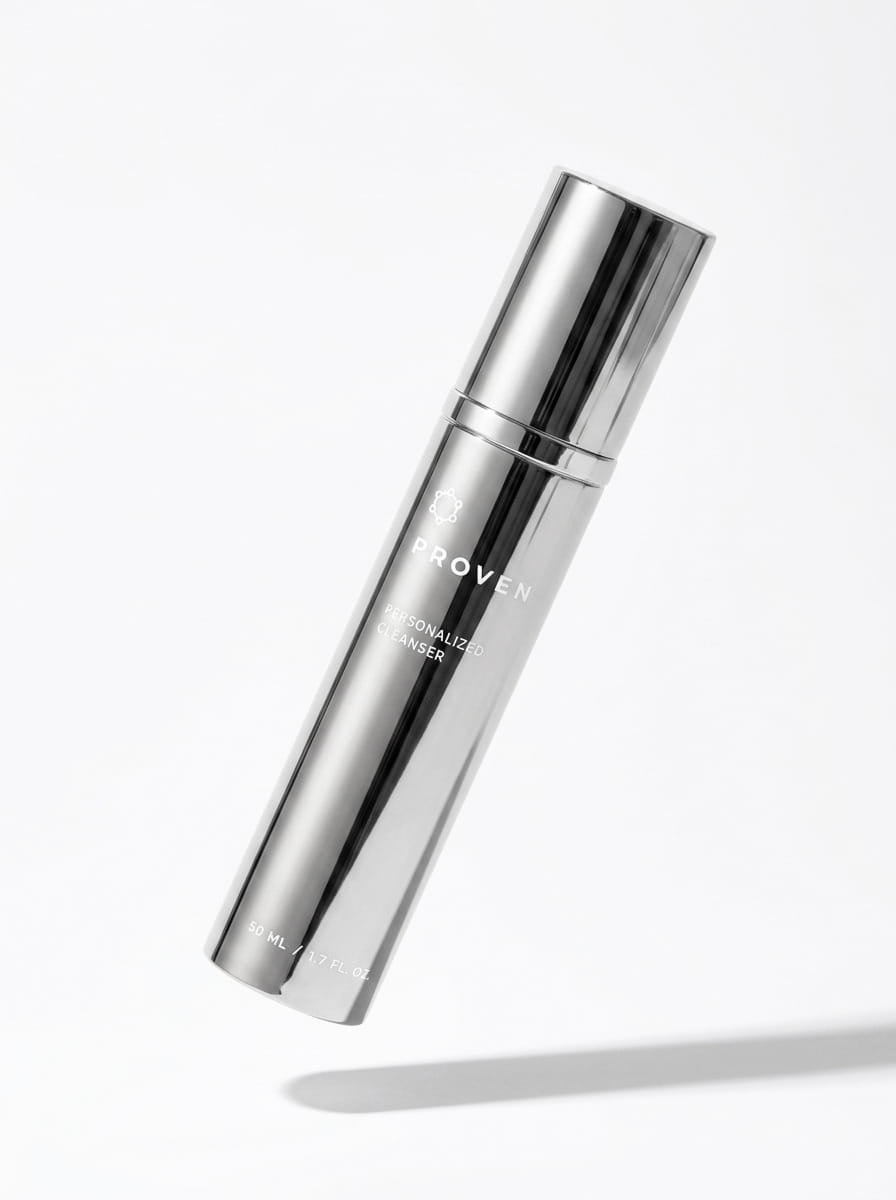
Personalized Cleanser
A gentle wash with exfoliating and toning properties — calibrated to your skin.
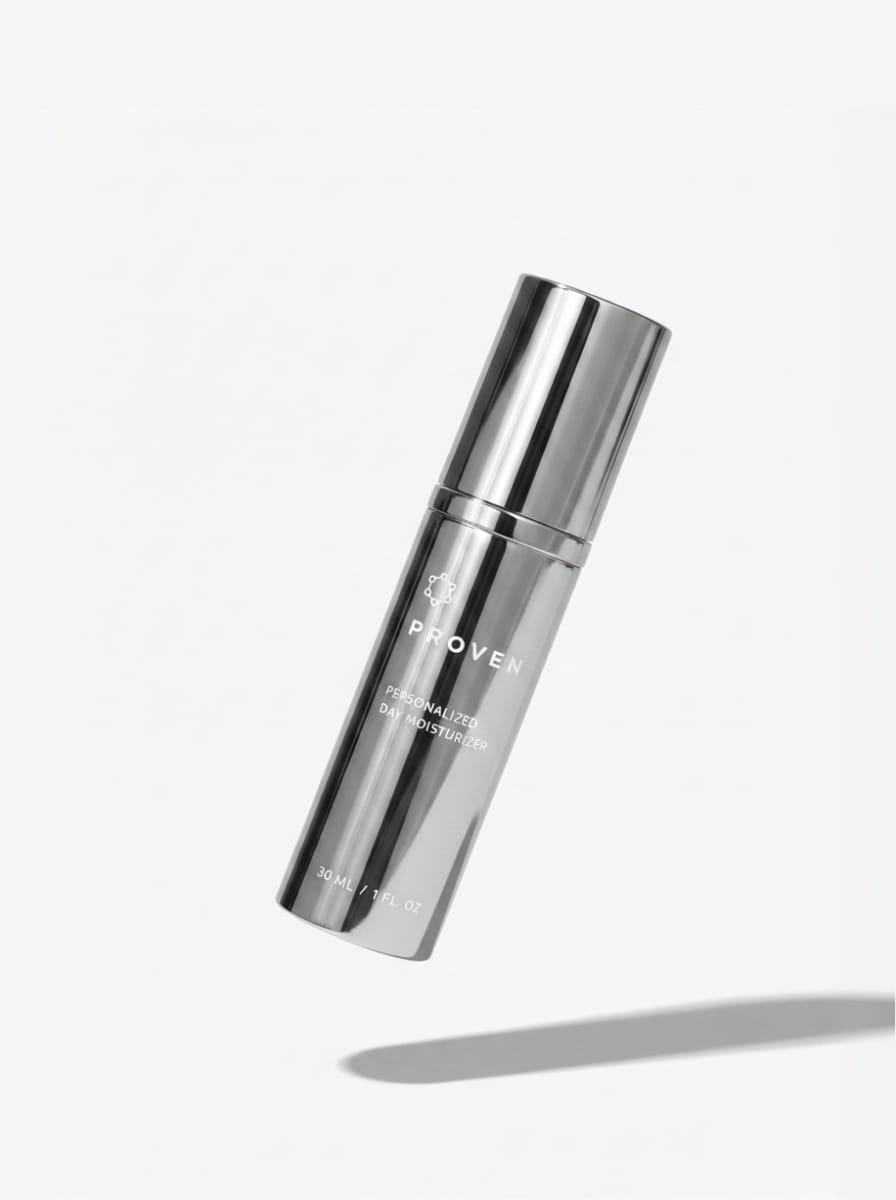
Personalized Day Moisturizer
Lightweight daytime hydration — formulated for your skin.
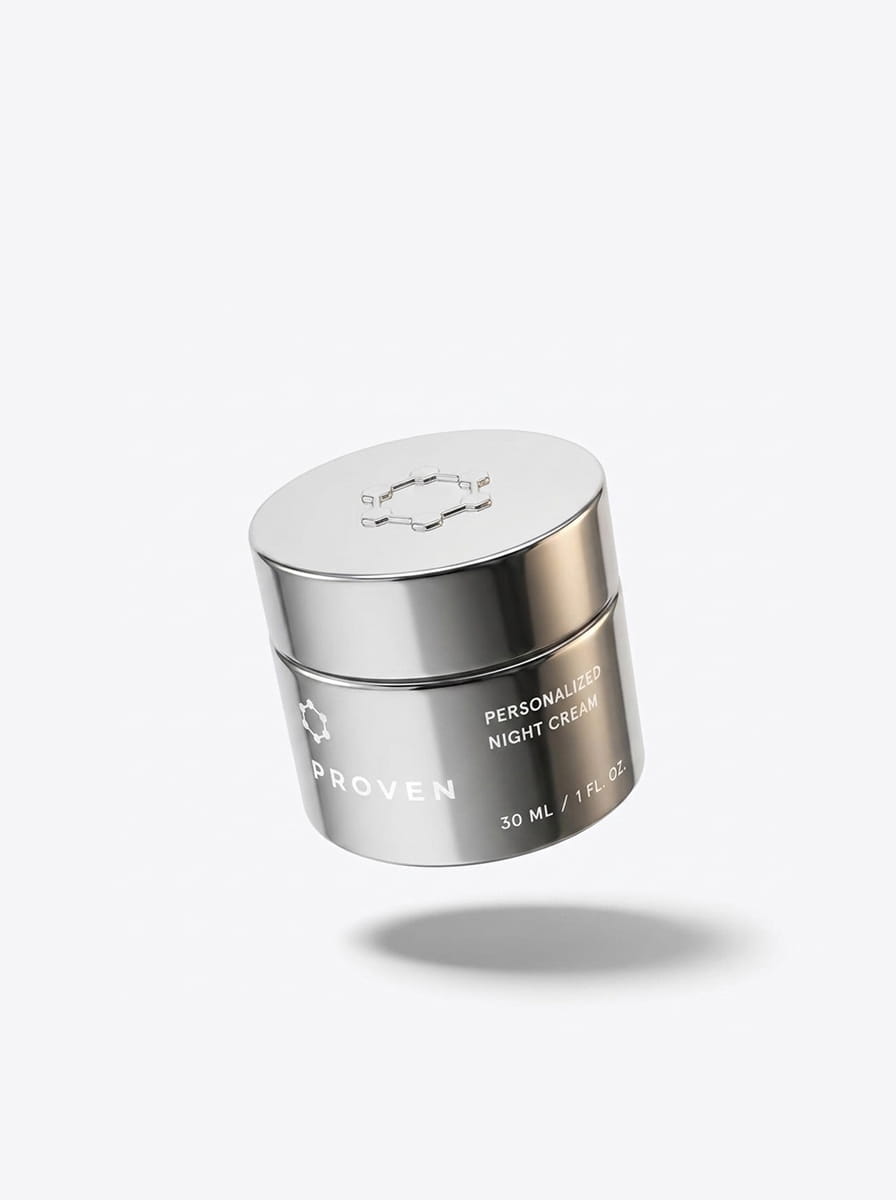
Personalized Night Cream
Overnight repair with the active ingredients your skin needs most.
25% off first order + 15% off subscription bonusTake the 3-min quiz
Clinically proven. Consciously made.
In a 28-day clinical study, 87% noted softer skin, 94% noted smoother skin, and 81% noted a brighter complexion.
Always cruelty-free. Never formulated with phthalates, parabens, SLS, or formaldehyde.
Formulated and filled in an FDA-approved US laboratory. Made stateside, end to end.
Getting the most from hyaluronic acid
A few small habits help hyaluronic acid draw and hold moisture where your skin needs it.
- Apply to damp skin Smooth it on right after cleansing, while skin is still slightly damp. That gives the humectant water to bind, so it locks moisture in rather than pulling it from the surface.
- Layer it early Use it after cleansing and exfoliating, before heavier moisturizers or sunscreen. Sealing it under a richer cream helps hold the hydration in place.
- Use morning and night Applied twice daily, hyaluronic acid keeps drawing moisture from the deeper layers of skin. With continued use it helps soften the look of fine lines and supports a smoother texture.
- Pair it with actives Hyaluronic acid plays well with almost everything, including ceramides, vitamin C, and AHAs. It is non-comedogenic and gentle enough for sensitive and acne-prone skin.
- Match it to your skin Whether hyaluronic acid belongs in your routine depends on your hydration levels and environment. The Skin Genome Quiz reads those factors and builds a formula around them.
Real results
Real results, real people.
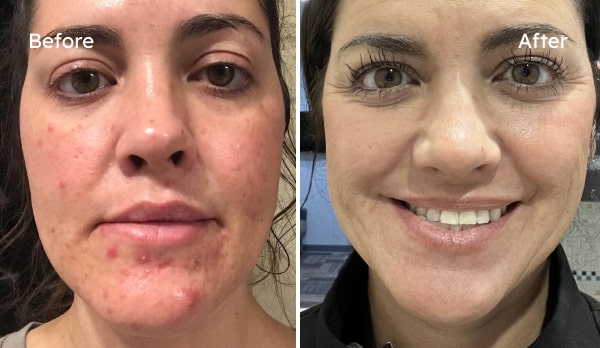
“It’s so clear and I can go without makeup and it looks amazing. I used to be so ashamed to walk around with no makeup, had terrible acne! This has been a game changer for me!”
Persistent inflammatory acne + barrier disruption = gentle sebum balance + barrier rebuild system.
1 of 6