

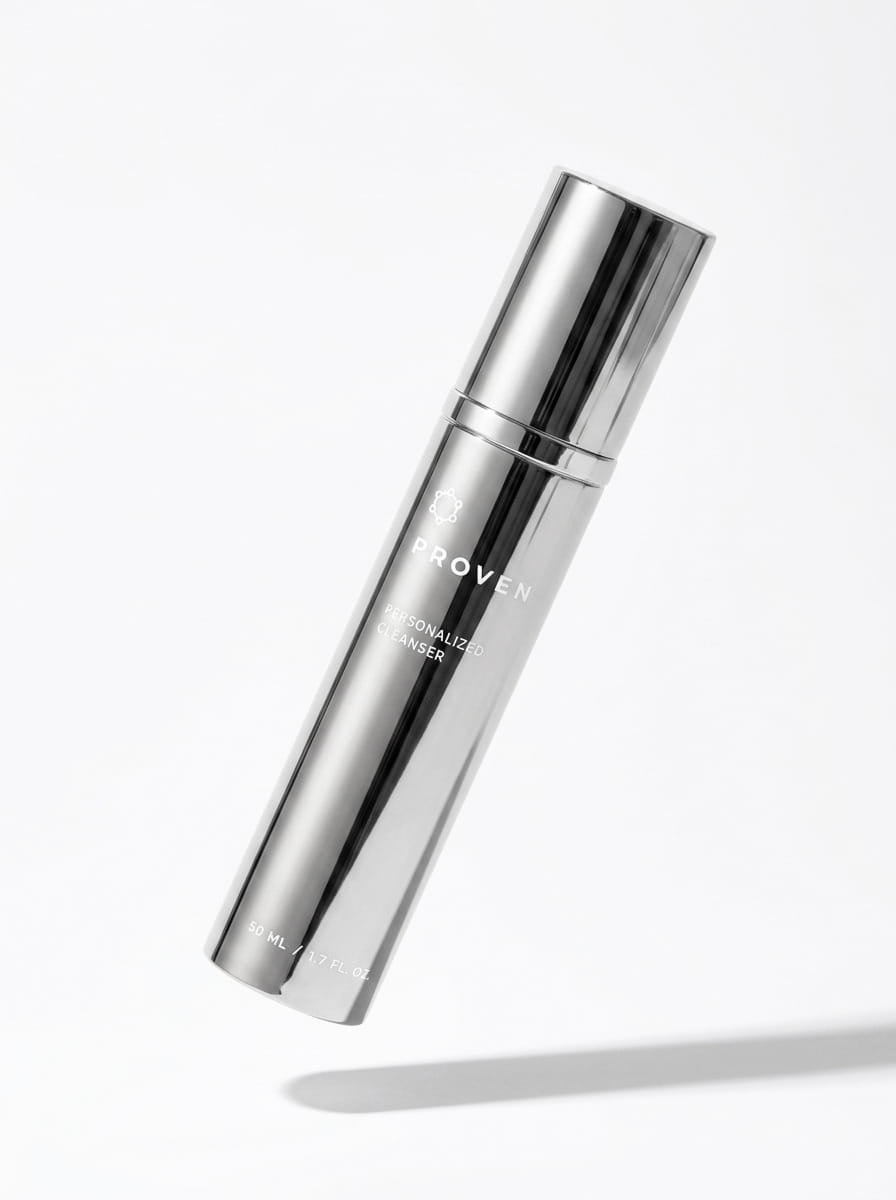
Personalized Cleanser
A gentle wash with exfoliating and toning properties — calibrated to your skin.
Retinol and hyaluronic acid are well-loved in the world of skincare, but will they work together, or will the combination wreak havoc on your skin?

Hyaluronic acid is the MVP of hydration. It draws water from deep within the skin and pulls it to the surface, keeping the skin dewy all day. Its molecules can hold up to 1,000 their weight in water, which is why it’s the go-to ingredient for reducing dryness.
It may be known as a skincare ingredient, but it can already be found in our bodies — it’s what we naturally need to keep our skin well-lubricated. However, as we age, our body’s ability to produce this acid declines. That’s why we need to give it a boost ourselves.
Here’s why hyaluronic acid is a worthy addition to your routine:
If there’s one ingredient that beauty gurus swear by, it’s retinol. This derivative of Vitamin A is an over-the-counter version of retinoids, meaning it’s gentler and suits most skin types. Even if isn’t as strong as retinoids, it’s still a powerful anti-aging ingredient that can get rid of wrinkles by boosting collagen production.
Retinol tends to make your skin look its worst before it can look its best, so if you notice any side effects, don’t worry. It’s part of the process. Applying retinol and hyaluronic acid together can help with that, anyway (more on this later).
Your skin will have to get used to retinol, but the benefits will outweigh the stress it will go through. Let’s take a look at why retinol is such a skincare staple:
Yes, you can (and should) use retinol and hyaluronic acid together. While retinol and hyaluronic acid work well on their own, when combined, they become a dynamic duo. This is because they balance each other out — retinol is known to dry out the skin, but hyaluronic acid can combat this by boosting the skin’s moisture levels. Think of it this way — when you use retinol, your skin becomes “thirsty”, so you’ll need a way to quench that thirst.
Since it can take weeks for your skin to adapt to retinol, it helps to use hyaluronic acid to mitigate the reactions that come with retinol use. This will enable you to benefit from retinol’s anti-aging properties without suffering from the usual side effects.
Even if your skin gets used to retinol, it’s a good idea to keep using hyaluronic acid alongside it. This is particularly true if you have dry or sensitive skin, or if you decide to increase the strength of your retinol.
So, should you use retinol or hyaluronic acid first? To get the best of both ingredients, it’s best to apply retinol first. If you’re wondering what the correct retinol and hyaluronic acid order is, here’s how to combine these two powerful ingredients in your routine:
Step 1: Cleanse your face. As a general rule, your skincare routine should start with a good cleanse. Get rid of all the dirt and debris that has built up on the surface of your skin so that your skincare products can deeply penetrate your pores.
Step 2: Dry your skin. Be sure to pat (not rub) your skin dry. Rubbing can cause skin concerns and speed up the skin aging process.
Step 3: Apply retinol. Put on retinol first so your skin can soak in the product. Make sure your skin is dry as wet skin can increase retinol’s potency, making your skin more susceptible to irritation.
Step 4: Wait for the retinol to dry. When using retinol and hyaluronic acid together, do not immediately apply hyaluronic acid as it can “water down” the retinol. Wait for the retinol to completely dry — it should take about 30 minutes for the product to be absorbed by your skin.
Step 5: Apply hyaluronic acid. Put hyaluronic acid on top of the retinol. This will increase your skin’s ability to tolerate the irritation that retinol can cause. If you opt for a hyaluronic acid-infused moisturizer, apply it after retinol and the rest of your serums.
This duo is meant to be used at night. Retinol should only be used in the evening as it can increase your skin’s sensitivity to ultraviolet (UV) light. With that said, be sure to protect your skin by wearing broad-spectrum sunscreen when the sun is out. During the day, you can use a hyaluronic acid serum or hyaluronic acid-infused cream on its own. That way, you can make the most of its moisture-boosting properties (your skin needs to stay hydrated during the day, too!).
There’s an extremely low chance of experiencing side effects when using retinol and hyaluronic acid together. If your skin does get irritated, it will likely be caused by the retinol itself, not by the combination of the two ingredients. In this case, consider switching to a lower-concentration retinol. People with dry or sensitive skin can also opt for retinol-infused products instead of pure retinol.
Now that you know you can use retinol and hyaluronic acid together, you’re probably wondering what other ingredients can be combined. After all, who would want to miss out on other great ingredients such as Vitamin A, Vitamin C, and green tea? To keep your skin looking its best (and to protect you from bad skincare combinations), we’ve developed the Skin Quiz. With this tool, we can formulate a skincare routine made of ingredients that are guaranteed to work together, not to mention target your skin concerns.
Take our Skin Quiz today to take the guesswork out of figuring out what ingredients work together. By creating your Personalized Skincare System, you can be confident in your skincare pairings and give your skin the TLC it deserves.
Built from 47 factors of your skin profile — a cleanser, day moisturizer, and night cream calibrated to you from the 3-step Skin Genome Quiz.
A gentle wash with exfoliating and toning properties — calibrated to your skin.
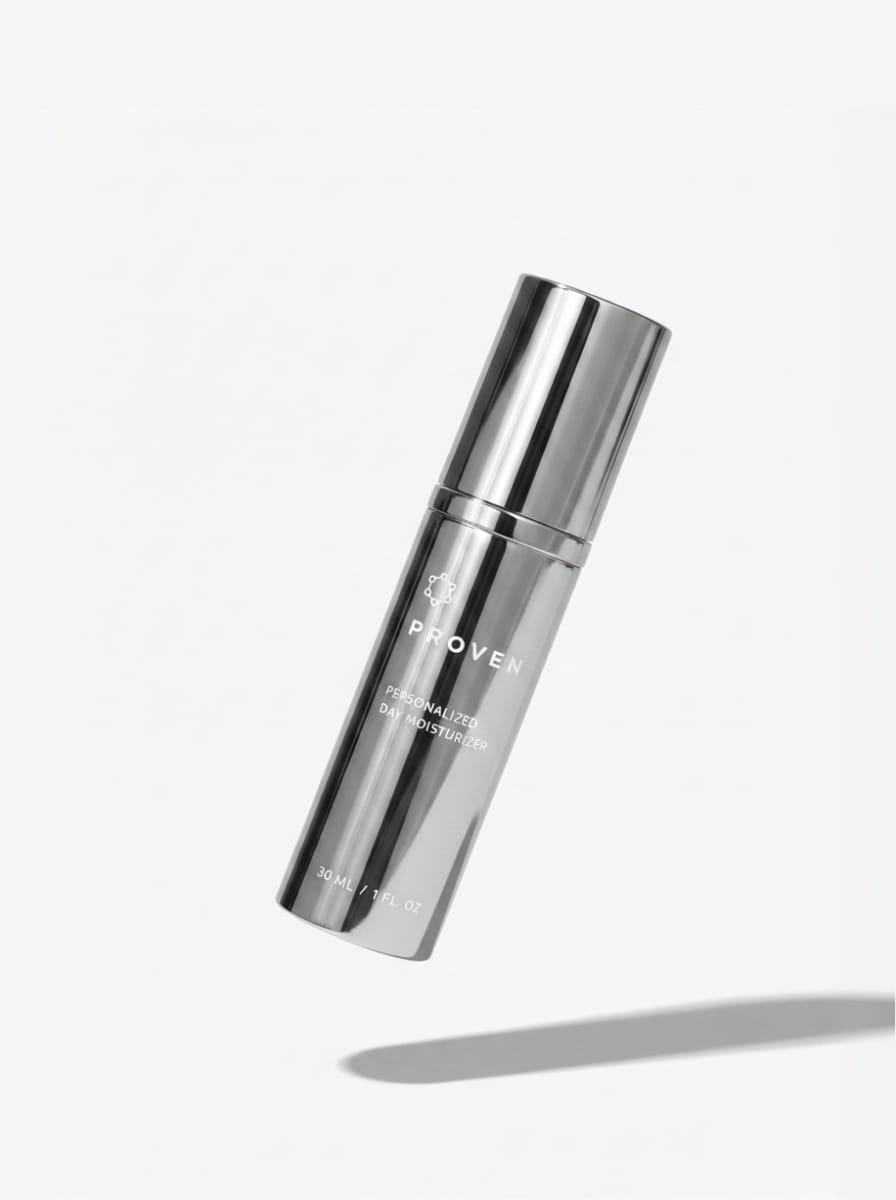
Lightweight daytime hydration — formulated for your skin.
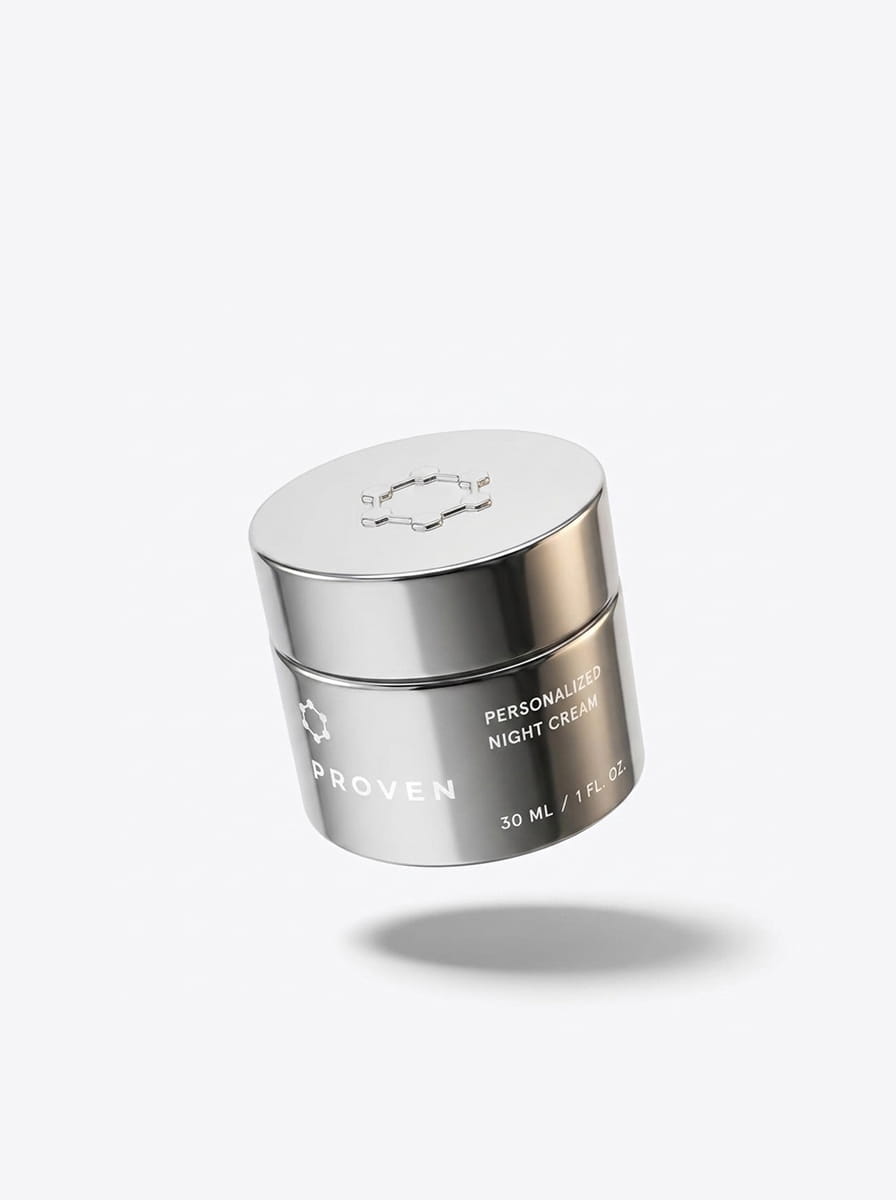
Overnight repair with the active ingredients your skin needs most.