

Keeps your skin hydrated and supple by locking in moisture even if you live in a region with dry air. Air that lacks humidity tends to dry skin out and cause itching, flaking or cracking of the skin.
INGREDIENT
Glycerin for Skin
Due to its proven emollient and moisturizing properties, glycerin is commonly used in skincare products to quench dry, thirsty skin.
- 4.7 ★50,000+ reviews
- Clinically proven28-day independent study
- MIT AI IdolTechnology of the year
- 2 U.S. patentsPersonalization first
What is glycerin?
Glycerin, also known as glycerol, is a powerful hydrator that provides the backbone of all animal and vegetable triglycerides. This compound-- a colorless and odorless sugar alcohol-- naturallyoccurs in the body and is also derived from soybeans and cane sugar, and other manufacturingprocesses. Glycerol is highly viscous and is one of the best moisturizing ingredients, thanks to its humectant properties.
What are the benefits of glycerin?
There are many benefits of glycerin for skin hydration and overall health. It draws moisture from the air into the deeper layers of the dermis, keeping the skin soft and supple. Glycerin has a low molecular weight, allowing it to penetrate deeply and stabilize the skin’souter barrier layer. Research shows that glycerin can help:
- ensure lasting hydration
- protect against environmental irritants
- promote faster wound healing
- prevent loss of moisture from the stratum corneum (outer layer of skin)
- improve skin elasticity and resiliency
Helps with these environmental & lifestyle factors
Keeps your skin as its best even when you are jet-setting around the world. It prevents acne and redness flare-ups triggered by travel stress and fights skin dryness caused by cabin air.
Cuts through the mineral deposits to lessen hard water’s effects on your skin. Hard water causes accumulation of soap scum and minerals which break down the lipid barriers that protect our skin and trigger chronic dryness, clogged pores, inflammation and rosacea.
Calibrated for every age
It refines the skin, making it smoother, creating a more even skin tone, a brighter appearance, and gives you radiant skin from within.
It is a perfect fit to address the primary skin care concerns for people in their 20s and early 30s. Make it a part of your regular skin care routine for healthy, beautiful skin.
This is a great time to make it a part of your skincare routine as you start thinking about incorporating more ingredients with anti-aging benefits.
It is a great bet for consistent, everyday incorporation in your skincare routine as it not only will tighten up your anti-aging regimen but also help you achieve firmer, more youthful skin.
As skin matures, it tends to lose hydration and feel dry. This helps hydrate and plump the skin, reducing the appearance of fine lines and wrinkles.
Works well with these other ingredients
Glycerin works well with other hydrating agents such as jojoba oil, hyaluronic acid (HA), Vitamin E, and rosewater. A recent study suggests that glycerin, HA, and the extract of a medicinal herb called Centella asiatica improves skin barrier function for up to 24 hours.

Usage Guide
How to use glycerin?
To heal dry skin and ward off signs of premature skin aging, dermatologists recommend gentle cleansing and moisturizing with glycerin-containing products two to three times a day. Since glycerin prevents loss of water in the epidermis, it is ideal for those who live in arid climates.
When to use glycerin?
Skincare formulas containing glycerin are beneficial for combating dry, scaly, and compromisedskin exacerbated by cold and dry weather. Glycerin is an effective ingredient to cleanse andmoisturize skin without stripping away oils or causing irritation. For this reason, it is frequentlyutilized in products used to treat eczema, psoriasis, and cracked skin.
What is glycerin found in?
The vast majority of cosmetics and skincare products contain glycerin. This hydrating agent is acommon ingredient in cleansers, soaps, facial masks, moisturizers, serums, sunscreen, and healing ointments.
Is glycerin suitable for sensitive skin?
Yes, glycerin is compatible with all skin types, including sensitive skin. This is because itreplenishes the skin’s natural moisture barrier, shielding it from stressors like pollution, UVrays, and other irritants.
Glycerin side effects
Glycerin for face hydration and daily moisturizing is very safe. There are no reported side effects of topical application, as this humectant is non-comedogenic and naturally occurs in healthy skin. Glycerin should be diluted and not used at 100% strength. Redness, burning, or itching may be signs of an allergic reaction.
Ingredients to avoid with glycerin
Glycerin has been used as a moisturizer for years and has a long track record of safety. There are no known ingredients reported to have adverse effects when used with glycerin.
Find out if you need glycerin
Should glycerin be an active ingredient in your skincare products? Take our 3-minute skin quiz for a personalized analysis today. PROVEN skincare is personalized for you and takes the guesswork out of finding effective formulas for your lifestyle and needs.
The PROVEN system
Your personalized system
A cleanser, day moisturizer, and night cream — calibrated to your skin from the 3-step Skin Genome Quiz.
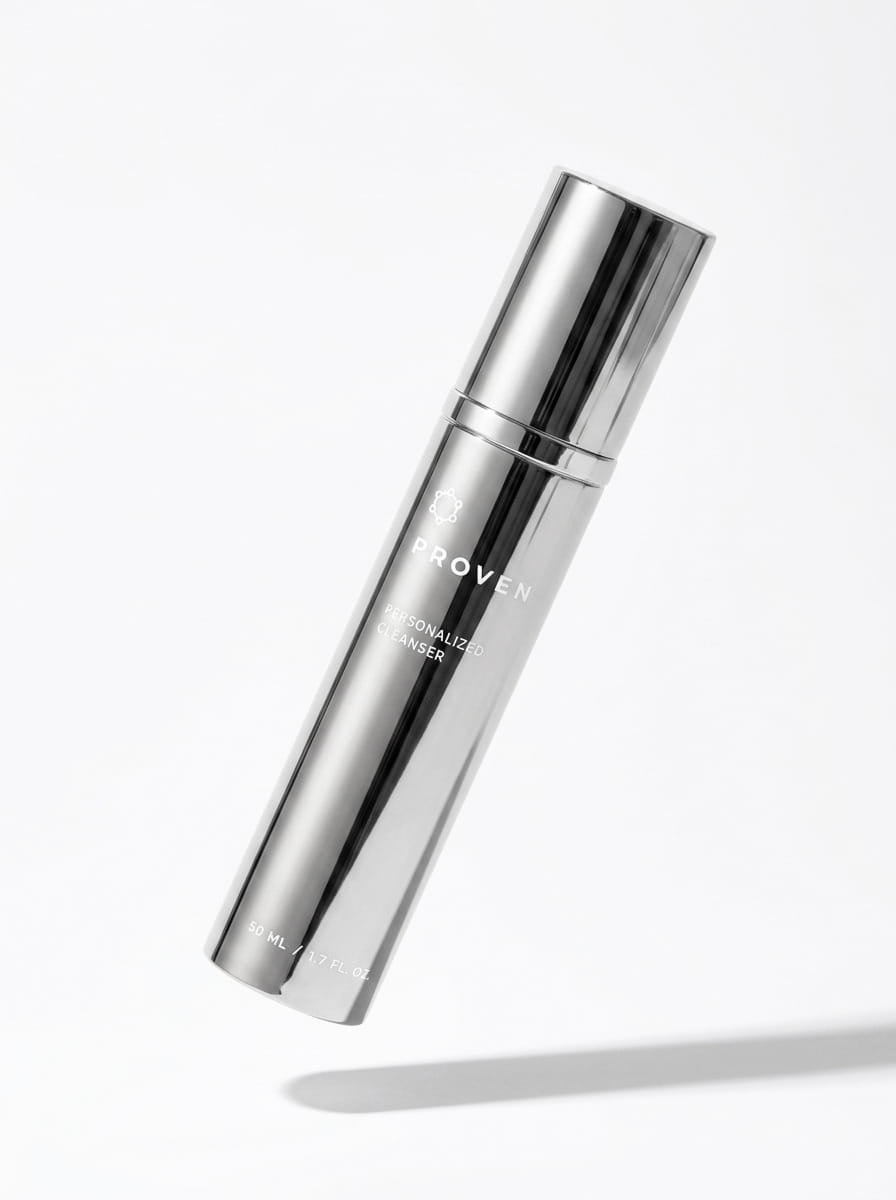
Personalized Cleanser
A gentle wash with exfoliating and toning properties — calibrated to your skin.
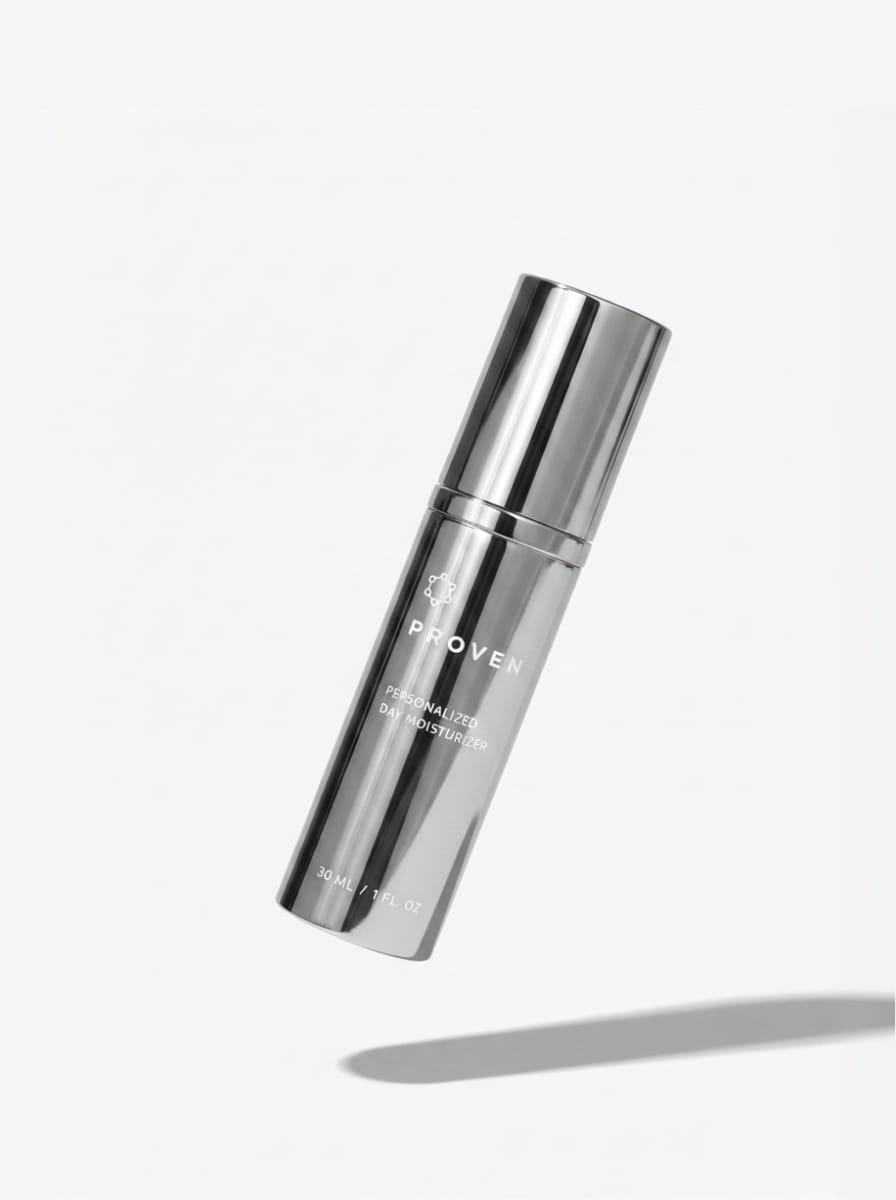
Personalized Day Moisturizer
Lightweight daytime hydration — formulated for your skin.
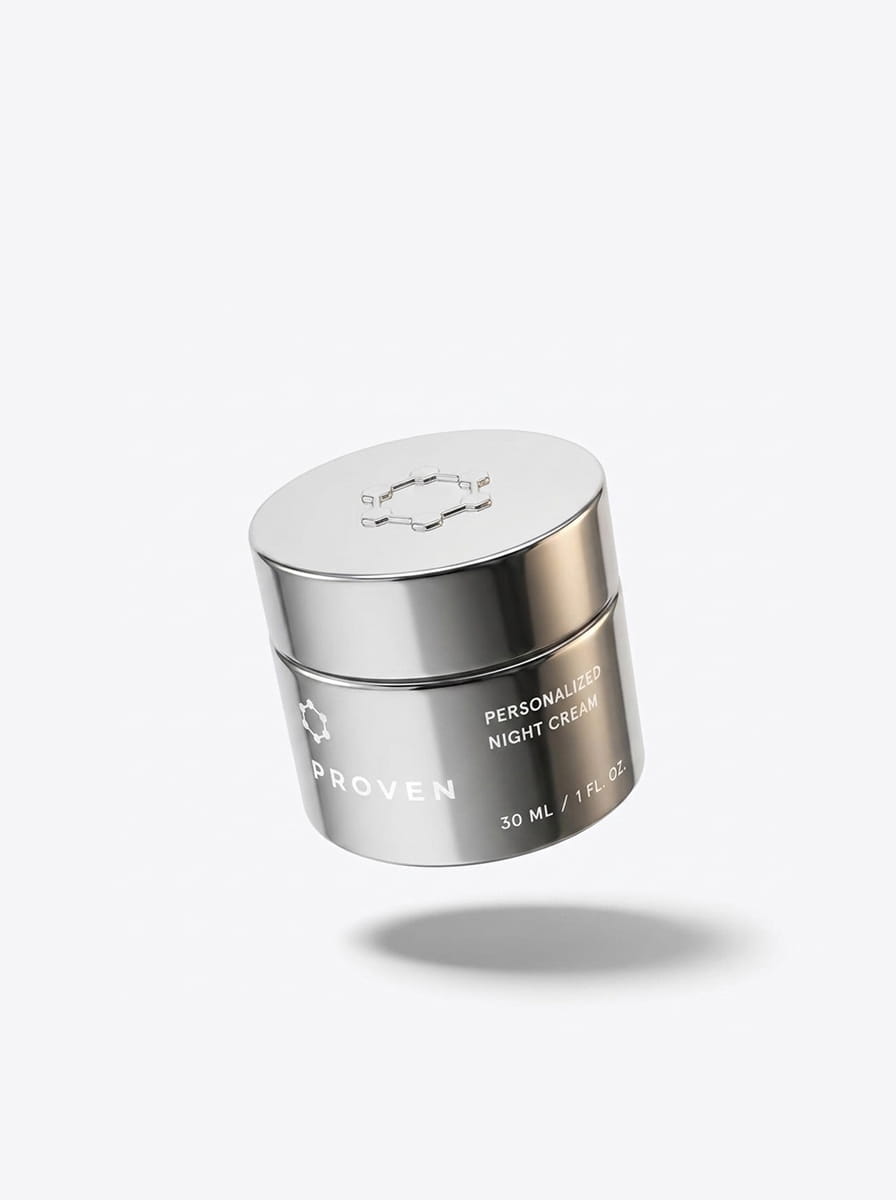
Personalized Night Cream
Overnight repair with the active ingredients your skin needs most.
From $99Take the 3-min quiz
Clinically proven. Consciously made.
In a 28-day clinical study, 87% noted softer skin, 94% noted smoother skin, and 81% noted a brighter complexion.
Always cruelty-free. Never formulated with phthalates, parabens, SLS, or formaldehyde.
Formulated and filled in an FDA-approved US laboratory. Made stateside, end to end.
Getting the most from glycerin
A humectant that pulls moisture into the skin and helps hold it there — here’s how to help glycerin keep your skin soft and supple.
- Seal it in Glycerin draws water into the deeper layers of skin, so follow it with a moisturizer or oil. That locks the hydration in instead of letting dry air pull it back out.
- Pair it with hyaluronic acid Two humectants working together deliver deeper, longer-lasting hydration. Glycerin’s low molecular weight helps it penetrate and stabilize the skin’s outer barrier.
- Lean on it in dry conditions Low humidity, frequent travel, and hard water all pull moisture from your skin. Glycerin helps counter each one, keeping skin from feeling tight, flaky, or stripped.
- Skip the undiluted form Glycerin should be diluted, never used at full strength. In skincare formulas it stays gentle and non-comedogenic, suited even to sensitive skin.
- Use it morning and night Gentle enough for twice-daily cleansing and moisturizing, glycerin cleanses without stripping oils. Consistent use is what keeps the barrier resilient over time.
Real results
Real results, real people.
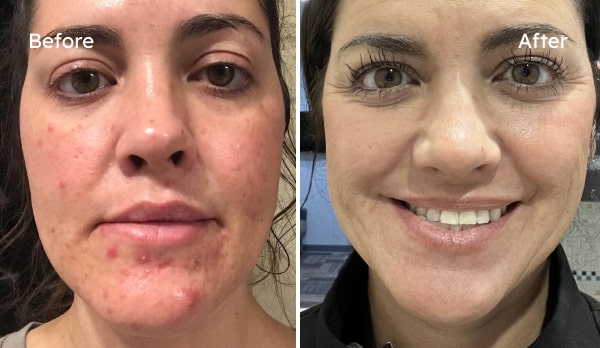
“It’s so clear and I can go without makeup and it looks amazing. I used to be so ashamed to walk around with no makeup, had terrible acne! This has been a game changer for me!”
Persistent inflammatory acne + barrier disruption = gentle sebum balance + barrier rebuild system.
1 of 6
Build your own personalized formula
Take the quizNeed more help? Email care@provenskincare.com