

It refines the skin, making it smoother, creating a more even skin tone, a brighter appearance, and gives you radiant skin from within.
INGREDIENT
Ceramides for Skin
Ceramides are a key player in the integrity of the skin's semipermeable barrier, also known as the stratum corneum. Without adequate levels of these lipid molecules, the skin is more susceptible tophoto-aging, pollution, infection, and the adverse effects of harsh weather.
- 4.7 ★50,000+ reviews
- Clinically proven28-day independent study
- MIT AI IdolTechnology of the year
- 2 U.S. patentsPersonalization first
What are ceramides?
Ceramides account for 50 percent of the fatty layer within the outer epidermis and protect against noticeable signs of intrinsic aging. Ceramides are naturally occurring waxy lipids in cell membranes that form a barrier on the skin's outer surface. These intercellular fatty molecules are a class of sphingolipids and help prevent dehydration and damage from environmental stressors. After the age of 20, the ceramide production in the epidermis slows down -- roughly 1 percent less each year. Overuse of harsh exfoliants, seasonalchanges, UV exposure, and lifestyle habits can also deplete the body's ceramide levels.
What are the benefits of ceramides?
Ceramides fortify the epidermal barrier and are an established anti-aging ingredient. These free lipids bind multiple layers of the stratum corneum, preventing moisture loss and providing firmer, plumper- looking skin that is less prone to wrinkles. Ceramides have shown tremendous potential as an adjunct to acne treatment and are also effective at treating dry skin, photo-aged skin, psoriasis, and atopic dermatitis (eczema).
Ceramides reduce the effects of the following lifestyle and environmental factors on your skin.
High UV Exposure
Keeps your skin healthy even if you spend a lot of time in the sun. The sun's heat dries out areas of unprotected skin and ultraviolet (UV) radiation can cause burning and photoaging.
Low Humidity Level
Keeps your skin hydrated and supple by locking in moisture even if you live in a region with dry air. Air that lacks humidity tends to dry skin out and cause itching, flaking or cracking of the skin.
Pollution Protection
Helps fight the effects of pollution on your skin. Polluted air contains small nanoparticles which cause premature aging. Clinical studies show that people with low pollution exposure levels have brighter, healthier, more radiant looking skin.
Ceramides help with these skin types:
Dry skin
Ceramides by improving skin moisturization and hydration help to improve the condition of irritated or inflamed skin.
Normal skin
Ceramides keep your skin soft and supple. Without them, your skin can undergo transepidermal water loss which makes your skin dry, wrinkled and dehydrated.
Oily skin
Ceramides are found naturally in the skin, so they are appropriate for all skin types—including oily and acne-prone skin.
Good for these age ranges:
Ceramides are beneficial for people in the following age ranges.
Calibrated for every age
It is a perfect fit to address the primary skin care concerns for people in their 20s and early 30s. Make it a part of your regular skin care routine for healthy, beautiful skin.
This is a great time to make it a part of your skincare routine as you start thinking about incorporating more ingredients with anti-aging benefits.
It is a great bet for consistent, everyday incorporation in your skincare routine as it not only will tighten up your anti-aging regimen but also help you achieve firmer, more youthful skin.
As skin matures, it tends to lose hydration and feel dry. This helps hydrate and plump the skin, reducing the appearance of fine lines and wrinkles.
Works well with these other ingredients
Most ingredients work well with ceramides in skincare products since they are pH neutral lipids and will not degrade the other components' potency. For optimum efficacy in repairing the skin barrier, ceramides must be combined with the proper ratio of fatty acids and cholesterol. A ceramide-enriched serum or lotion complements other key products, including niacinamide, peptides, hyaluronic acid, linoleic acid, and retinol.

Usage Guide
How to use ceramides?
Ceramides can better penetrate the skin after exfoliation with an AHA or BHA product that removesdead skin cells. Retinoids, antioxidants, and other actives should be applied before ceramide solutions,which will help seal in these products. With a daily application for 1-3 months, ceramides can producesmoother, more youthful-looking skin.
When to use ceramides?
When the body's ceramide levels decline, the skin becomes drier and more susceptible to free radical damage. If the natural lipid barrier of the skin is compromised, it may be time to incorporate ceramideproducts into your skincare routine. Ask your dermatologist about the benefits of ceramides foraddressing psoriasis, eczema, and hydrating aging skin.
What are ceramides found in?
Ceramides are found in the cell membranes of both animals and plants. In skincare products, ceramides are typically derived from isolated wheat germ or sweet potato. This bioidentical version is readily synthesized in the laboratory and has the same anti-aging and skin-protecting properties as its naturally-occurring counterpart.
Are ceramides suitable for sensitive skin?
Ceramides are appropriate for sensitive and break-out prone skin but are also suitable for all skin types. Their anti-inflammatory properties relieve itching, burning, and UV sensitivity. Ceramides are gentleenough for use around the eyes and are powerful agents for replenishing dehydrated and irritated skin.
Ceramide side effects
Ceramides reduce free radicals in the skin that destroy elastin and collagen. Research has shown that ceramides slow collagen breakdown, restore barrier integrity, improve hydration, and reduce inflammation. Though adverse side effects are rare, it's always recommended to do a small patch test to determine if ceramide-based skincare produce itching or other irritation.
Ingredients to avoid with ceramides
Because ceramides are naturally present in the skin, they are extremely safe and do not interact with common ingredients found in serums, cleaners, lotions, and sunscreens. If you have a diagnosed skin condition, speak to your dermatologist before combining ceramide products with new ingredients, andseek medical guidance if irritation develops.
Find out if you need ceramides
If you're looking to reap the moisturizing, replenishing benefits of scientifically-proven ingredients like ceramides, you're just minutes away from a research-based skincare formula that is designed just foryou. Take the PROVEN skin quiz to find out if your skin genome profile can benefit from products enriched with ceramides.
The PROVEN system
Your personalized system
A cleanser, day moisturizer, and night cream — calibrated to your skin from the 3-step Skin Genome Quiz.
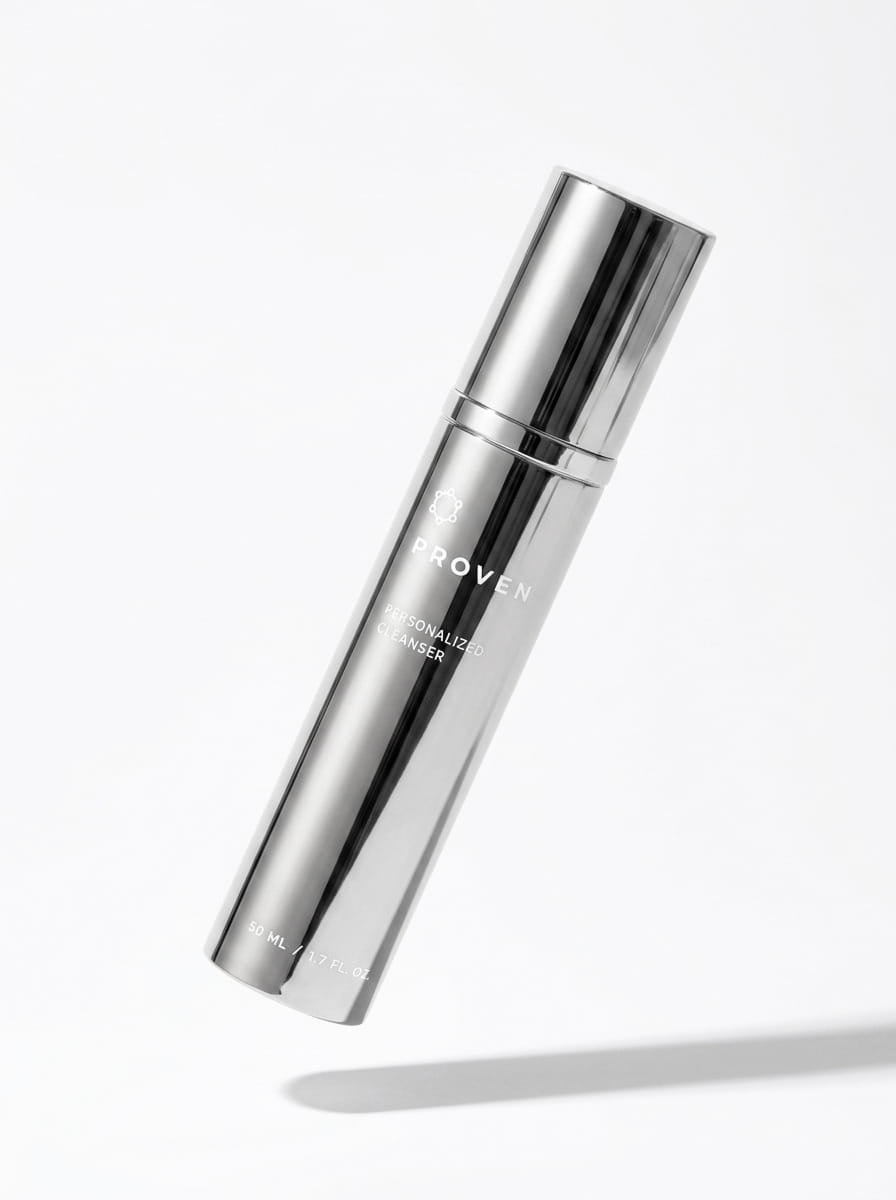
Personalized Cleanser
A gentle wash with exfoliating and toning properties — calibrated to your skin.
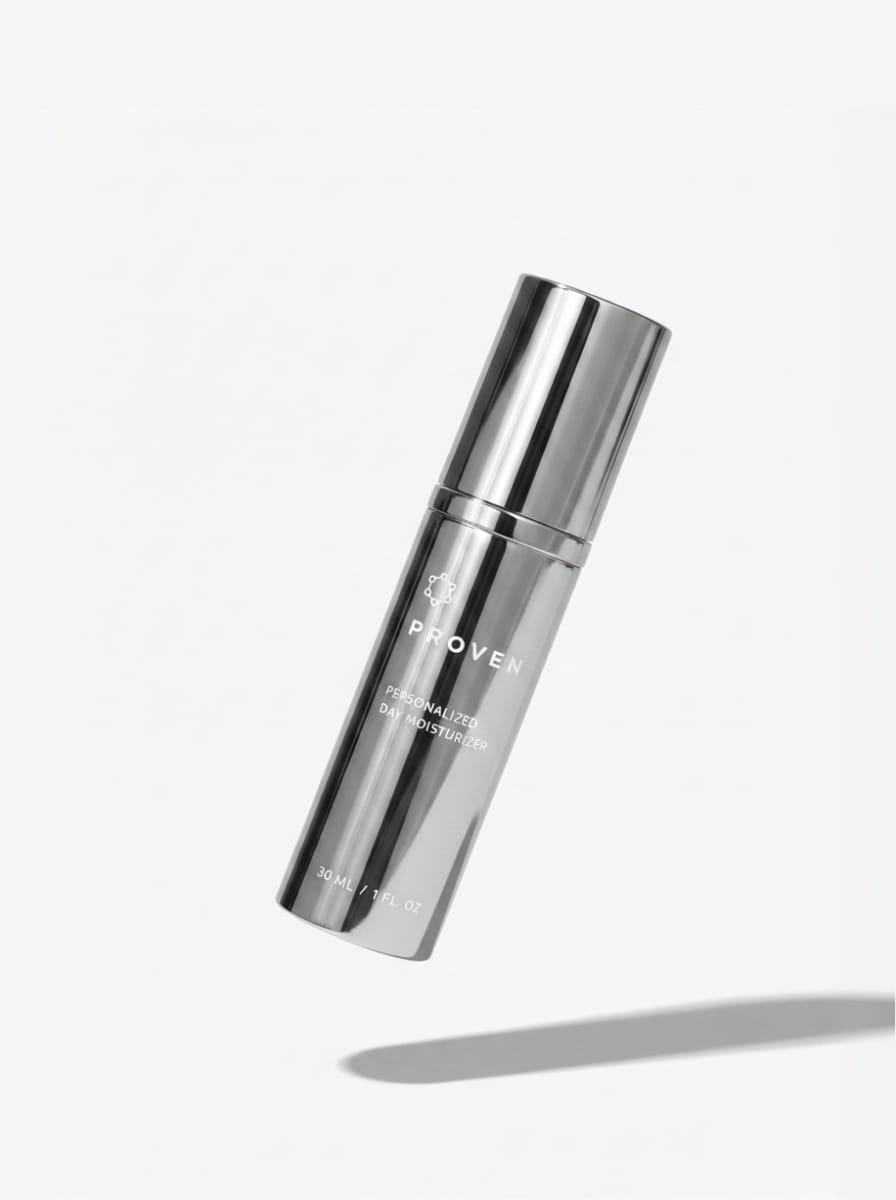
Personalized Day Moisturizer
Lightweight daytime hydration — formulated for your skin.
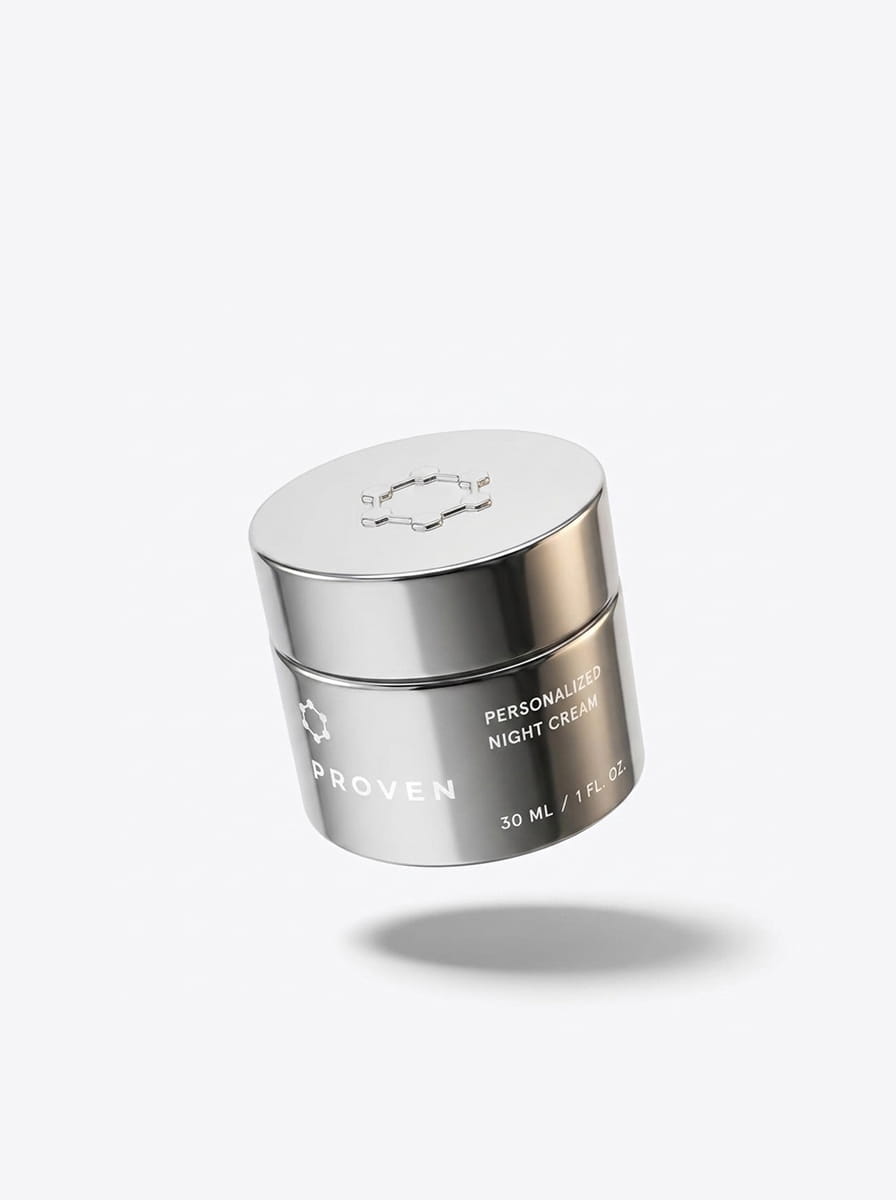
Personalized Night Cream
Overnight repair with the active ingredients your skin needs most.
25% off first order + 15% off subscription bonusTake the 3-min quiz
Clinically proven. Consciously made.
In a 28-day clinical study, 87% noted softer skin, 94% noted smoother skin, and 81% noted a brighter complexion.
Always cruelty-free. Never formulated with phthalates, parabens, SLS, or formaldehyde.
Formulated and filled in an FDA-approved US laboratory. Made stateside, end to end.
Getting the most from ceramides
Ceramides rebuild the barrier your skin relies on, so their place in the routine is all about sealing moisture in.
- Exfoliate first Ceramides absorb better after a gentle AHA or BHA has cleared away dead skin cells. Clean, prepped skin lets them settle into the barrier.
- Apply them last Layer retinoids, antioxidants, and other actives before your ceramide product. Applied on top, ceramides help seal those actives and lock in hydration.
- Use them daily With daily application over one to three months, ceramides support smoother, more resilient skin. Consistency is what rebuilds the barrier over time.
- Good for every skin type Ceramides occur naturally in skin, so they suit dry, sensitive, oily, and acne-prone types alike, and are gentle enough to use around the eyes. A quick patch test is still wise with any new product.
- Know when you need them Ceramide production slows about one percent a year after age 20, and harsh weather or over-exfoliating depletes it further. If your barrier feels compromised, the Skin Genome Quiz can tell you whether ceramides belong in your formula.
Real results
Real results, real people.
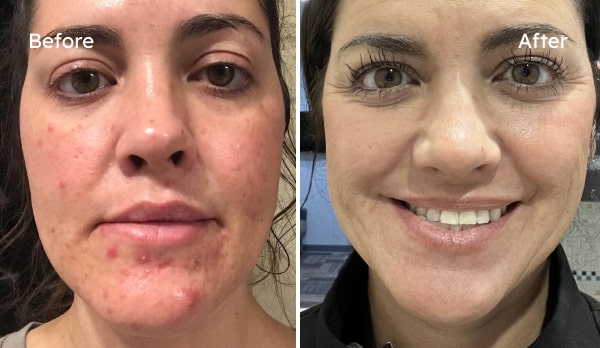
“It’s so clear and I can go without makeup and it looks amazing. I used to be so ashamed to walk around with no makeup, had terrible acne! This has been a game changer for me!”
Persistent inflammatory acne + barrier disruption = gentle sebum balance + barrier rebuild system.
1 of 6
Frequently asked questions
What do ceramides do for your skin?
Ceramides are lipids that make up a large part of the skin's outer barrier, helping to lock in moisture and protect against irritants, dryness, and environmental damage.
Are ceramides good for all skin types?
Yes, because ceramides occur naturally in skin, they're generally well-tolerated by dry, oily, sensitive, and acne-prone skin alike.
How long does it take to see results from ceramides?
Ceramides can support hydration and a stronger-feeling skin barrier with consistent use, but the timing of visible improvement varies by baseline dryness, barrier condition, and the rest of the routine.