

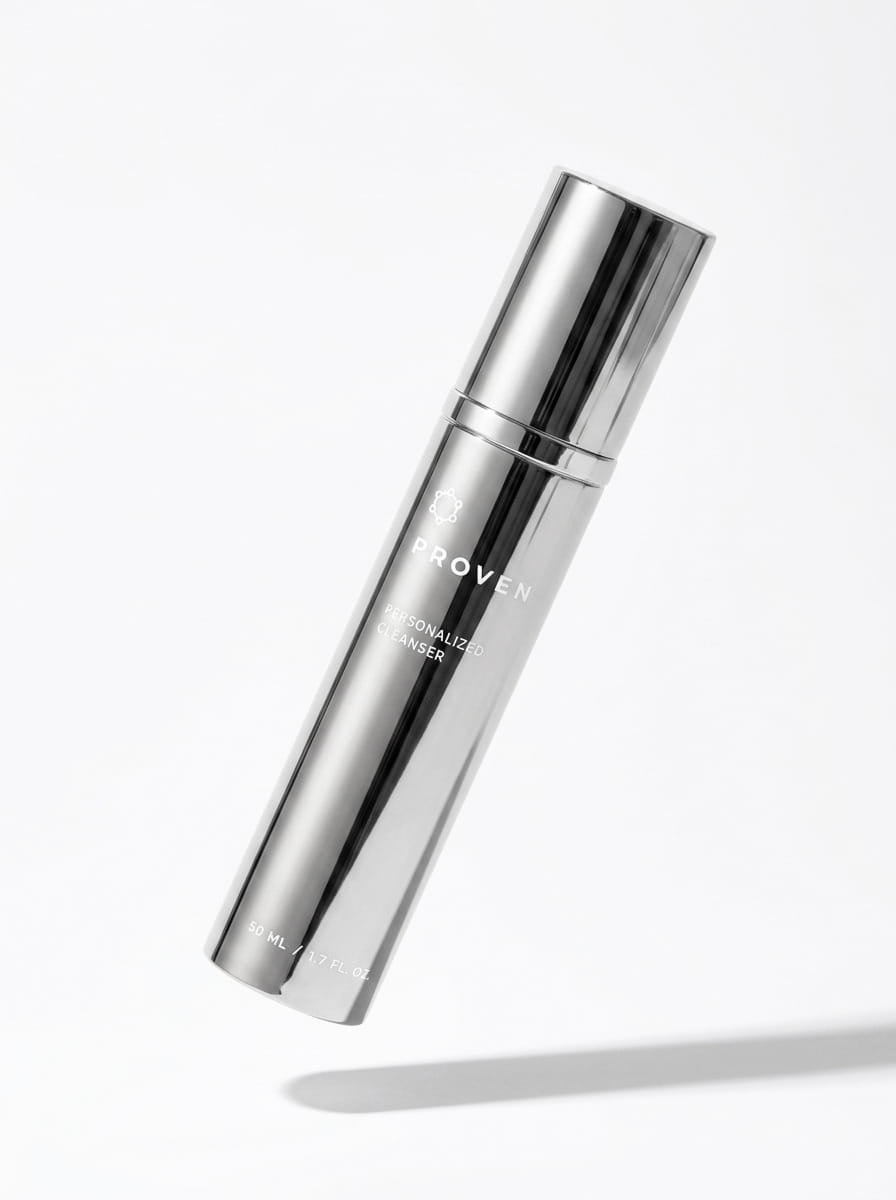
Personalized Cleanser
A gentle wash with exfoliating and toning properties — calibrated to your skin.
Take a quiz. We analyze your factors and build a formula made for you alone.
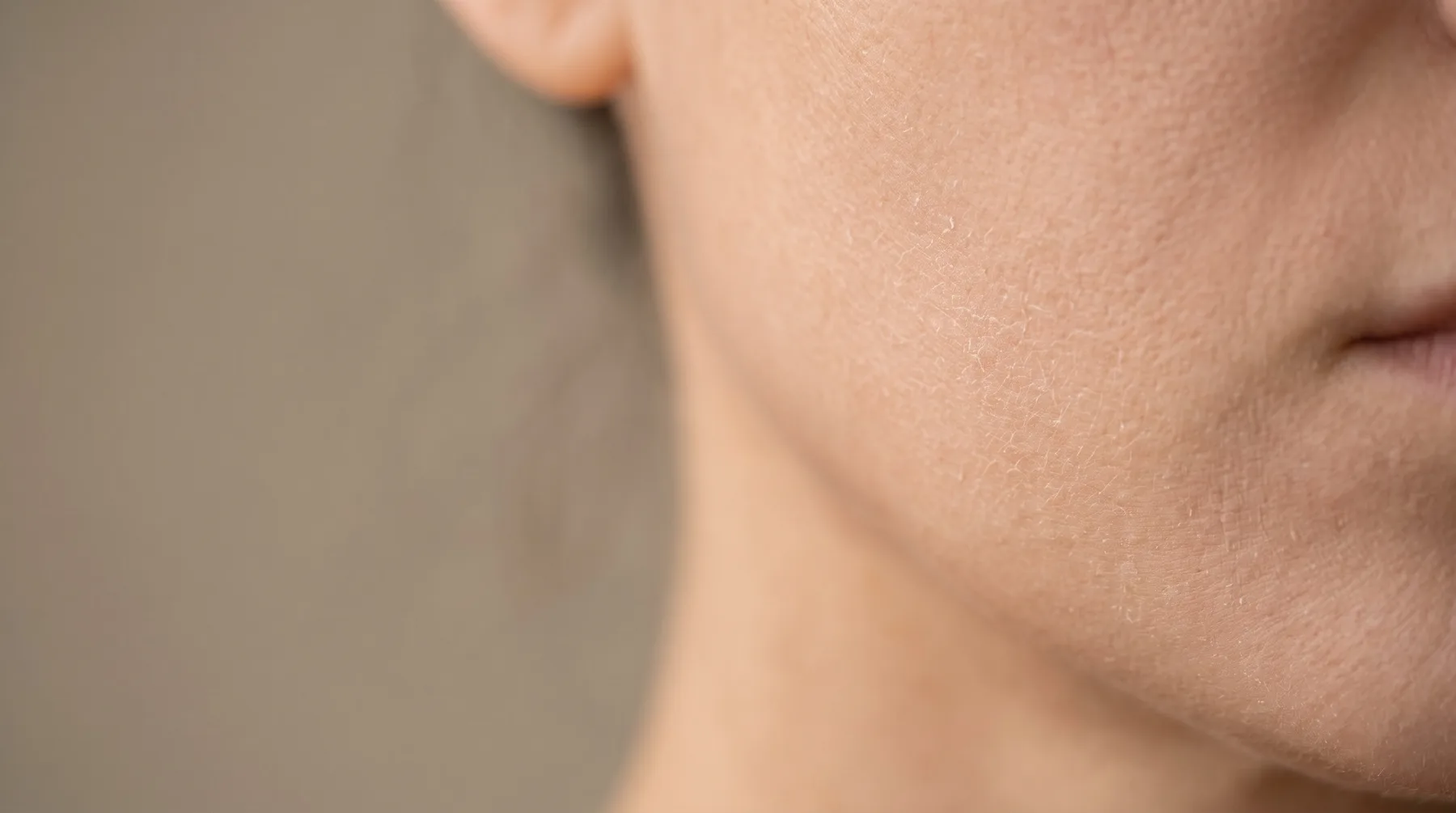
Skin starting to peel? Science may have a solution. Read on to learn all about it.
There are many potential reasons you might be experiencing peeling skin, and understanding the root cause of the symptom can make it easier to get the relief and support you need to treat the condition.
Peeling skin can be uncomfortable, itchy, and irritating, but thankfully there are many ways to treat and relieve the condition, so you can begin to feel comfortable in your own body again.
As the name might indicate, peeling skin is most often characterized by damaged or broken skin that results from skin conditions, acute trauma, and allergies. It is usually accompanied by other symptoms and reactions, including some of the following.
It is not uncommon to have blisters form around broken or peeling skin. Broken blisters may often be the cause of peeling skin, and they can be accompanied by bleeding or the expulsion of pus.
Often, skin that is peeling is already irritated. That’s why peeling skin is commonly associated with redness, dryness, irritation, and itching. It’s important to avoid itching and try to keep from irritating your skin further, as it can lead to more peeling and damage. Rashes, redness, and burning sensations are common to areas on the skin that are peeling or damaged.
The conditions that may cause your skin to peel can also contribute to a thickening of the skin or scaly texture. If you notice that the skin around what is peeling is thicker or bumpy and scaly to the touch, the peeling is likely a result of a medical condition, rather than an acute trauma or irritation.
There are many potential causes for peeling skin and it’s important to understand the root cause before you can begin treatment, to avoid further irritating the area. Here are some of the most common reasons you may be experiencing peeling skin and related symptoms.
If you’ve ever experienced a sunburn, you’ll know it’s not uncommon for the skin to peel and flake as it begins to heal. Skin peeling is most often an indication that the top layer or layers of your skin have suffered damage, and sun damage is the most common type of damage that affects the skin.
It’s important to protect your skin from sun damage for many reasons, including preventing increased signs of aging, dark spots, and burns, and to also keep more serious conditions like skin cancer at bay.
The peeling that occurs after you have been exposed to too much sun is uncomfortable and itchy, and another important reason to use adequate sunscreen and protection when you’re outside.
Beyond sunburns, chemical and thermal burns and irritation from friction are all reasons you may experience peeling. Chemical burns cause reactions on the skin that can damage the outer layer and, similarly, thermal burns can cause blistering and irritation.
If you experience an extreme burn, it’s essential to seek medical advice before trying to manage the condition at home.
Friction from improper footwear can cause blisters, which often leads to peeling skin and irritation, as well, so it’s important to find shoes that fit properly and can handle the type of activity you’re using them for.
Infections and bacteria are also common causes behind peeling skin. The one most people are familiar with is athlete’s foot, which can cause peeling, itching, and irritation, most often around the toes and on the feet.
Staph infections, jock itch, ringworm, and other similar conditions can also cause itching and peeling. While some of the more extreme infections may require medical guidance, many can be treated at home with over-the counter medications.
Medical and skin conditions may be associated with peeling skin, as well.
Conditions like psoriasis and eczema may lead to the plaquing and thickening of the skin, which can itch and peel over time.
If you notice any adverse reactions to chemotherapy for cancer treatment, like skin peeling, it’s very important to speak to your medical team as soon as possible.
Many skin conditions can be managed or treated with simple medications and topical ointments. Explore your options for skin care condition treatment at home and with the support of your healthcare team to get the relief you deserve from skin peeling, discomfort, and itching.
The type of treatment you seek for your peeling skin is going to vary depending on what the root cause of the condition is.
For instance, skin peeling from sunburns can be managed with at-home care, relief from aloe vera, and protection from the sun. For blisters and burns, you’ll want to make sure the area remains clean, and seek medical attention for extreme cases.
Chronic skin conditions can be managed in many ways, depending on your skin type and skincare needs, and infections should be treated with medications at the guidance of your doctor.
Because there are so many different underlying causes for peeling skin, there are many steps you can take to prevent and protect your skin from peeling. Here are just a few.
Sunscreen and sun protection are essential for reducing signs of aging, wrinkles, and sunspots. Proper sun protection helps to keep you safe from more serious medical conditions, like skin cancer. It’s also very important for avoiding sunburns and the associated skin peeling and discomfort that comes along with them.
Integrate a high-quality sunscreen into your skincare routine, avoid the heat of the day when possible, and wear hats and cover ups to prevent direct exposure.
Shoes that don’t fit properly or aren’t designed for the type of activity you’re doing can cause blisters and friction, which can lead to pain and discomfort. It’s important to find the right kind of shoes for your daily activity and remove them when they begin to irritate.
Many infections develop when the skin is wet and dark, like when we put on socks after a shower, for example. Dry your feet or hands off completely before covering, and make sure to get into the hidden spots where infections most often grow.
If you share communal spaces or visit gyms or pools, you’re at a higher risk for contracting infections or bacteria on the feet and hands. It’s important to always use shower shoes, wash and dry your skin thoroughly, and practice good hygiene.
A good skincare routine is an essential step to avoiding skin peeling and maintaining your overall health and wellness. If you’re managing conditions like eczema or psoriasis that contribute to side effects like skin peeling, it’s especially important to take proper care of your skin and use the best products for your skincare needs. Overall, however, proper cleansing and moisturizing can go a long way to keeping your skin safe.
Peeling skin can be uncomfortable and even painful. While there are many potential conditions and causes that might be to blame for peeling or flaking skin, you also have a lot of ways to prevent and manage this, so you can get the relief you deserve.
Common reasons you might be experiencing peeling skin and associated symptoms like redness, irritation, and itching, include sun damage, infection, existing skin conditions, and reactions to irritants and allergens. You can prevent or reduce the effects of peeling skin with proper skincare and hygiene, sun protection, and medical support for existing conditions.
Here at PROVEN Skincare, we make it easy to find the resources and information you need to take care of your skin, no matter what. Whether you’re managing the effects of eczema-prone skin, experiencing changing hormones that can lead to dry or oily skin, or looking for relief from breakouts, we make it easy to get started.
Explore our growing library of skincare resources, and take the next step to healthy, glowing skin today with our groundbreaking 47-factor Skin Genome Quiz to help you find the exact ingredients you need to support your skin.
Concerns, lifestyle, climate, and sleep — all covered in your formula.
Updates with your skin, life, and seasons. Every reorder.
Independent clinical study — brighter, more radiant skin.
By Stanford scientists. 28M data points behind every formula.
100K+ personalized formulas served. 30-day money-back guarantee.
A cleanser, day moisturizer, and night cream — calibrated to your skin from the 3-step Skin Genome Quiz.
A gentle wash with exfoliating and toning properties — calibrated to your skin.
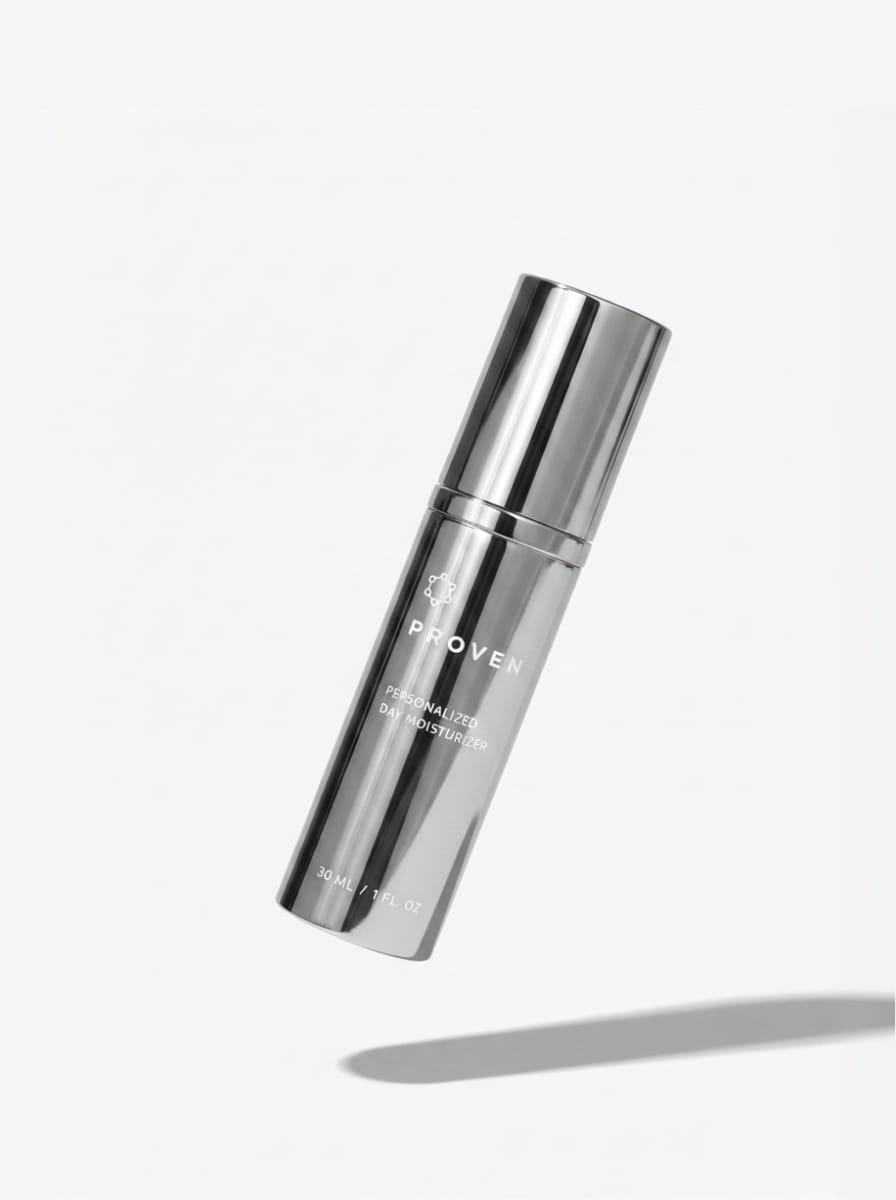
Lightweight daytime hydration — formulated for your skin.
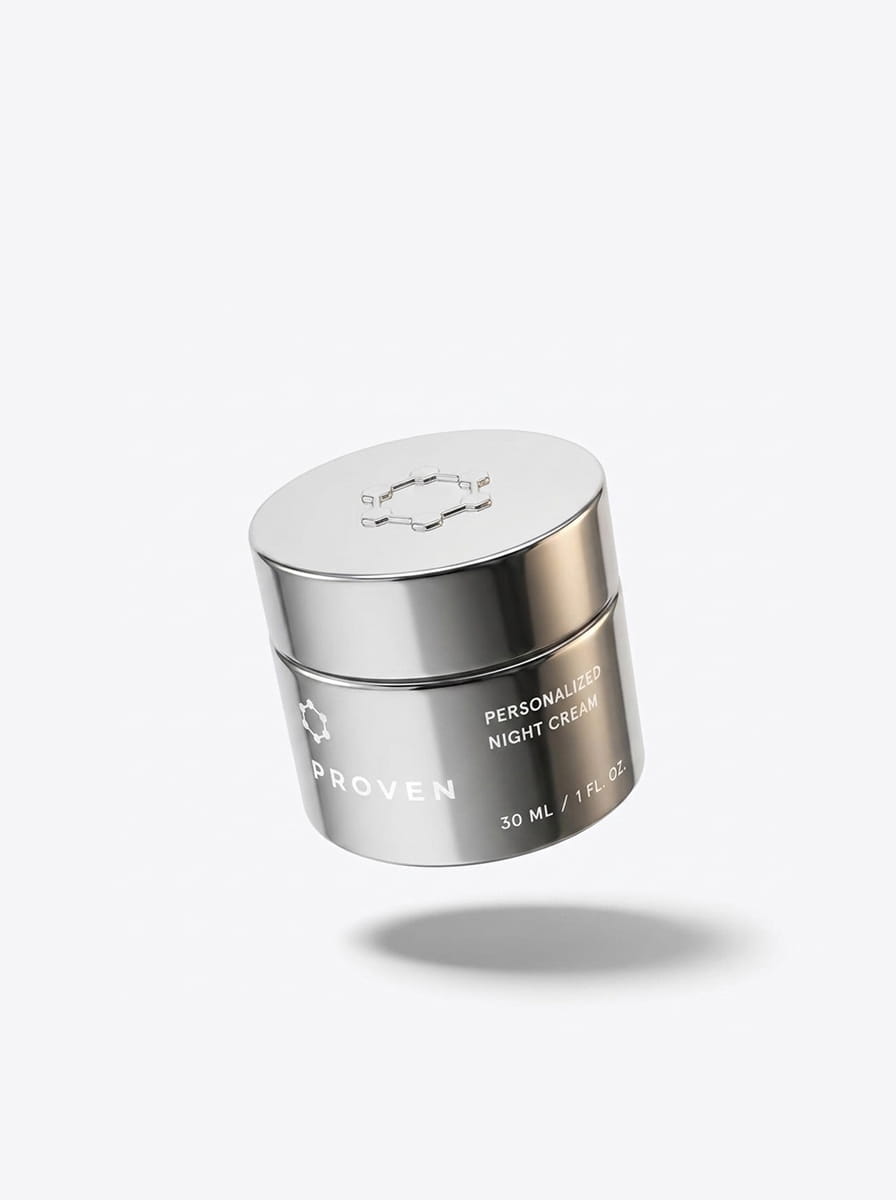
Overnight repair with the active ingredients your skin needs most.
Your formula works to restore a smooth, intact surface. A few habits let it heal instead of flaking, and the right routine starts with the quiz.
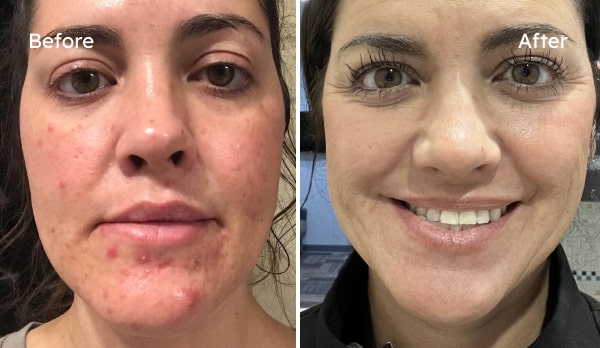
“It’s so clear and I can go without makeup and it looks amazing. I used to be so ashamed to walk around with no makeup, had terrible acne! This has been a game changer for me!”
Persistent inflammatory acne + barrier disruption = gentle sebum balance + barrier rebuild system.