

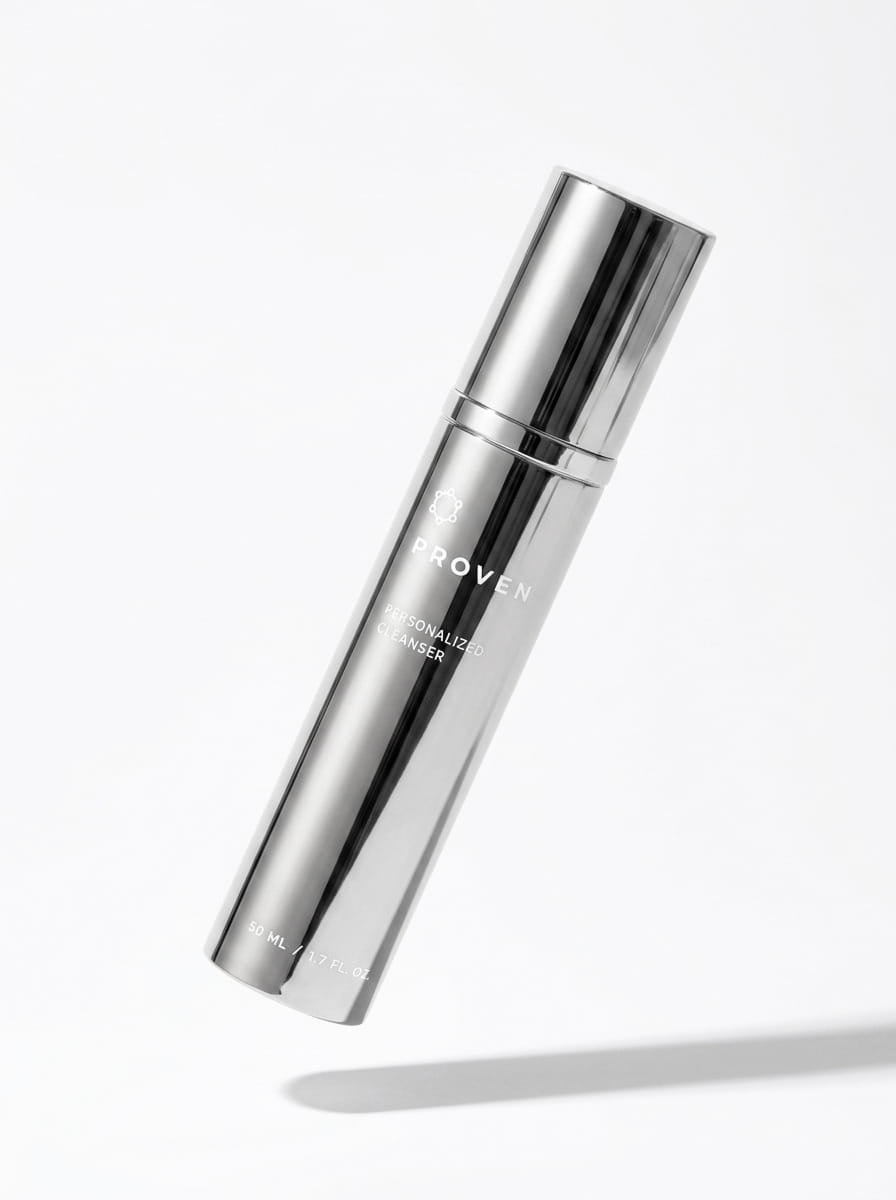
Personalized Cleanser
A gentle wash with exfoliating and toning properties — calibrated to your skin.
Eczema causes inflamed, itchy, dry patches of skin that can crack, peel, or blister—often linked to chronic dryness.

What Is Eczema?
What causes Eczema?Eczema is a broad term used to describe skin that is inflamed, irritated, itchy, and dry. Eczema symptoms usually manifest as patches of itchy skin that become inflamed, cracked, red and rough. Blisters, cold sores and peeling can occur as well. Eczema and dry skin go hand in hand as dry skin often leads to Eczema.
What Causes Eczema?
The exact cause of Eczema is unknown; however, it may be partially genetic, a response to the body’s immune system to an irritant or it could be due to a disruption of the skin barrier, which allows foreign materials into the skin and water to escape. Repair of this barrier is critical in treating and preventing this skin condition. Other causes can be allergic reactions to food, dander, dust mites and other environmental factors.
Are There Different Types Of Eczema?
Yes, Eczema is a broad term which encompasses the terms contact dermatitis, atopic dermatitis, nummular dermatitis, stasis dermatitis, and many more.
Who Is At Risk For Eczema?
While we often associate Eczema with young children, it can occur in any age group and any race and affect quality of life. The primary risk factor can be personal or family history of Eczema , allergic reactions, hay fever or asthma and can occurs more in industrialized countries with cooler climates.
Are My Food Allergies Causing My Eczema?
It is rare, but food allergies can cause Eczema in children. As we age, food allergies as the root cause become rarer, however, they can trigger Eczema flare ups. Many doctors and dermatologists tell those suffering with Eczema to avoid citrus fruits, dairy, eggs, gluten or wheat, soy, spices, tomatoes and nuts.Is something coming in contact with my skin, causing my eczema?It’s possible. This is called contact dermatitis. If your eczema continues to occur in only certain areas of your body, you may need to switch your personal care products, avoid fragrances of all types, and consider patch testing with a dermatologist.
What Can I Do To Treat My Eczema?
Practice Self-Care.When you take care of your physical and mental self, you are taking care of your skin and helping to prevent Rosacea flares. Here are some small changes you can make in your life to produce big effects on your skin down the road.Try to reduce stress in your life. This means something different to everyone. Take time out of your day just for you, spend time with friends, go for a short walk, or consider meditation. If you are unable to deal with your stress on your own, consider speaking with a close friend, find a support group or consult a health care professional.Monitor your diet. Make better choices. Avoid processed foods. Cook at home as much as possible but especially avoid chain restaurants as the ingredients are more likely to be heavily processed. Visit local farmer’s markets where everything is fresh and good for you. Sleep reduces stress. Go to bed and wake up at the same time every day. Dim or remove any lights that are on in your bedroom while sleeping, including lights from chargers, night lights, phones, television or clocks. Try black out curtains and eye shades. Limit noise in your bedroom. Put your phone on silent. Try a white noise machine, a fan, or ear plugs to block out noise you can’t control.
Consult a Dermatologist.Melasma can be a long-term skin condition, so consider seeing a board-certified dermatologist who can discuss available options including:If it is determined that your Eczema is a contact allergen, you may require patch testing. Then, depending on test results, you may be prescribed topical steroids, topical corticosteroids and steroid-sparing medications or other topical treatments like hydrocortisone or antihistamines to reduce the inflammation, itchiness or oozing in more severe cases. Light or phototherapy may also be recommended as an Eczema treatment, which can reduce the inflammation in your skin. If your Eczema is severe and not responding to the above treatments, a systemic medication such as Dupixent, Methotrexate, or Cellcept may be prescribed. Any medications mentioned must be prescribed by a medical professional.
Choose Cosmetics and Personal Care Products carefully.
A few small changes in your everyday routine can prevent eczema and dry skin. Here are some tips:
Choose gentle and effective skincare personalized for your skin needs and issues.
Gentle skincare products are key in treatment Eczema and dry skin. Some basic tips to follow:
PROVEN SKINCARE formulates products based on a person’s individual needs based on living environment, lifestyle, diet, stress levels, frequency of travel, as well as skin sensitivities and conditions, that will be most beneficial on skin affected by Eczema and Dry Skin. Go to provenskincare.com to take the complimentary skin quiz to discover your personalized skincare formulations.
For more information on Proven Skincare, please go to www.provenskincare.com and follow us on Instagram @provenskincare.
Built from 47 factors of your skin profile — a cleanser, day moisturizer, and night cream calibrated to you from the 3-step Skin Genome Quiz.
A gentle wash with exfoliating and toning properties — calibrated to your skin.
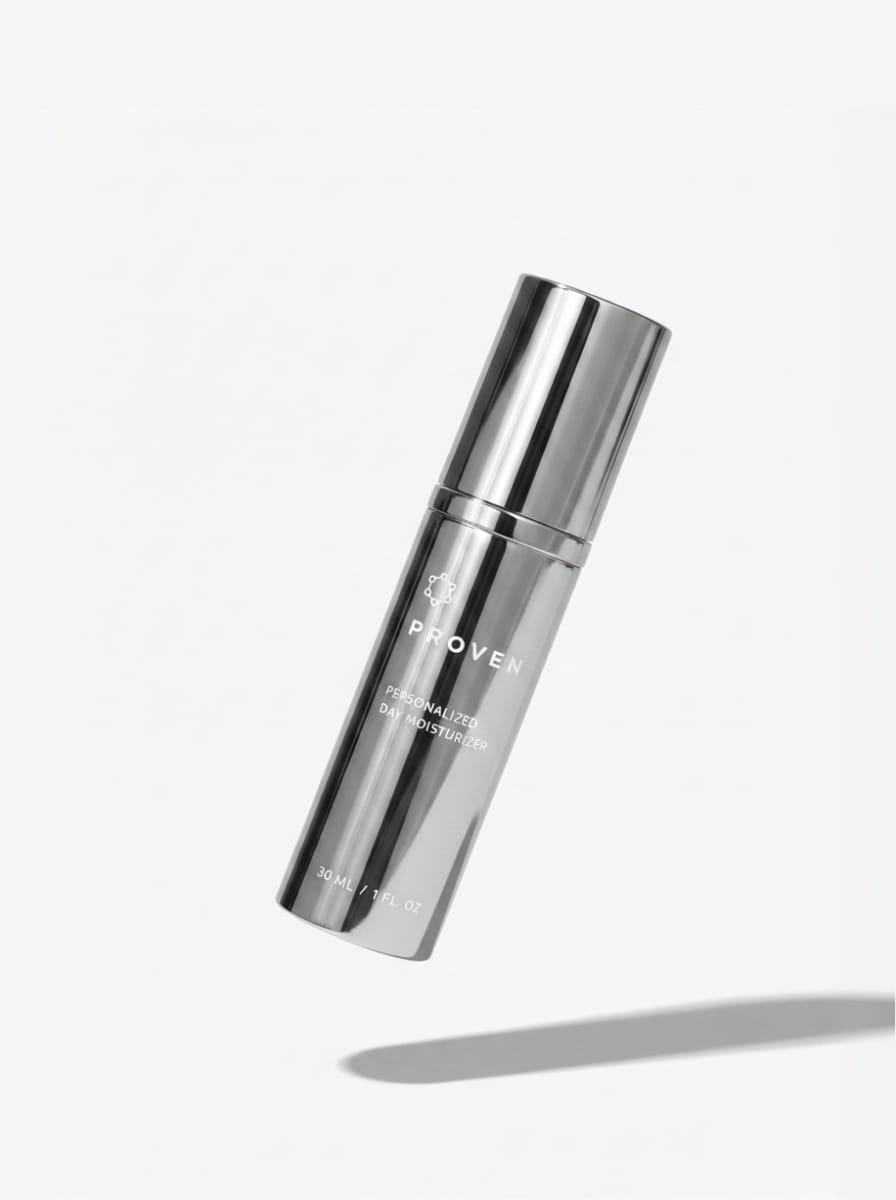
Lightweight daytime hydration — formulated for your skin.
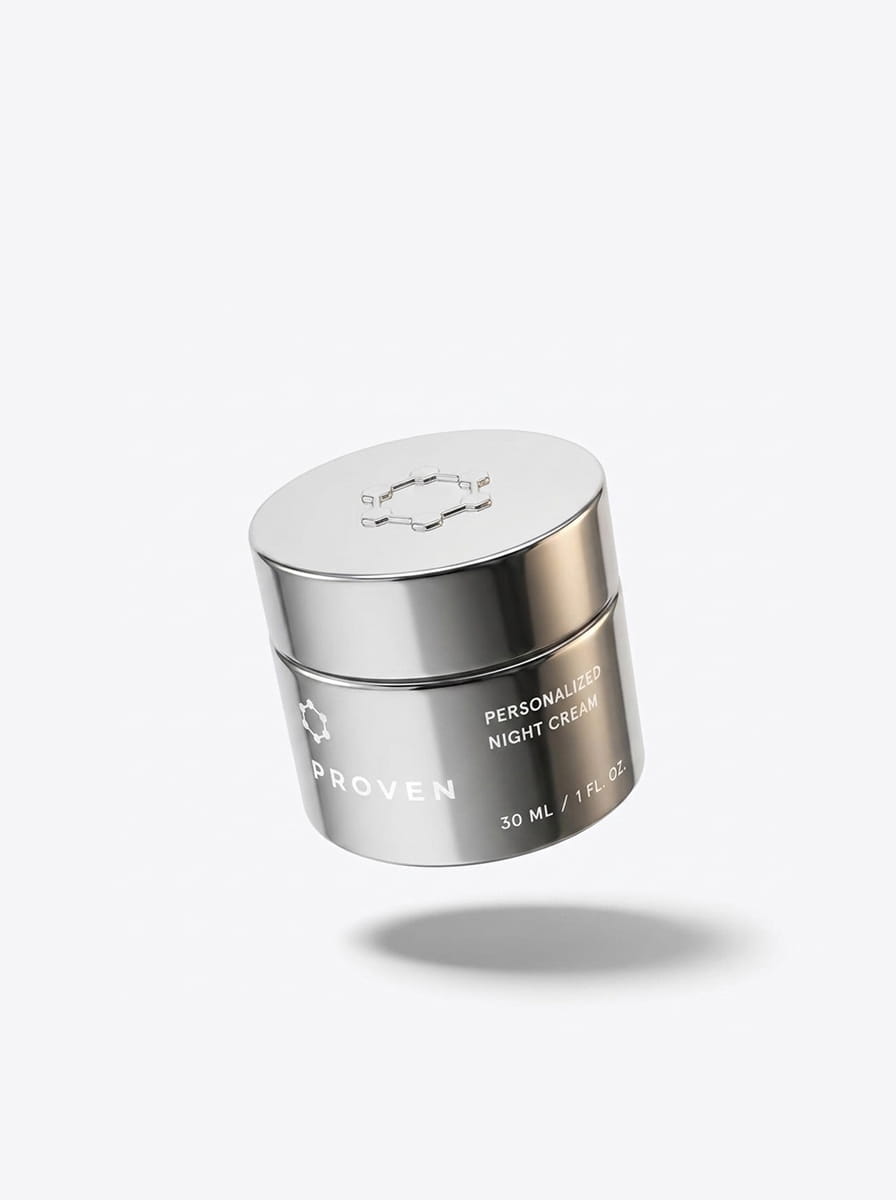
Overnight repair with the active ingredients your skin needs most.