

 01 / 04Key active
Kojic Acid
Inhibits melanin production in the skin and acts as an antioxidant to prevent free radical damage from UV exposure
Take a quiz. We analyze your factors and build a formula made for you alone.
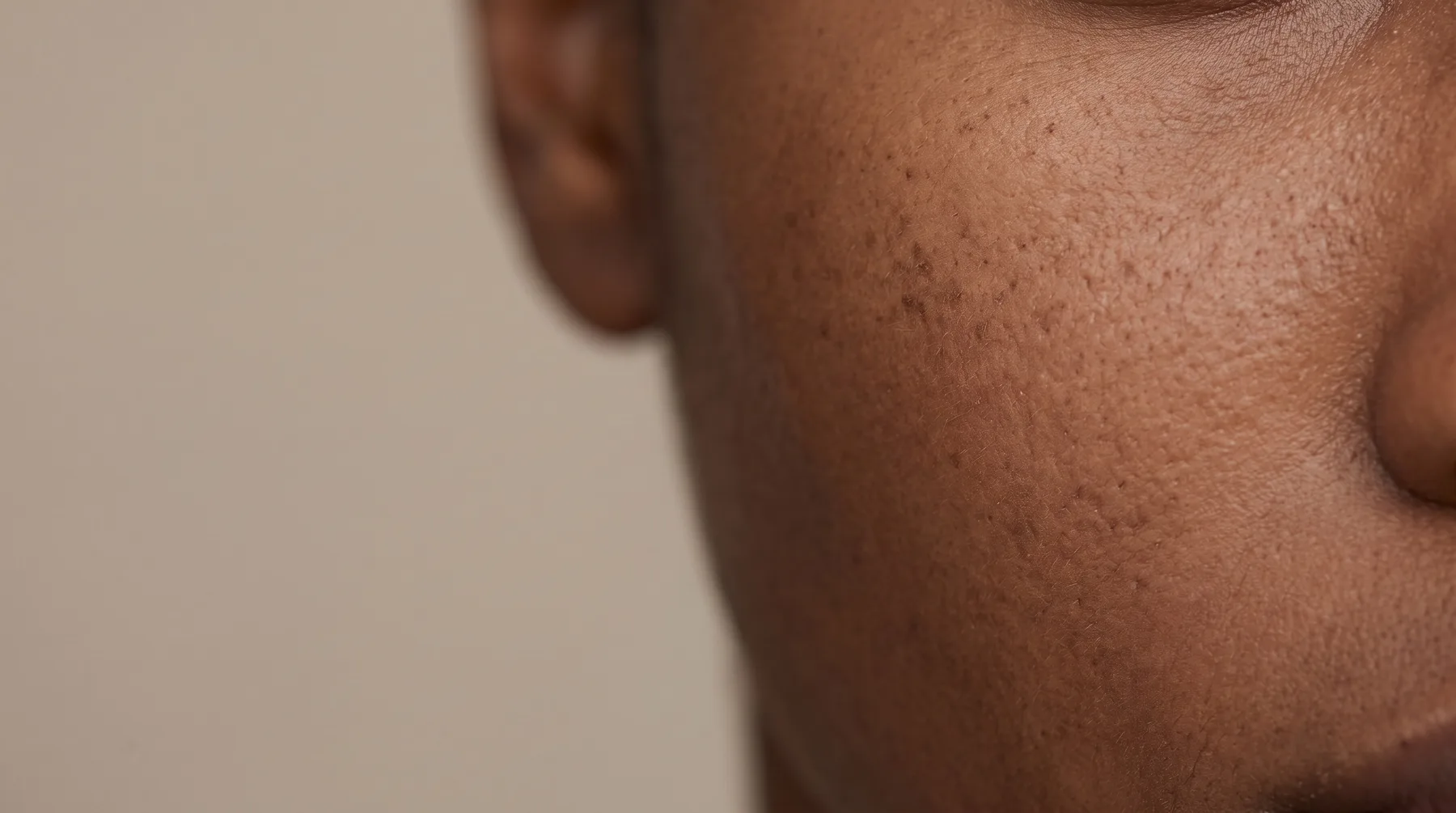
Experiencing dark spots? Science may have a solution. Read on to learn all about Melasma.
Melasma is a skin condition characterized by irregular brown, tan, or blue-grey patches of skin on the forehead, jawline, chin, upper lip, and cheekbones as well as on the neck and arms. Though both men and women can get melasma, it's much more common in women. These dark patches of skin aren't dangerous, but they can lead to embarrassment and a loss of self-confidence. So before you shell out some serious cash for yet another tube of expensive concealer to cover your spots of melasma, it’s time to learn how to treat this condition once and for all!
Melasma occurs when the skin's melanocytes -- the cells that produce skin pigment -- go into overdrive and produce too much brown pigment. While everyone has melanocytes that contribute to your skin tone and hair color, melasma is related to the malfunction of these cells. It's not clear exactly what causes this, but experts theorize that it might be related to:
Various clinical studies have shown that people tend to develop melasma in the summertime when the sun is most intense, suggesting a connection between the two. This may be due to the fact that the sun stimulates the melanocytes in the skin which can give you a nice tan, but it can also occur unevenly -- contributing to the appearance of melasma.
Hormones, like those from birth control pills, and internal hormonal changes, like those that occur during pregnancy, are linked to melasma. Both birth control and pregnancy can cause an increase in hormones like progesterone, estrogen, and MSH, which can stimulate the skin's melanocytes.
People with a known family history of melasma have a higher risk of developing the condition.
Some skin care products and treatments have been linked to increased melanin production, accelerating melasma development.
Luckily, several things help reduce the appearance of melasma spots:
Hormonal changes from pregnancy and birth control pills, stress, thyroid disease, and certain medications are known triggers for melasma. Speak to your doctor about alternative treatments or be extra cautious to avoid worsening the condition.
Even a quick walk around the block or an afternoon in the park on acloudy day can increase your chances of developing melasma. Wear sunscreen everysingle day-- rain or shine, summer or winter. Be sure to choose a sunscreen that's atleast SPF 30 or higher and offers protection from both UVB and UVA rays. Sunscreensmade with silicones, zinc, or titanium dioxide are ideal as they are gentle on skin andoffer the best coverage.Be sure to apply sunscreen early and often if you’re spending time outdoors -- especially if you’re sweating or getting wet. In addition to sunscreen, you should avoid the sun at peak times -- between the hours of 10 in the morning and 4 in the afternoon. If you cannot avoid the sun during these high-intensity hours, you should protect your skin by wearing long sleeves, hats, sunglasses, etc.
Additional irritation from harsh skin care products can make melasma worse. Avoid products that contain irritants like fragrance, sulfates, parabens, silicones, alcohol, camphor, glycolic acid, and menthol. Instead, look for products made with gentle, natural ingredients for melasma, like Vitamin C. Antioxidant serums made with this powerful ingredient are especially useful for brightening the skin and lightening melasma.
Melasma can be chronic, so a dermatologist can recommend stronger [treatment options (https://www.aad.org/public/diseases/a-z/melasma-treatment) like topical medications, laser treatments, and chemical peels. Topical medications like Kojic Acid, 15 to 20% Azelaic Acid, Cysteamine, and Hydroquinone can help reduce the appearance of melasma. However, it's best to use these when prescribed by a certified dermatologist. You may also want to consider a cosmetic treatment to reduce the appearance of melasma. Laser skin resurfacing and strong chemical peels are popular options, but they can be expensive and require multiple sessions before you begin to see results.
While the right skincare routine can definitely improve the appearance of melasma on the skin, it can be difficult to find the right products to treat this specific issue. Sorting through all of the different skincare products on the shelves can be an overwhelming and ineffective method. To easily find the best products for your unique skin concerns like melasma, take the PROVEN skin quiz.
We use patented AI technology to formulate the best products for your skin based on your lifestyle, stress levels, and general skin concerns. Our technology uses a whole host of valuable information compiled from more than 20 million skincare consumer reviews, 20,000 skincare ingredients, and 4,000 skincare-related scientific papers to find you the best possible formula. Our formulas -- all 2,000 of them -- have been expertly tailored by Stanford scientists.
Within your personalized formula, you will receive three products that can comprise your entire skincare routine from start to finish -- a cleanser, moisturizer, and night cream.
Your cleanser contains gentle yet effective ingredients to cleanse the skin of dirt, oil, sweat, and pollutants that accumulate throughout the day. But there’s more to your PROVEN cleanser than meets the eye! It also contains toning and exfoliating properties. Exfoliating ingredients like alpha hydroxy acids are able to diminish the appearance of dark spots on the skin by getting rid of that damaged top layer -- revealing the new and healthy skin underneath.
In addition to your cleanser, you will also receive a custom moisturizer with powerful humectants and emollients tailored to your unique skin. For instance, if you have dry skin, you will see thicker ingredients in your moisturizer that are able to provide deep nourishment and hydration to parched skin. On the other hand, if you have oily skin, you will see thinner ingredients in your formula that are able to provide the skin with the necessary amount of moisture without clogging pores or contributing to oiliness and shine.
This moisturizer also gets bonus points for including SPF 40 to protect your skin from sun exposure that often causes the appearance of melasma in the first place! With this moisturizer, you no longer have to worry about having to do extra steps as a part of your busy morning routine.
And that’s it! You have your entire skincare routine in three easy-to-use products.
We make things easy from the start with our three-minute skin quiz. All it takes is a few minutes, and you will have a personalized formula for reducing the appearance of melasma.
Just a small time investment on your part can have a huge impact on your skin and, in turn, your confidence when you can rock an even skin tone without having to worry about covering up dark spots with foundation and concealer.
Every PROVEN formula draws from a library of clinically proven actives — yours is built from the ones that match your melasma profile.
01 / 04Key activeInhibits melanin production in the skin and acts as an antioxidant to prevent free radical damage from UV exposure
 02 / 04
Exfoliator that soothes breakouts and brightens dark spots while shrinking the appearance of pores
 03 / 04
Anti-aging, brightening, renewing, and acne-combating superpowers, while being more gentle on the skin
 04 / 04
A brightening, firming antioxidant that promotes collagen production and helps fade dark spots and discoloration
Concerns, lifestyle, climate, and sleep — all covered in your formula.
Updates with your skin, life, and seasons. Every reorder.
Independent clinical study — brighter, more radiant skin.
By Stanford scientists. 28M data points behind every formula.
100K+ personalized formulas served. 30-day money-back guarantee.
A cleanser, day moisturizer, and night cream — calibrated to your skin from the 3-step Skin Genome Quiz.
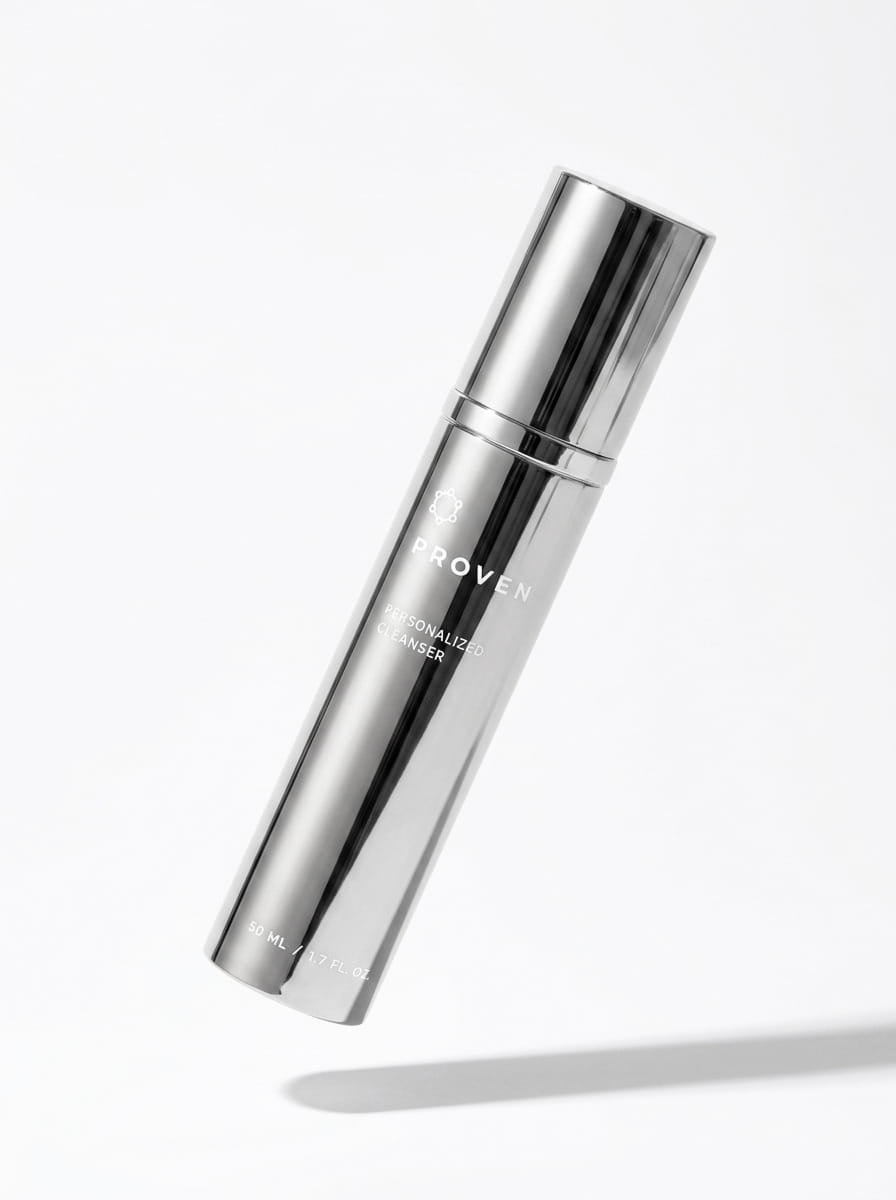
A gentle wash with exfoliating and toning properties — calibrated to your skin.
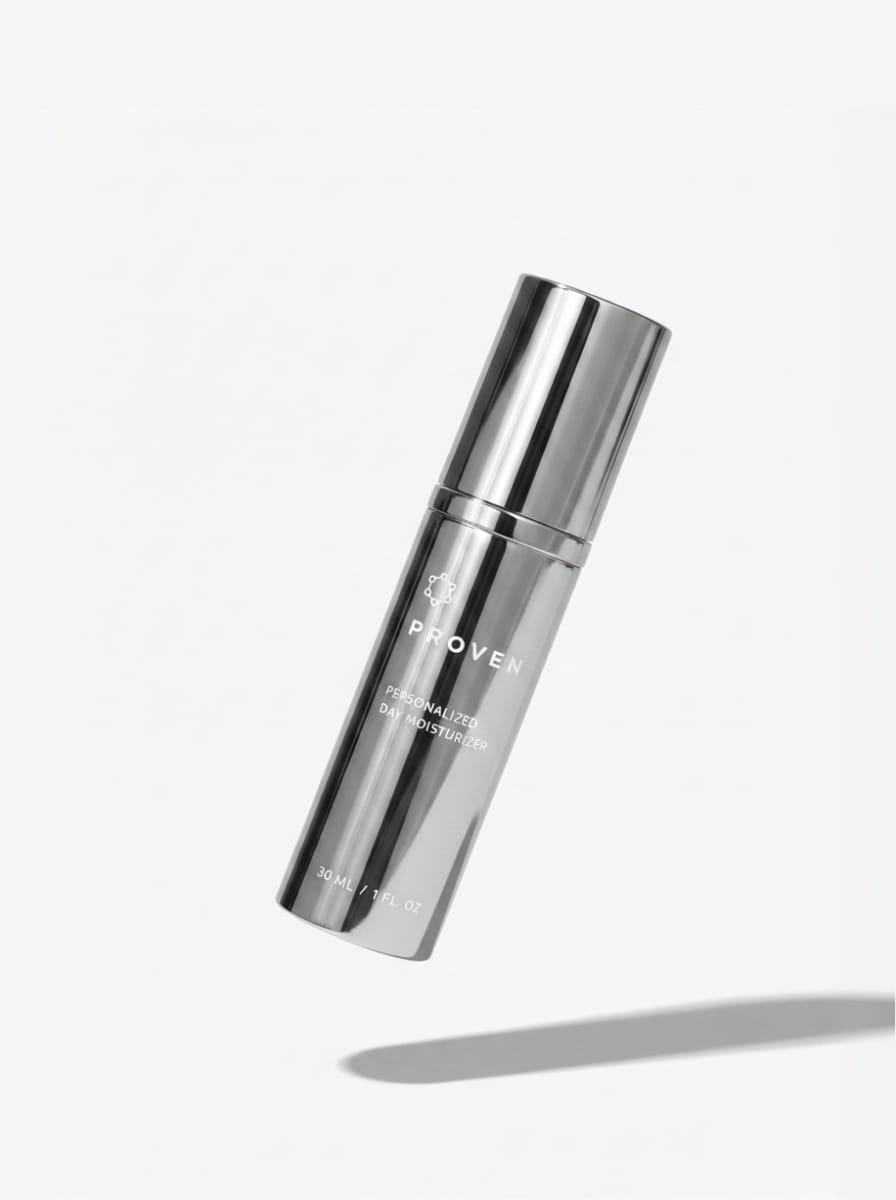
Lightweight daytime hydration — formulated for your skin.
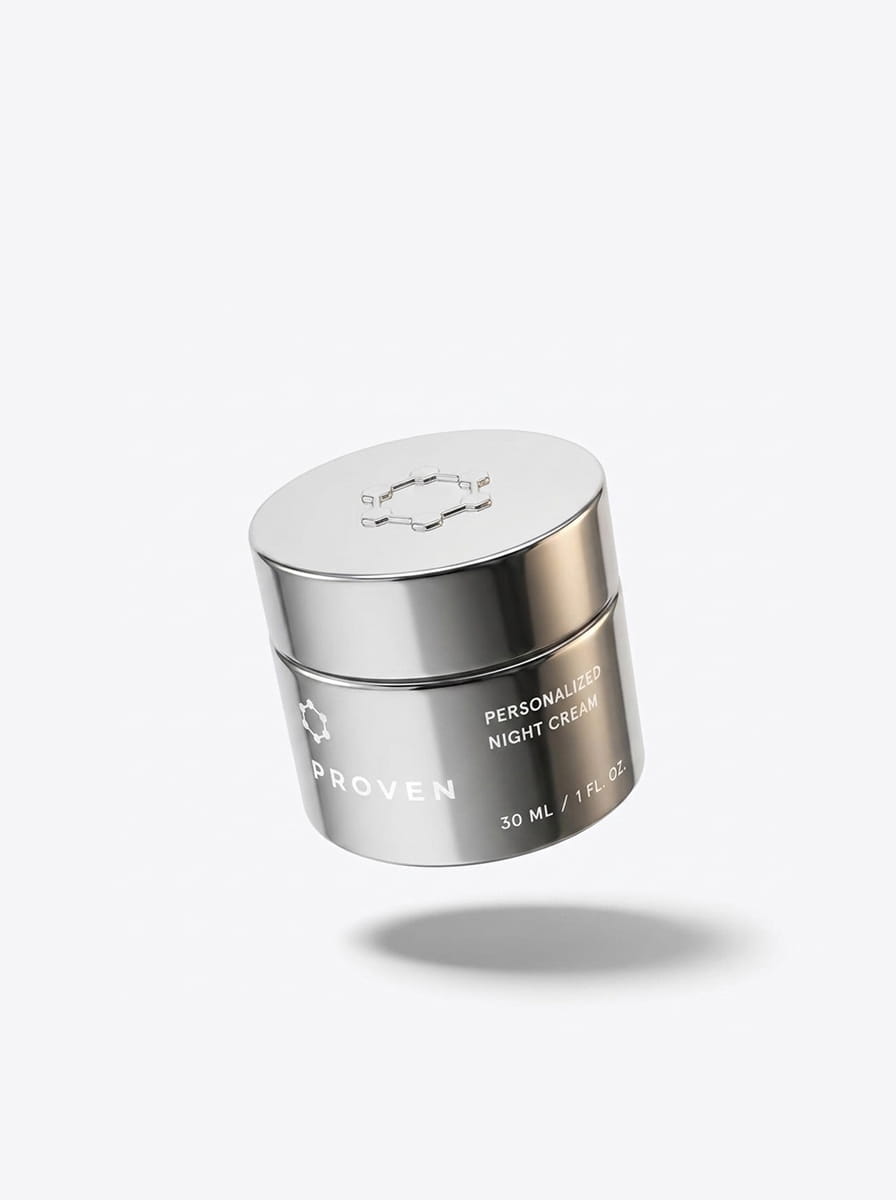
Overnight repair with the active ingredients your skin needs most.
Your formula addresses melasma at the source. A few disciplined habits keep it from darkening while it works, and the routine starts with the quiz.
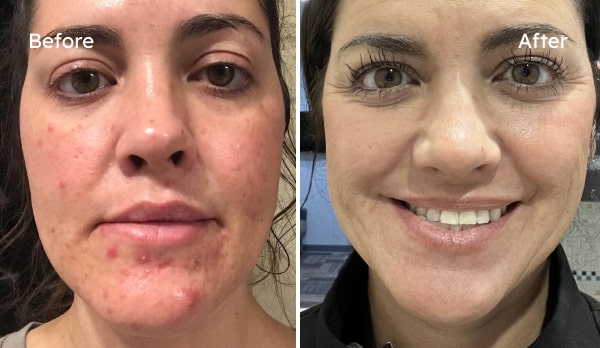
“It’s so clear and I can go without makeup and it looks amazing. I used to be so ashamed to walk around with no makeup, had terrible acne! This has been a game changer for me!”
Persistent inflammatory acne + barrier disruption = gentle sebum balance + barrier rebuild system.