

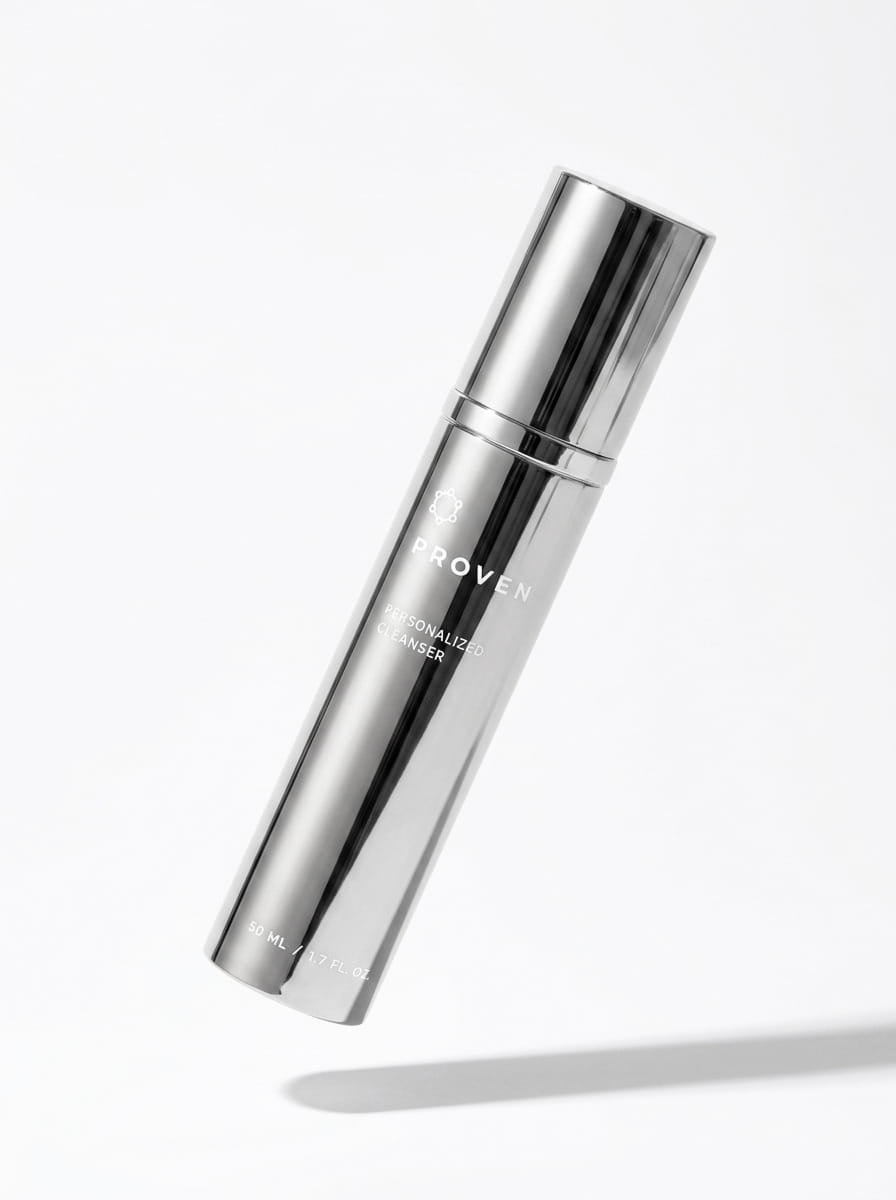
Personalized Cleanser
A gentle wash with exfoliating and toning properties — calibrated to your skin.
Take a quiz. We analyze your factors and build a formula made for you alone.
Your diet affects your skin. Learn how nutrition impacts your complexion and discover the best foods to eat for a radiant, healthy glow from within.

It probably won’t surprise you that foods considered healthy for your body are also beneficial for your skin. Fresh fruits and vegetables, and certain fats in fish, nuts, and seeds will go a long way towards a glowing complexion. Here’s the lowdown on the must-eat nutrients & foods to eat for healthy skin:
FRUITS AND VEGGIES
A key part of creating your own best diet for skin health, is consuming enough fruit and vegetables. Fruit and veggies contain many vitamins and minerals essential in nutrition for healthy skin. Here are some of the key nutrients & what they do, along with what foods to eat for good skin:
Skin Benefits Of Vitamin A:
There are many Vitamin A benefits for skin, such as:
Skin Benefits Of Vitamin C:
Also known as ascorbic acid, there are many vitamin c benefits for skin contained in this powerful antioxidant:
Red peppers: lots of Vitamin C
Brussels sprouts: Vitamin C & antioxidants
Blueberries: Vitamin C and antioxidants
Mangoes: Vitamins A, C, and B6, which is said to reduce excess oil
Carrots : Beta carotene, which is converted to Vitamin A in your liver
Tomatoes : Lycopene, an antioxidant that helps fight UV damage
Sweet potatoes(with skin on): Beta carotene, magnesium (has anti-inflammatory agents) and fiber
GOOD FATS (OILS, SEEDS, AND NUTS)
Certain fatty acids are the building blocks of our body--including our skin. Good fats also help your body absorb essential nutrients like vitamins A, D, E and K.
MONOUNSATURATED FATS
What they do: Some monounsaturated fat benefits include helping the water level in the epidermis, and supply the ceramides (fatty acid compounds) that keep skin healthy and intact.
There are many foods high in monounsaturated fat, and some excellent sources of monounsaturated fats include:
Olive oil is the king of the monounsaturated fat family–it also contains antioxidants, and modest amounts of Vitamins E and K.
Studies show that women who eat more vegetables and olive oil have better skin protection against damage from UV exposure.
POLYUNSATURATED FATS
There are two main types of polyunsaturated fats: omega-3 and omega-6. Many people are familiar with omega 3 benefits and the many fish oil benefits for health and skin. Omega 6 benefits are less commonly spoken about, which is why we wanted to focus on it in this blog. Your skin needs these essential fatty acids to function at its best, but your body can’t produce them itself--so you need to get them from your diet through foods high in polyunsaturated fat:
OMEGA-3
What it does: Some Omega 3 and polyunsaturated fat benefits include strengthening cell membranes, fighting free radicals, and reducing inflammation.
Fatty fish & fish oil (salmon, mackerel, sardines)
Canola oil
Flax & flax seed oil
Chia seeds
Pumpkin seeds,which are also high in zinc, an antioxidant that helps regulate the activity of skin oil glands (improving acne) and wound healing.
OMEGA-6
People generally eat enough omega-6, but here are some great sources:
Vegetable oils (safflower, soybean, sunflower, walnut, and corn oils).
Brazil nuts have omega-6 fats and lots of selenium, which protects skin from sun damage and helps preserve skin elasticity.
SUGAR
Sweets are the enemy of good skin, though many people remain unaware of the effects of sugar on skin. When you eat sugar or refined carbohydrates, your insulin levels spike instantly, creating inflammation throughout your body. This flare-up produces enzymes that break down collagen and elastin, resulting in signs of premature aging. Not convinced? Digested sugar also attaches to your skin’s collagen through a process called glycation. In addition to causing wrinkles and sagging skin over time, glycation can also make your acne and rosacea worse, since these conditions are caused by inflammation in the first place.
BAD FATS: Trans Fats & Saturated Fats
Trans fats are now banned in the U.S., so they should be pretty easy to avoid. When in doubt, a quick glance at a nutrition label will let you know.
Saturated fats are generally found in fried foods, and in these meats and animal byproducts: beef, lamb, pork, poultry with skin on, lard, cream, butter, cheese, and any dairy products made with whole or 2% milk. No more than 5-6% of your daily calories should come from saturated fat. For example: if you need about 2,000 calories a day, no more than 120 of them should come from saturated fats--which is about 13 grams of saturated fats a day.
The effects of saturated fat on your skin can be bad if consumed in large quantities. Diets heavy in sugars, saturated fats, and meats are likely to contribute to older-looking skin.
Of course, avoiding sugar and saturated fats at all times or at all costs is no fun, so just remember the golden rule: enjoy everything in moderation.
Built from 47 factors of your skin profile — a cleanser, day moisturizer, and night cream calibrated to you from the 3-step Skin Genome Quiz.
A gentle wash with exfoliating and toning properties — calibrated to your skin.
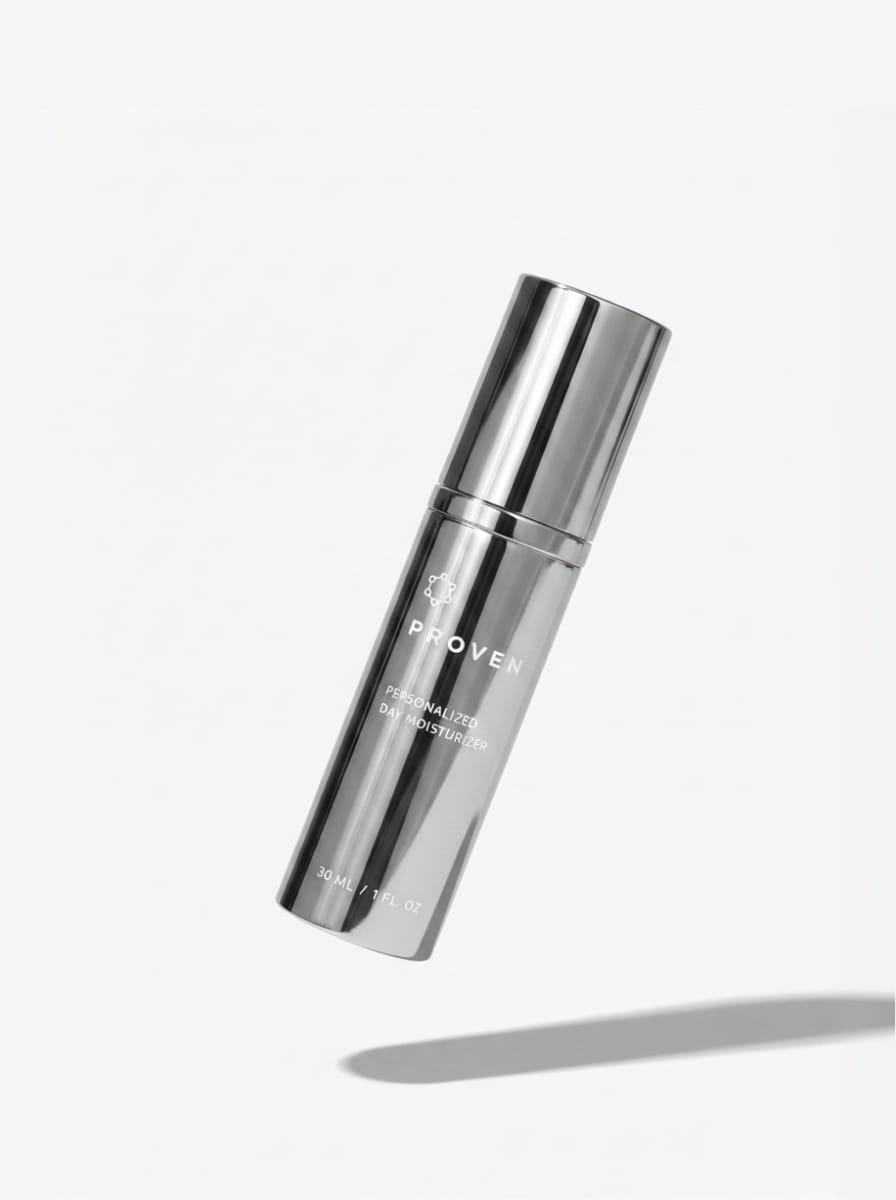
Lightweight daytime hydration — formulated for your skin.
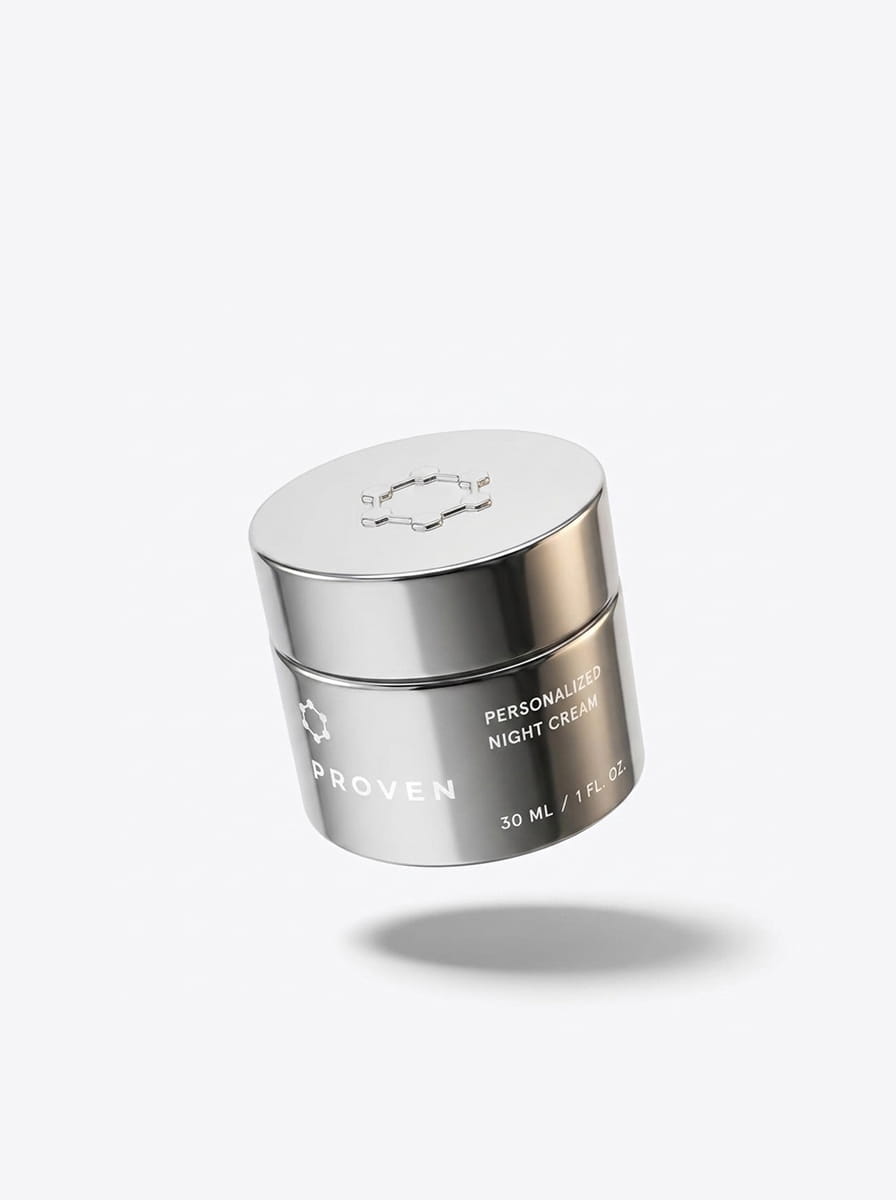
Overnight repair with the active ingredients your skin needs most.