

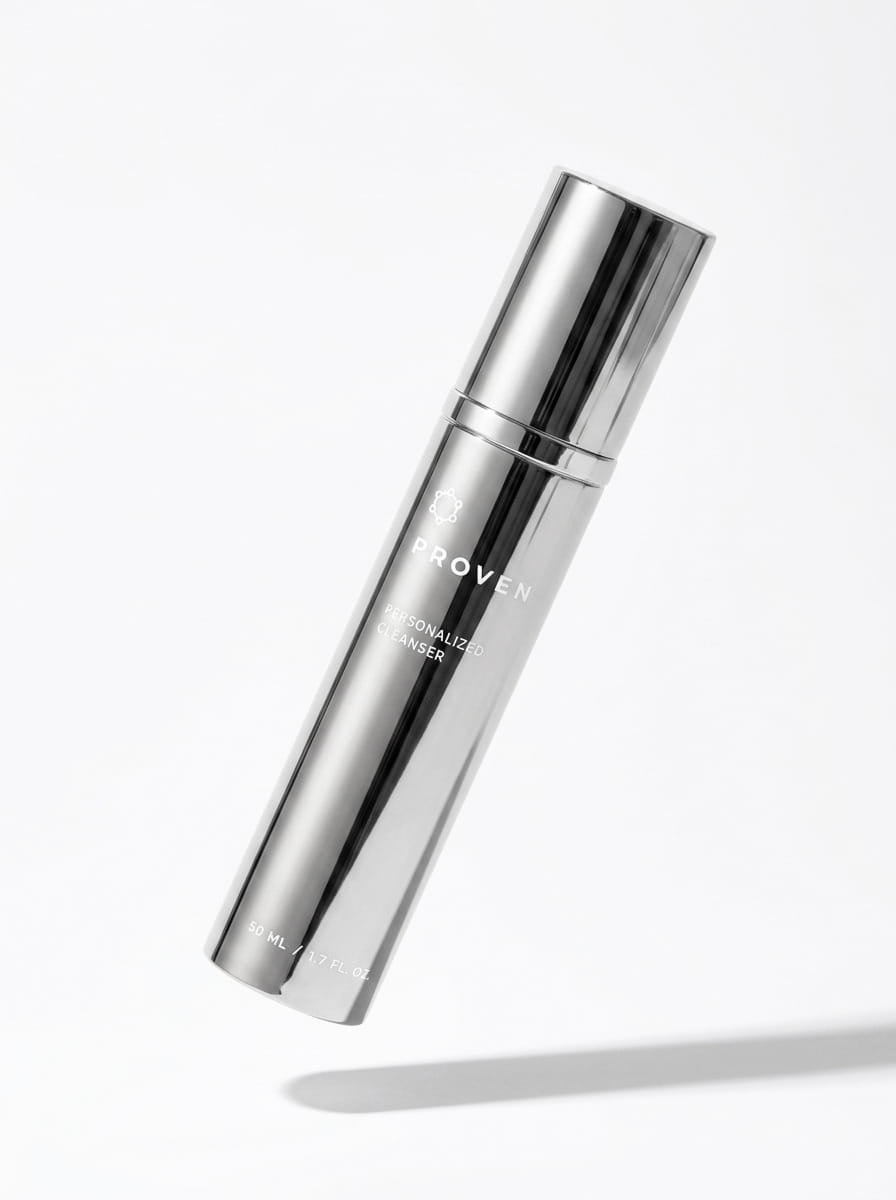
Personalized Cleanser
A gentle wash with exfoliating and toning properties — calibrated to your skin.
It’s true: the word “non-comedogenic” was simply created by a very clever advertising team to sound convincing. There are no approved regulatory standards for the word—so you have no assurance that any product claiming to be “non-comedogenic” won’t block your pores.

The Truth About Non-Comedogenic
Remember when we wrote about how “non-comedogenic” is a meaningless marketing term with no scientific backing? It’s true: the word “non-comedogenic” was simply created by a very clever advertising team to sound convincing. There are no approved regulatory standards for the word—so you have no assurance that any product claiming to be “non-comedogenic” won’t block your pores. We thought it was all pretty surprising, and more than a little unsettling, considering how often the “non-comedogenic” description is slapped onto skincare and beauty products.
On the bright side: there are many, many skincare ingredients that have been rigorously scientifically tested to assess their efficacy. Here are our top eight “non-comedogenic” ingredients. In this case, we are defining “non-comedogenic” to mean: ingredients with exfoliating properties, ingredients that accelerate cell turnover (both are proven to help clear pores), and ingredients that will soothe and hydrate the skin without causing congestion.
Vitamin A/Retinol
“Vitamin A is the single most powerful ingredient in dermatology,” says Dhaval G. Bhanusali, M.D. a dermatologist in New York City. While retinol is also used to boost collagen production and fight wrinkles, its potent exfoliating properties also mean that it helps with acne, and can even help fade redness and dark spots. Retinol is usually found in face moisturizers, and is best used overnight for maximum effect.
Salicylic Acid
This exfoliating beta-hydroxy acid is great because it’s safe for sensitive skin, too. It works by reducing oil production and cleans out pores, and is usually used as an ingredient in face wash or as a spot treatment.
Alpha-Hydroxy Acids
An exfoliating acid family, sometimes referred to as AHAs, that includes includes glycolic and lactic acid. A great non-comedogenic face wash ingredient, BAHA is best for treating whiteheads and raised breakouts.
Benzoyl peroxide
Benzoyl peroxide kills bacteria—use this ingredient to fight the inflammation, pain, and redness that often accompany moderate acne. It also removes excess oil and exfoliates dead skin cells. Benzoyl peroxide works best on blackhead-like zits, or pimples with a red ring around the white pustule. This ingredient comes in various concentrations in face washes, face moisturizers, creams, gels, and spot treatments.
Clay
It’s not just for pottery class! Kaolin clay in particular can draw excess oil and other impurities out of your pores—and keeping your oil levels balanced and your pores clear is an important part of fighting acne. Unlike other kinds of clay, it won’t over-dry your skin, so it’s also safe for sensitive or mature skin. Use a clay mask once or twice a week after your face wash (and don’t forget to moisturize afterwards).
Vitamin C/Ascorbic Acid
This antioxidant protects skin and shields it from environmental aggressors (think: sun and pollution) to help it heal faster post-pimple. It can also help fade discoloration—this ingredient is a great addition to a hyaluronic acid serum (see below) or face moisturizer.
Hyaluronic Acid
This ingredient can hold 1000x times its weight in water, but it won’t clog pores—the perfect moisturizer for acne-prone skin (and equally good on every skin type). Hyaluronic acid helps maintain skin’s oil and water balance, which is vital, especially for acne-prone skin. Try to find a hyaluronic acid serum that also has vitamin C and/or E added to it for extra oomph.
Teatree Oil and Argan Oil
Wait a sec—oil for oily skin? Yep. These oils don’t increase your skin’s overall oil production, so they’re safe to use. Tea tree oil has natural anti-bacterial and anti-inflammatory properties to help calm acne. Argan oil is rich in vitamin E and essential fatty acids and absorbs quickly, leaving no greasy residue behind.
One of the best ways to find out which of these ingredients will work best on your skin is to test them out. And the best way to do that is with a basic patch test.
What’s a patch test?
A patch test is pretty much what it sounds like: testing a product on a small patch of skin to see if you have an allergic reaction or irritation of any kind. You can do one with any product. Here’s a basic one:
We hope this has cleared up (see what we did there?) any confusion about those so-called non-comedogenic products. Remember: all of PROVEN Skincare’s ingredients are scientifically proven to work—so you won’t have to worry about phony marketing claims ever again. Click here and discover totally personalized skincare that’s guaranteed to work for your skin.
Built from 47 factors of your skin profile — a cleanser, day moisturizer, and night cream calibrated to you from the 3-step Skin Genome Quiz.
A gentle wash with exfoliating and toning properties — calibrated to your skin.
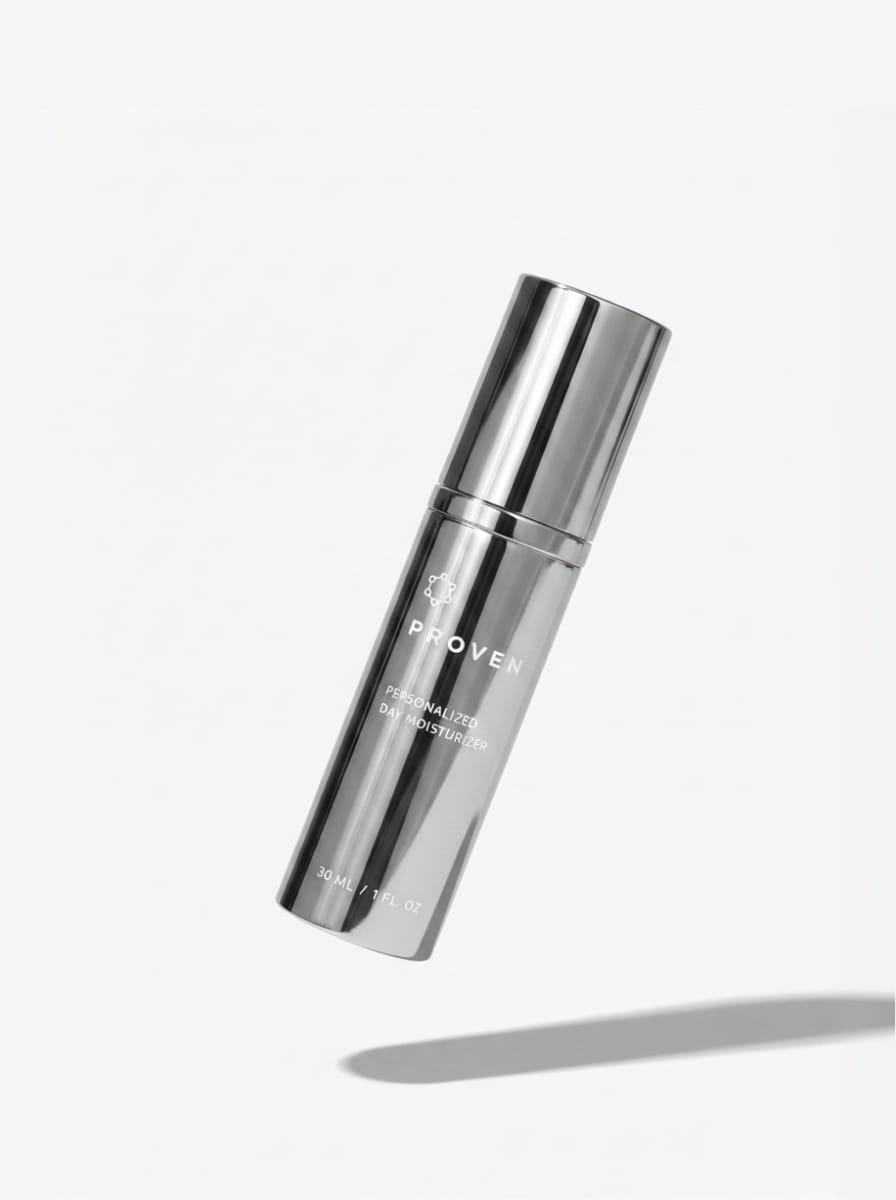
Lightweight daytime hydration — formulated for your skin.
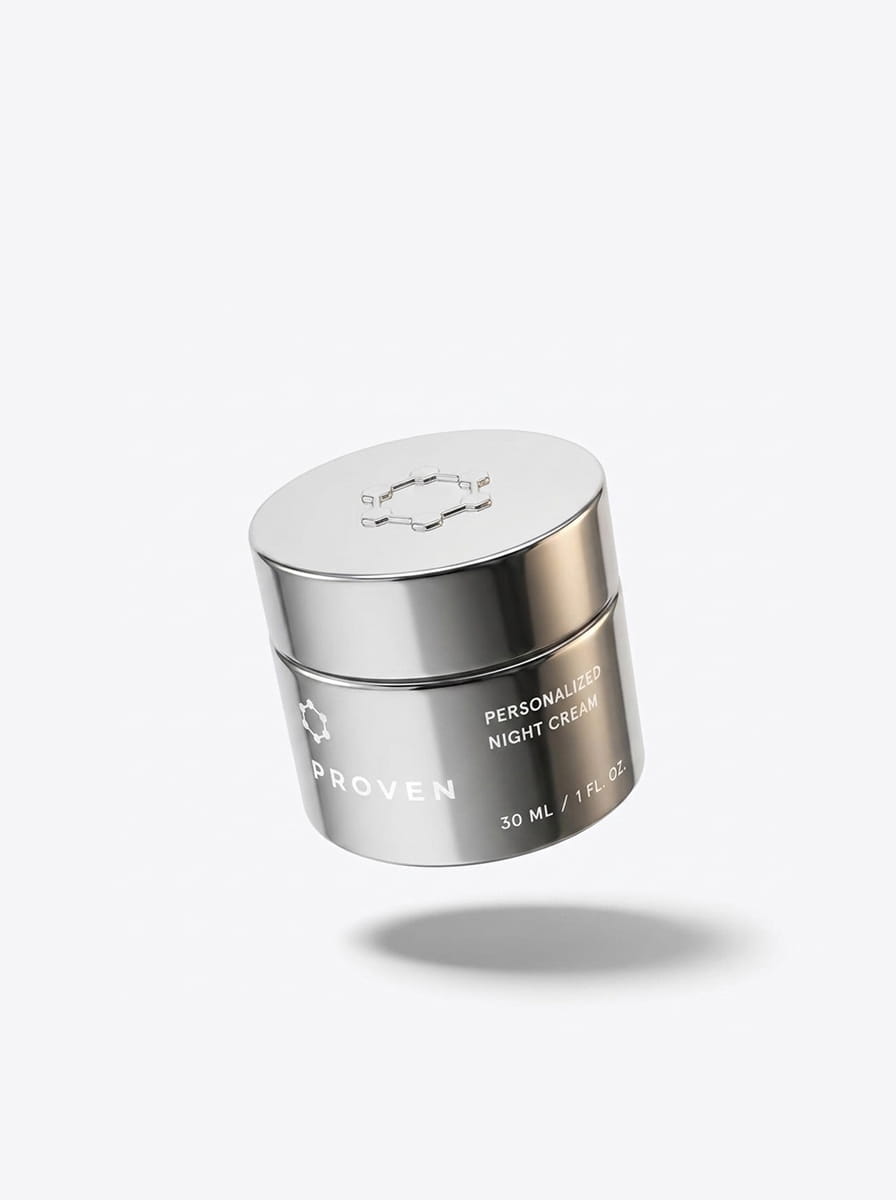
Overnight repair with the active ingredients your skin needs most.