

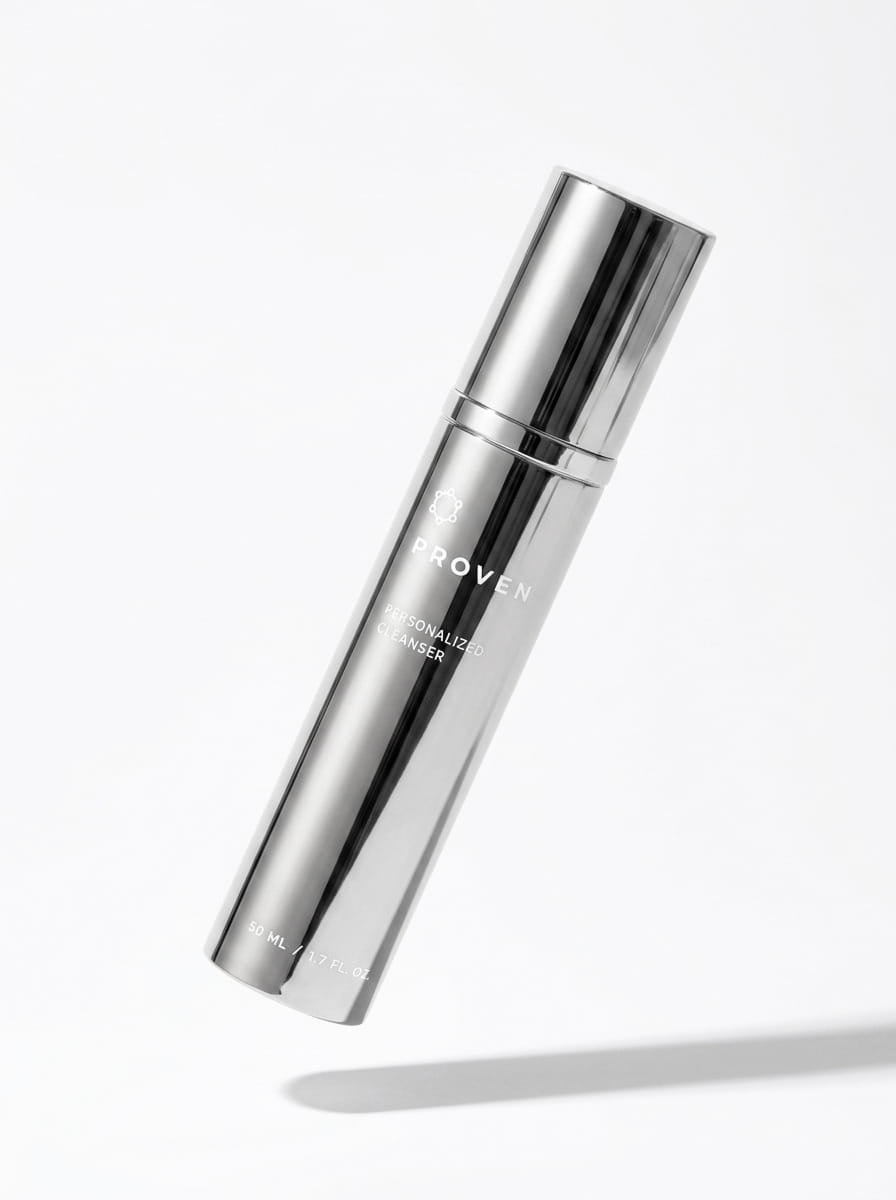
Personalized Cleanser
A gentle wash with exfoliating and toning properties — calibrated to your skin.
Learn the truth about non-comedogenic claims and how to choose products that truly won’t clog your pores.

What Does Non-Comedogenic Mean?
"Non-comedogenic" literally means will not block pores: "comedo" is the medical word for things like blackheads and whiteheads. You’ve probably been reading this word in tons of skincare and makeup descriptions since you were a spotty teen desperate to tame your acne. So it might surprise you to know that “non-comedogenic” has absolutely no meaning. Why? There are no approved or regulatory standards for this term—anywhere. Whatever long-ago marketing/advertising department coined the term “non-comedogenic” really hit a home run for their beauty or skincare client. The word sounds scientific enough, and it’s now been used widely enough, that it’s probably fooled millions of people!
Then How do Brands Decide What is Non-Comedogenic?
Some brands do test to see if a product will clog pores, but the testing protocols aren’t standardized, either, and many are flawed—for example, the sample sizes are too small, or the product is applied to subjects’ backs, even if it’s a face cream. This sort of testing might provide some information about whether or not the product will clog pores on the backs of ten people, but it’s significantly less helpful at predicting if it will clog pores on the faces of the millions of people who could potentially buy the product in question.
To further complicate everything, none of these pore-blocking “tests” consider context: even if an ingredient blocks pores when used alone, it might not when mixed with certain other ingredients. The tests also don’t always account for different concentrations of the same ingredient—for example, some agents won’t block pores in low concentrations, but will at higher ones.
So What Really Won't Block My Pores?
How, then, can you figure out which products actually won’t clog your pores? As a general rule, the thicker the product, the more likely it is to cause skin congestion. If you have oily skin, avoid anything with a thick, creamy consistency. Instead, look for products that have a liquid, gel, or serum texture, or a thin, water-based lotion consistency. Generally, products with thinner textures are less likely to clog pores or worsen breakouts.
Ultimately, if a product claims to be non-comedogenic and you’re skeptical, just check the list of ingredients. Most ingredient labels for skincare products are ordered by the amount of the ingredient in the product, from most to least. If you’ve got acne-prone or oily skin, try to avoid greasy ingredients such as jojoba/olive/avocado oils, shea or cocoa butter, and lanolin. Instead, try to find fragrance-free products with glycolic acid, salicylic acid, retinol, hyaluronic acid, benzoyl peroxide, clay, or sulfur. And if you wear makeup, be sure to cleanse your skin very thoroughly at the end of each day so that traces of foundation or mascara don’t sneak into your pores while you’re sleeping.
It’s tricky to decode misleading jargon. Read our article here for a more thorough exploration of what “comedogenic” (skin-clogging/skin-irritating) products to avoid, and what “non-comedogenic” (pore-clearing) ingredients you should definitely to add to your skincare routine—best of all, these ingredients have all been scientifically tested.
If, like us, you’re tired of ingredient labels and guesswork, the best solution is to take our skincare quiz—we’ll use the results tailor-make products just for your skin, and you won’t have to worry about misleading product labels ever again.
Built from 47 factors of your skin profile — a cleanser, day moisturizer, and night cream calibrated to you from the 3-step Skin Genome Quiz.
A gentle wash with exfoliating and toning properties — calibrated to your skin.
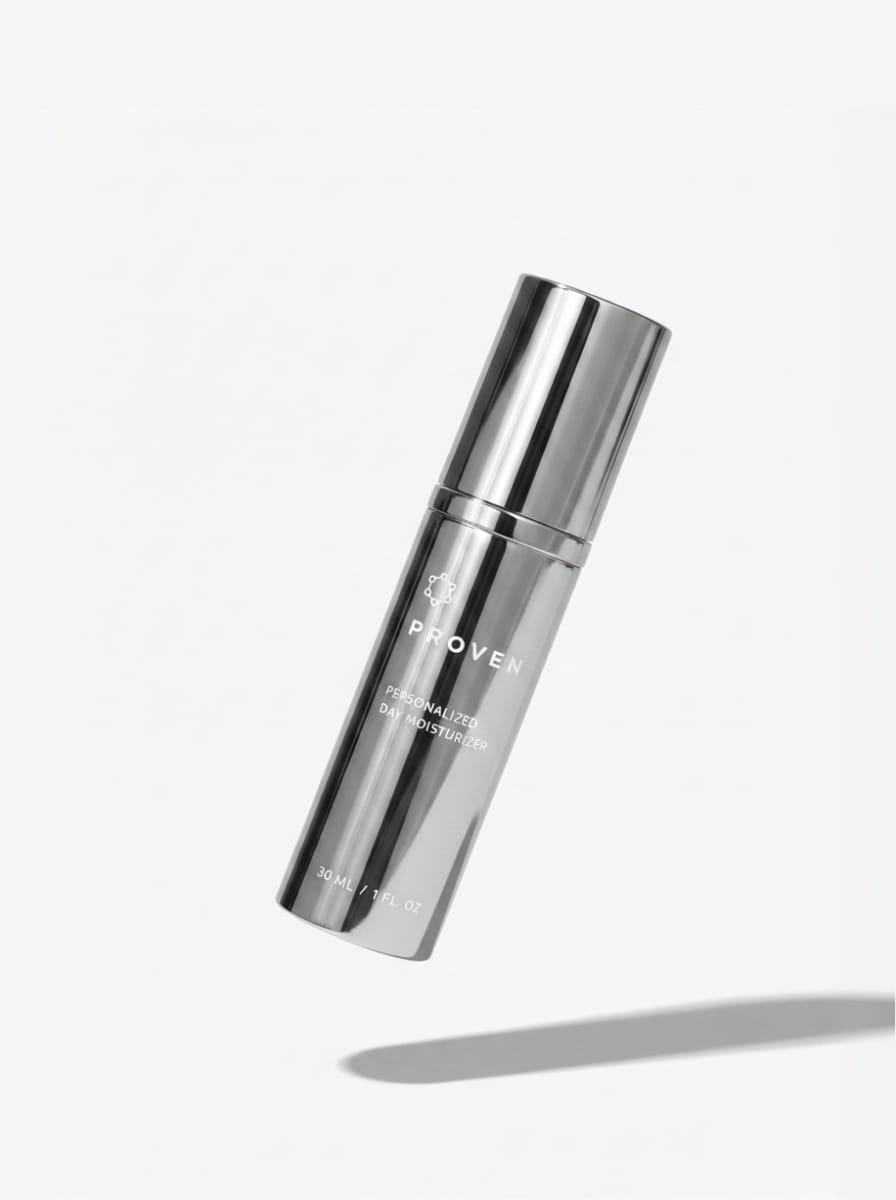
Lightweight daytime hydration — formulated for your skin.
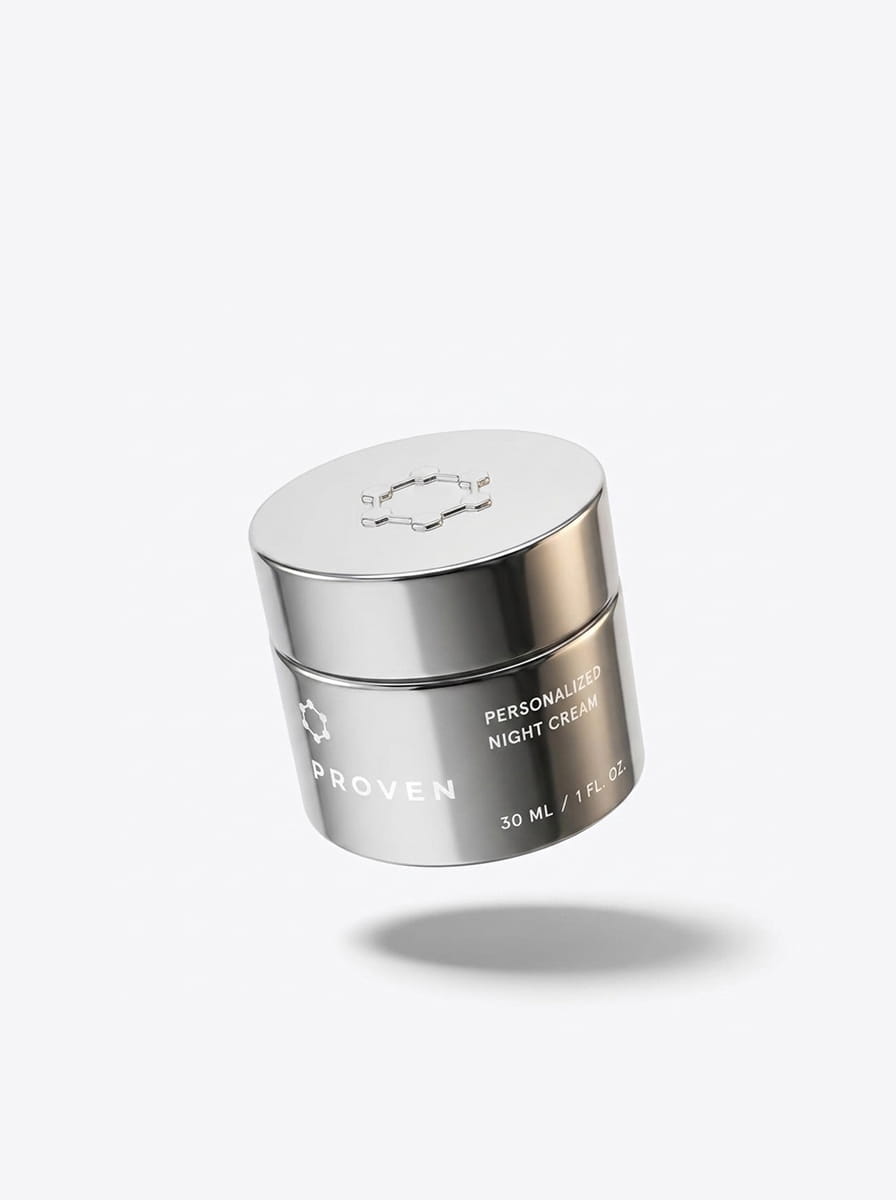
Overnight repair with the active ingredients your skin needs most.