

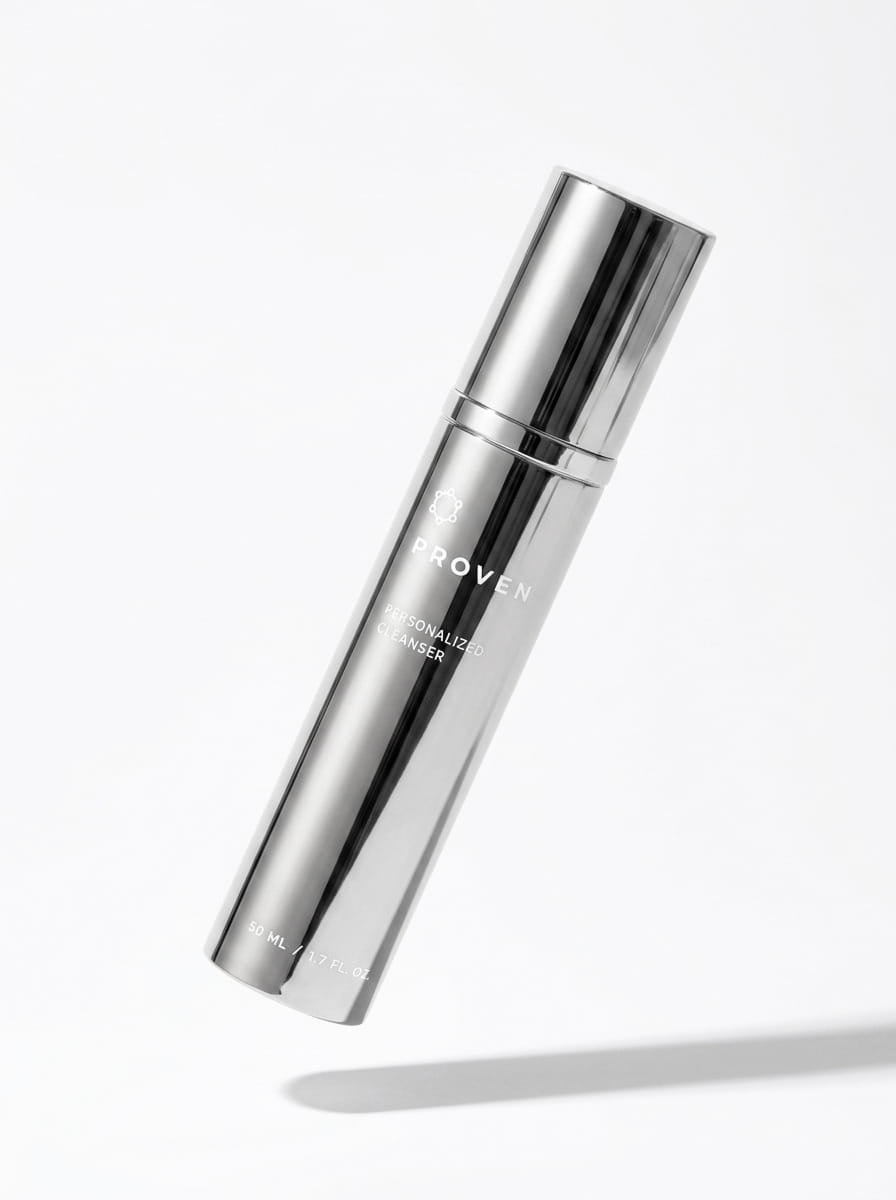
Personalized Cleanser
A gentle wash with exfoliating and toning properties — calibrated to your skin.
Take a quiz. We analyze your factors and build a formula made for you alone.
Don't know where to start? Our guide helps you navigate the world of skincare and find the perfect routine and products for your unique needs.

A can of soda with your name on it. Streaming video services that use algorithms to suggest movies based on your taste…Customization is booming. As Oscar Wilde wisely said, “Be yourself, everyone else is already taken.” The movement towards personalization marks our culture’s newfound ability to embrace our differences. Despite the difficulty it poses for supply chain and development, businesses are recognizing that we are all individuals deserving of customized services and products.
And yet the skincare industry lags behind, offering cookie cutter solutions for broadly generic skin concerns. Rather than offering the best skincare products for your skin, they offer the best skincare products for them to manufacture in mass quantities. Every pimple can’t be treated the same way, and a wrinkle is not always simply just a wrinkle. Our skin is dynamic, influenced by an array of factors including genetics, environmental stress, intrinsic aging, extrinsic aging and lifestyle changes.
Looking for the best skincare products is perplexing when every new serum on the market promises to fix your skin. But how can one serum possibly address all of your concerns, as well as your mother’s concerns, or your next door neighbor’s concerns? Before you can determine the best skincare routine for your individual concerns, it’s crucial to look at all the factors that influence your skin health.
Starting at age 20, your collagen production will drop by 1% each year. Aged skin can have as much as 68% less collagen vs. young skin. Sebum production slows and glycation coupled with sun damage causes elasticity to drop. Hormones can influence skin firmness, pigmentation and tone.
The amount of pigmentation in your skin impacts your skin’s sensitivity to UV light. The less pigment you have, the more likely you are to burn and sustain irreversible damage, which leads to uneven tone and sagging. The more pigment you have in your skin, the more likely you are to experience hyperpigmentation as a result of scarring or age.
While more and more brands are moving toward unisex formulations, your gender can affect your search for the best skincare products. Male skin tends to be thicker and dryer, and female skin tends to undergo more changes due to hormonal fluctuations.
Family history of skin disorders? Personalized skincare won’t overlook this. It’s important to look at your genetic history if you want to find the best skincare products for your personal genome. For example, Asian skin is more likely to experience hyperpigmentation, while Caucasian skin is more likely to suffer from premature wrinkles. If you want to proactively fight skin issues, it’s crucial to take your genetics into account.
Depending on where you grew up and where you live now, you may have been exposed to a lot of UV damage at one point in your life. Unfortunately, this is not something that just goes away, and you will carry this damage along with you through the course of your lifetime. Looking at your UV index and risk of sustaining further damage is helpful when searching for the best skincare products, especially those with SPF.
Whether your environment is humid, dry, rainy, hot or frigid has a massive effect on your skin health. People in humid climates may have less of a need for added moisture, but they tend to feel “oily” and over-cleanse their skin, leading to dehydration and sensitivity. When you over-cleanse, you strip your skin barrier which makes you more susceptible to allergens. Often what looks like allergies to a skin care product is just an impaired skin barrier.
You can wash your face every night, use SPF every day and use the strongest treatments available for your skin conditions, but if you aren’t following a healthy diet, your skin may never improve. A diet high in sugar can actually cause wrinkles via a process called glycation. If you suffer from acne, dairy can exacerbate your skin woes, particularly low-fat dairy. Knowing your triggers is a crucial part of establishing a healthy skincare routine.
If you’re not logging enough z’s every night, you may be focused on under-eye bags and wondering what the best eye cream is. Lack of sleep can certainly make you appear more tired and less attractive, according to studies. What’s worse is it affects your entire body because sleep slows down your body’s ability to repair and heal. This applies to your entire wellbeing, not just your skin. Getting enough sleep is our number one recommendation for practicing self-care.
Ingredients matter more than packaging.
Yes, that pretty blue metallic jar might look good on your countertop and can make for a pretty “shelfie”, but it’s what’s inside the jar that really counts. If you’re plagued by acne, sulfur can help, but if dry skin or wrinkles accompany your breakouts, Salicylic Acid may be a better choice. Feeling sensitive? Add an anti-inflammatory extract like Calendula or Tasmanian Pepper to calm redness. For persistent dry skin, look for Hyaluronic Acid. If you have dry skin and also experience environmental stress like severe weather or travel frequently by plane, Ceramides can help strengthen your skin barrier and offer soothing relief. If you are pregnant or breastfeeding, it’s best to avoid all Vitamin A derivatives as well as phthalates.
Just like your unique personality, your skin is an individual, surrounded by many factors that can affect your skincare treatment outcome. Embrace your differences and discover how personalized skincare can take your results to the next level.
Built from 47 factors of your skin profile — a cleanser, day moisturizer, and night cream calibrated to you from the 3-step Skin Genome Quiz.
A gentle wash with exfoliating and toning properties — calibrated to your skin.
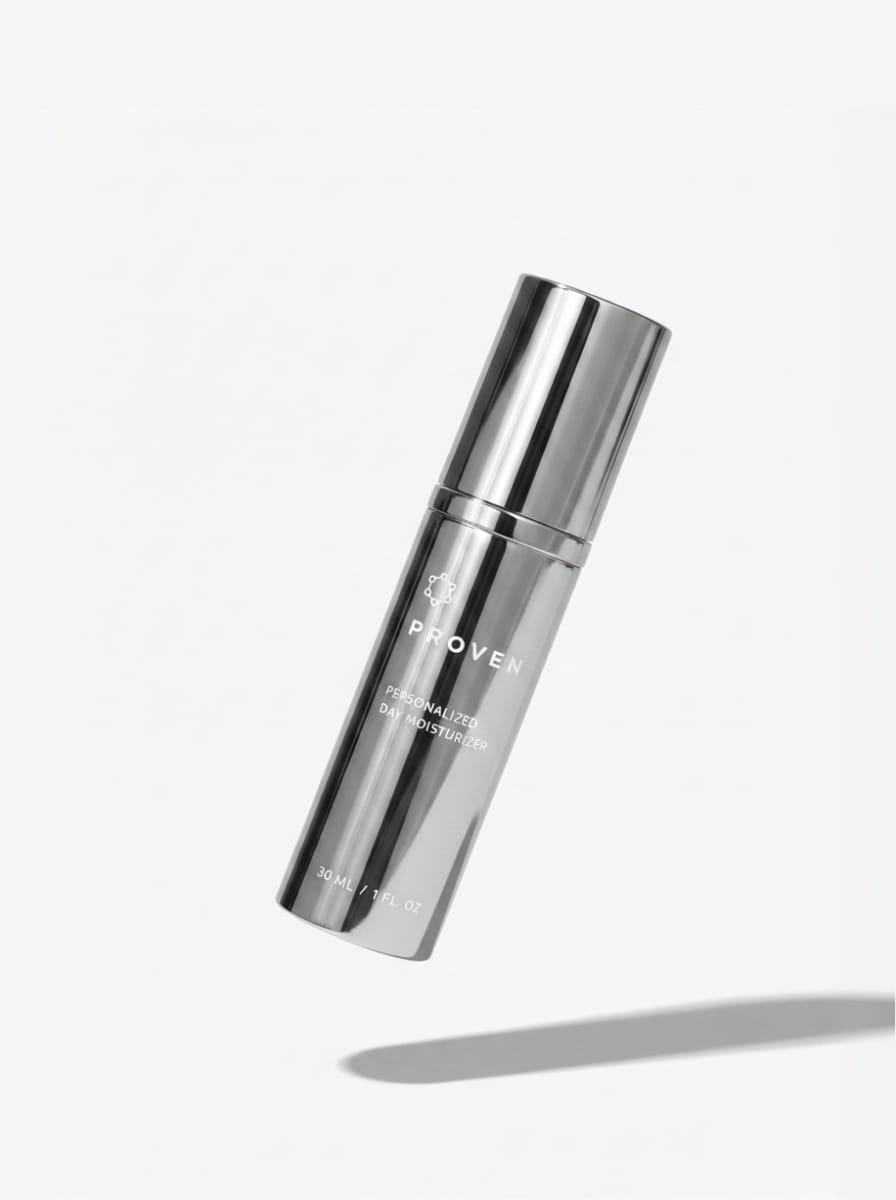
Lightweight daytime hydration — formulated for your skin.
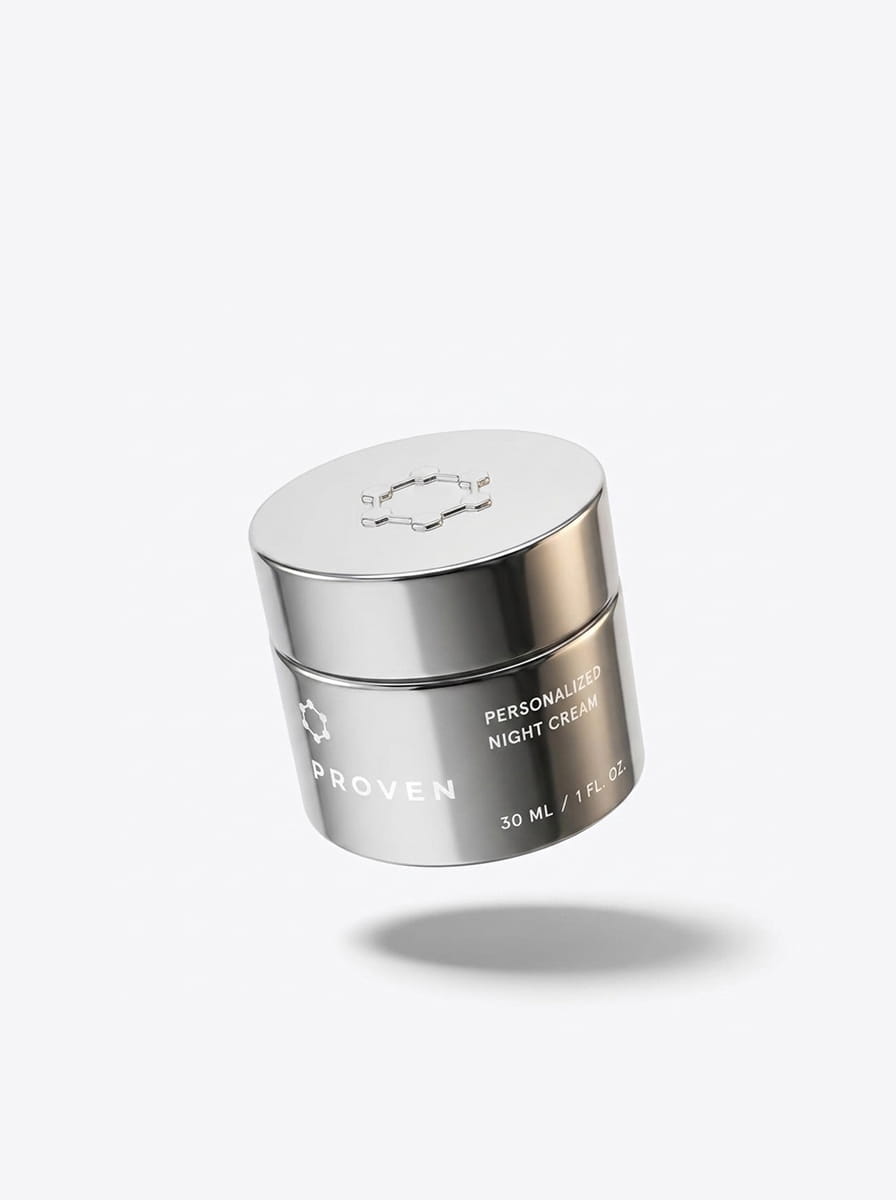
Overnight repair with the active ingredients your skin needs most.