

Keeps your skin healthy even if you spend a lot of time in the sun. The sun's heat dries out areas of unprotected skin and ultraviolet (UV) radiation can cause burning and photoaging.
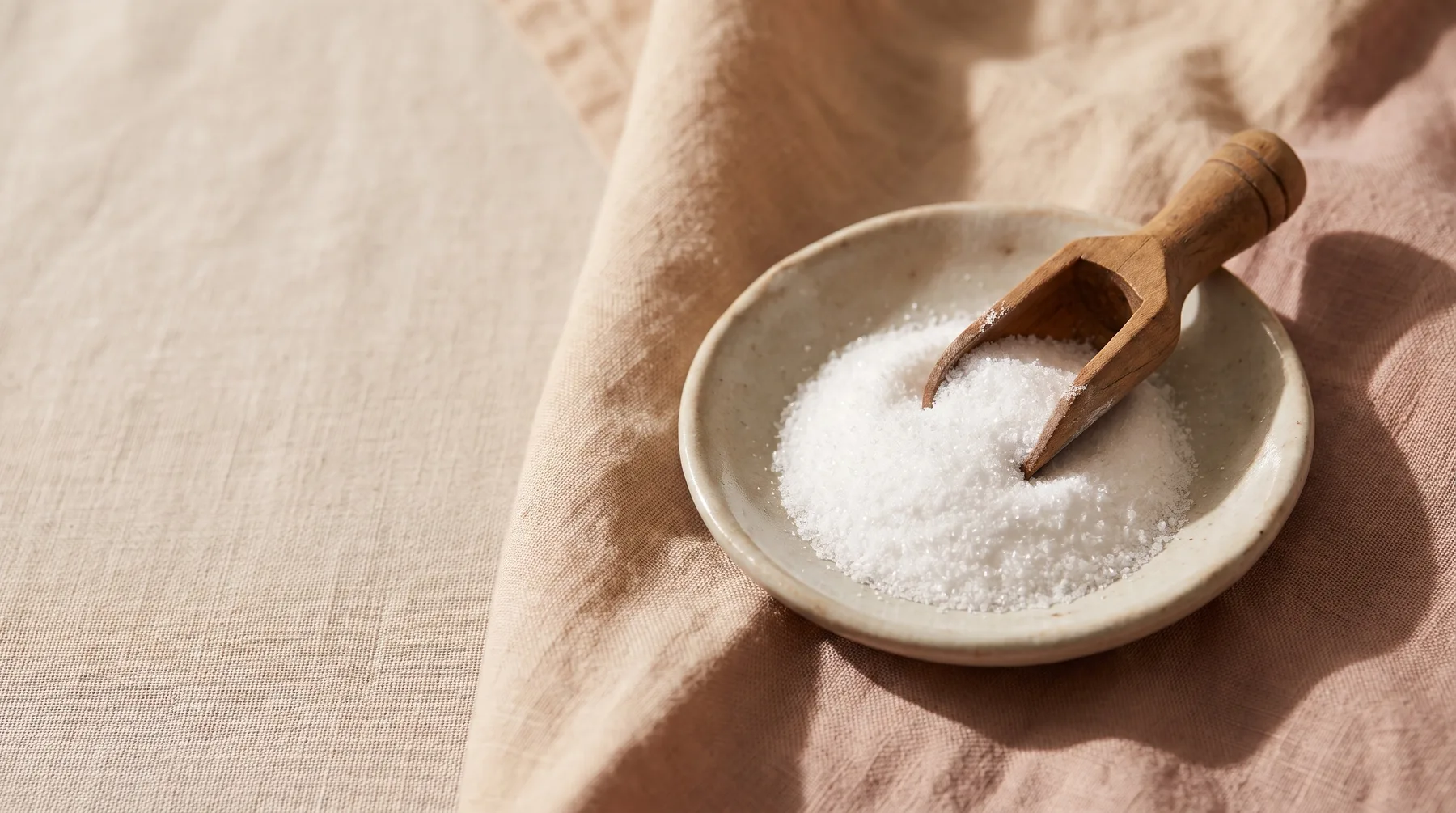
INGREDIENT
Tranexamic Acid
If you’ve ever dealt with age spots or stubborn melasma, you may want to explore the benefitsof tranexamic acid-- a relative newcomer to the realm of science-forward skincare. This powerful ingredient reduces interactions between pigment-producing cells when infused into super-charged facial serums and creams.
- 4.7 ★50,000+ reviews
- Clinically proven28-day independent study
- MIT AI IdolTechnology of the year
- 2 U.S. patentsPersonalization first
What is tranexamic acid?
Tranexamic acid is a synthetic derivative of the amino acid lysine. This molecule has a targetedanti-inflammatory action that blocks the transfer of pigment from melanocytes into the epidermis. It is commonly prescribed topically to prevent post-inflammatory hyperpigmentation, treat melasma, and is a strong skin brightening agent.
What are the benefits of tranexamic acid?
Tranexamic acid topical improves existing skin discoloration caused by UV exposure,inflammation, and hormone-induced melasma, also known as the “mask of pregnancy.” Itbrightens the complexion, improves skin clarity, and has been shown to lighten age spots andacne scars for more even-toned and glowing skin. Tranexamic acid has been shown to decrease skin sensitivity to UV radiation, so it is safe to use during spring and summer months.
Tranexamic Acid helps with these skin types
Dry skin
Tranexamic Acid helps restore even skin tone and reduce inflammation.
Normal skin
Tranexamic acid can be applied topically as a way to help address skin discoloration and conditions like melasma.
Oily skin
Tranexamic Acid helps fade dark spots and acne scars.
Helps with these environmental & lifestyle factors
Helps fight the effects of pollution on your skin. Polluted air contains small nanoparticles which cause premature aging. Clinical studies show that people with low pollution exposure levels have brighter, healthier, more radiant looking skin.
Protects against HEV Blue light’s digital pollution. When you spend a lot of time in front of a screen, blue light can rob the skin of healthy collagen levels. Continued exposure can cause worsening of melasma, skin discoloration, fine lines or, in some cases, an increased risk of melanoma, or skin cancer.
Calibrated for every age
It refines the skin, making it smoother, creating a more even skin tone, a brighter appearance, and gives you radiant skin from within.
It is a perfect fit to address the primary skin care concerns for people in their 20s and early 30s. Make it a part of your regular skin care routine for healthy, beautiful skin.
This is a great time to make it a part of your skincare routine as you start thinking about incorporating more ingredients with anti-aging benefits.
It is a great bet for consistent, everyday incorporation in your skincare routine as it not only will tighten up your anti-aging regimen but also help you achieve firmer, more youthful skin.
As skin matures, it tends to lose hydration and feel dry. This helps hydrate and plump the skin, reducing the appearance of fine lines and wrinkles.
Works well with these other ingredients
Unlike other acids that exfoliate dead skin cells, tranexamic acid is more of a soothing agent that helps to restore the skin’s natural barrier. It pairs well with other brightening agents like kojic acid, niacinamide, Vitamin C, and retinol.
 01 / 03Key active
Niacinamide
Reduces the size of pores, redness and dark spots
 02 / 03
Vitamin C
A brightening, firming antioxidant that promotes collagen production and helps fade dark spots and discoloration
 03 / 03
Granactive® Retinol
Anti-aging, brightening, renewing, and acne-combating superpowers, while being more gentle on the skin
Usage guide
How to use Tranexamic Acid?
To target dark patches, hyperpigmentation, or melasma-- tranexamic acid should be incorporated into your daily skincare routine. Skin brightening serums containing this and other pigment-fighting actives are a good place to start and may be an effective addition to your evening use of a retinoid.
When to use tranexamic acid?
It takes time to fade serious skin discoloration-- sometimes several months. Tranexamic acid- containing topical products should be used twice a day after gentle cleansing and/or exfoliation. If you’re applying the product in the morning, follow with a broad-spectrum SPF 35+ sunscreen. If you are using retinoid products in the evening, apply the acid afterward for best penetration.
What is Tranexamic Acid found in?
Tranexamic acid is not a naturally occurring molecule but a synthetic version of lysine-- an essential amino acid obtained from dietary sources such as meat, dairy, shellfish, tofu, beans,and legumes. Lysine is involved in the retention of calcium and collagen production.
Is tranexamic acid suitable for sensitive skin?
Yes, it is gentle enough for most skin types, although it’s important to consult with adermatologist before using a new element in your daily skincare routine. If you have sensitive and reactive skin, do a small patch test.
Things to keep in mind
Tranexamic Acid side effects
Topical use of tranexamic acid has no major adverse side effects and has been used by dermatologists for many years to treat dark spots, melasma, and uneven skin tone. Tranexamic acid also works on blood vessels and has shown promise treating inflammatory erythema(redness) caused by acne and rosacea. null
Ingredients to avoid with tranexamic acid
It can be used effectively alongside some of the most potent skincare actives. If you are trying new ingredients in tandem with this skin brightening agent, start slowly and consult your dermatologist as needed.
Find out if you need tranexamic acid
Tired of trial and error with new skincare products? Find out if tranexamic acid should beincorporated into your skincare regimen by taking the PROVEN skin quiz today. With our uniquely personalized formulas, you are getting three multifunctional products that are clinically effective and change with you.
The PROVEN system
Your personalized system
A cleanser, day moisturizer, and night cream — calibrated to your skin from the 3-step Skin Genome Quiz.
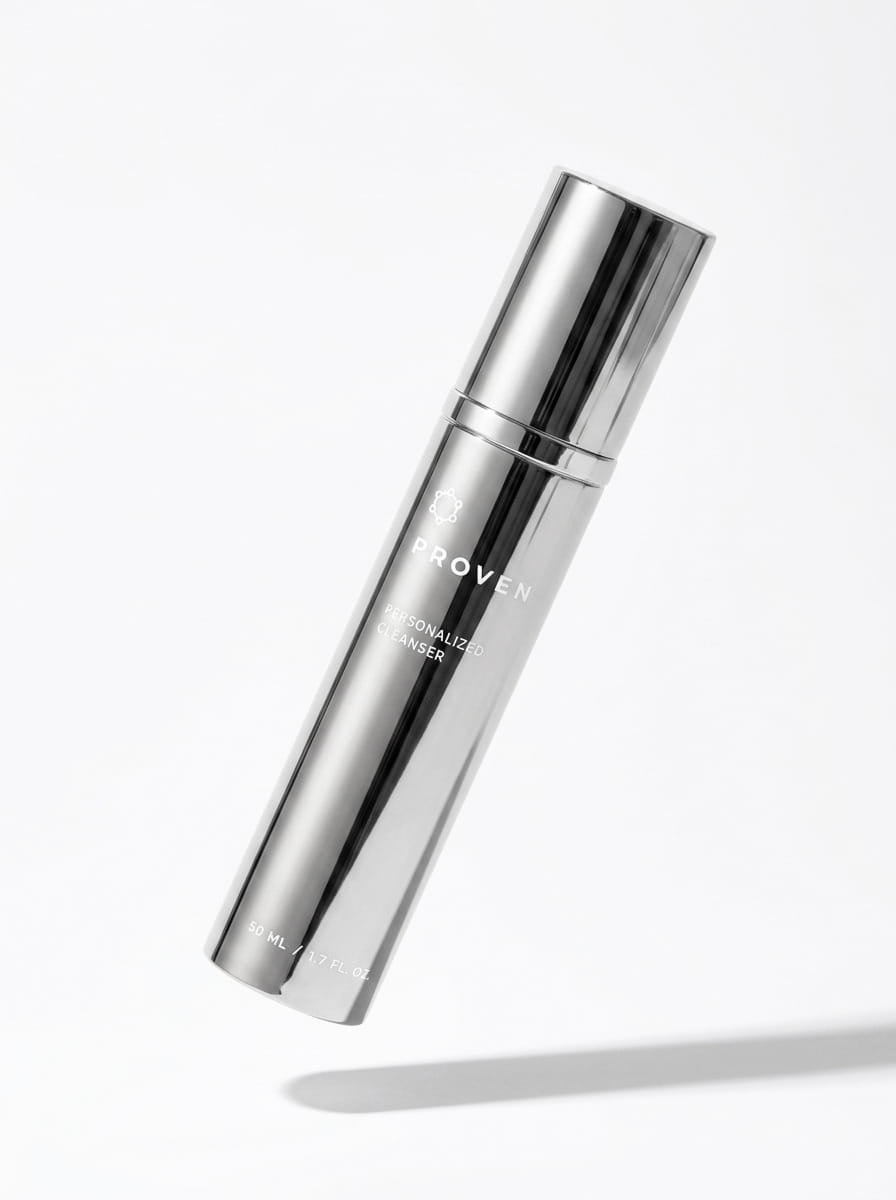
Personalized Cleanser
A gentle wash with exfoliating and toning properties — calibrated to your skin.
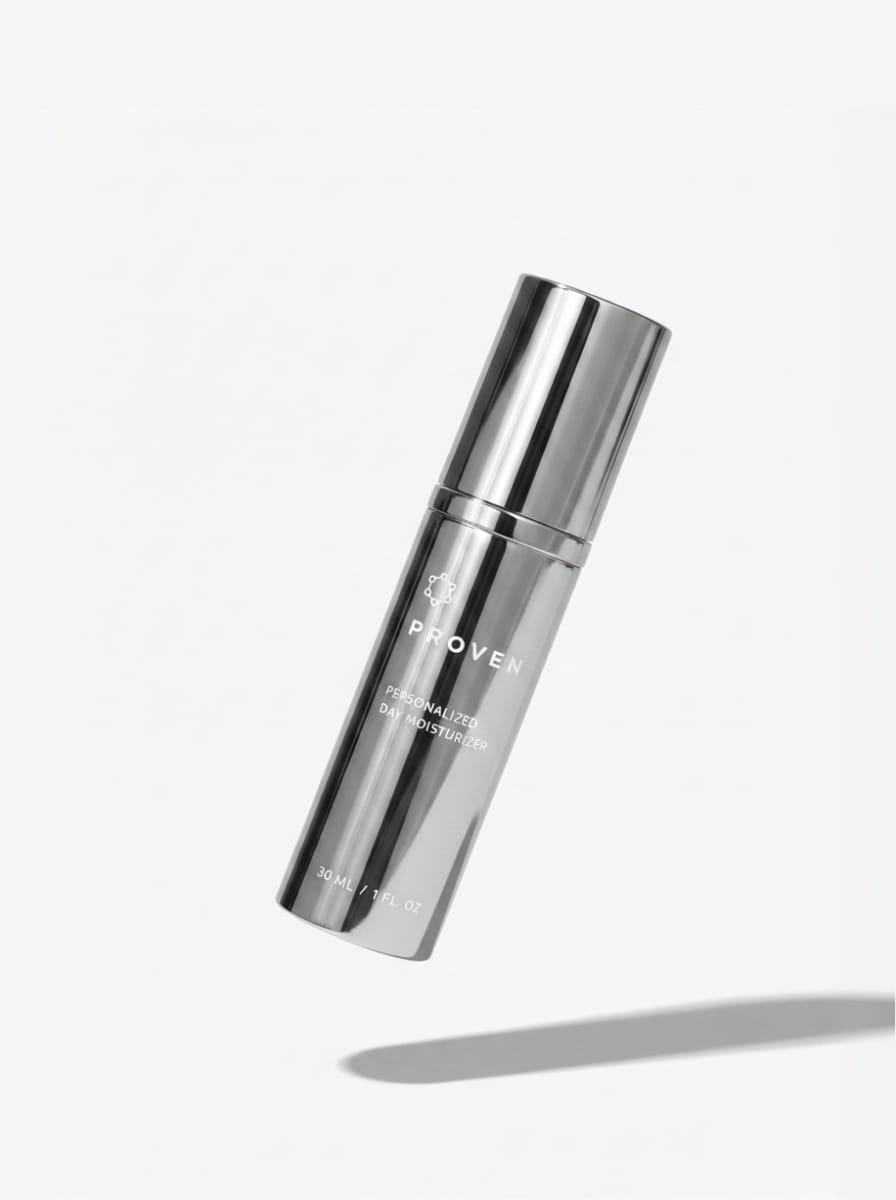
Personalized Day Moisturizer
Lightweight daytime hydration — formulated for your skin.
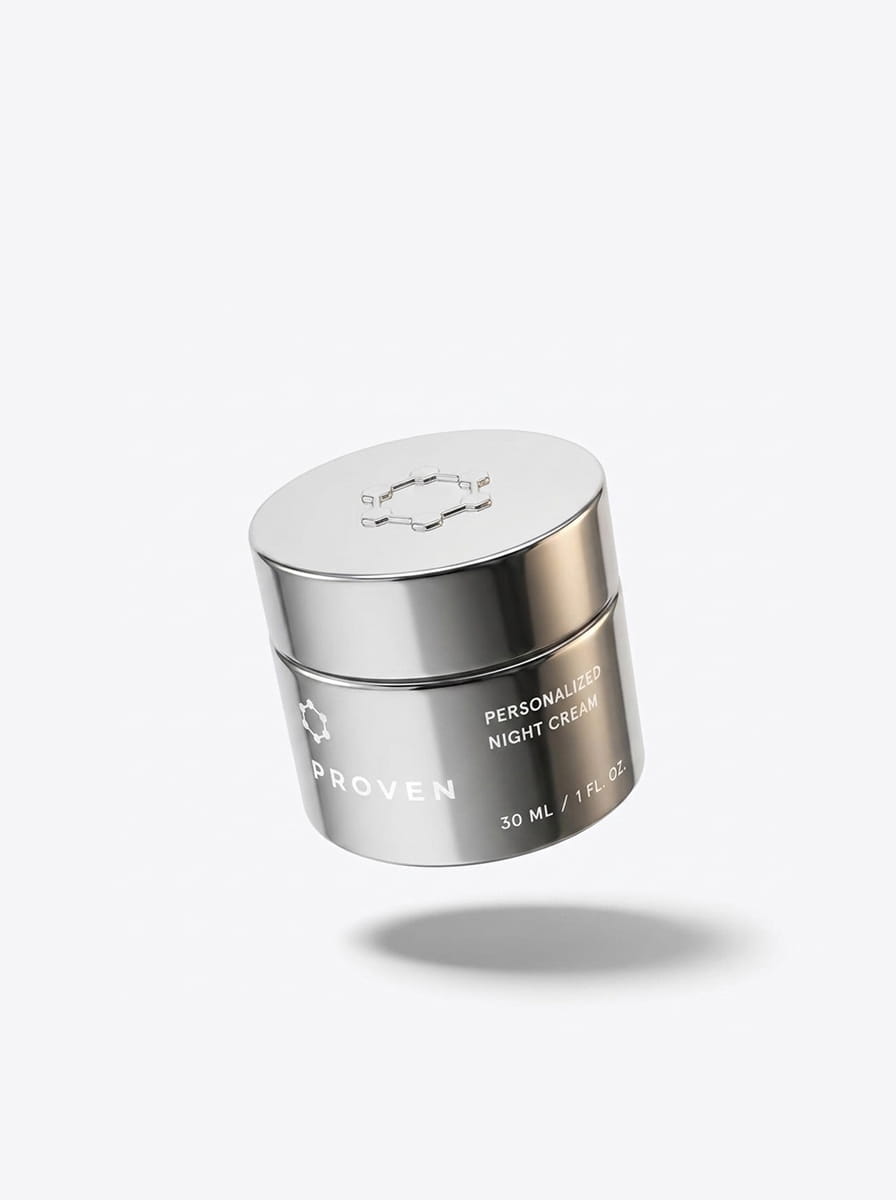
Personalized Night Cream
Overnight repair with the active ingredients your skin needs most.
From $99Take the 3-min quiz
Clinically proven. Consciously made.
In a 28-day clinical study, 87% noted softer skin, 94% noted smoother skin, and 81% noted a brighter complexion.
Always cruelty-free. Never formulated with phthalates, parabens, SLS, or formaldehyde.
Formulated and filled in an FDA-approved US laboratory. Made stateside, end to end.
Tips for using tranexamic acid
How to work this brightening active into a routine that actually fits your skin.
- Give it real time Serious discoloration fades slowly, sometimes over several months. Stay consistent through the calibration period and let the results build.
- Layer after your retinoid If you use a retinoid at night, apply tranexamic acid afterward for better penetration. Twice-daily use after gentle cleansing is where it does its best work.
- Pair it with SPF Follow morning application with a broad-spectrum SPF 35 or higher. Tranexamic acid is designed to address pigment, and sun protection keeps that progress from unwinding.
- Stack it with brighteners It plays well with niacinamide and vitamin C, two actives that also help support a more even tone. Introduce new pairings slowly.
- Patch test if reactive It’s gentle enough for most skin types, but sensitive, reactive skin should do a small patch test first. Check with a dermatologist before adding anything new.
Real results
Real results, real people.
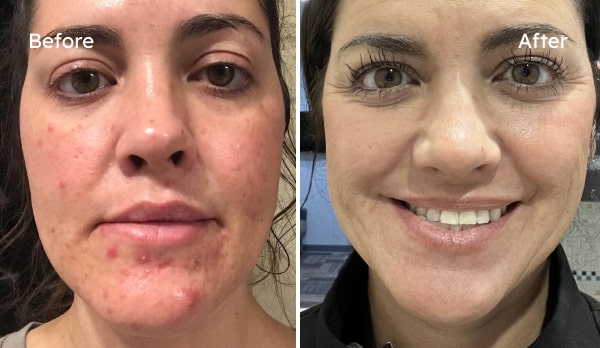
“It’s so clear and I can go without makeup and it looks amazing. I used to be so ashamed to walk around with no makeup, had terrible acne! This has been a game changer for me!”
Persistent inflammatory acne + barrier disruption = gentle sebum balance + barrier rebuild system.
1 of 6