

Helps counter the effect of high stress on your skin. Living with too much stress ramps up your body's production of cortisol—and wreaks havoc on your skin.
INGREDIENT
Sulfur for Skin
Sulfur is an element that is perhaps best known for its strong odor. Despite this, it has been used in traditional medicinal remedies thanks to its antimicrobial and antifungal properties. It isalso an effective skincare treatment.
- 4.7 ★50,000+ reviews
- Clinically proven28-day independent study
- MIT AI IdolTechnology of the year
- 2 U.S. patentsPersonalization first
What is sulfur?
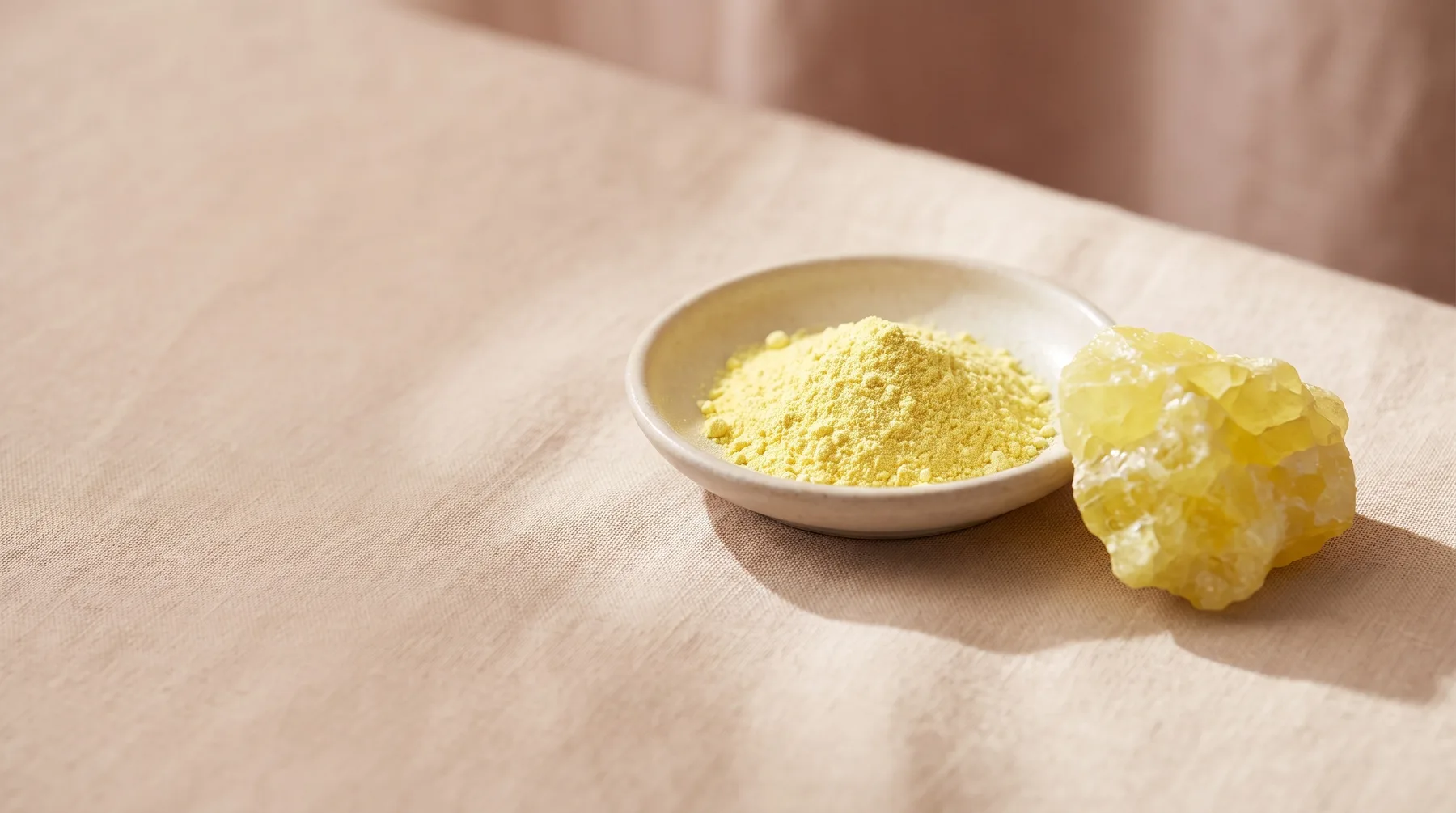
Specifically, individuals may use sulfur for skin issues such as acne. Sulfur is a pale yellow, elemental substance. When it’s at room temperature, sulfur looks like asoft, crumbly powder. It is naturally present in living tissues, and it’s used in several types ofskin and hair care products, such as dandruff shampoos and acne spot treatments. In addition to its antibacterial and antifungal properties, it is also an exfoliant.
What are the benefits of sulfur?
The primary benefit of sulfur for skincare is that it’s an effective anti-acne agent. When this ingredient is applied to a whitehead or blackhead, it works by drying out the skin and reducing sebum production. The antibacterial properties of sulfur help keep acne under control. Sulfur also makes an exfoliant. It works by softening the epidermis, allowing dead skin cells tobe removed more easily. Other benefits include reduction of clogged pores, dandruff prevention, and the treatment of eczema, psoriasis, and rosacea.
Sulfur helps with these skin types
Oily skin
Sulfur absorbs excess oil or sebum on the skin's surface which contributes to acne breakouts.
Combination skin
Sulfur dries out dead skin cells to unclog pores and prevents the formation of blackheads and whiteheads.
Helps with these environmental & lifestyle factors
Helps fight the effects of pollution on your skin. Polluted air contains small nanoparticles which cause premature aging. Clinical studies show that people with low pollution exposure levels have brighter, healthier, more radiant looking skin.
Cuts through the mineral deposits to lessen hard water’s effects on your skin. Hard water causes accumulation of soap scum and minerals which break down the lipid barriers that protect our skin and trigger chronic dryness, clogged pores, inflammation and rosacea.
Calibrated for every age
It refines the skin, making it smoother, creating a more even skin tone, a brighter appearance, and gives you radiant skin from within.
It is a perfect fit to address the primary skin care concerns for people in their 20s and early 30s. Make it a part of your regular skin care routine for healthy, beautiful skin.
This is a great time to make it a part of your skincare routine as you start thinking about incorporating more ingredients with anti-aging benefits.
It is a great bet for consistent, everyday incorporation in your skincare routine as it not only will tighten up your anti-aging regimen but also help you achieve firmer, more youthful skin.
As skin matures, it tends to lose hydration and feel dry. This helps hydrate and plump the skin, reducing the appearance of fine lines and wrinkles.
Works well with these other ingredients
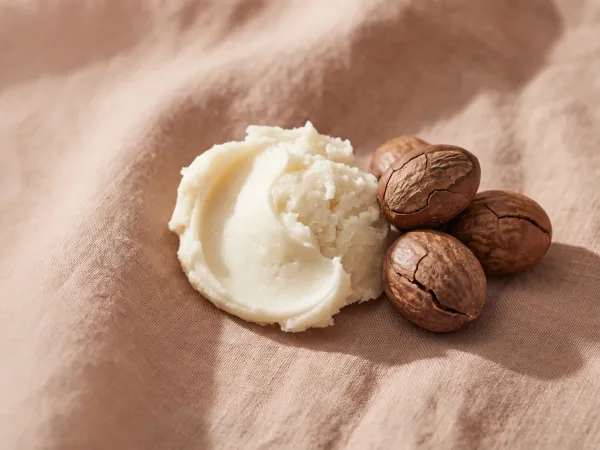
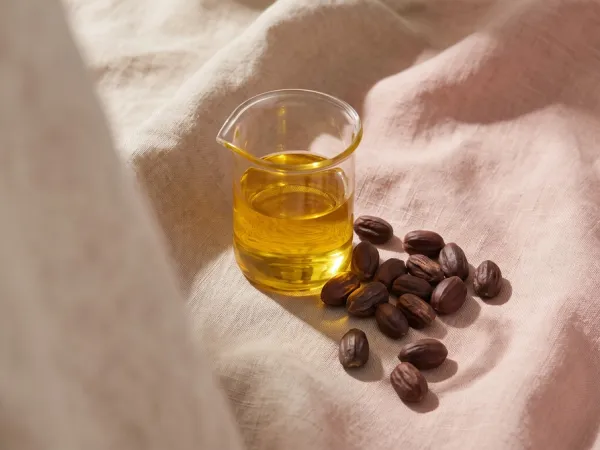
Sulfur skincare products sometimes include sodium sulfacetamide as a way to balance some of the harsher components of the sulfur, including its strong scent. Those with dry skin may react too intensely to a skincare product with high sulfur content. Moisturizing ingredients, including shea oil or jojoba oil, are excellent choices to restore hydration.
Usage guide
How to use sulfur?
The appropriate way to use sulfur skincare products depends on the form of the product. Sulfur is often available in acne spot treatments, cleansers, and masks. Acne spot treatments should be dabbed on the acne. Cleansers should be massaged into moist skin and then rinsed thoroughly. Masks may be applied to either wet or dry skin, left on for a period of time, and then rinsed off. Always follow the product directions.
When to use sulfur?
Individuals can use sulfur whenever they experience skin issues such as acne. Always check the product’s instructions to determine how often to use it. For example, spot treatments may typically be applied up to three times daily. Cleansers are usually used twice daily, while masks may be used several times per week.
What is sulfur found in?
This elemental substance is naturally found in hot springs and volcanic ash.
Is sulfur suitable for sensitive skin?
Many people with sensitive skin can use sulfur. It’s considered to be one of the milder acnetreatments available. However, it may cause some irritation or dryness.
Things to keep in mind
Sulfur side effects
Sulfur has a favorable safety profile for skincare, although it should be noted that its safety profile applies to short-term usage. Long-term usage may cause excessive drying. This ingredient may be safe when applied topically to the skin of pregnant or breastfeeding women,provided that usage is only short-term. As always, check with your health care provider.
Ingredients to avoid with sulfur
It’s recommended that users avoid combining sulfur with other ingredients that might cause dryness or are intended for exfoliation. Examples include benzoyl peroxide, salicylic acid, and retinoids.
Find out if you need sulfur
Find out if sulfur will work for your skincare concerns by taking our Skin Genome Quiz. Our AI algorithm will formulate personalized skincare products just for you-- based on your responses toquestions about your lifestyle, skin type, environment, and skin concerns. All PROVENSkincare’s multifunctional products are clean, non-toxic, and cruelty-free.
The PROVEN system
Your personalized system
A cleanser, day moisturizer, and night cream — calibrated to your skin from the 3-step Skin Genome Quiz.
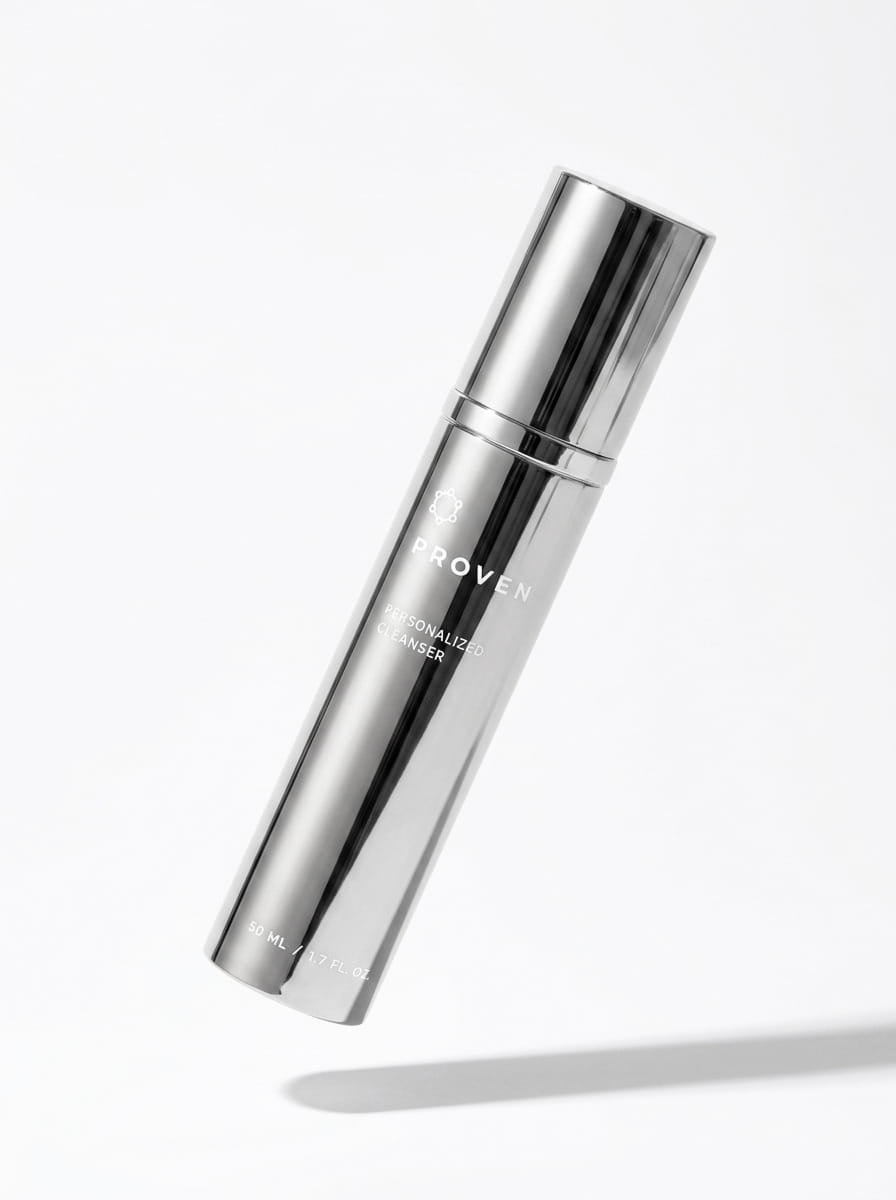
Personalized Cleanser
A gentle wash with exfoliating and toning properties — calibrated to your skin.
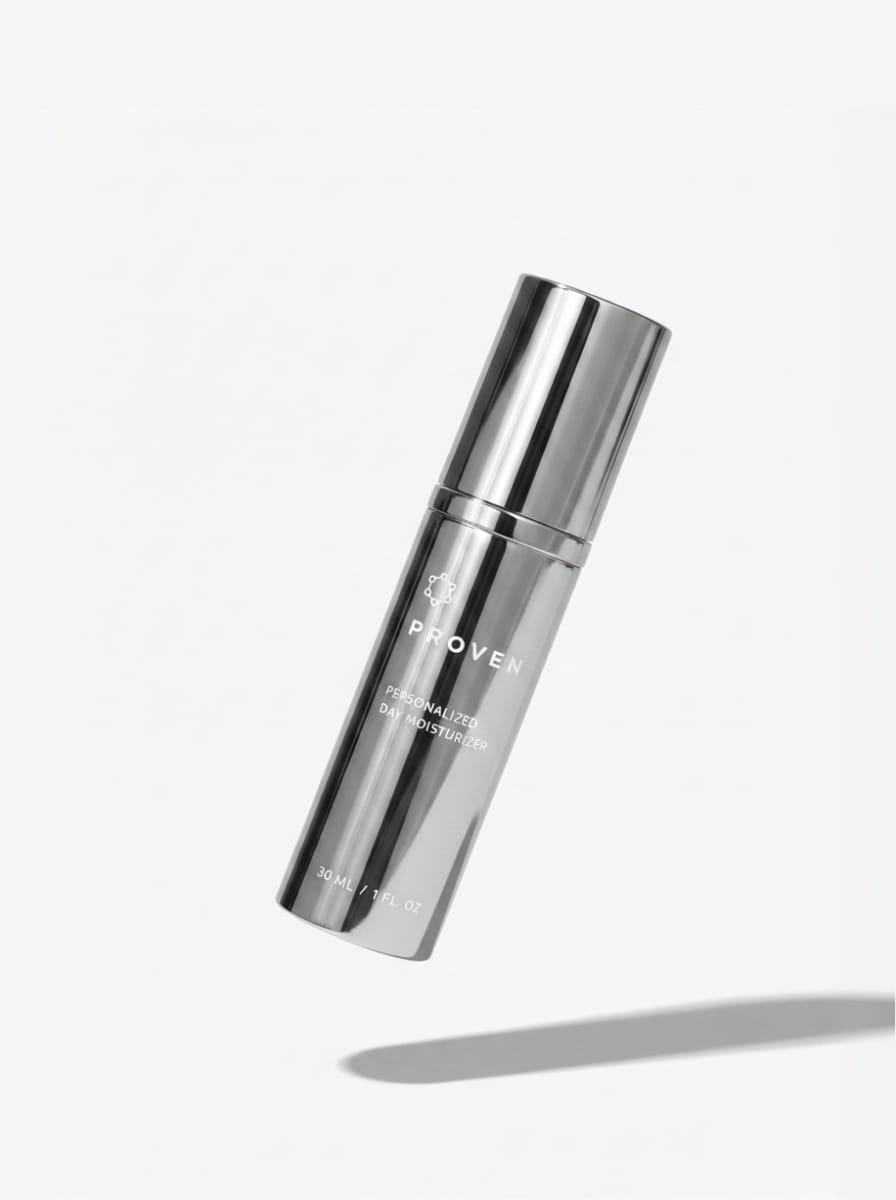
Personalized Day Moisturizer
Lightweight daytime hydration — formulated for your skin.
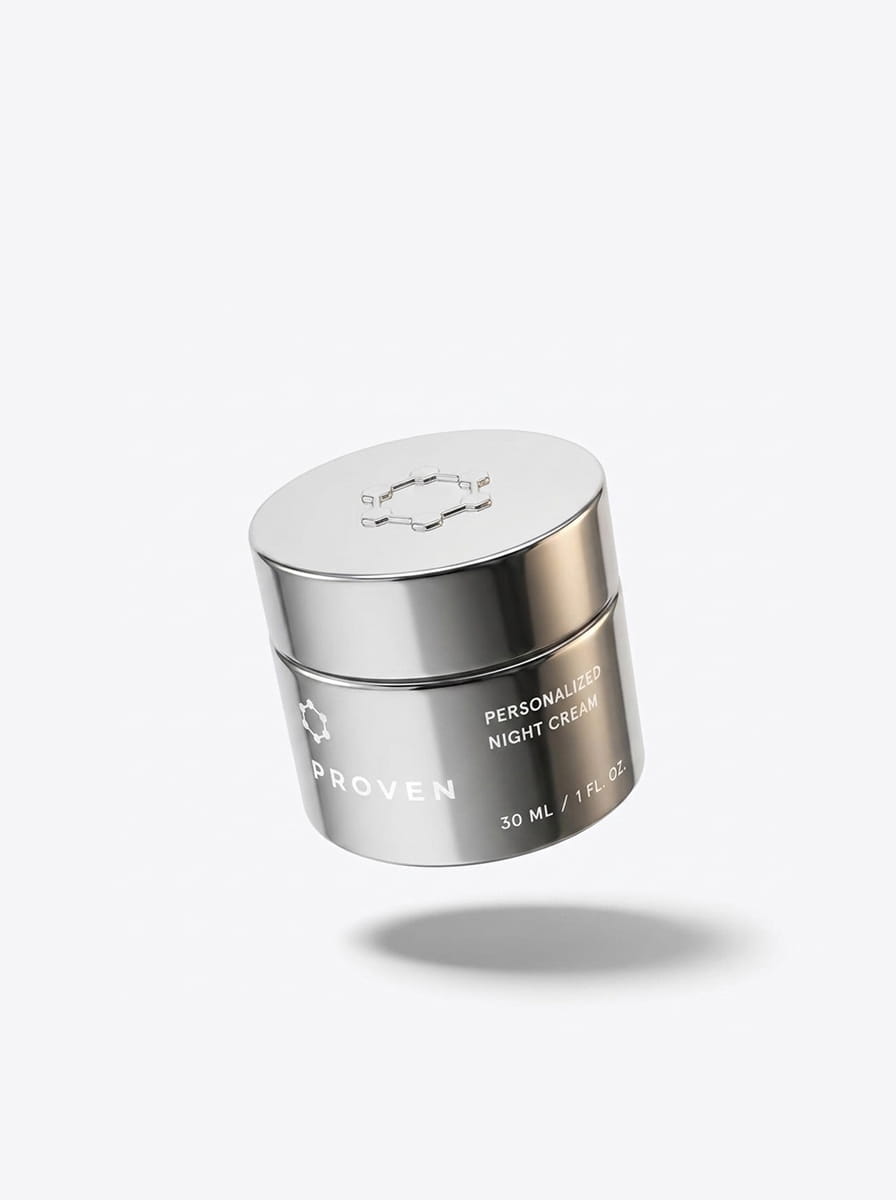
Personalized Night Cream
Overnight repair with the active ingredients your skin needs most.
25% off first order + 15% off subscription bonusTake the 3-min quiz
Clinically proven. Consciously made.
In a 28-day clinical study, 87% noted softer skin, 94% noted smoother skin, and 81% noted a brighter complexion.
Always cruelty-free. Never formulated with phthalates, parabens, SLS, or formaldehyde.
Formulated and filled in an FDA-approved US laboratory. Made stateside, end to end.
Tips for using sulfur
Sulfur is one of the milder ways to address breakouts, as long as you use it thoughtfully. Here is how.
- Match the format to the spot Sulfur comes as spot treatments, cleansers, and masks. Dab treatments on blemishes, massage cleansers into damp skin, and rinse masks after their set time.
- Don’t stack it with actives Sulfur can dry skin, so avoid pairing it with benzoyl peroxide, salicylic acid, or retinoids, which push dryness further.
- Follow it with moisture Because sulfur absorbs oil and can leave skin tight, layering in shea butter or jojoba oil helps keep your barrier comfortable.
- Keep it short-term Sulfur has a strong safety record over short stretches; extended daily use can overdry. Lean on it when breakouts flare rather than indefinitely.
- See if it fits your skin The Skin Genome Quiz reads your skin type, environment, and concerns, then builds a personalized formula that uses sulfur only where it helps.
Real results
Real results, real people.
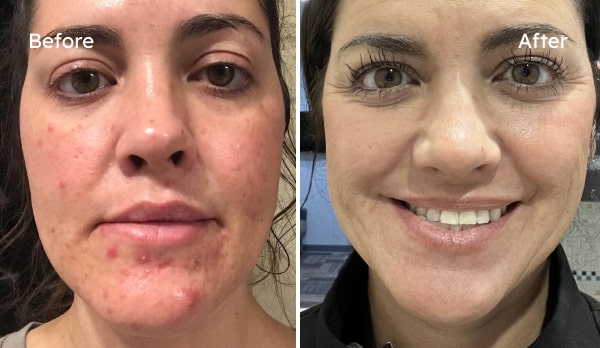
“It’s so clear and I can go without makeup and it looks amazing. I used to be so ashamed to walk around with no makeup, had terrible acne! This has been a game changer for me!”
Persistent inflammatory acne + barrier disruption = gentle sebum balance + barrier rebuild system.
1 of 6