

 01 / 03Key active
Salicylic Acid
Clears pores and anti-aging
Take a quiz. We analyze your factors and build a formula made for you alone.
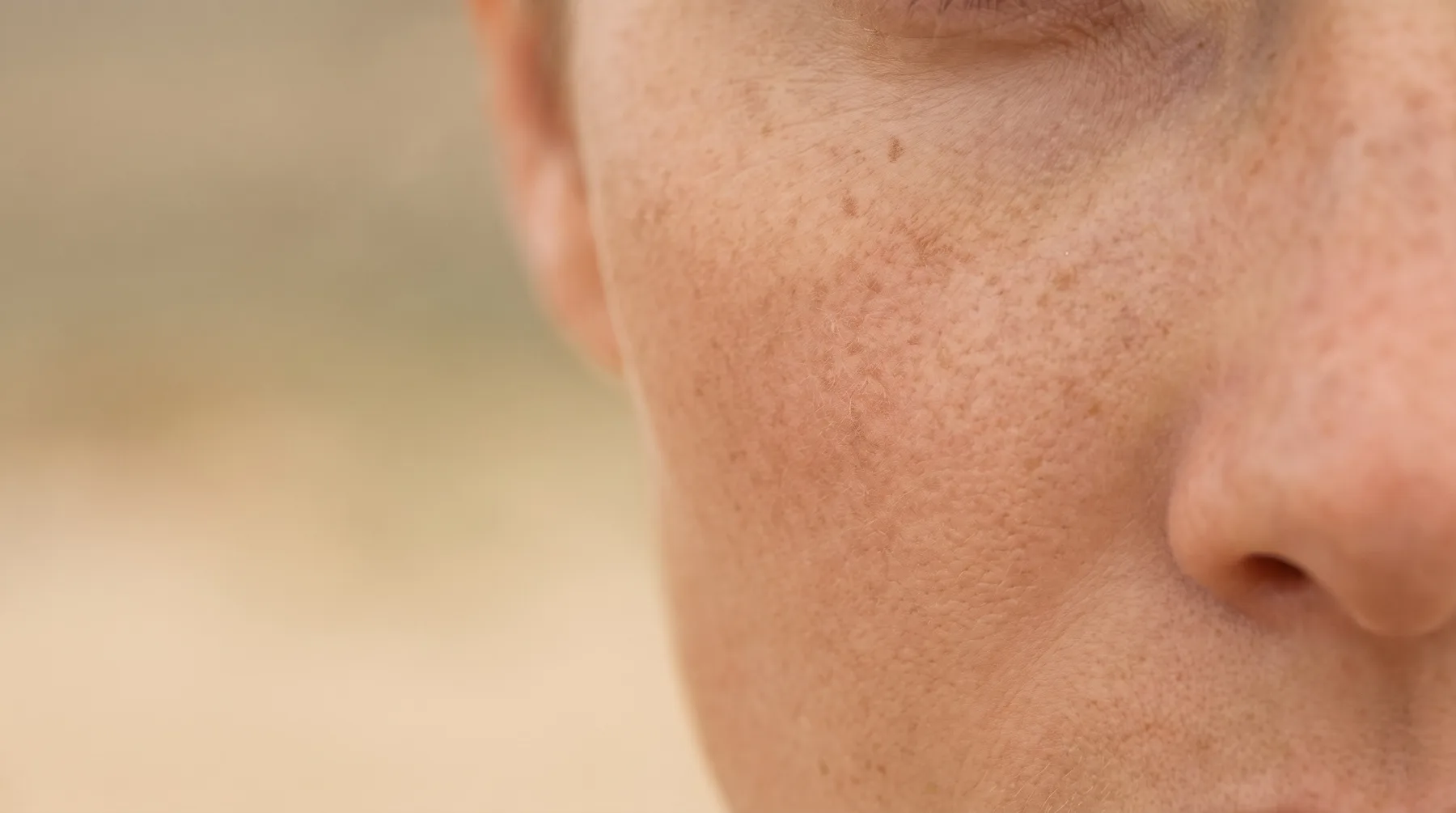
Wondering how often to reapply sunscreen — and why it matters? Science has the answer. Read on to learn how to keep your skin protected all day.
What’s the number one rule when it comes to wearing sunscreen? The answer: you need to reapply it.
It’s a common misconception that the greater the SPF rating, the more time you can spend under the sun. The truth is that sunscreen does not last all day. Sunscreen will eventually wear off, and soon, your skin will be exposed to the sun’s UVA and UVB rays. Chances are you’ll end up with a bad sunburn by the end of the day, or show other signs of sun damage such as sun spots and discoloration.
It’s a common misconception that the greater the SPF rating, the more time you can spend under the sun. The truth is that sunscreen does not last all day. Sunscreen will eventually wear off, and soon, your skin will be exposed to the sun’s UVA and UVB rays. Chances are you’ll end up with a bad sunburn by the end of the day, or show other signs of sun damage such as sun spots and discoloration.
There is an arsenal of treatment options designed to address different acne types and levels of severity. Because breakouts can be caused by many external factors – ranging from genetics to latent health issues, acne is often frustrating to treat. Some anti-blemish serums are harsh and drying, while others can irritate sensitive skin.
If your acne is more than an occasional nuisance, an evaluation with a board-certified dermatologist can prove invaluable. Once you know what type of acne you’re dealing with, you are on the right path toward making effective adjustments to your lifestyle and skincare regimen.
When it comes to topical anti-blemish products, look for powerhouse formulations that have been proven to increase skin cell turnover, reduce bacteria, and decrease inflammation and oil production. Scientific research indicates that retinoids, benzoyl peroxide, along with lactic and glycolic acids (AHAs) are some of the best ingredients for acne.
Oral medications are typically prescribed for more severe acne cysts and nodules and are used in conjunction with topical skincare products. Contraceptive pills target flare-ups linked to menstrual cycles, while antibiotic tablets reduce bacteria on the skin to help clear deep breakouts.
Acne vulgaris, or common acne, typically affects the face, back, upper chest, and areas of skin with numerous sebaceous follicles. Sebum helps keep the skin moisturized, but too much of this oily secretion can contribute to acne. Acne lesions can be non-inflammatory or inflammatory and are usually categorized as:
Dermatologists grade acne as mild, moderate, or severe based on the number of lesions present.
Four primary factors cause acne to develop: excess oil production, bacteria, accumulation of dead skin cells, and inflammation. When the sebaceous glands near the skin’s surface become clogged with dead skin cells and sebum, a comedone is formed. These plugged follicles appear as whiteheads or blackheads.
If the blocked hair follicles are infected with P. acnes bacteria, these blockages can turn into painful red pimples or pustules. When blockages occur deep within the follicle, painful cyst-like lumps may develop.
Cystic acne appears on the face, neck, arms, shoulders, and back and is more likely to result in scarring. There is no singular cause of acne. Any number of the following variables causes this skin condition:
Research suggests that certain factors can worsen acne in some people:
Treating moderate to severe acne takes some degree of perseverance. Most protocols -- whether topical or oral -- require several months of everyday use to realize effects and benefits. The American Academy of Dermatology cautions against self-extraction of pimples, which can lead to infection, scarring and hyperpigmentation.
Dermatologists offer these skincare tips for preventing acne breakouts:
There is no one-size-fits-all solution to treating acne, whether triggered by hormones, medication, lifestyle habits, or genetics. PROVEN addresses blemish-prone skin with powerful, science-basedformulas personalized for your lifestyle, skin sensitivities, gene expression, living environment, and stress levels. Achieve a clearer complexion with high potency skincare carefully crafted just for you with cutting-edge, clean ingredients. Take the skin quiz to discover your unique skincare formulation right away!
Every PROVEN formula draws from a library of clinically proven actives — yours is built from the ones that match your wrinkles profile.
01 / 03Key activeClears pores and anti-aging
 02 / 03
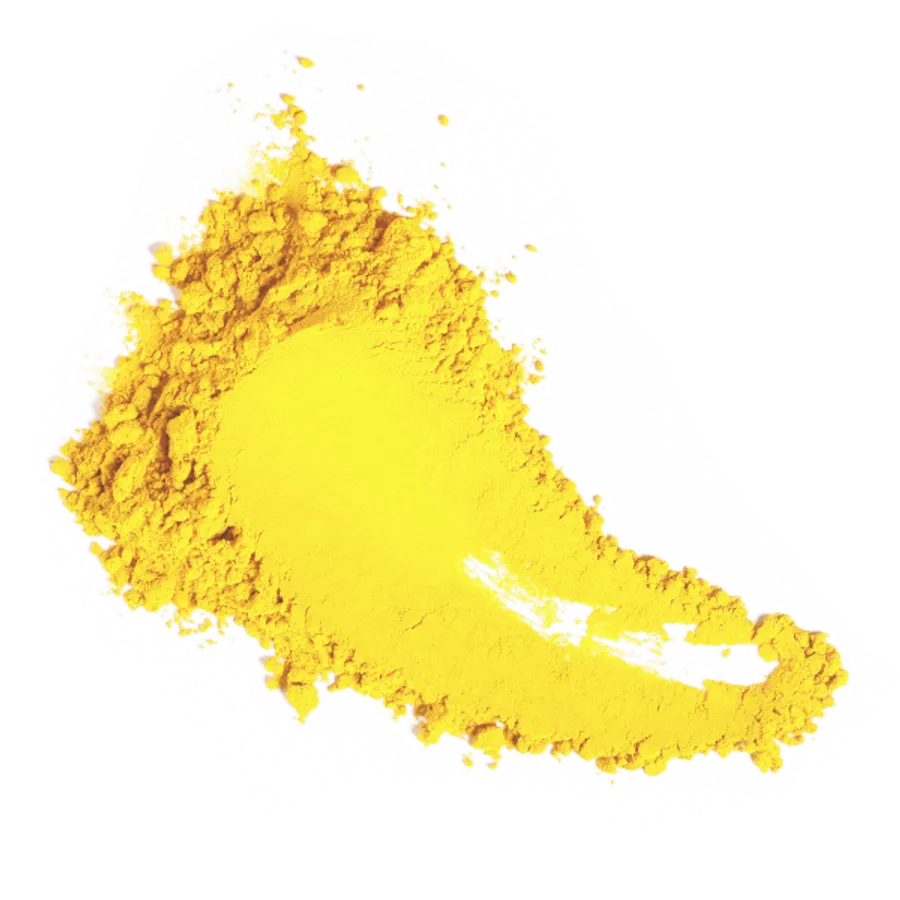
Scientifically proven to reduce oil in skin, soothes inflammation and treats acne
 03 / 03
Kills acne-causing bacteria and helps prevent breakouts
Concerns, lifestyle, climate, and sleep — all covered in your formula.
Updates with your skin, life, and seasons. Every reorder.
Independent clinical study — brighter, more radiant skin.
By Stanford scientists. 28M data points behind every formula.
100K+ personalized formulas served. 30-day money-back guarantee.
A cleanser, day moisturizer, and night cream — calibrated to your skin from the 3-step Skin Genome Quiz.
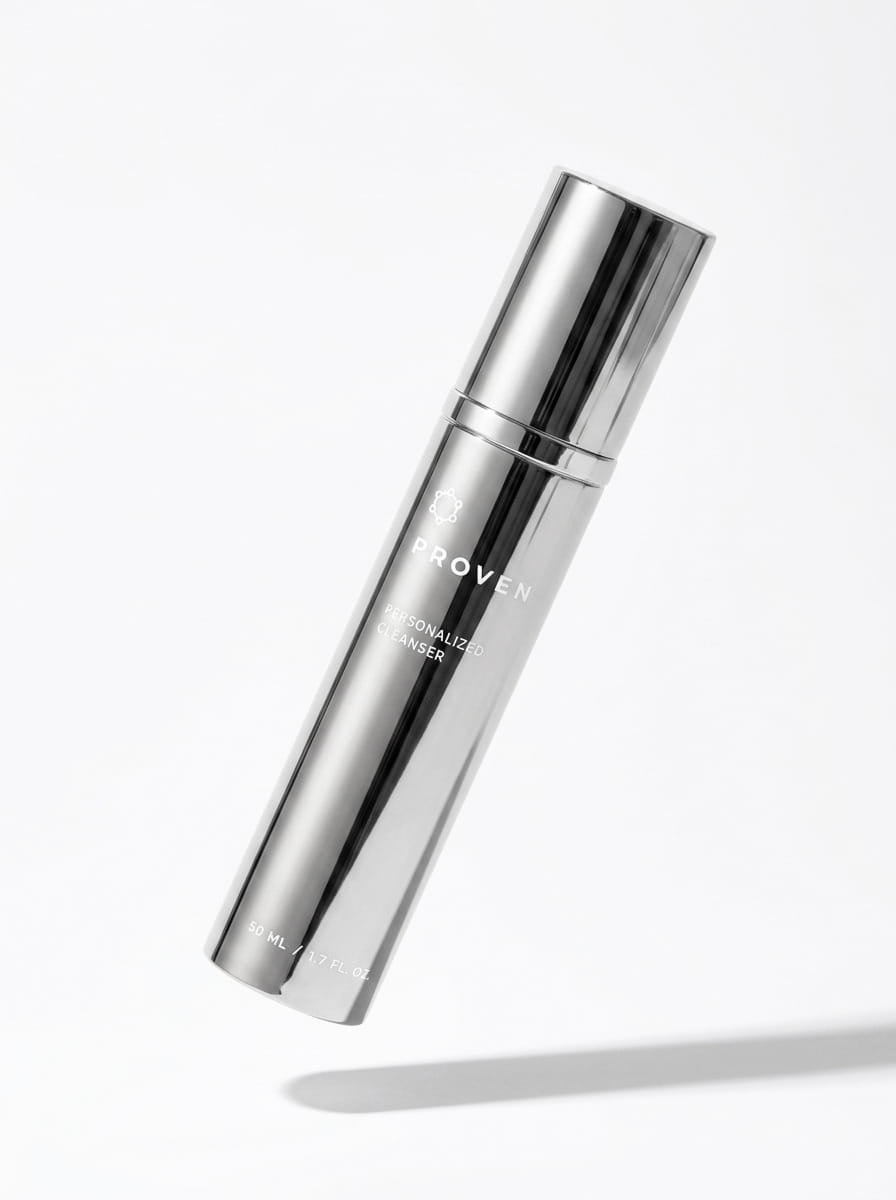
A gentle wash with exfoliating and toning properties — calibrated to your skin.
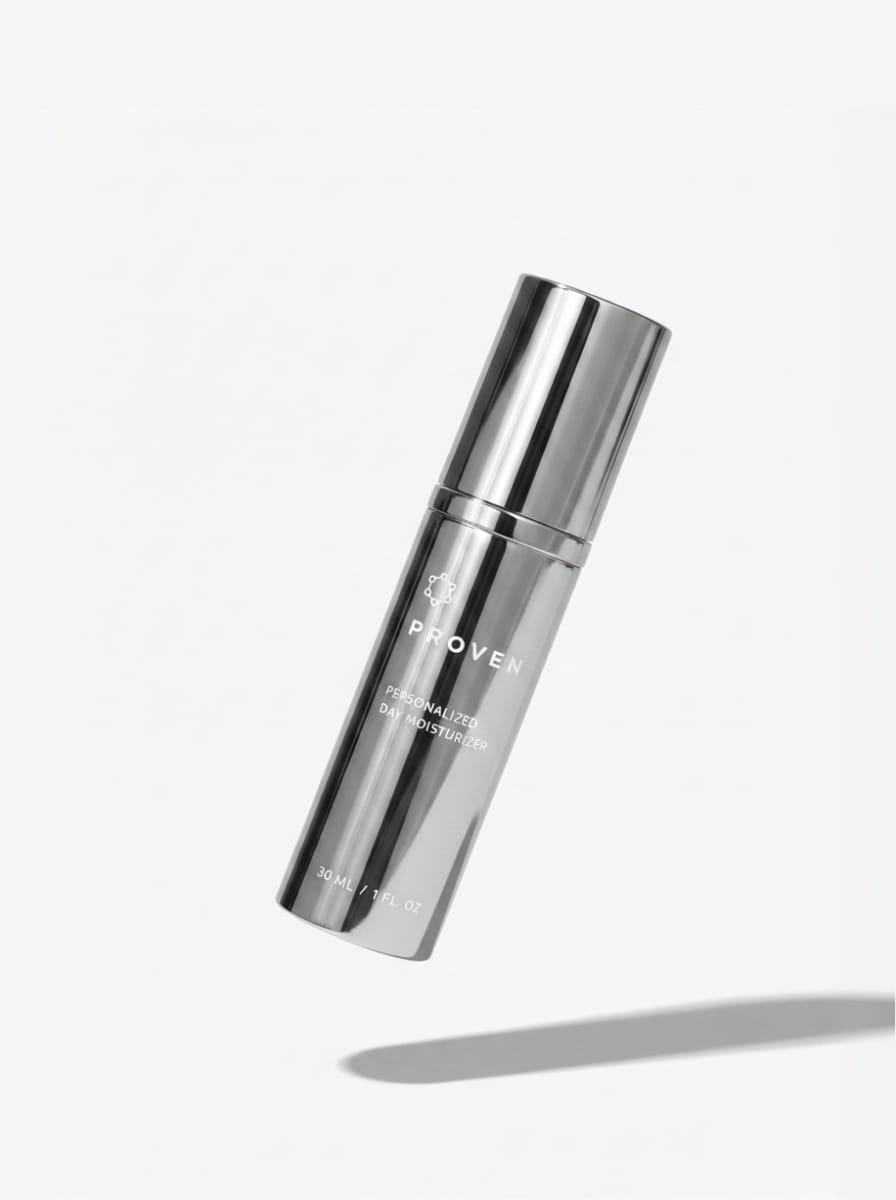
Lightweight daytime hydration — formulated for your skin.
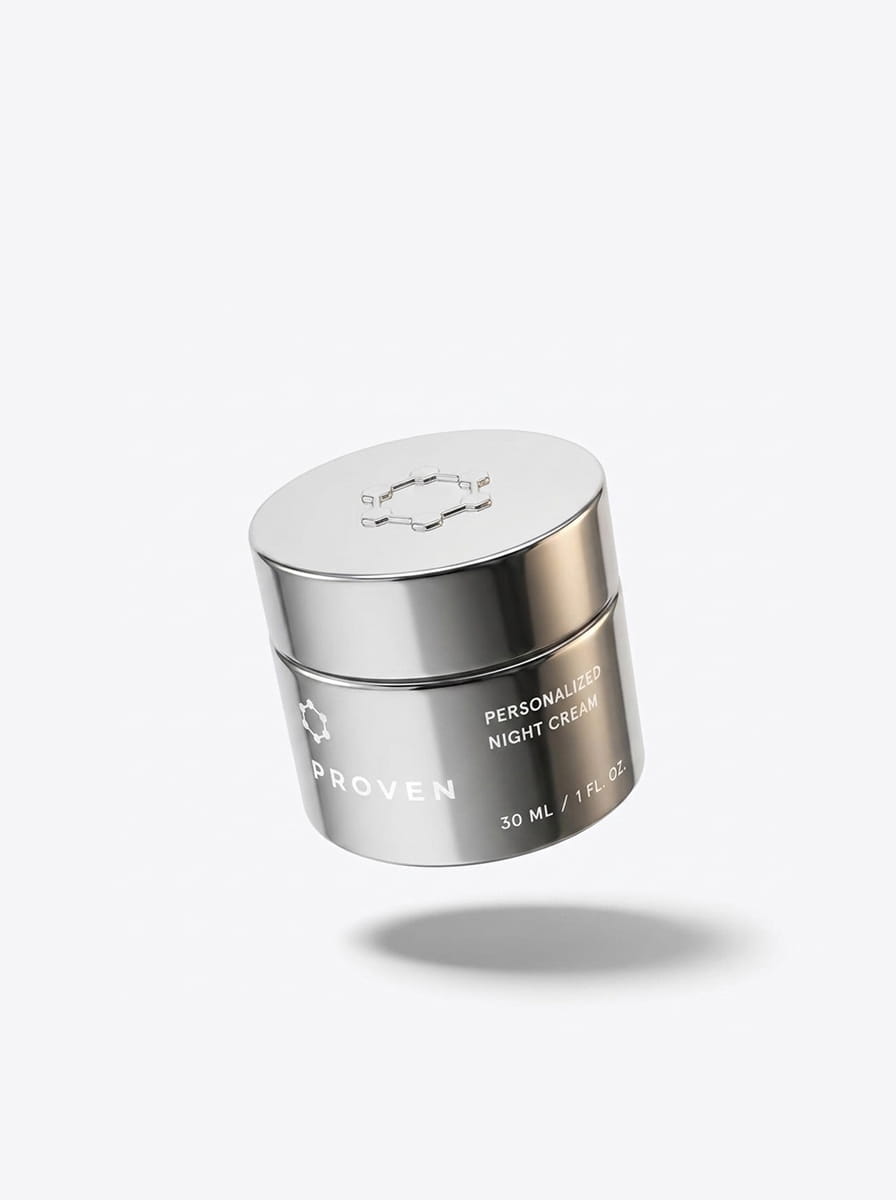
Overnight repair with the active ingredients your skin needs most.
Your formula and daily SPF do the real protecting. A few habits keep that protection from lapsing through the day, and your personalized routine starts with the quiz.
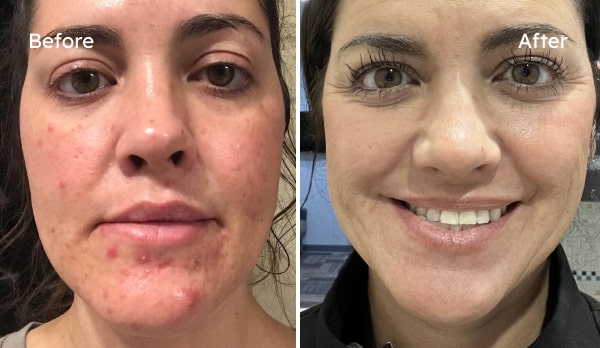
“It’s so clear and I can go without makeup and it looks amazing. I used to be so ashamed to walk around with no makeup, had terrible acne! This has been a game changer for me!”
Persistent inflammatory acne + barrier disruption = gentle sebum balance + barrier rebuild system.