

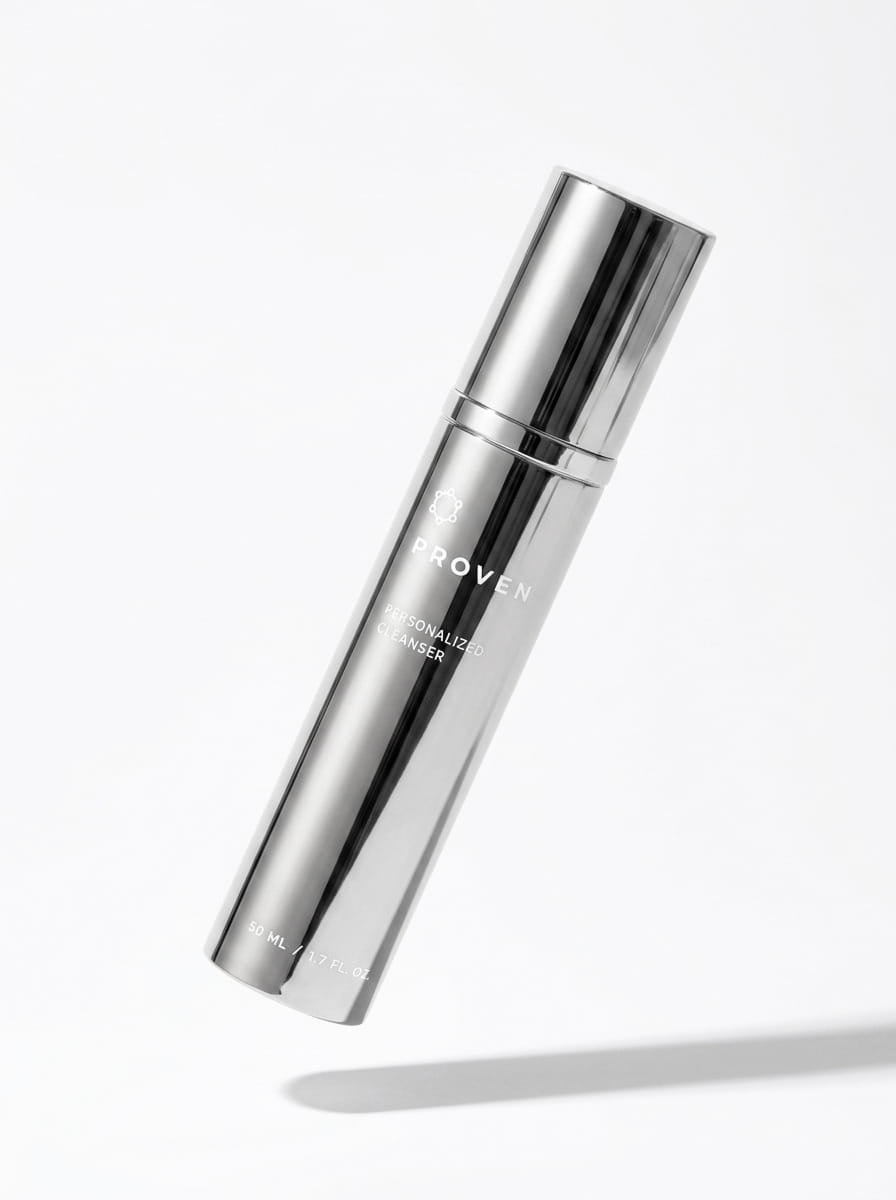
Personalized Cleanser
A gentle wash with exfoliating and toning properties — calibrated to your skin.
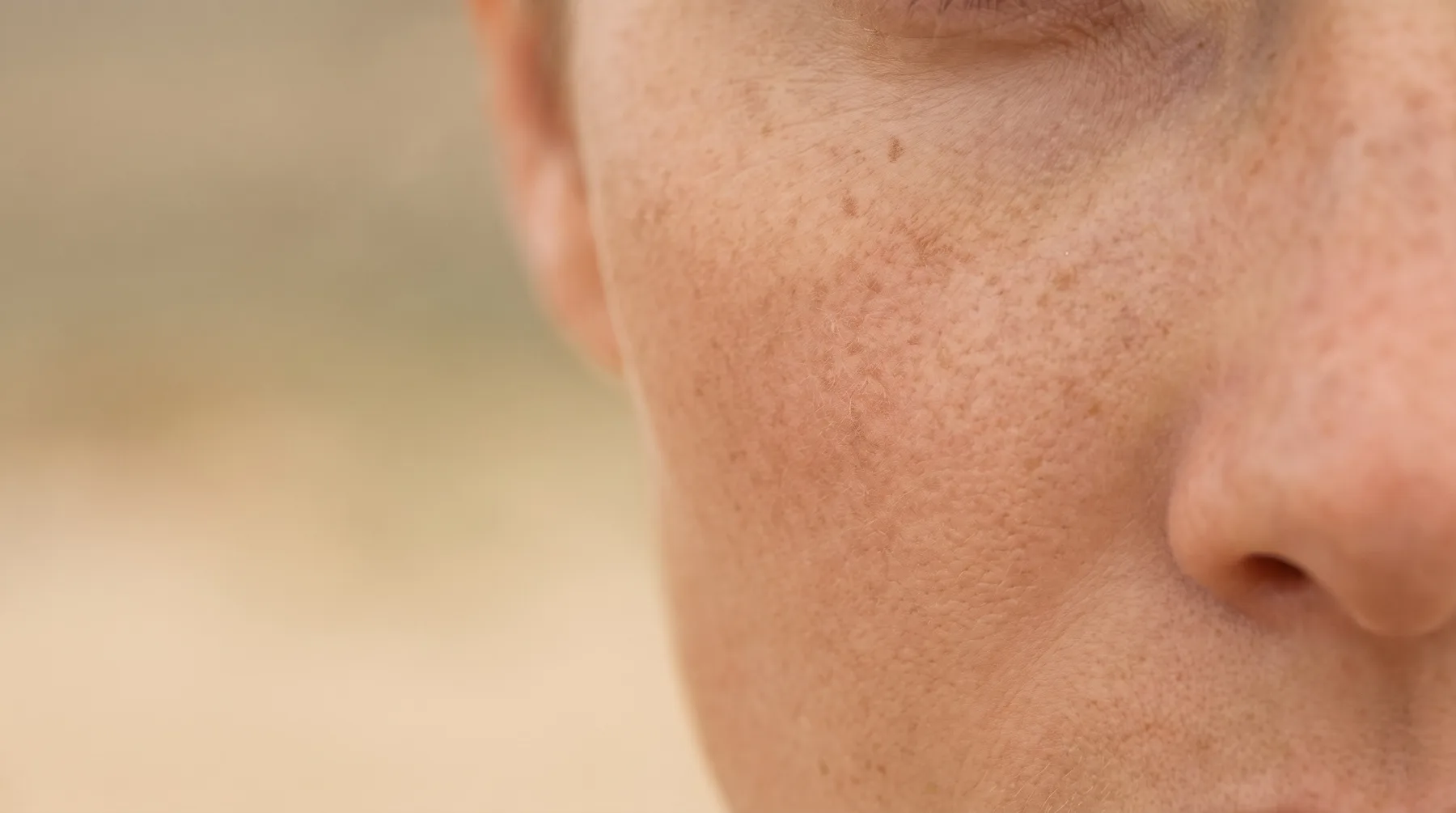
Sun damaged skin? Science may have a solution. Read on to learn all about sunspots.
One of the most common complaints people have about their complexion is uneven skin toneand areas of hyperpigmentation. In many cases, these are known as sunspots. They may not because for alarm though they certainly have an undesirable effect on one’s appearance. Theseskin changes are also sometimes referred to as solar lentigines.
Facial sunspots are areas that appear brown. These lesions are flat on the skin rather than beingraised and vary widely in size. They can appear anywhere on the skin, but particularly on areasfrequently exposed to the sun, such as the face and hands. They may also occur in clusters.These areas of hyperpigmentation are more common in people older than 50, although theycan readily occur in younger people.
It’s important to note that sunspots are benign, although they are cosmetically unappealing.However, if you develop unusual changes of the skin that do not look like typical sunspots, it’s agood idea to speak with a dermatologist. They can determine whether the changes may beindicative of skin cancer.
While it’s possible for sunspots to affect people with all skin types, they are most commonly an issue for adults with lighter skin tones, hair and eyes, as well as those with moles, freckles, and a history of skin conditions. Sunspots often have a similar appearance to freckles, which are most common in children and teenagers. One key difference is that freckles can fade naturally while sunspots will not.
Along with a resemblance to freckles, sunspots will also appear to be:
For the most part, sunspots are simply painless blemishes with no other concern than visual. However, they may be the sign of melanoma, a particularly serious version of skin cancer. The best way to tell if a sunspot is something more dangerous is to perform the ABCDE method. This self check involves a list of five issues and any one of them is cause for seeing a doctor. The sooner that skin cancer is detected, the better the end results will be.
ABCDE is as follows:
Melanin is the natural skin pigment that gives the skin its color. Areas of hyperpigmentation such as sunspots form when the skin produces an excess amount of melanin or when it clumps together. Ultraviolet (UV) light emitted by the sun accelerates the skin’s production of it, causing sunspots to develop. This is why older people are more likely to develop them-- they have had more years of sun exposure. However, younger people who are frequently outdoors in the sun without protection are also at a high risk of developing them-- especially if they have a history of sunburns. Ultraviolet light will also play a significant role in damaging elastin, a crucial component of skin that helps it to remain malleable. When elastin fibers are damaged, the appearance of wrinkles will start to be much more noticeable.
The most reliable way of preventing them is to protect yourself from the sun. Limit your outdoor activities between 10 AM and 2 PM, as the sun is strongest during this period. Make sure to use an SPF of at least 30, but if you are planning on being in the sun for an extended period of time then look for an SPF 40 or 50. Always apply sunscreen every morning and repeat the application throughout the day. The ultraviolet lights in tanning beds can lead to the development of sunspots so they should also be avoided. In addition, wearing a wide-brimmed hat will reduce the amount of sun on your face.
As a result of the potentially permanent damage to collage, solar lentigines can be challenging to get rid of. At-home treatments are often successful infading or eliminating them, although stubborn ones may require professional treatments froma dermatologist. To try fading them at home, look for skincare products that contain any of thefollowing ingredients:
This powerful antioxidant is highly beneficial for the skin. Not only has itbeen clinically proven effective in reducing the appearance of sunspots, but it can alsohelp promote the production of collagen and protect the skin from UVA and UVB rays.Note that vitamin C should not be considered a substitute for sunscreen.
You can use vitamin E in two different ways to promote skin beauty. Applyingtopical vitamin E in an oil or moisturizer product may help lighten sunspots and preventfuture sun damage. An oral vitamin E supplement can also help protect your skin fromsun damage. Be sure to speak with your doctor before changing your existing oralsupplement routine.Y
This natural ingredient derived from aloe vera plants contains the activecompounds aloesin and aloin. Both of these have been scientifically proven to addressareas of hyperpigmentation.
This supermarket staple contains acetic acid, which has beenclinically proven to reduce the appearance of sunspots when used regularly. Note thatthe acidic nature of the vinegar may negatively affect some people with sensitive skin.Apply just a little at first to see if your skin reacts to it before making it part of your dailyroutine.
Green tea has long been known as a nutritional powerhouse, and itcan even benefit your skin. Applying the extract topically in products such asmoisturizers can help lighten them.
This is another beneficial ingredient to look for when choosing skincareproducts to lighten sunspots.
Over the course of a few weeks, applying black tea water twice daily has been shown to help lighten up skin pigmentation.
One of the most common moisturizers for skin, this vegetable is loaded with antioxidants and vitamins. Slice up a cucumber and leave it for about 15 minutes before removing and washing with water.
Try to find raw honey, preferably unfiltered — processed and pasteurized honey doesn’t have nearly the same kind of benefits. Use your fingertips to apply on the sunspot and leave on for about 15 minutes
The combination of vitamin C and citric acid found in lemons will make it a wonderful option for a natural bleach. Apply directly to the sunspots and let it sit for about 15 minutes and rinse with clean water and no soap.
The lactic acid of various milk products, such as buttermilk, yogurt, and sour milk can be beneficial to lighten up the darkened areas of sunspots.
Whenever you are finished eating an orange, keep the peel. The vitamin C and calcium provide a wonderful skin treatment. Cover the sunspot with the juice from the peel and let it dry for 15 minutes. Rinse off with water.
The heavy concentration of starch and sugar will help to make a strong natural exfoliation treatment that can remove dead cells and strengthen collagen. Simply cut the potato into thin slices, add a little bit of water, and apply directly on your sunspots.
If over-the-counter products didn’t eliminate your sunspots or you’re interested in a faster treatment option, you might consider professional treatment options at a dermatology office. You may be a good candidate for a chemical peel, laser skin resurfacing treatment, or microdermabrasion session. These treatments work by removing the top layers of skin to reveal the new, undamaged skin beneath. Intense pulsed light (IPL) therapy and cryotherapy are other potential treatment options for facial sunspots.
There are many over-the-counter products available for hyperpigmentation, such as facialsunspots, but there is only one brand that custom formulates clean, non-toxic, and cruelty-freeproducts just for you. At PROVEN, our Stanford-trained scientists use the power of an AIalgorithm to develop personalized skincare formulas for each individual-- based on their skintype, environment, lifestyle, and concerns. Take the skin quiz today to find your skincare solution.
Concerns, lifestyle, climate, and sleep — all covered in your formula.
Updates with your skin, life, and seasons. Every reorder.
Independent clinical study — brighter, more radiant skin.
By Stanford scientists. 28M data points behind every formula.
100K+ personalized formulas served. 30-day money-back guarantee.
A cleanser, day moisturizer, and night cream — calibrated to your skin from the 3-step Skin Genome Quiz.
A gentle wash with exfoliating and toning properties — calibrated to your skin.
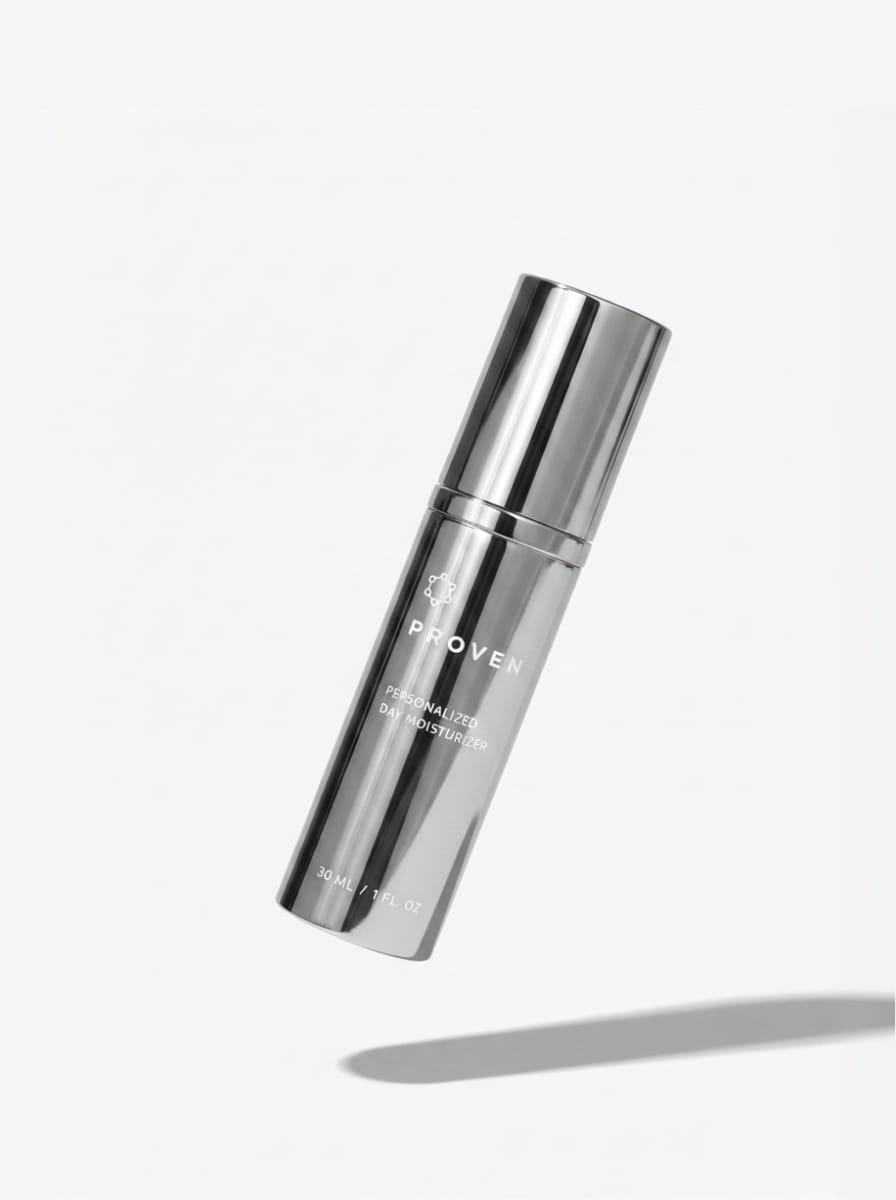
Lightweight daytime hydration — formulated for your skin.
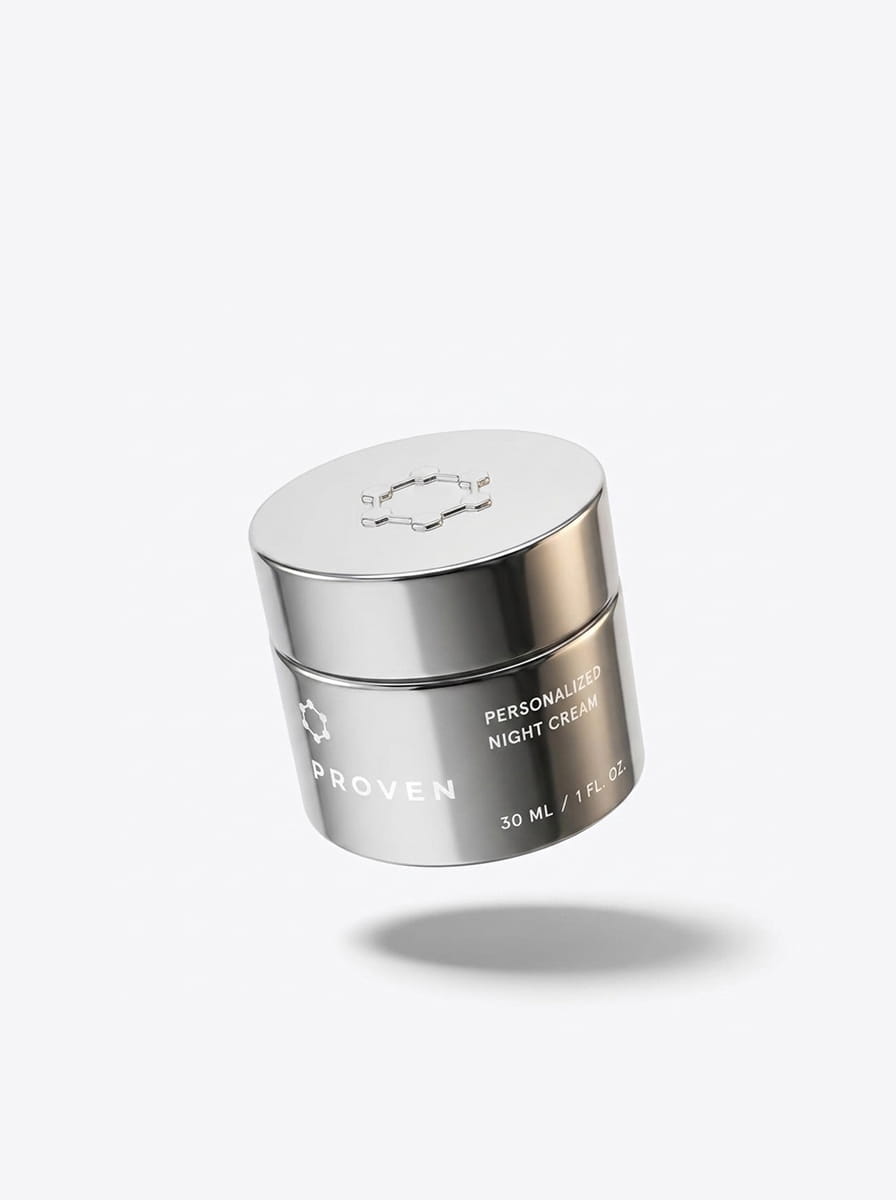
Overnight repair with the active ingredients your skin needs most.
Your formula does the heavy lifting on tone and pigment. A few habits protect that progress between steps, and the routine itself starts with the quiz.
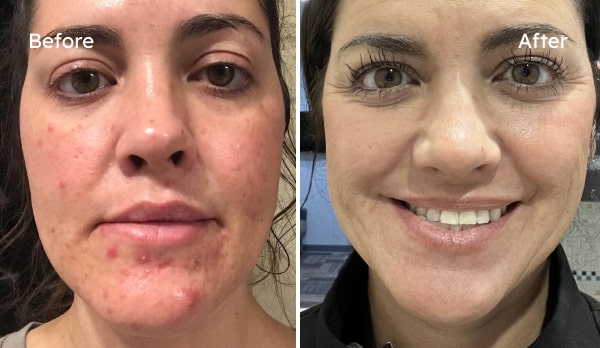
“It’s so clear and I can go without makeup and it looks amazing. I used to be so ashamed to walk around with no makeup, had terrible acne! This has been a game changer for me!”
Persistent inflammatory acne + barrier disruption = gentle sebum balance + barrier rebuild system.