

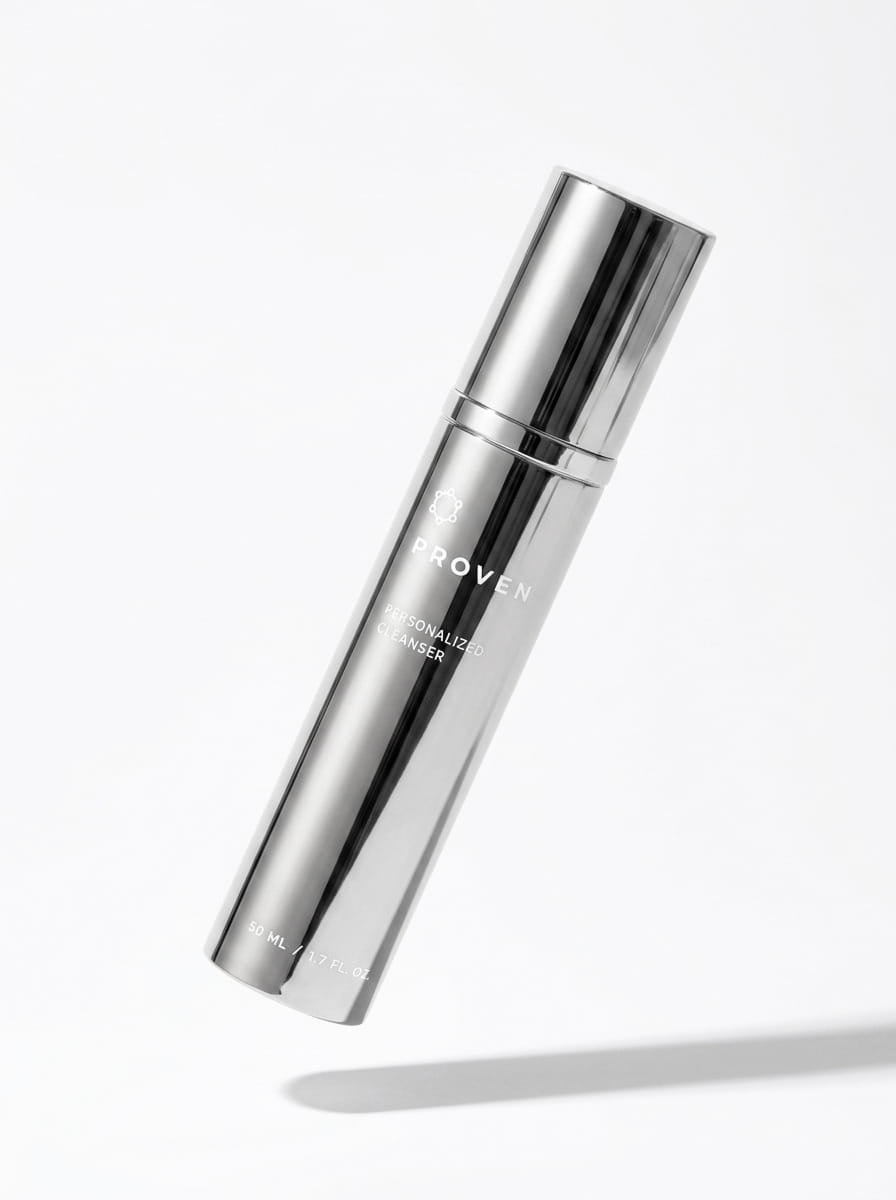
Personalized Cleanser
A gentle wash with exfoliating and toning properties — calibrated to your skin.
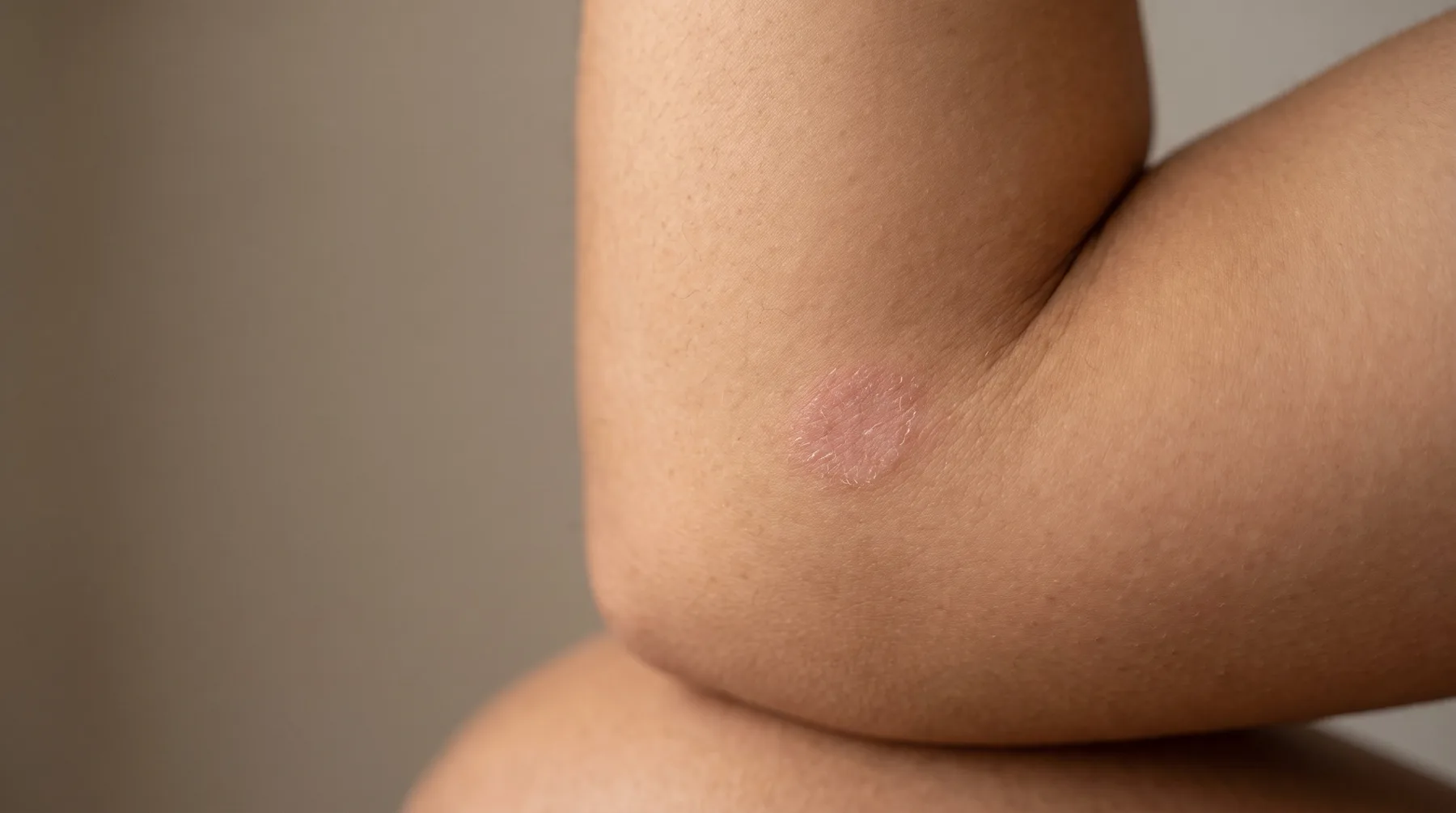
An evidence- based eczema skincare routine that uses effective methods and safe products to soothe your symptoms.
If you have inflamed, itchy skin that is also prone to dryness and flakiness, you may have eczema. The symptoms are cyclical and can go into remission before flaring up again.
As of now there is no permanent cure for eczema.
This can be frustrating for patients, but fortunately, there are solutions that allow your beautiful skin to flourish.
Your skin is the first line of defense against environmental hazards such as bacteria, germs, and other toxic substances. In order to be an effective defense against these issues, healthy skin will require a steady supply of oxygen and moisture to remain active.
Eczema is an inflammatory skin condition due to a filaggrin gene variation. Filaggrin is a key protein that helps to form the barrier of your skin. This gene variation will cause your immune system to overreact in the presence of minor external threats, including rough fabric, sweat, or animal dander, which will result in an overall lower level of moisture in the skin, severely hindering its ability to protect you from actual external dangers.
The most common risk factor for developing eczema is genetics and inherited traits, so it’s not uncommon for several family members to experience this issue. Eczema is not contagious and can not be given to, or gotten from, another person.
In most cases, eczema will usually develop in a child after a year or so of being born, but it can lay dormant for years before its first appearance.
While there is no direct link between the two, eczema and asthma have a lot of similarities. Having one doesn’t guarantee the other will develop, but the similar triggers and inflammatory responses by the body are very similar, so there could be an underlying connection.
Just like most medical conditions, the best treatment for eczema is prevention. It’s crucial to reduce the risk of a flare-up. Skin that is affected by eczema will be less effective in protecting you from outside hazards and infections.
The triggers are slightly different for everyone, although there are some common ones. It can help to keep a journal of what you eat, what you do, and what you’re exposed to daily. Then, when you have a flare-up of symptoms, you can refer to your journal to determine what might have caused it.
Once you identify your triggers, you can work on avoiding them. Some common triggers for eczema flare-ups are as follows:
Including scented soaps, laundry detergents, shower gels, and perfumes
Wear cool clothing, stick to shady areas or air-conditioned rooms, and drink plenty of cool water.
When the furnace kicks on, the indoor air becomes dry. Use a humidifier to fight the effects and apply plenty of eczema facial moisturizer.
If you have a food allergy, avoid your allergen carefully. Even without allergies,certain foods may trigger flare-ups, such as dairy, sugar, refined carbohydrates, redmeats, and gluten.
Some people with eczema may be sensitive to certain fabrics, such as wool orpolyester.
In addition, the hormone cortisol, which is released in times of stress and anxiety, may play arole in triggering symptom flare-ups.
For these reasons, it may be a good idea to have some hydrocortisone creams and other antihistamine products available nearby in case of a flare up.
Low level versions will be available for purchase over the counter, but stronger versions are available via prescription. Hydrocortisone can be used up to four times in a day for up to seven days, unless pregnant, and should help to prevent itching, swelling, and redness from spreading.
Additionally, you should keep calamine lotion stored in your refrigerator in case of a flare up. This is another gentle yet effective way to help relieve itching
You will need to cleanse, soothe, and moisturize. Even when there are no symptoms of a flare up, you should still treat your skin as though there is one. It’s best to choose the gentlest cleansers available. Use a soap-free eczema facial wash and gently massage it into the skin.
Some dermatologists recommend using the double-cleanse method. Instead of using one stronger cleanser, you would use two gentle ones. Start by washing your skin with a mild, oil- based cleanser to remove makeup and sunscreen. Then, wash the skin with a mild, water-based cleanser to eliminate any residual oil and grime. Next, you’ll need a moisturizing eczema facial cream. Look for one that doesn’t contain any fragrances or other potentially harsh ingredients.
Dermatologists often recommend an emollient-rich balm, which is an occlusive moisturizer. These eczema products strengthen the skin barrier to improve hydration retention.
In addition, these are a few tips that you should make into a habit in order to best prevent eczema from flaring up:
Wear clothes made from pure cotton as opposed to synthetic clothing or scratchy wool
Avoid sudden, and intense, swings of temperature or humidity
Spend less time showering or bathing, limit them to as little time as possible to get clean
Instead of using hot water, which can dry out skin, use warm water or cooler
When drying off, gently pat your skin dry with a soft cotton towel, do not rub your skin
Try to avoid sweating whenever possible
Keep your fingernails short in order to reduce the damages of scratching
Use a humidifier when sleeping, especially in the winter months when using heat
Wear clothes made from pure cotton as opposed to synthetic clothing or scratchy wool
Avoid sudden, and intense, swings of temperature or humidity
Spend less time showering or bathing, limit them to as little time as possible to get clean
Instead of using hot water, which can dry out skin, use warm water or cooler
When drying off, gently pat your skin dry with a soft cotton towel, do not rub your skin
Try to avoid sweating whenever possible
Keep your fingernails short in order to reduce the damages of scratching
Use a humidifier when sleeping, especially in the winter months when using heat
If you have skin that is inflamed and itchy, you need expert skincare for eczema. At PROVEN, weonly use ingredients that are clinically proven effective and safe. Whether you need eczemafacial wash or moisturizer, you’ll find what you’re looking for at PROVEN.Based on your answers to the Skin Genome Quiz, our AI algorithm will develop your customformulation for you, taking into consideration your lifestyle, environment, skin type, and uniqueconcerns. Take the skin skin quiz today to find your personalized solution.
Concerns, lifestyle, climate, and sleep — all covered in your formula.
Updates with your skin, life, and seasons. Every reorder.
Independent clinical study — brighter, more radiant skin.
By Stanford scientists. 28M data points behind every formula.
100K+ personalized formulas served. 30-day money-back guarantee.
A cleanser, day moisturizer, and night cream — calibrated to your skin from the 3-step Skin Genome Quiz.
A gentle wash with exfoliating and toning properties — calibrated to your skin.
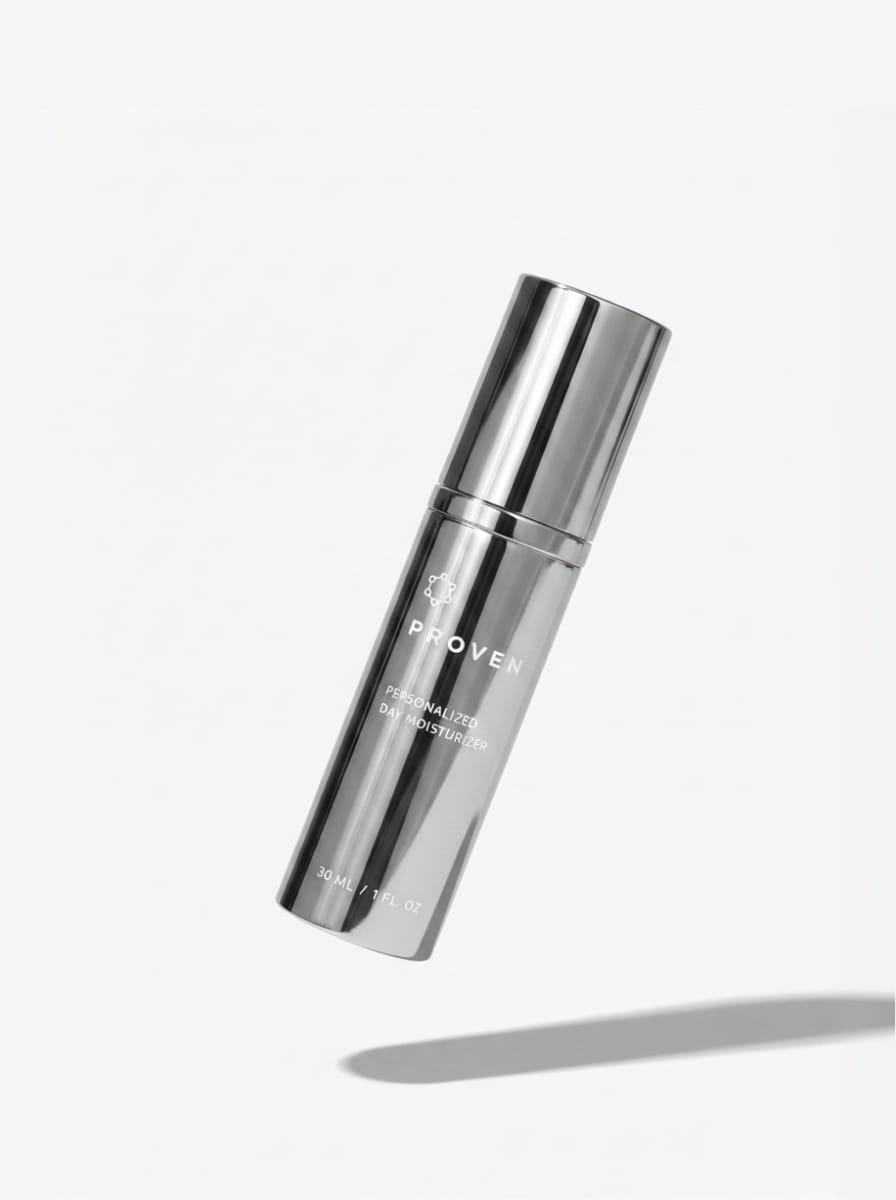
Lightweight daytime hydration — formulated for your skin.
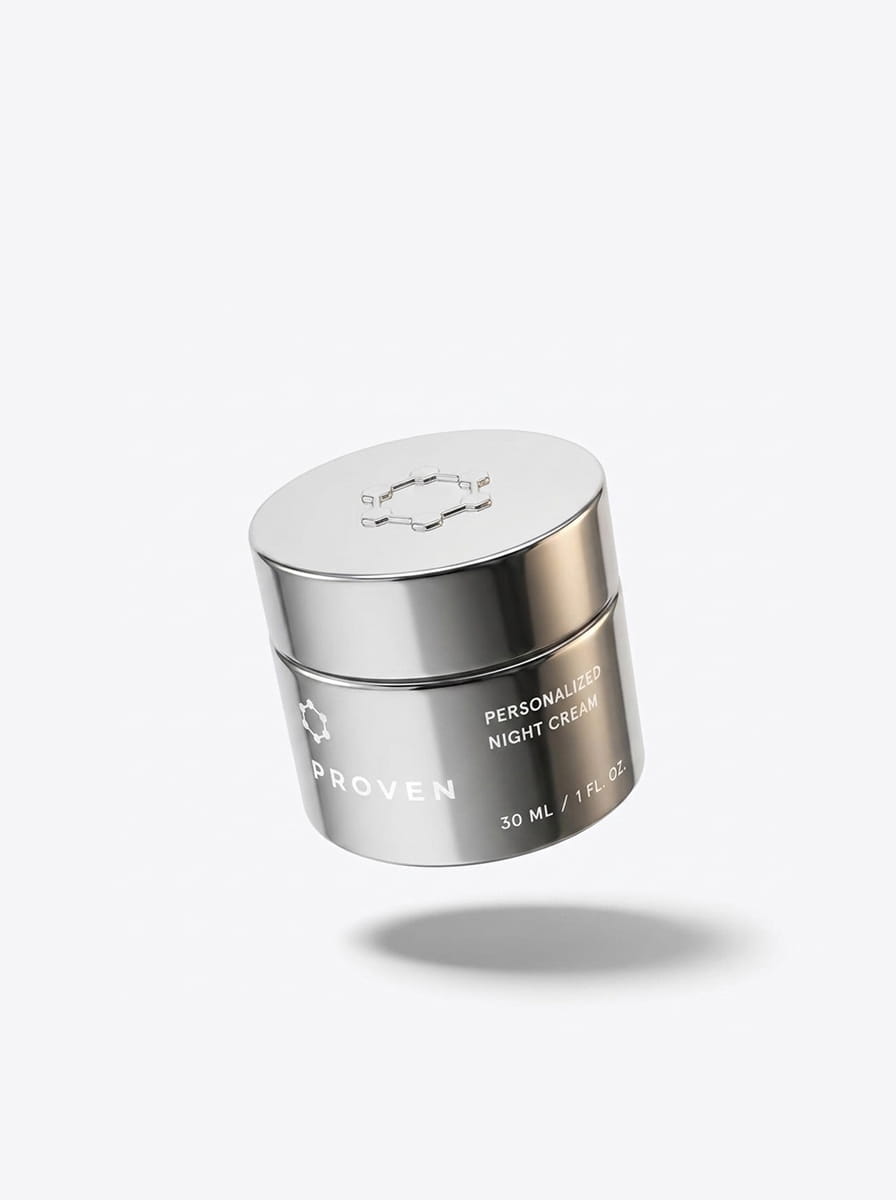
Overnight repair with the active ingredients your skin needs most.
Your formula supports a fragile barrier where it counts. A few everyday habits keep skin comfortable between steps, and the routine starts with the quiz.
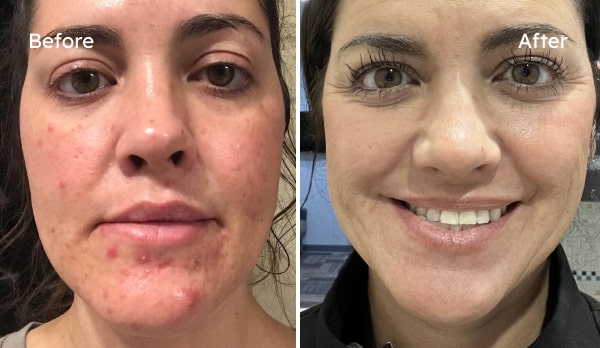
“It’s so clear and I can go without makeup and it looks amazing. I used to be so ashamed to walk around with no makeup, had terrible acne! This has been a game changer for me!”
Persistent inflammatory acne + barrier disruption = gentle sebum balance + barrier rebuild system.