

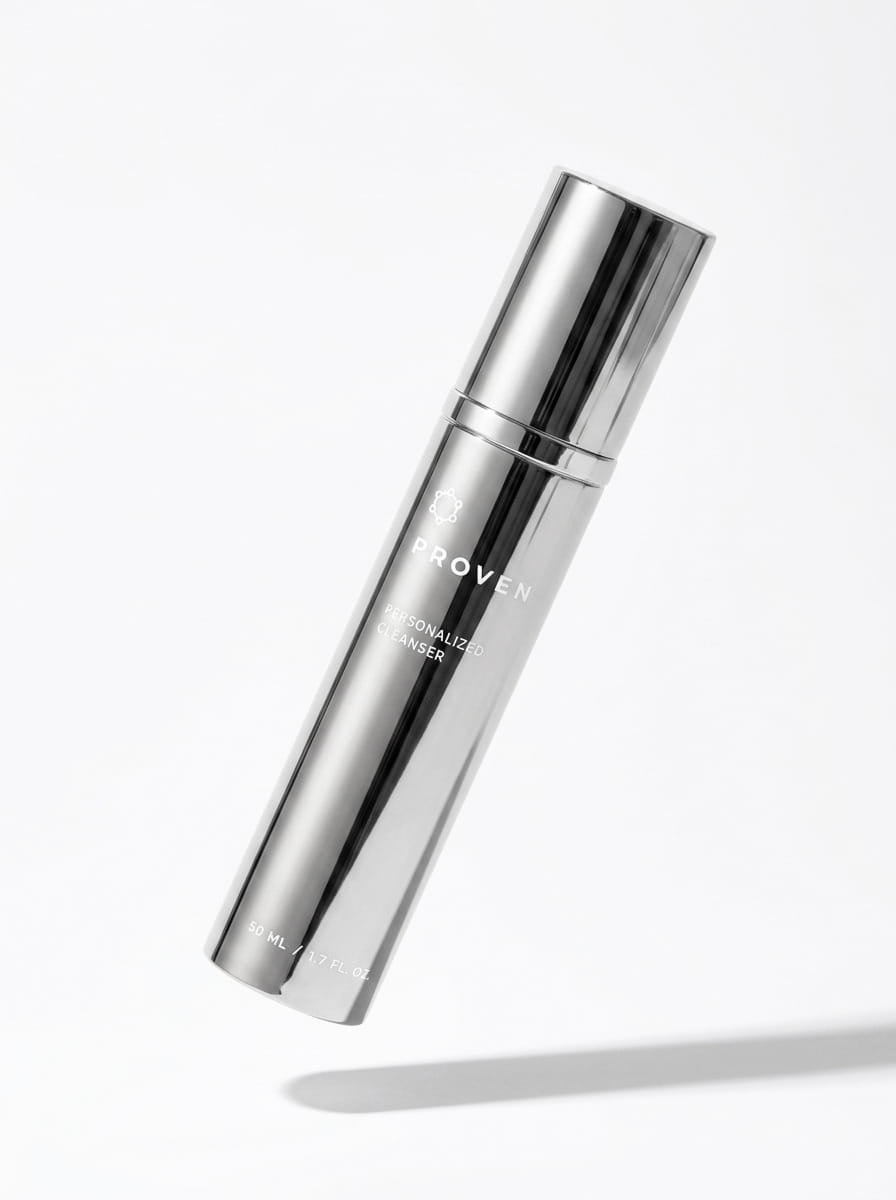
Personalized Cleanser
A gentle wash with exfoliating and toning properties — calibrated to your skin.
Take a quiz. We analyze your factors and build a formula made for you alone.
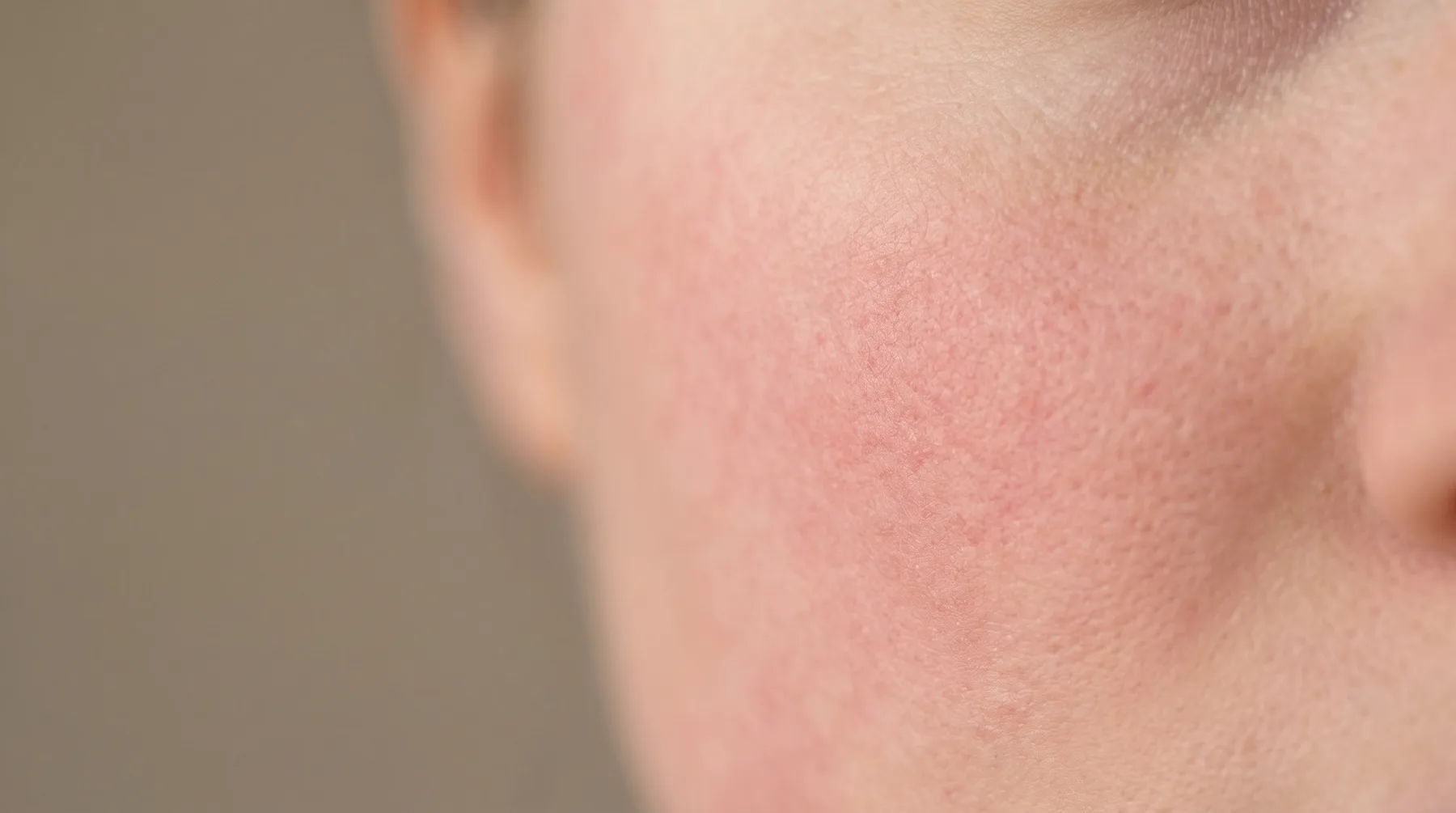
Reddening of face or neck? Science may have a solution. Read on to learn all about it.
There is nothing abnormal about experiencing a flushed face or blushing. This sudden reddening of the face, neck, and upper chest is often manifested as red patches or blotchiness as a result of an increased blood flow, which causes the blood vessels to enlarge.
Most commonly, a flushed face will be the result of anxiety, stress, embarrassment, physical exercise, intense weather conditions, and even spicy food, but it may also be the result of a more serious underlying medical condition.
Skin flushing is best described as whenever you experience a sudden rush of warmth or rapid reddening in your face, upper neck, or upper chest. This sensation is fairly common whenever blushing. The scientific reasoning behind these blotchy patches of redness developing is due to a severe increase of blood flow.
Whenever you have more blood flowing to an area of skin, such as the cheeks of your face, the blood vessels located there will enlarge in order to compensate. This enlargement is what will give your skin a flushed appearance.
Most commonly, flushed skin is the physical response to experiencing anxiety, stress, embarrassment, anger, or other extreme states of emotion. For the most part, facial flushing is just a temporary aesthetic concern and not a medical-related issue.
However, in some cases, flushing has been linked to underlying medical conditions such as Cushing’s syndrome, a condition that develops from exposure to high cortisol levels for a long period of time, or an overdose of niacin.
It’s possible to experience several different symptoms of facial flushing, especially depending on the underlying cause of it.
However, most of the common symptoms that are experienced will include:
Other possible symptoms that may accompany facial flushing by impacting various body systems might include:
There are many different potential causes for a flushed face, some more serious than others.
Whenever a person becomes too hot, their blood vessels will naturally widen in order to cool them down. This natural response may result in the appearance of flushed skin.
While flushed skin in hot temperatures isn’t too much to be concerned about, it could be the sign of pending heat exhaustion or heat stroke if coupled with difficulty breathing, exhaustion, or confusion.
Experiencing strong and intense emotions can result in the blood vessels of your face widening, resulting in a flushed appearance. Anger, stress, and embarrassment are some of the most common emotions associated with blushing.
This is a completely normal response by your nervous system and can be severe in the event that you routinely experience high levels of anxiety. Along with a flushed face, these intense emotions often bring about sweating and warmth in your upper neck and face.
Rosacea is a common chronic inflammatory condition that will result in the blood vessels of your face swelling and therefore becoming more visible. While this condition is generally temporary, it is known to flare up occasionally. Although anyone can have rosacea, it seems to appear more commonly in women that are middle aged and have fair skin.
Along with flushing, people with rosacea might also experience red bumps filled with pus, dry eyes, swollen eyelids, and thickened skin on their nose.
Having your face flush with redness whenever you drink alcohol is a condition known as alcohol flushing syndrome.
If you experience flushing or redness after a few drinks of alcohol, it’s most likely because your body is having trouble completely digesting the alcohol. People who flush whenever they drink most likely have a faulty aldehyde dehydrogenase 2 (ALDH2) gene. This enzyme in your body is responsible for breaking down a substance found in alcohol called acetaldehyde.
If your ALDH2 gene is not properly breaking down the acetaldehyde, then it may result in a red face and other symptoms such as upset stomach, hives, low pressure, headache, and elevated heart rate.
Women experiencing menopause will also routinely experience hot flashes, which are sudden and intense rushes of heat. They are the result of a hormonal change that affects the part of the brain responsible for controlling the body’s temperature.
Hot flashes will typically result in flushing of your face, chest, and neck, but can also include an elevated heart rate, intense sweating, and chills once the hot flash has passed.
Whenever you are performing strenuous exercise, your heart rate will speed up and increase your flow of blood.
While this will contribute to a mild increase of redness to the face of just about everyone, it can be much more severe in certain people. The blood vessels in your skin will dilate when accommodating the flow of blood that is increased during exercise. This dilation can cause your cells to open and release their contents.
While these contents will vary from person to person, it may include a fatty compound known as prostaglandin, which can contribute to the redness experienced both from exercising and an emotional reaction.
Facial flushing that is the result of hot or spicy foods is more akin to a minor allergic reaction. Certain foods such as hot spicy herbs, seasonings, vinegars, spices, hot sauces, and peppers are all known to act like vascular dilators and expand the blood vessels, often resulting in flushing.
Foods that are derived from Capsicum genus, more commonly known as peppers, are known to cause sudden redness in the face and neck. Avoid eating cayenne pepper, paprika, chili peppers, and red peppers in order to reduce the risk of facial flushing.
Whether it’s intense heat or severe cold, the temperature can play a significant factor in the flushing of your skin, particularly your face as it’s most likely to experience the elements with minimal protection.
The daily allowance of niacin is only around 15 milligrams for adults daily. Consuming 50 or more milligrams has been known to cause flushing. Niacin is most commonly found in meat, poultry, seafood, eggs, beans, peas, lentils, nuts, and seeds.
Damage from the sun can harm the supporting fibers of small blood vessels that are located just under the surface of your skin. This damage could cause these vessels to stretch out and permanently dilate, resulting in more frequent facial flushing or rosacea to develop.
If you have severe anxiety, then you will most likely experience facial flushing frequently. Undergoing behavioral therapy can help you to utilize coping skills that can help you to better regulate extreme or intense emotional experiences that often result in facial flushing.
Most of the time, facial flushing will be the result of a situational response from your body. However, experiencing chronic redness, such as the case with people that have rosacea, it can be quite a frustrating struggle to deal with.
That’s why PROVEN Skincare is committed to helping you find the perfect blend of powerful, clinically-proven ingredients to address your specific skin concerns, including general redness.
By taking a few minutes to complete our Skin Genome Quiz, you can find a personalized formula to help you get your skin to exactly where you’ve been wanting it.
Concerns, lifestyle, climate, and sleep — all covered in your formula.
Updates with your skin, life, and seasons. Every reorder.
Independent clinical study — brighter, more radiant skin.
By Stanford scientists. 28M data points behind every formula.
100K+ personalized formulas served. 30-day money-back guarantee.
A cleanser, day moisturizer, and night cream — calibrated to your skin from the 3-step Skin Genome Quiz.
A gentle wash with exfoliating and toning properties — calibrated to your skin.
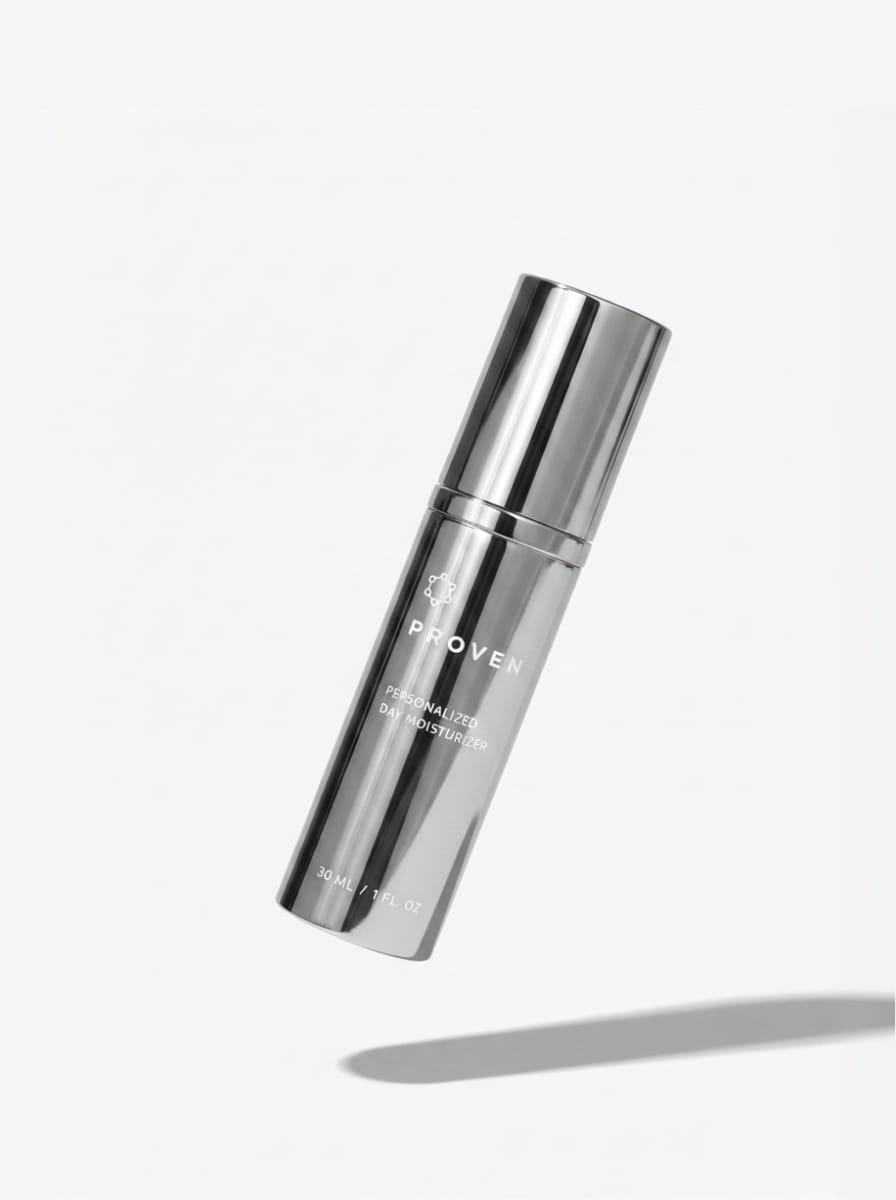
Lightweight daytime hydration — formulated for your skin.
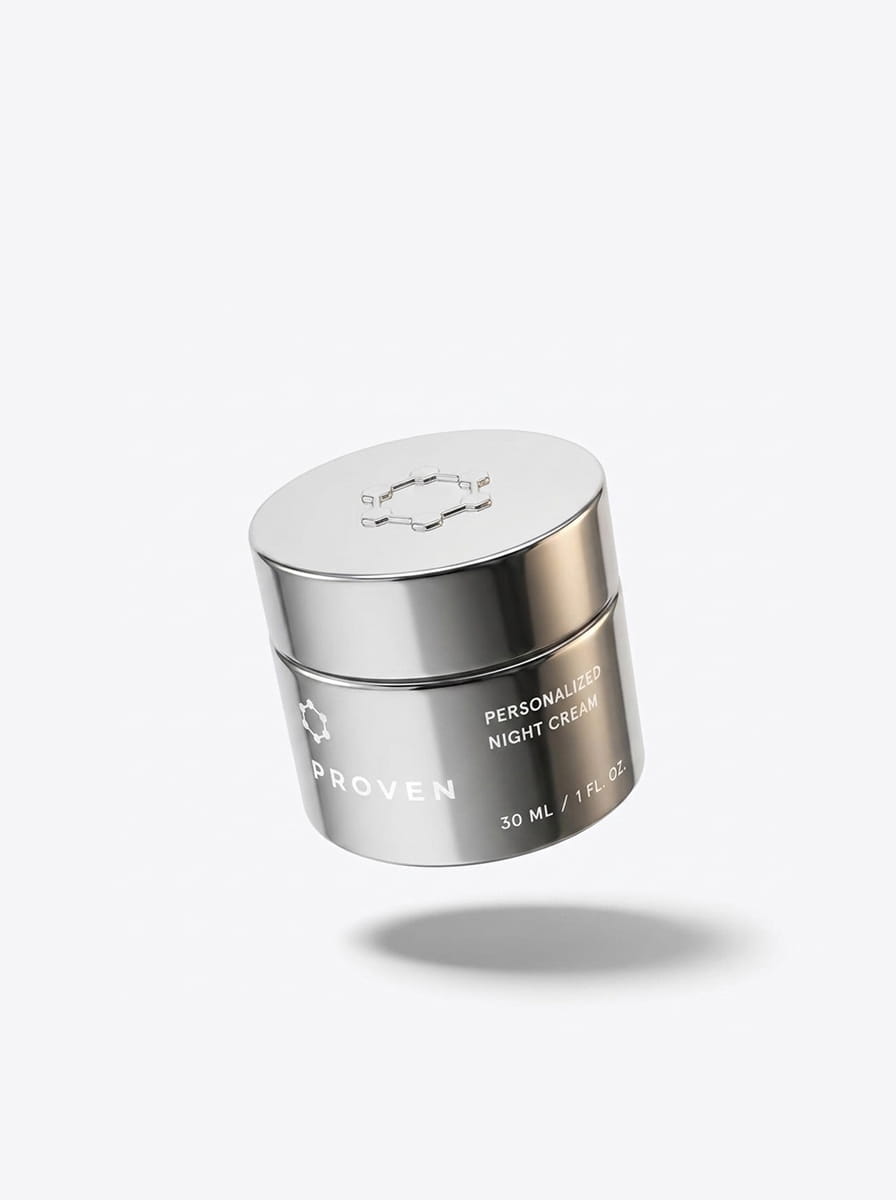
Overnight repair with the active ingredients your skin needs most.
Your formula is built around your specific triggers, not a generic redness protocol. A few habits keep flare-ups down between steps — and it starts with the quiz.
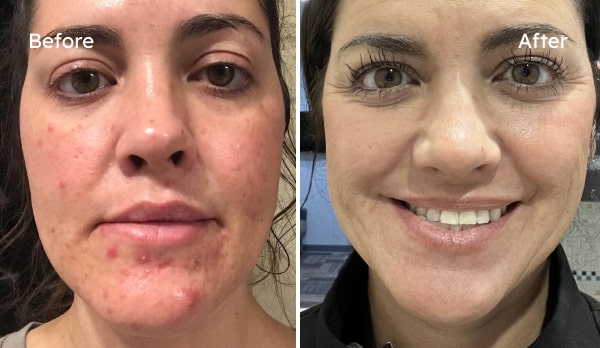
“It’s so clear and I can go without makeup and it looks amazing. I used to be so ashamed to walk around with no makeup, had terrible acne! This has been a game changer for me!”
Persistent inflammatory acne + barrier disruption = gentle sebum balance + barrier rebuild system.