

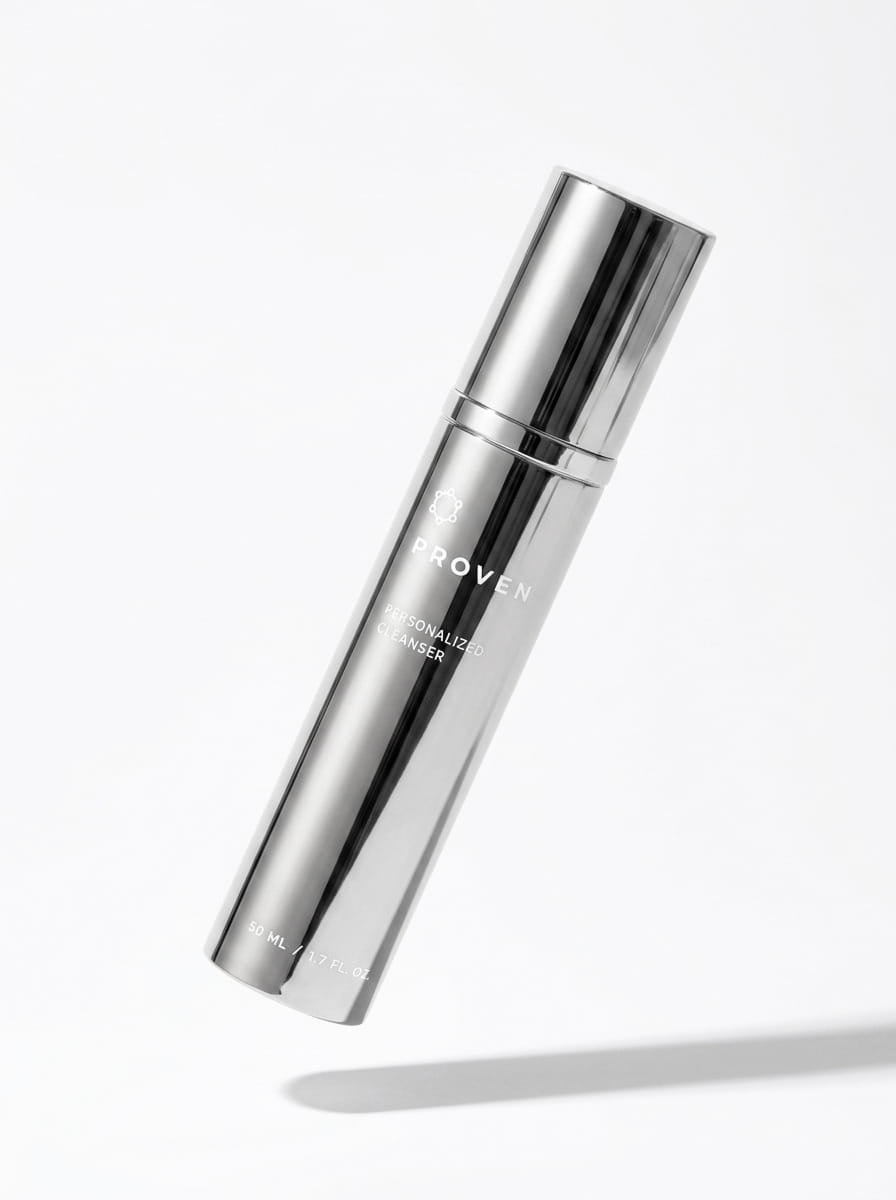
Personalized Cleanser
A gentle wash with exfoliating and toning properties — calibrated to your skin.
Take a quiz. We analyze your factors and build a formula made for you alone.

Is coconut oil clogging your pores? Science may have a solution. Read on to learn more.
Coconut oil saw an explosion of popularity in the skincare community the last few years, but it seems that the trend may be dying out. It turns out that not every skin type can handle being saturated in a thick layer of this comedogenic oil.
Coconut oil is extracted from dried coconut flakes and raw coconuts. For people that generally have dry skin, the emollient effect of coconut oil can be especially effective when used as an overnight moisturizer.
Additionally, coconut oil contains fatty acids that can help to hydrate and protect the skin. Most notably found in coconut oil is linoleic acid, an essential building block for ceramides. Ceramides are responsible for creating a barrier in your skin that prevents permeability and locks moisture into your skin. Coconut oil also contains lauric acid.) and capric acid.
Some of the other potential benefits of using coconut oil include:
The ceramides found in coconut oil can help to bolster the protective layer of skin which will increase the amount of moisture that it retains. Having excessively dry skin, also known as xerosis cutis, can cause wrinkles to appear on your face along with peeling and flaking.
The lauric acid in coconut oil has several soothing properties, which makes it helpful when dealing with irritated and itchy skin.
Lauric acid can also help to boost your skin's production level of collagen. Collagen is a primary component in helping to keep your skin taut and firm, which can help to eliminate the formation of wrinkles and other fine lines.
Here are a few reasons why:
Coconut oil is considered to be high on the comedogenic scale. Comedogenic is the term used to describe the tendency of an ingredient to block the pores of the skin, which often results in blackheads.
The comedogenic scale is a rating for beauty products between one and five, with one being the least likely to clog pores and five being the highest. Coconut oil is usually rated somewhere around four or five.
While not all people will experience blackheads as a result of using coconut oil, the likelihood is increased, depending on how naturally oily or dry your skin is and the size of your pores.
Ironically, the lauric acid found in coconut oil, which is sometimes used as treatment for acne, can accumulate on the top layer of your skin. As it rests there it creates a barrier on top of the pore where bacteria, dirt, and dead skin cells will start to build up underneath and fester, typically triggering an inflammatory response in the form of an acne breakout.
Another issue is that coconut oils don’t hydrate your skin. Instead they wrap around your skin and for a sealant which helps to trap in water and helps to protect your skin from external damaging agents, which are both very good things.
However, it doesn’t help with hydration, it merely traps it in. Depending on whether or not you have enough water in your skin, the coconut oil might make it feel more dry, resulting in an increase of sebum production.
When too much sebum is produced, it can fill up and plug hair follicles, resulting in bacteria forming. This bacteria will get trapped in the follicle, leading to an attack from your white blood cells, leading to inflammation and ultimately acne.
Coconut oil can have a lot of positive benefits when used by people with certain skin types. For other people coconut oil can be the catalyst for a bunch of new issues, namely acne breakouts.
It’s best to use non-comedogenic oils whenever possible. While some of these examples can be directly applied to the skin, others should be used in a carrier oil.
It may take some time for you to find the right combination of non-comedogenic oils, but taking the PROVEN skincare quiz could help to save you some time -- we’re happy to help match the best ingredients to your specific type of skin, based on actual clinical data.
Some of the best non comedogenic oils include:
Grapeseed oil is the natural byproduct of winemaking. After wine is created by pressing grapes, there will be grape seeds left behind. Grapeseed oil can be extracted from these leftover grape seeds.
Grapeseed oil is high in vitamin E and omega-6 fatty acids. Both of these nutrients are highly effective at battling environmental stressors such as the sun, wind, and pollution.
Grapeseed oil can also be effective when used to:
Grapeseed oil will penetrate your skin quickly and won’t leave your skin with an oily feeling. For best results, massage several drops on your face after it’s been cleaned before going to bed at night. Grapeseed oil doesn't clog pores, so it’s ideal for all skin types, including oily skin.
Sunflower seed oil is high in linoleic acid, which helps to soothe blemishes, and is also high in oleic acid, which is known to help dry skin. In addition to these highly beneficial acids, sunflower seed oil also includes lots of antioxidants and the vitamins A,C,D, and E.
Sunflower seed oil will actually penetrate your skin’s surface and can replace lost moisture. Sunflower seed oil can be a very effective ingredient at the end of the day to remove dirt and residue, while helping to purify and hydrate your skin.
Hemp oil is extracted from the seeds of the hemp plant through a process called cold pressing, similar to how olives are turned into olive oil. Drinking hemp seed oil has been shown to improve the symptoms of eczema, most likely due to the fatty acids that are found in hemp seed oil.
Hemp seed oil also has lots of vitamin C and vitamin E, both of which are beneficial for skin and hair respectively.
When rubbed directly into the skin, hemp seed oil has been shown to strengthen the skin and make it more resilient to irritation.
Eating almonds is well known to be very beneficial to your health, but so too is applying almond oil to your skin. Almond oil is naturally soothing, meaning that it can help to ease the swelling of your skin such as puffiness or circles under your eyes. It’s also known to have several emollient properties, which help to improve your complexion and skin tone.
Almond oil contains fatty acids which can help to dissolve excessive oil on your skin, which coupled with the retinoids in the oils, can help to reduce the appearance of blemishes. Lastly, almond oil contains a high level of vitamin E that has several health benefits such as helping to soothe skin after overexposure to the sun, along with reducing the appearance of scars and stretch marks.
There are many benefits to using coconut oil, but only for people with certain skin types. Removing coconut oil from your skincare routine can be difficult and leave a large gap in what you've been using to nourish skin.
This is where PROVEN Skincare can step in and fill it.
PROVEN will take into account more than 47 variables using our one of a kind Skin Genome Quiz in order to develop a unique skincare product designed to work specifically for you and your unique skin.
Concerns, lifestyle, climate, and sleep — all covered in your formula.
Updates with your skin, life, and seasons. Every reorder.
Independent clinical study — brighter, more radiant skin.
By Stanford scientists. 28M data points behind every formula.
100K+ personalized formulas served. 30-day money-back guarantee.
A cleanser, day moisturizer, and night cream — calibrated to your skin from the 3-step Skin Genome Quiz.
A gentle wash with exfoliating and toning properties — calibrated to your skin.
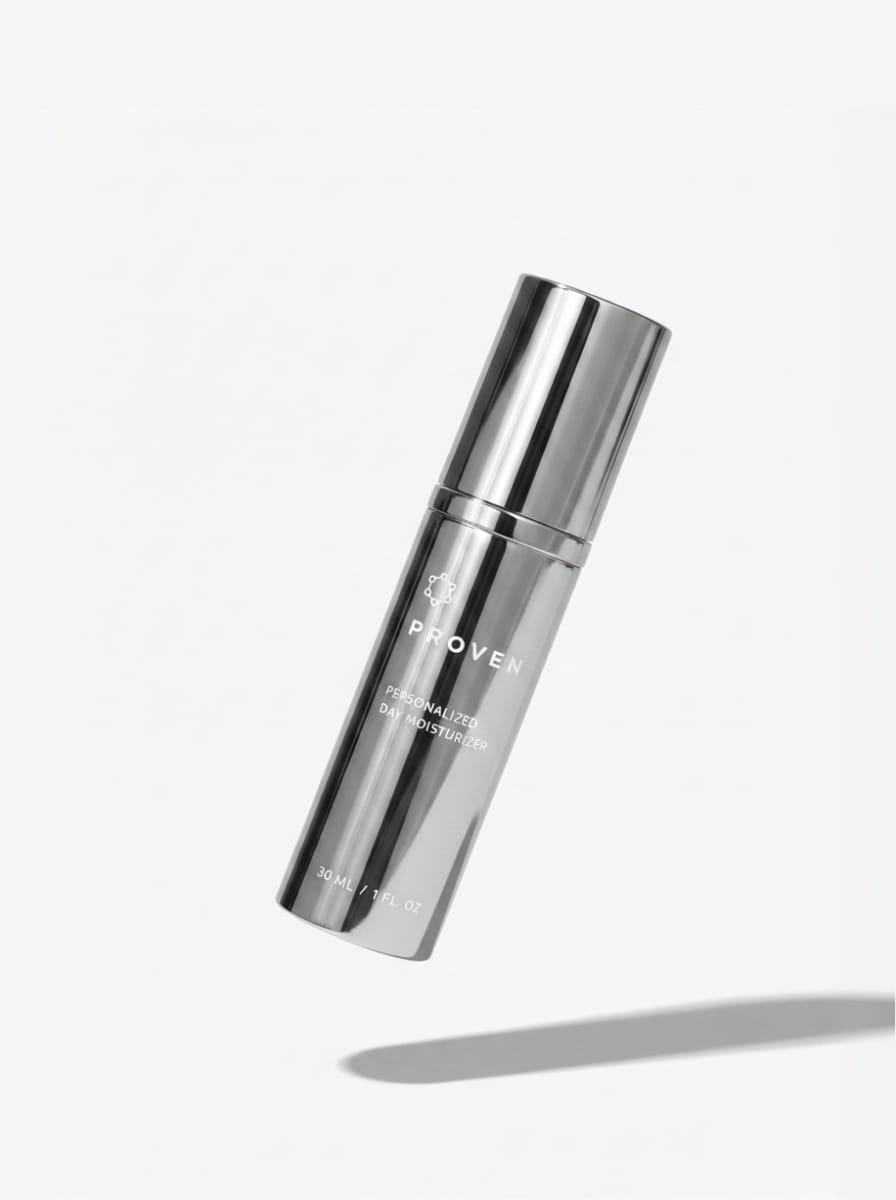
Lightweight daytime hydration — formulated for your skin.
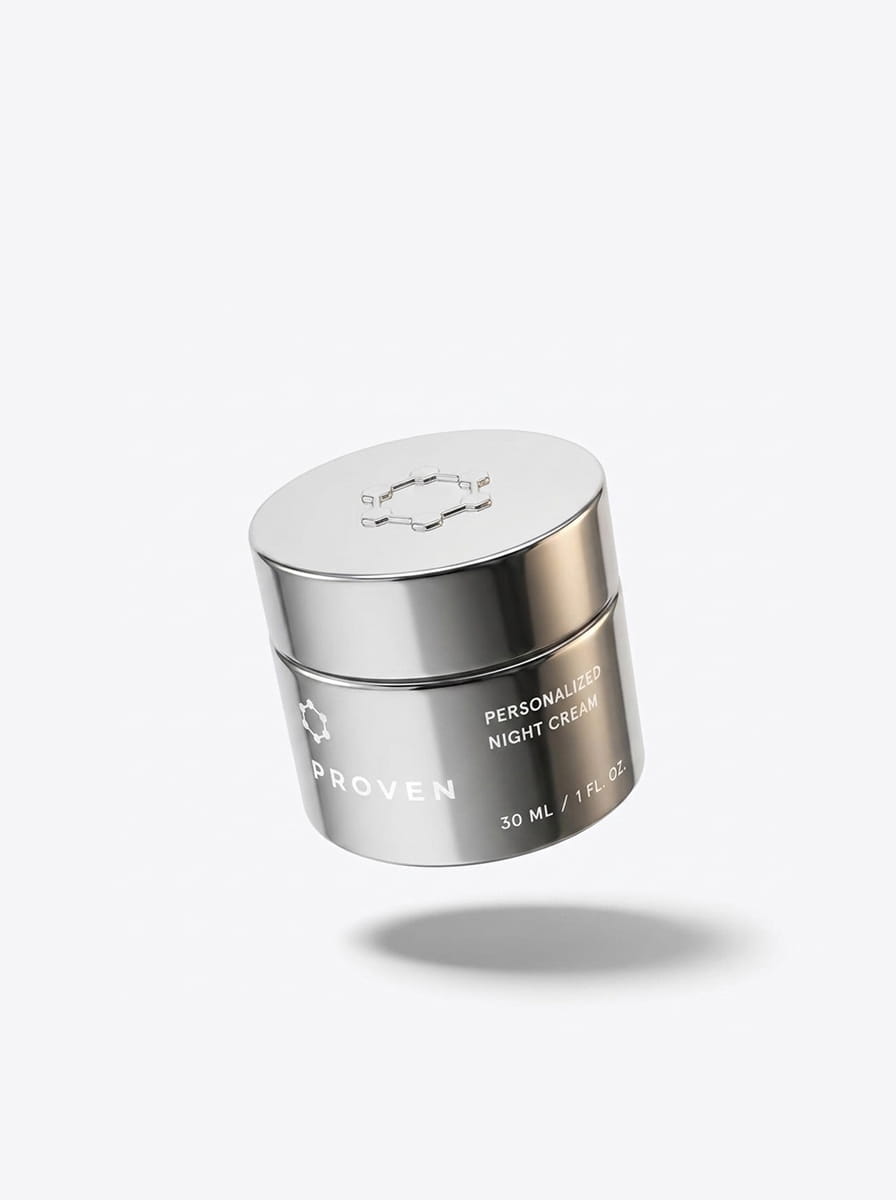
Overnight repair with the active ingredients your skin needs most.
Your formula is built around what your pores can actually tolerate. A few habits keep them clear of what clogs them — and it all starts with the quiz.
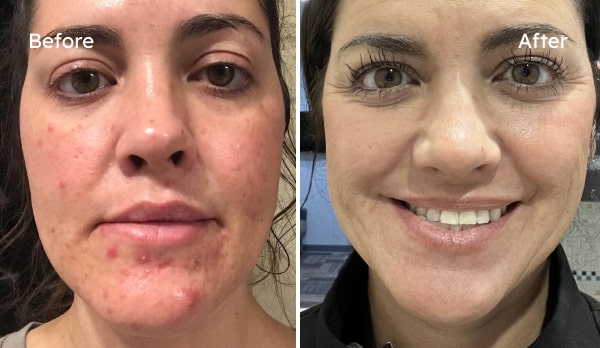
“It’s so clear and I can go without makeup and it looks amazing. I used to be so ashamed to walk around with no makeup, had terrible acne! This has been a game changer for me!”
Persistent inflammatory acne + barrier disruption = gentle sebum balance + barrier rebuild system.