

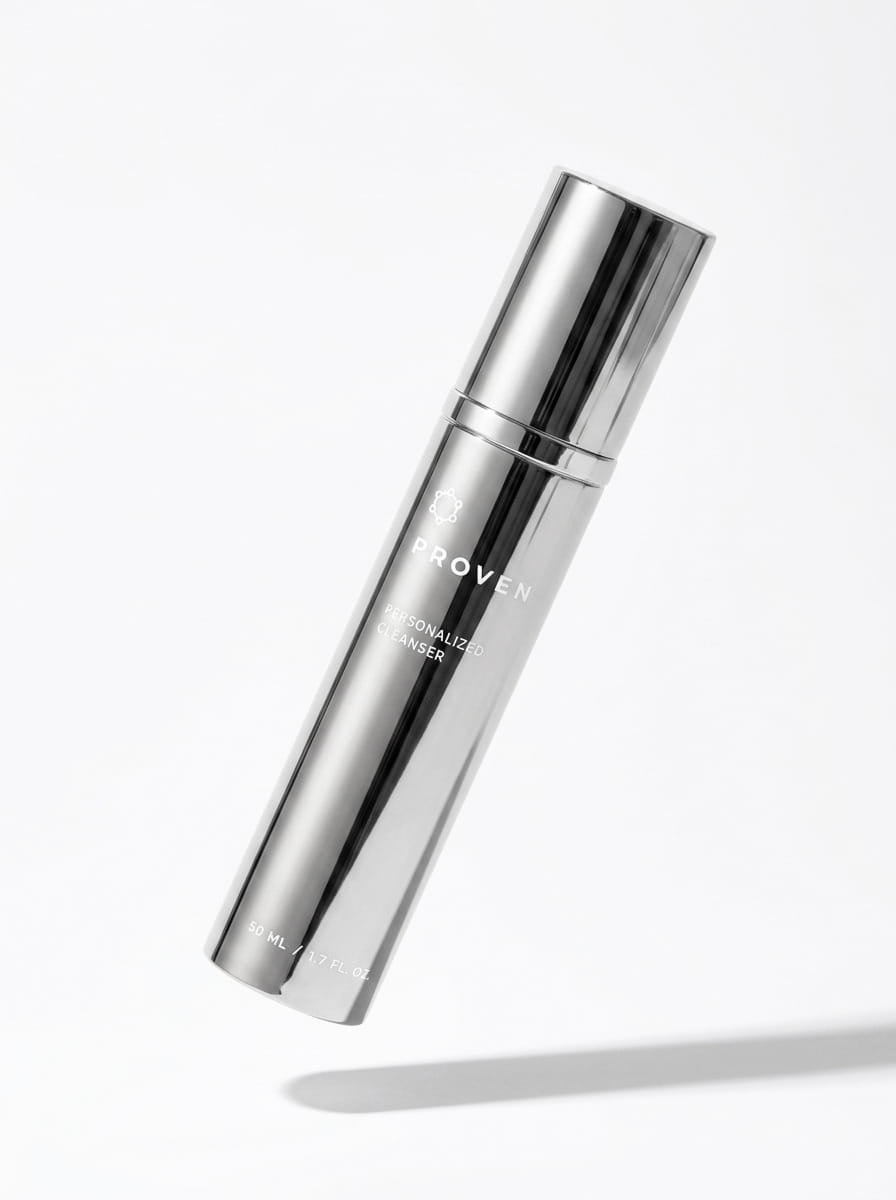
Personalized Cleanser
A gentle wash with exfoliating and toning properties — calibrated to your skin.
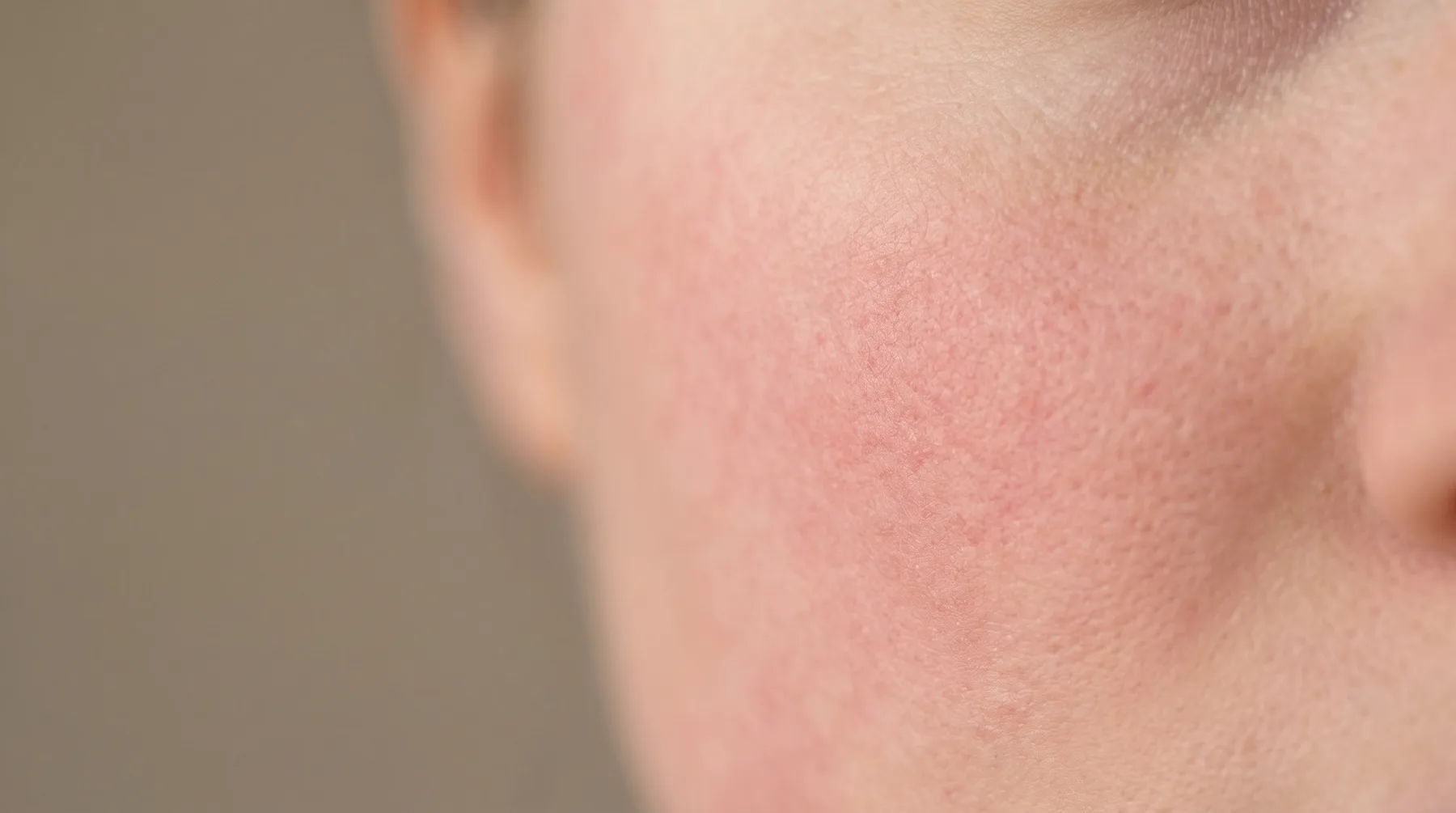
Experiencing itching or blisters? Science may have a solution. Read on to learn all about contact dermatitis.
Many common substances and household products can cause contact dermatitis on the face, which causes itchy, swollen lesions that can blister and crack. In general, nearly six million doctor visits will occur annually in the United States as the result of contact dermatitis. Contact dermatitis is more likely to affect women than men, most likely because of the use of jewelry and fragrances, and particularly women with red hair and fair skin.
The hands are typically the most important role player in contact dermatitis since they come into contact with so much more than the face will. For most cases of facial contact dermatitis, the irritant was on the hands then brought to the face unknowingly.
If you can identify the irritant or allergen that triggered the skin inflammation and avoidexposure, your symptoms should gradually improve within a couple of weeks. The offendingagent could be your soap, sunscreen, or the fabric softener in your towels. In some cases, adermatologist may recommend a patch test to isolate potential irritants and ask about specificingredients in your hair and skincare products. Many people have a sensitivity to formaldehyde,a common preservative in numerous cosmetics that can cause severe skin rashes.
Depending on what the specific irritant or trigger is, there are some jobs and hobbies that will put you at a higher risk of experiencing contact dermatitis. In fact, nearly 40% of worker’s compensation cases involve skin problems.
Some examples of jobs with a high risk of contact dermatitis include:
Contact dermatitis is an inflammation of the skin that causes a red and itchy rash. It’s very common for a person to experience contact dermatitis over the course of their life. Most of the incidents are not the result of an allergic reaction. It is an inflammatory response that develops after direct contact with an irritant substance. This rash is not contagious, but it can be incredibly uncomfortable and embarrassing, especially when it occurs on the face. There are two kinds of contact dermatitis, which manifest with similar symptoms.
Irritant contact dermatitis (ICD) accounts for more than 80 percent of all cases. When the skin is exposed to an aggravating ingredient, such as harsh soaps, botanicals, detergents, fragrances, airborne pollutants, acidic substances, or solvents-- a painful blistering rash can develop after a single exposure to the irritant or form gradually after repeated exposure.
Allergic contact dermatitis (ACD) is a delayed hypersensitivity reaction that generally occurs 2 to 3 days after the skin’s exposure to an allergen. An itchy red rash after touching poison ivy is a classic example of ACD. The body’s immune system is activated after the allergen penetrates the skin barrier, triggering a vigorous inflammatory response. In addition, nickel, hair dyes, preservatives, chemicals, cosmetics, topical medications, and latex are also common causes of it.
Whether triggered by a natural or chemical substance, it is characterized by several uncomfortable symptoms that can make fair skin turn a scarlet red and darker tones a deep magenta. While some reactions can be instantaneous or develop within a few minutes, it may take a few hours of exposure before the symptoms appear. The following symptoms can occur anywhere on the face and body where the skin comes in contact with the irritant.
With continued exposure to an allergen or irritant, the affected skin may take on a leathery feel and darken with hyperpigmentation. If you’re noticing contact dermatitis symptoms on your face, it’s worth taking a closer look at ingredient lists, as you can’t always trust product labels.
If you are experiencing contact dermatitis then the first thing to do is figure out what is causing it. While this might be fairly simple in some cases, such as coming into contact with poison ivy, it might be more difficult in others.
Some of the questions you should ask yourself include:
Whenever you are no longer in contact with the irritant or allergen, contact dermatitis should slowly heal on its own. However, there are a few ways that you can help to speed up this process without requiring help from a doctor.
If you are experiencing contact dermatitis, then here are the steps you should follow to safely and quickly heal yourself:
Should this process show no improvement, the affected area is large and growing, or the affected area is close to your eyes or mouth, then you should seek medical treatment. A prescription steroid cream will usually clear up the affected area quickly.
The best way to prevent it is to avoid making contact with the substance that causes it. However, since you will not always be aware of the reaction yoru skin will have to any given substance, there are some other lifestyle changes you can make to help prevent future issues. Some of these include:
Mild cases of irritant contact dermatitis are most often traced back to skincare and cosmeticingredients. With a bit of detective work and the right products, you can get your skin back to amuch happier and healthier state. PROVEN skincare is personalized for you and contains nophthalates, formaldehyde, parabens, and other common allergens. Start the 3-minute skin quiz for your personalized formulas.
Concerns, lifestyle, climate, and sleep — all covered in your formula.
Updates with your skin, life, and seasons. Every reorder.
Independent clinical study — brighter, more radiant skin.
By Stanford scientists. 28M data points behind every formula.
100K+ personalized formulas served. 30-day money-back guarantee.
A cleanser, day moisturizer, and night cream — calibrated to your skin from the 3-step Skin Genome Quiz.
A gentle wash with exfoliating and toning properties — calibrated to your skin.
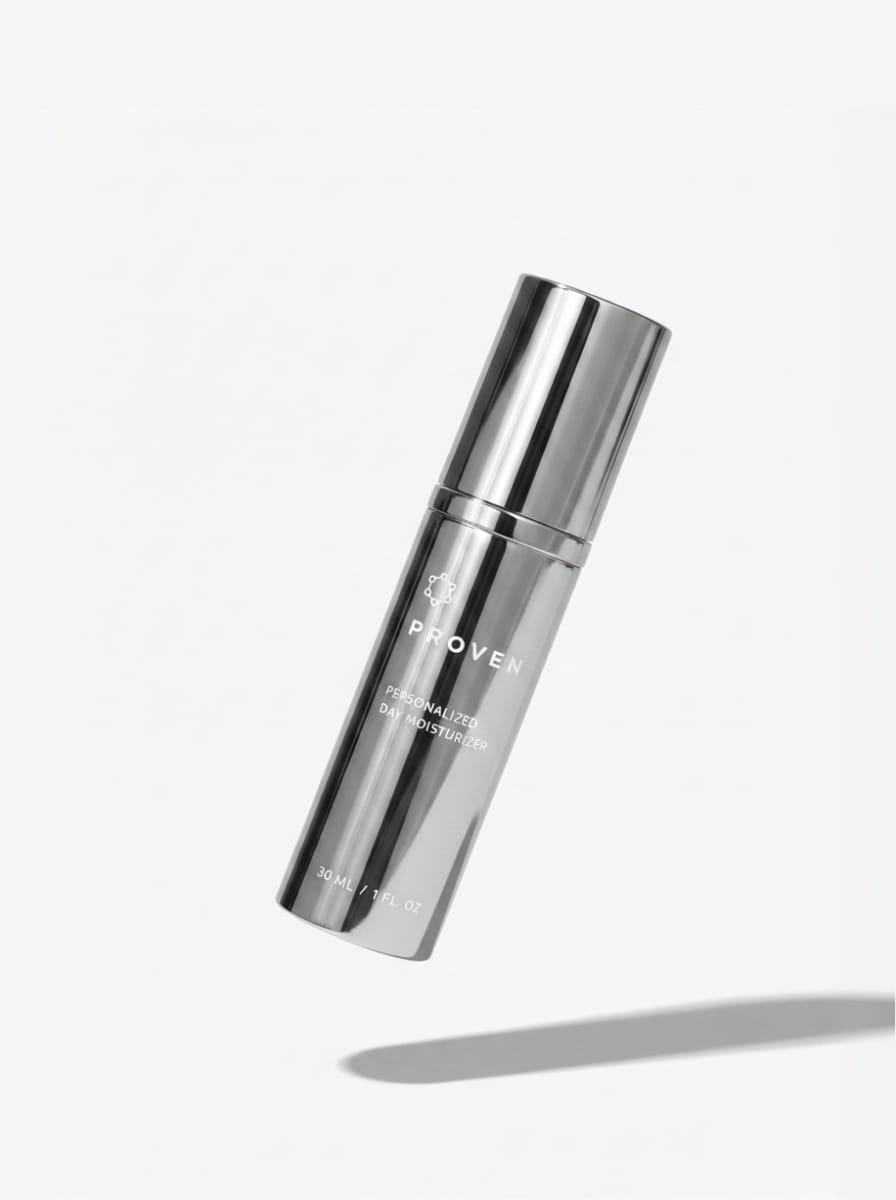
Lightweight daytime hydration — formulated for your skin.
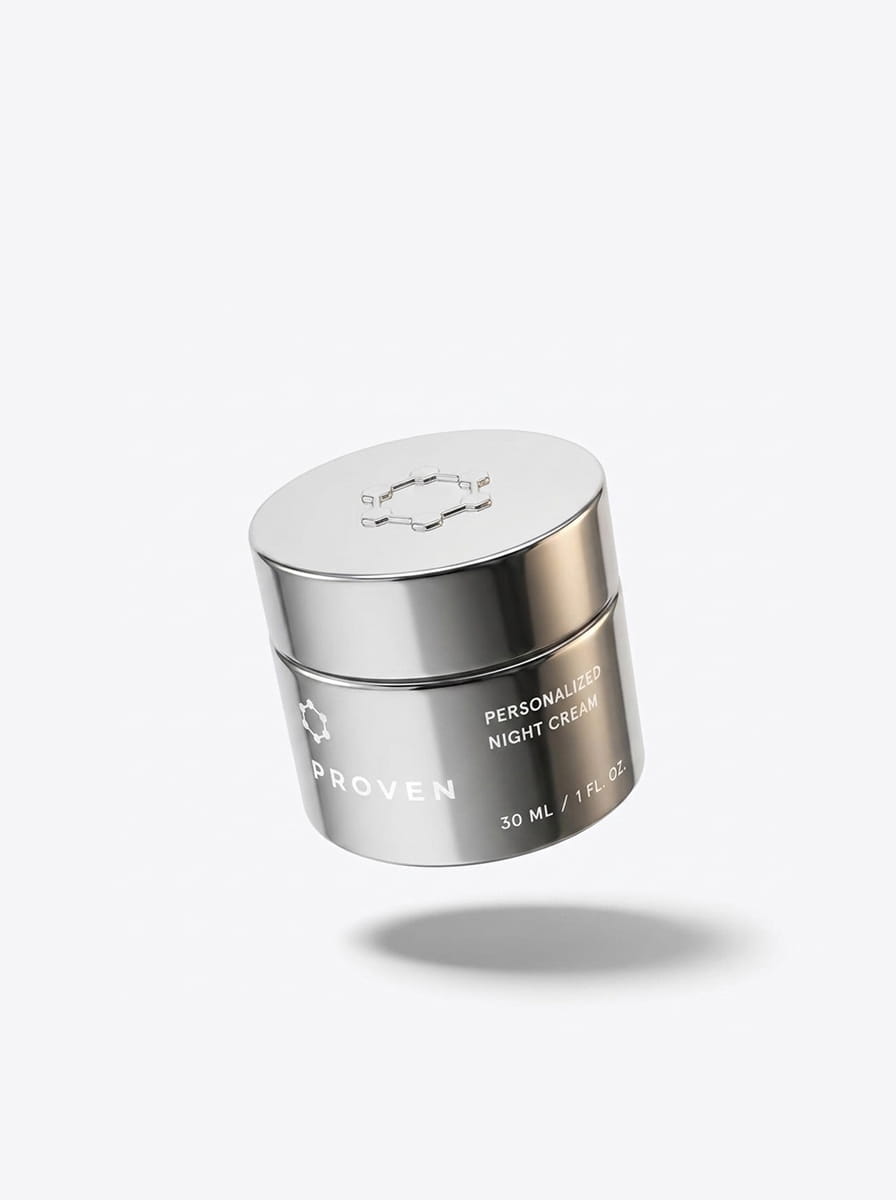
Overnight repair with the active ingredients your skin needs most.
Your formula does the heavy lifting. A few habits help it work — keeping your skin calmer between steps, and the routine itself starts with the quiz.
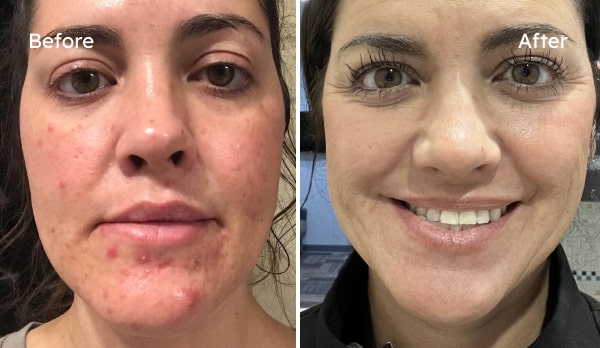
“It’s so clear and I can go without makeup and it looks amazing. I used to be so ashamed to walk around with no makeup, had terrible acne! This has been a game changer for me!”
Persistent inflammatory acne + barrier disruption = gentle sebum balance + barrier rebuild system.