

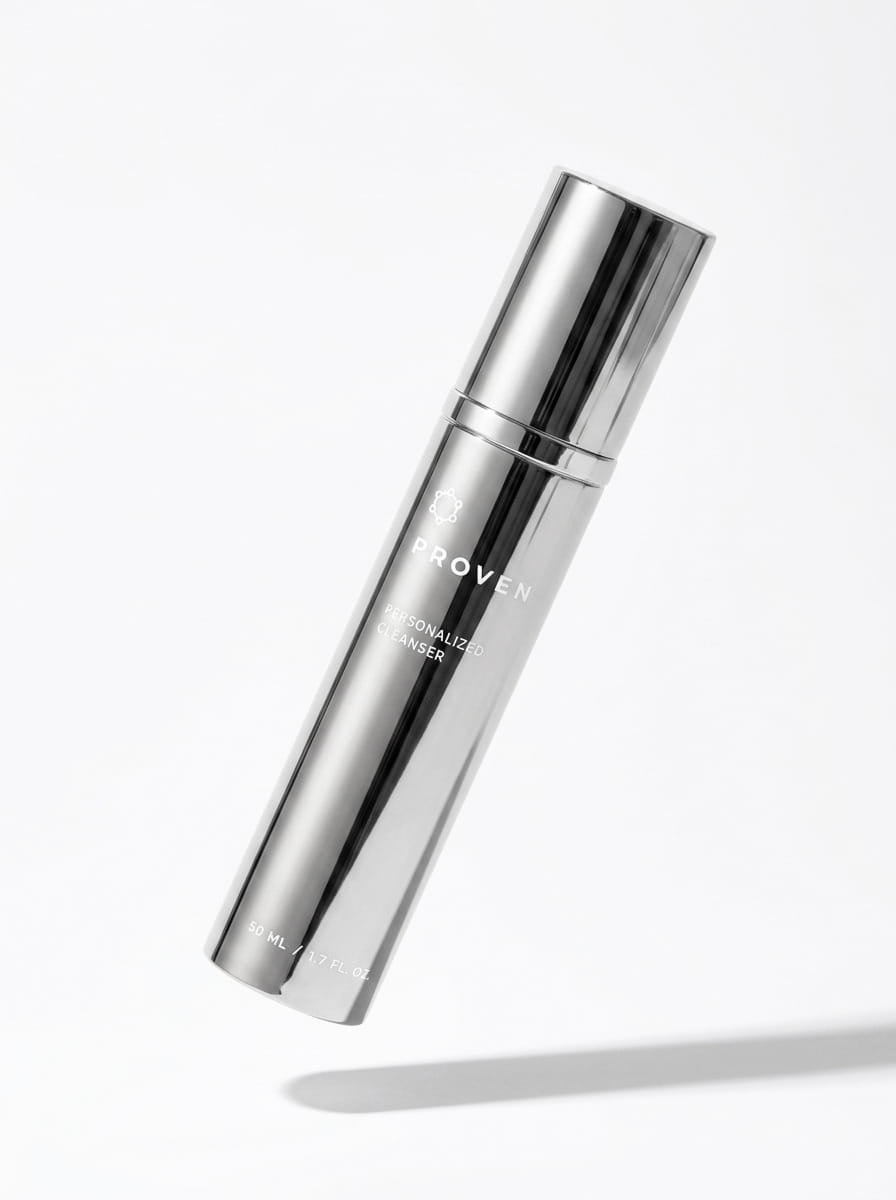
Personalized Cleanser
A gentle wash with exfoliating and toning properties — calibrated to your skin.
We have been taught that cleanliness is next to godliness. Soap that foams, lathers and is scented is the best soap, and if it leaves your skin squeaky clean, it’s even better. Right?
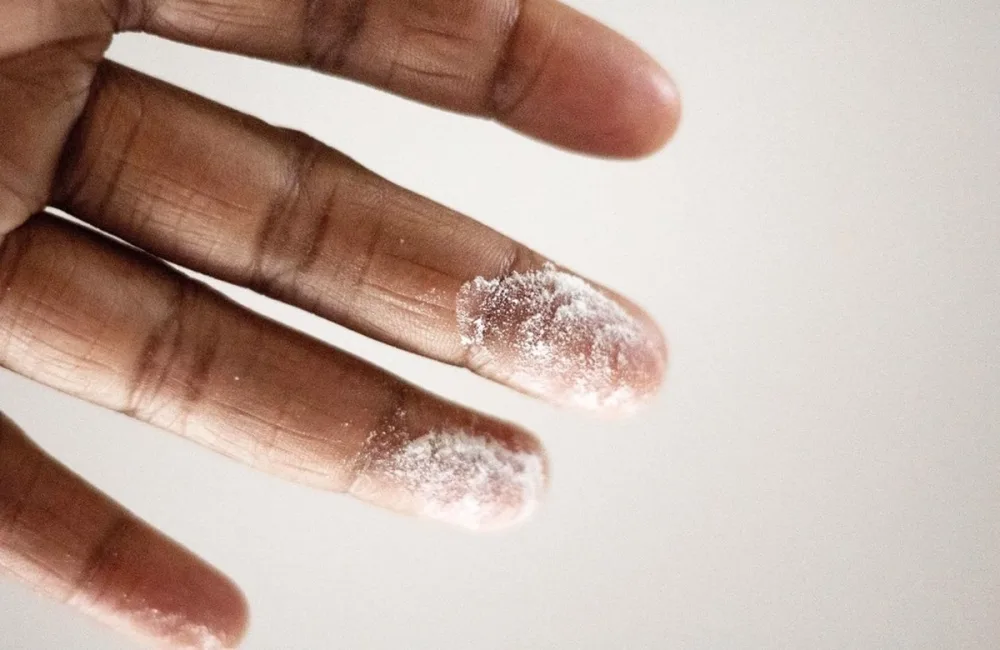
What is SLS and what's SLS used for?
SLS is an ingredient and chemical compound that functions as a foaming agent in common personal care and household cleaning products. It also has a surprising place in dermatology, considering sodium lauryl sulfate can be damaging to skin. One of the reasons SLS is used so frequently in beauty products including, facial cleansers, body wash, hand soap, and even household cleaning products is due to the fact that it is an inexpensive detergent. SLS can also be found in personal care products like toothpaste, bubble bath and skincare products. In high concentrations, it can cause allergic reactions or act as an irritant on skin.
It has been singled out as an irritant because it’s used to purposefully induce irritation in dermatological studies. Given these results, the continued use of SLS in skin care may seem surprising. However, it is important to realize that in these studies, SLS is left on the skin for long periods of time (between 4 and 24 hours), in what’s called a patch test. Given these results, the continued use of SLS in skin care may seem surprising.
Does SLS rinse off?
In general, a 24 hour SLS patch test is not truly representative of how SLS is used. SLS is rinsed off quickly and not intended to be left on the skin. For this reason, there are many people who believe that SLS is wrongly demonized because it is not meant to be left on the skin for hours at a time - however this fails to recognize that the SLS skin irritation and reaction issues are only reduced when the ingredient is thoroughly washed off skin, which is often not the case.
SLS Dangers Remain
In theory, if SLS is completely rinsed away, it should not be harmful. However, one of the dangers of SLS is that it may linger on your skin for much longer than you intend, particularly if you have hard water. Even if you believe you are rinsing it away completely and minimizing your exposure levels, scientific evidence shows that SLS is not effectively removed from your skin by hard water. This is why using a product which contains SLS still can be risky. This residue of SLS on skin can be damaging, and cause other skin problems.
The Effect of Sodium Lauryl Sulfate on your Skin
When SLS is left on the skin, it breaks down the oils in your stratum corneum and causes a number of problems. A weak skin barrier leads to transepidermal water loss (TEWL), making your skin dehydrated and irritated. Allergens and toxins can easily enter a weak skin barrier, causing itching, discomfort, redness, soreness inflammation and even Eczema. Plus, patch-tests aside, studies show that SLS, in a rinse-off system, reduces your Ceramide levels. Ceramides are responsible for “gluing” together your skin barrier, and are an important component of healthy, youthful skin.
Also, contrary to popular belief, there is no scientific evidence that SLS causes cancer, despite what you may read online.
How is SLES different from SLS?
SLS is often used with SLES (Sodium Laureth Sulfate), the ethoxylated sister of SLS. SLES contains 1,4 dioxane, which has been linked to reproductive and carcinogenic risks. 1,4 dioxane is listed on California’s Prop 65 list and if the amount exceeds 30 micrograms per dose, a warning must appear on the product label.
The interesting thing about Prop 65 is that the regulations are based on daily dosage. If a company uses 5% of SLES in their formula, and 1,4 dioxane is present at 0.01%, then you would be exposed to 5 mcg per gram. The seller could argue that one dose is intended to be less than 3 grams and they would not be required to use a warning label.
SLS: The Bottom Line
The bottom line? Even if SLS is safe as a rinse-off ingredient, it’s impossible to know whether you are completely removing SLS from your skin, and you could be setting yourself up for a number of irritation problems. As for SLES, unless you’re measuring out your soap on a scale, you don’t know whether you’re being exposed to unsafe levels of 1,4 dioxane.
So, is SLS bad for your skin?
Well, if you want to be smart about your skin care habits, it’s best to avoid these two ingredients. There are several safer alternatives like fatty acids (look for fatty alcohol alkoxylate or alkyl phenol ethoxylate on product labels). Choose sulfate-free products instead, which tend to be gentler on your skin. Look for labels that say “sulfate free” or "no SLS" and avoid ingredient lists with any ingredients using the word “sulfate”.
Built from 47 factors of your skin profile — a cleanser, day moisturizer, and night cream calibrated to you from the 3-step Skin Genome Quiz.
A gentle wash with exfoliating and toning properties — calibrated to your skin.
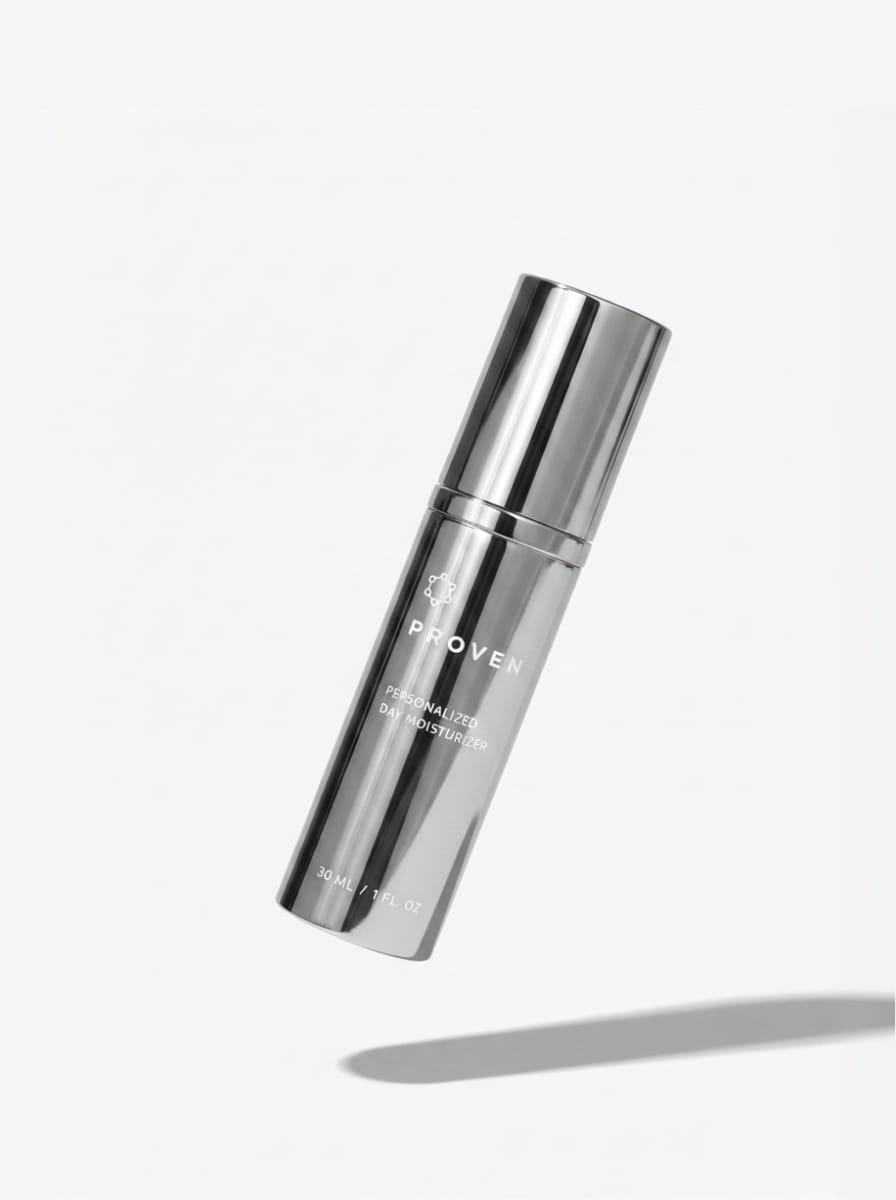
Lightweight daytime hydration — formulated for your skin.
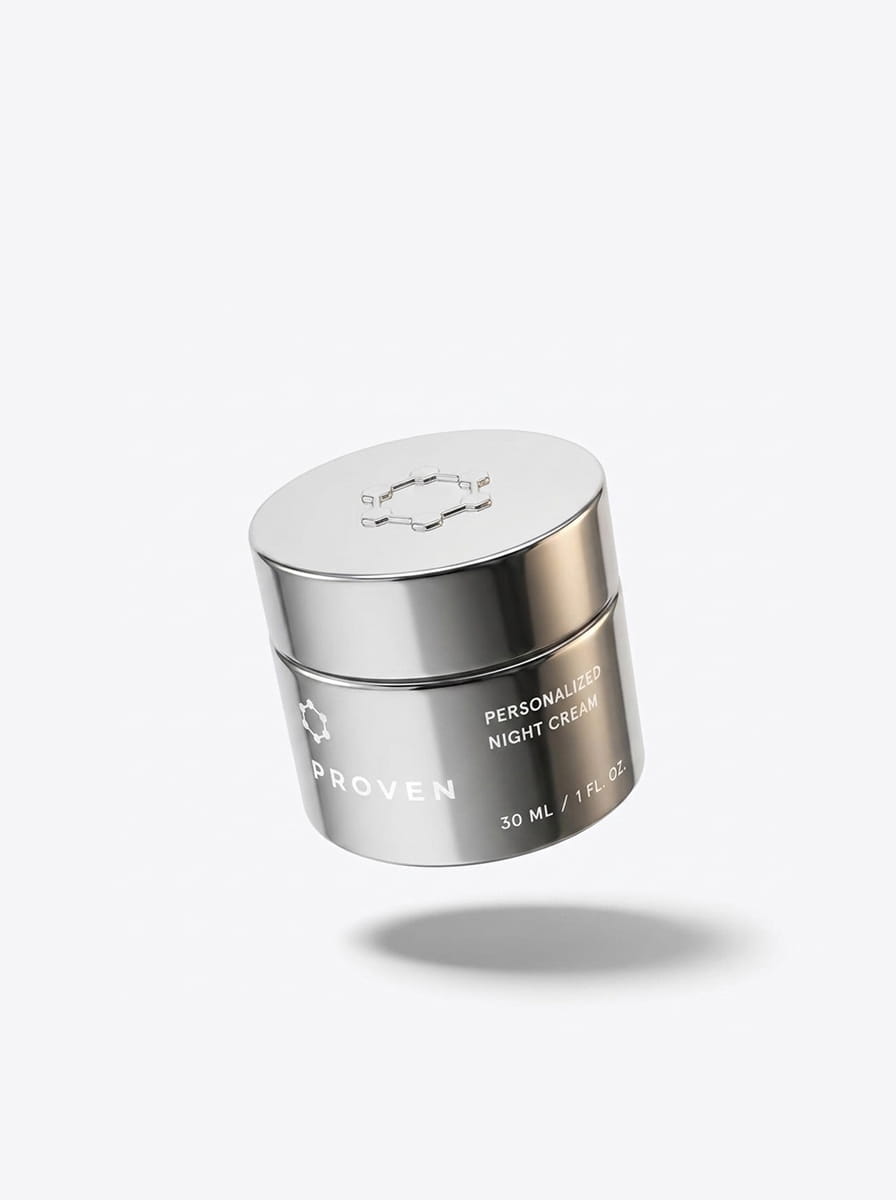
Overnight repair with the active ingredients your skin needs most.