

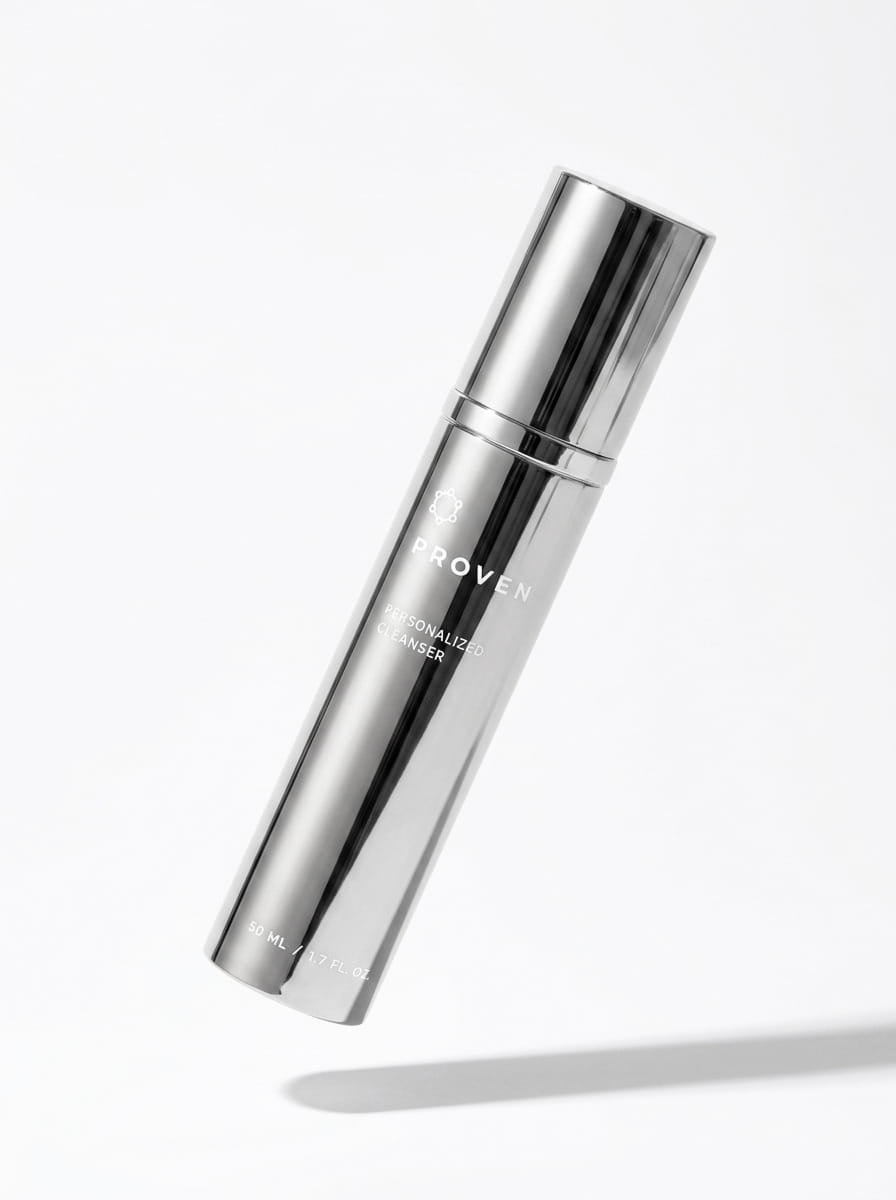
Personalized Cleanser
A gentle wash with exfoliating and toning properties — calibrated to your skin.
Take a quiz. We analyze your factors and build a formula made for you alone.
Skin redness, sensitivity, and acne breakouts? These could be signs of rosacea. Rosacea is a skin condition that is common in the United States and around the world.
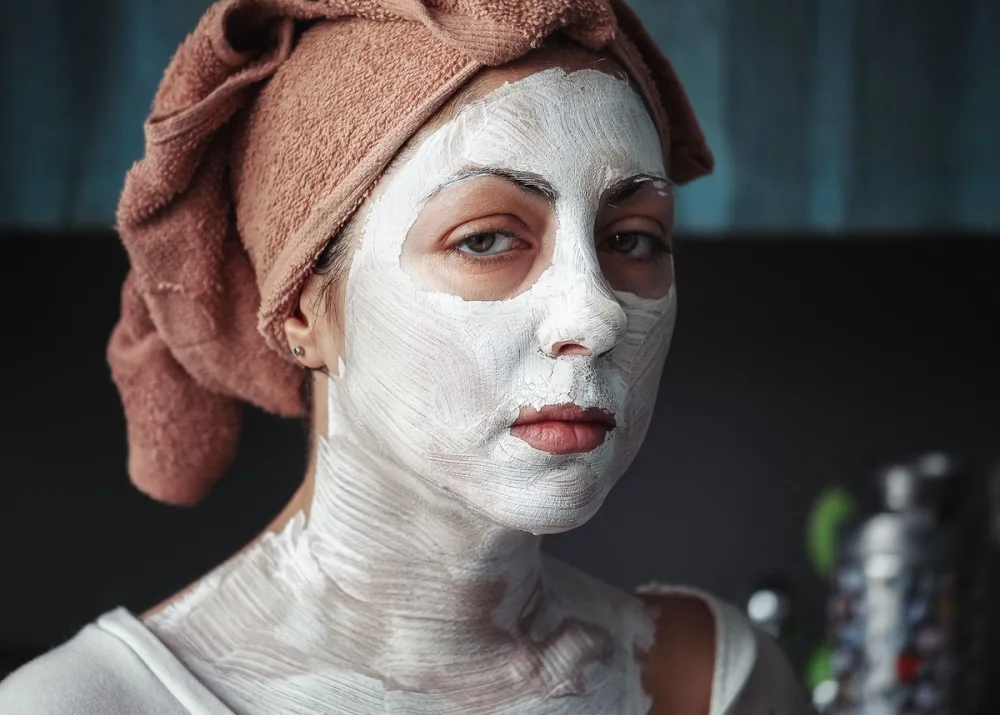
Although the cause of rosacea is still unknown, treatment for this skin condition is widely available. This article will discuss everything you need to know about rosacea: its types, causes, triggers, symptoms, treatment, and the appropriate skincare routine.
According to the American Academy of Dermatology, rosacea is a common skin condition that affects more than 14 million people. However, it's not contagious. People who get rosacea are primarily between 30 to 50 years old and have fair skin, blonde hair, and blue eyes. Plus, women are more likely to get rosacea than men but less prone to severe rosacea. Its common locations are on the nose, forehead, cheeks, and chin.
Rosacea’s symptoms are similar to other skin diseases like psoriasis, acne, eczema, or allergies. So, questions like ’What is rosacea like?’ can be difficult to answer. But to differentiate rosacea from other skin diseases, observe the signs and symptoms.
The first signs of rosacea are often redness on your nose, cheeks, forehead, or chin. But in some cases, the redness can appear on your ears, neck, and chest, as well. Along with reddish or pink facial skin, rosacea is also associated with tiny dilated blood vessels and small red bumps that may contain pus.
Rosacea is a chronic skin ailment marked by a sunburn-like redness of the skin. The redness comes and goes in the beginning but eventually becomes permanent. Rosacea can be triggered by several factors, including heat, coffee, or stress. There are four varieties of rosacea and many people have symptoms from more than one of them. Each variety is distinguished according to its related symptoms.
Erythematotelangiectatic rosacea
Erythematotelangiectatic rosacea is marked by persistent facial redness and very sensitive skin. It is also known as vascular rosacea because of the swelling of blood vessels. This type of rosacea is common in patients' cheeks. Signs and symptoms include:
Papulopustular rosacea
Papulopustular rosacea is characterized by pus-filled bumps known as "whiteheads" and red swollen pimples. These usually occur on the cheeks, chin, and forehead and are sometimes mistaken for acne. This type of rosacea is most common in middle-aged women and known to some as inflammatory rosacea. Signs and symptoms of this subtype include:
Phymatous rosacea
Thickening skin and scars are associated with phymatous rosacea. It makes the skin rough, puffy, and occasionally discolored. This rare but curable condition most commonly affects the nose, resulting in a bulbous nose (rhinophyma), and is more common in men than in women. The signs and symptoms of this subtype are:
Ocular rosacea
Ocular rosacea mainly affects the eyes, making them appear bloodshot and watery. It is associated with a feeling of burning or irritation. Adults between 30 and 50 are most affected by ocular rosacea. It appears to occur among individuals whose skin blushes and flushes frequently. Signs and symptoms include:
According to the American Academy of Dermatology Association, scientists are still trying to single out the causes of rosacea. However, researchers were able to narrow down some clues.
Thinking of how to get rid of rosacea? Since we have little knowledge of what causes rosacea, we have better chances of getting rid of it by seeking treatment and avoiding triggers.
Before seeking treatment, try avoiding these rosacea triggers to lessen damage and keep the symptoms at bay. The triggers listed are common among patients. We have broken it down into two categories: dietary and other notable non-dietary factors.
Food
Triggers may vary for each individual and among the types of rosacea, but the list below is composed of typical foods that have triggered rosacea in many patients.
Other considerations
As mentioned earlier, food is not the only factor that heightens the symptoms of rosacea. Here are some other things that rosacea patients should avoid:
Although there is presently no cure, rosacea can be managed through various methods. If you don't seek treatment, your rosacea symptoms may worsen. The best results come from a mix of meds and lifestyle adjustments. Here are several options for you.
Laser therapy
Enlarged blood vessels can be hidden using laser treatment. This method works best on skin that isn't tanned, dark, or black. Before doing so, discuss the risks and advantages with your doctor. Swelling and bruising, which can last several days, are common side effects of laser treatment for rosacea. During the recuperation time, icing and moderate skincare will be required.
It might take weeks for the full benefit of the therapy to be visible. You may need further treatments for better results. It is also important to note that this procedure is usually considered cosmetic surgery. Thus, it may not be covered by insurance. Also note that laser treatment of dark or black skin may result in long-term or permanent skin discoloration.
Coping and support
Rosacea is a frustrating condition. You may become introverted or self-conscious due to feelings of embarrassment or anxiety about your looks. Other people's reactions may frustrate or irritate you. Consider discussing your feelings with a counselor or with a rosacea support group, whether in person or online. It can help you connect with people dealing with similar experiences.
Keeping skin care simple
Keeping your skin care simple doesn't mean skipping it altogether. Rather, it means eliminating specific ingredients that may affect sensitive skin.
Drying alcohols (denatured alcohol, SD alcohol), SLS (sodium lauryl sulfate), and large amounts of exfoliating acids, such as glycolic acid or salicylic acid are all substances that might irritate the skin of rosacea patients. Even synthetic scents or essential oils can be bad for rosacea, so always make sure to check the labels on the products that you use.
Get yourself checked by a doctor
Consulting a medical professional is still always the best option, especially because rosacea symptoms are similar to other skin diseases. When you set your appointments, be ready with your questions. Ask about possible triggers, treatments, and how these treatments can affect your other health concerns. Your doctor may prescribe medicine to minimize the symptoms.
Medicine For Pain And Symptoms
To slightly reduce redness on the face, brimonidine can help. It is an FDA-approved topical medication for reducing redness caused by rosacea. Once applied, the gel works quickly and the effects are felt for up to 12 hours.
Your doctor may also recommend azelaic acid. Usually in gel or foam form, it clears up bumps, swelling, and redness. It is commonly used to treat the pimples and swelling caused by acne. It works because it kills the bacteria that infect pores and decreases the production of keratin (a substance that can lead to acne).Another drug that helps you deal with redness and swelling is isotretinoin. It has been found in a study that a daily dose of isotretinoin for four months is good for combating rosacea symptoms. It lowered the sebum level, erythema index (measuring eczematous reactions), and erythema scores.
Cleanse your face daily
If you're already taking medication for your rosacea, the appropriate skincare routine can support your efforts. A rosacea-friendly routine can ease your symptoms, improve the results of treatment, enhance the overall health of your skin, and lessen rosacea flare-ups. So, here are some tips for those who are dealing with rosacea.
Your skin is exposed to dirt and oil everyday. Washing your face with water and rosacea-friendly cleanser in the morning and before you go to bed helps you get rid of dirt and impurities from your skin. Apply it gently with your fingertips in a circular motion and rinse it off with lukewarm water. Then carefully pat your face dry with a cotton towel. Moisturize daily
Even if you’re currently getting treated for rosacea, it is still important to moisturize your skin. Try applying rosacea-friendly moisturizer to improve the results of treatment. According to a study, patients with rosacea who applied moisturizing cream twice a day experienced less skin dryness, peeling, and roughness.
Protect Your Skin From The Sun
The sun is a top trigger for rosacea flare-ups. According to a survey conducted by the National Rosacea Society, 81% of patients think that sun exposure makes their condition worse. The extent of how much sunlight aggravates rosacea depends on the type of rosacea and how long your sunlight exposure was. It's always best to avoid too much sun exposure, especially between 10 AM to 2 PM, when it’s at its peak. For more protection, use a rosacea-friendly sunscreen with at least an SPF of 15.
Test Products And Makeup
Testing is necessary especially with products you’ve never tried before since your skin is made more sensitive by rosacea. Dab a little bit of the product near, but not on, your rosacea-prone skin to test it. You know not to use it if it irritates your skin within 72 hours or you experience burning, stinging, or other unpleasant feeling on your skin.
Be Gentle
Rosacea can be made worse by anything that irritates the skin. Avoid touching or scrubbing your face. Washcloths, face sponges, and rough exfoliation are also not recommended.
Taking care of your skin when you have rosacea can be challenging but it is not impossible. Effective rosacea treatment is achievable by avoiding triggers, seeking emotional support, and talking to your doctor.
Figuring out which skincare products to use through trial and error can be frustrating. It can even cost you hard-earned money. For people with rosacea, a better option would be personalized skincare formulated with the right ingredients. Dealing with this skin condition is no joke, which is why having products tailor-made for you may seem heaven-sent.
Proven Skincare allows you to get personalized, clinically effective skincare formulated for you, based on your skin type and condition, your lifestyle, and your environment. Take this quiz to discover exactly what your skin needs and get your own formula, today.
Built from 47 factors of your skin profile — a cleanser, day moisturizer, and night cream calibrated to you from the 3-step Skin Genome Quiz.
A gentle wash with exfoliating and toning properties — calibrated to your skin.
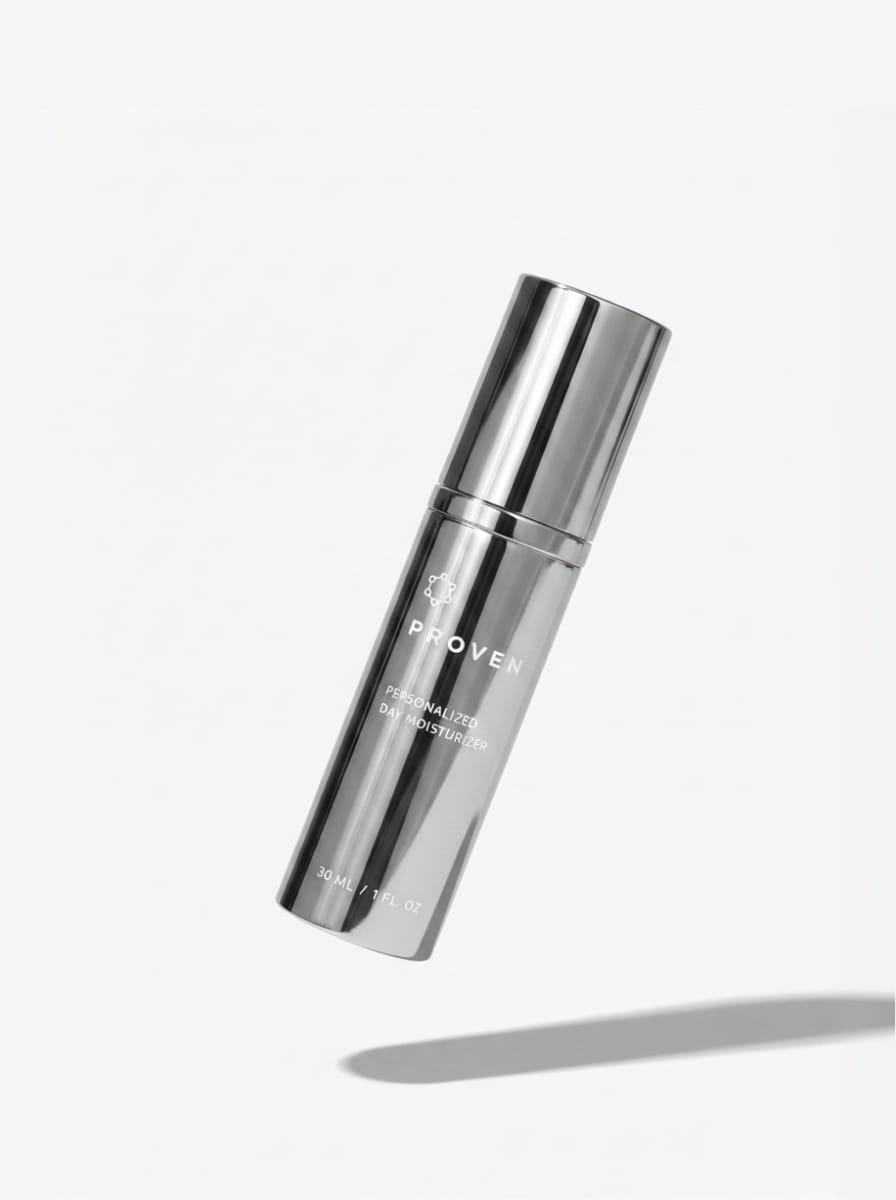
Lightweight daytime hydration — formulated for your skin.
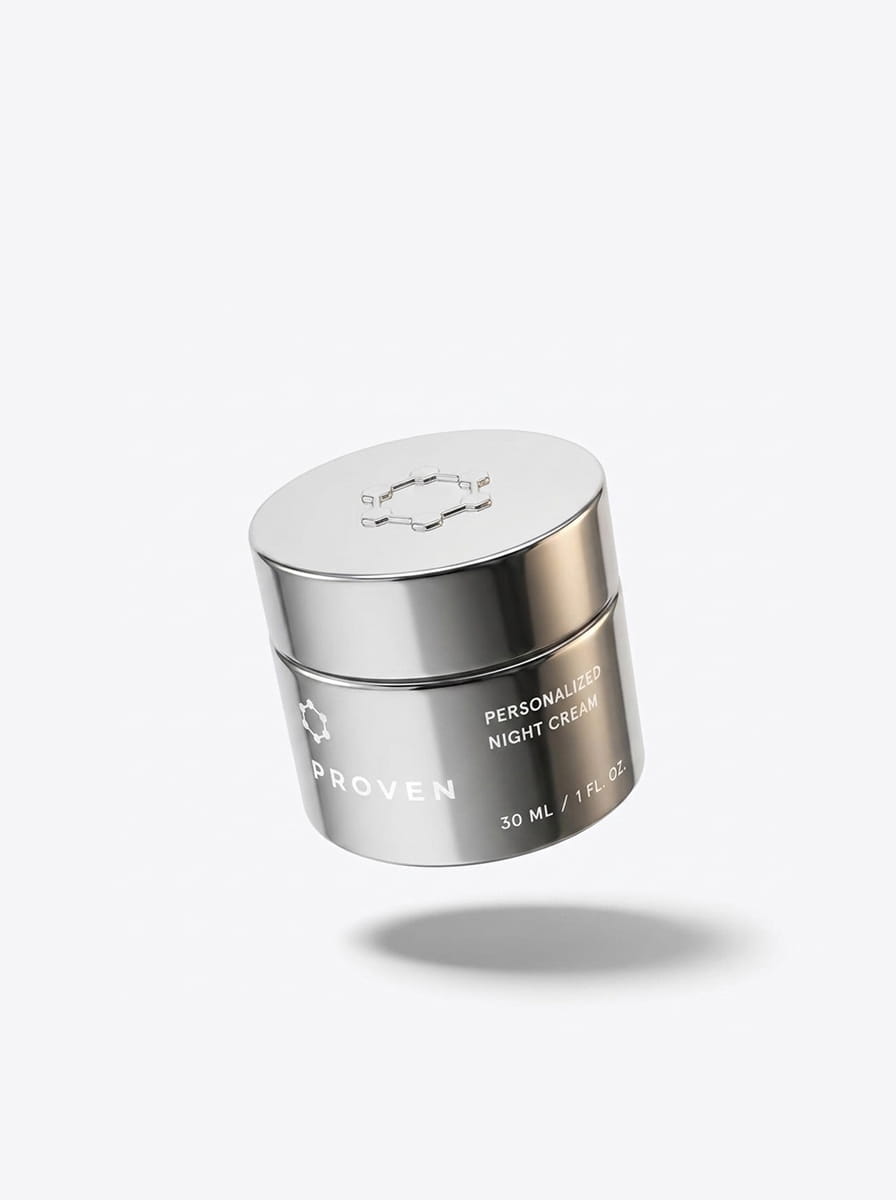
Overnight repair with the active ingredients your skin needs most.