

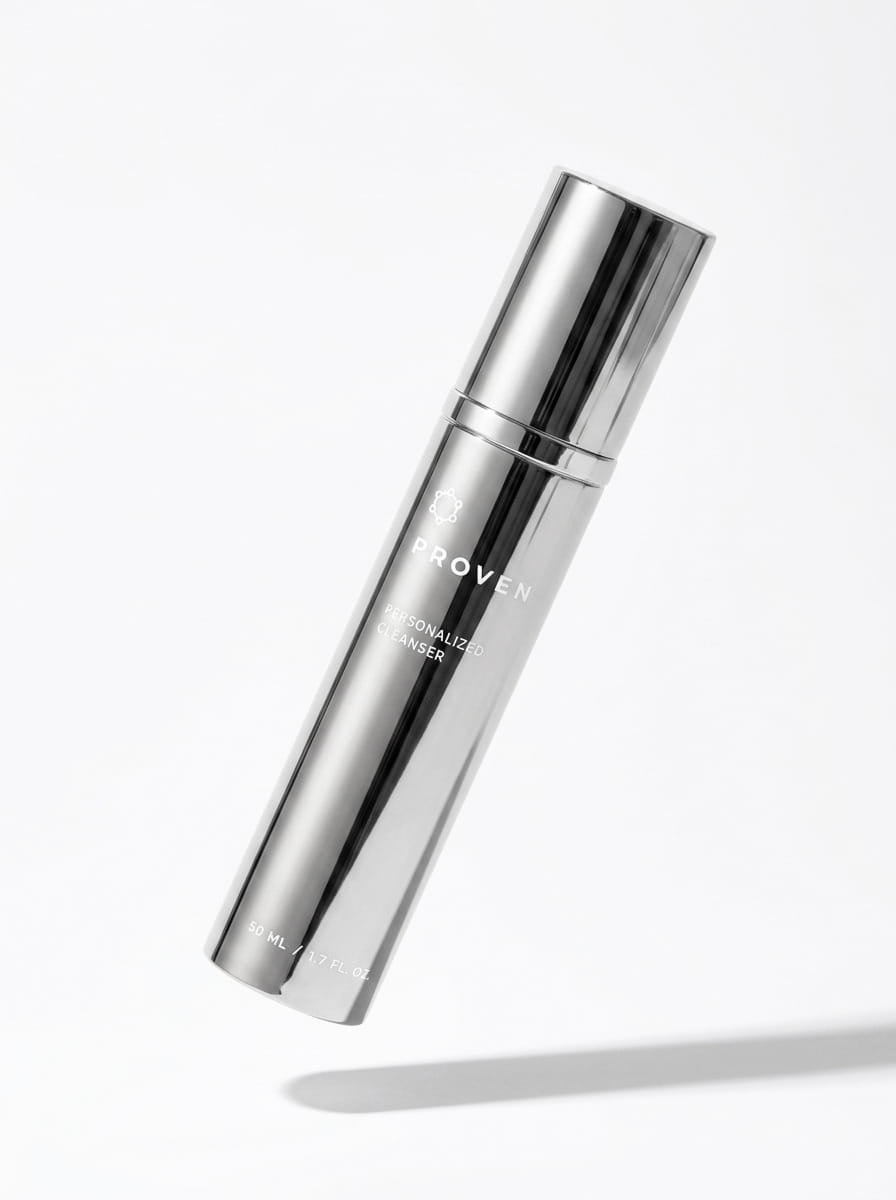
Personalized Cleanser
A gentle wash with exfoliating and toning properties — calibrated to your skin.
At first blush, the humble toner may not seem to pack as hefty a punch: Most look like a faintly colored watery fluid that seems to vanish on the skin within seconds of applying it.
It depends.
The formula you choose and your unique skin type can influence how well toner works for your skin. Below, we’ll touch on what this product was designed to do, what the science says about toners, and whether a facial toner is a welcome (or unnecessary) addition to your skin care routine.
To answer the question, what does toner do for your face? It’s important to know how and why this product originated. Toners have seen a resurgence recently, but they haven't always been a celebrated skin care product [1].
Most of the toners of yesteryear contained alcohol, a compound used to combat acne-aggravating bacteria in the skin [2]. But rather than clearing their complexions, many people found alcohol-containing toners had an adverse domino effect on their skin [3]:
For this reason, toners began to gain a less-than-optimal reputation in skincare. But with the popularization of K-Beauty, whose patent 10-step skincare system gives toner a starring role, numerous new, improved, and often alcohol-free formulations are helping gain some of its credit back. Toner can be good for acne-prone skin by delivering proper moisturization and balancing the skin’s pH levels.
These days, toner is a broad category of skincare products that may be formulated to address various skin concerns. It’s recognizable by its watery, thin texture and capacity to be absorbed quickly into the skin [4].
Depending on the formula you’re working with, a toner may contain water as well as:
Like your favorite cleanser, toners and their active ingredients address a host of skin issues—dullness, pH imbalance, acne, and even dryness.
But if you’re already working with a cleanser you love, does that make introducing a toner to your skincare regimen overkill? To find out, let's look at what science has to say about toner’s efficacy and whether it’s worth looping into your lineup.
Throughout the day, your skin tends to accrete a filmy layer of:
Sometimes, a single wash-up isn’t enough to remove the day’s residue. If you wear makeup, you may find a single cleanse rids your skin of cosmetics, but it doesn’t actually make your skin feel clean.
Many toners work to dispel the residue that causes oily skin when your cleanser hasn’t done its job thoroughly enough. That said, if you pick an effective facial cleanser (or even choose one that comes equipped with a built-in toner), this may not be a juicy enough skin care benefit to introduce another product to your daily routine.
It’s seldom discussed, but your skin has its own pH, or potential of hydrogen, value. In a state of health, skin gravitates toward a pH between 5.4 and 5.9, which helps ensure a healthy balance of microflora [6].
But because most soaps have an alkaline or “basic” pH value (typically ranging between 9 and 10), they can cause your skin to drift from its natural acidity [7]. Over time, this may lead to:
Toners with pH-balancing properties may work against this soap-mimicking effect by guiding your skin’s pH level back to its baseline [8]. It’s thought that by carrying an acidic pH, toners help rebuild what’s known as the skin’s acid mantle, a critical and protective feature of the skin barrier [9].
Because dysregulated pH correlates with a host of dermatological conditions, it’s also thought that guiding the skin back to its pH “happy place” will help maintain its composure and luminosity. As a result, the other skincare products in your lineup may work even better to boot [10].
Exfoliation is a crucial part of any skincare routine that targets skin dullness, speeding up the shedding of old skin cells sitting on the topmost layers of skin so new ones can take their place.
Dermatologists recognize two main methods of exfoliation [11]:
Toner’s acidic pH value may naturally spur exfoliation in the skin, particularly if they contain two heavy-hitting chemical exfoliants:
AHAs and BHAs have both been linked to:
However, both exfoliants also appear in the formula of other skincare products like cleansers, masks, and moisturizers [12]. As of yet, there’s no evidence to suggest that delivering them to the skin via one product works better than another.
Toner has come a long way since its astringent, alcohol-centered formulas of the ‘80s and ‘90s. In principle, formulas that pledge to encourage smoother textures or nurture skin with ultra-hydrating ingredients may not be as likely to throw skin out of whack—but there’s little evidence to suggest they’ll necessarily benefit, either [13].
The American Academy of Dermatology Association advocates for one cardinal rule in deciding on your skincare routine: “Less is more when it comes to skincare.” [14] For professionals, there are only three products that should be in every skincare routine:
Suppose you have effective formulas in each category suitable for your unique skin type.In that case, you shouldn’t need different toners or any toner at all—whether to complete the cleansing process, rebalance your skin’s pH, or exfoliate [15]. Ideally, the facial cleanser in your cabinet should deliver each of the benefits toners are designed to take care of.
That said, if you adore the feeling or look toner gives your complexion, by all means, embrace it!
Before you commit a new skin toner to your routine, aim to acquire an alcohol-free formula and patch-test it on the back of your hand before using it. Any time you adopt a new product into your regimen, your skin needs some time to adapt—and by following these guidelines, you’ll give it the best possible chance of making the adjustment.
Use It at the Right Time
Because of toner’s residue-removing properties, many people mistakenly think it belongs at the helm of their skincare regimen—not so!
If you elect to loop a toner into your skincare ritual, here’s how to use face toner like a pro:
Focus on Toner Ingredients
If you can get your hands on an alcohol-free toner, it’s unlikely to overly dry out your skin like in previous generations. However, there are some ingredients to keep an eye out for that can ensure it replenishes (rather than depletes) your complexion, such as:
Whether you’re comparing toners, cleansers, moisturizers, or masks—or simply wondering how to use face toner—keep in mind it’s the ingredients in your skincare formulas that make the biggest difference to your skin’s health and appearance. Remember, good things come in all sorts of formulas and packages—and to achieve healthy skin, it’s what’s on the inside that counts.
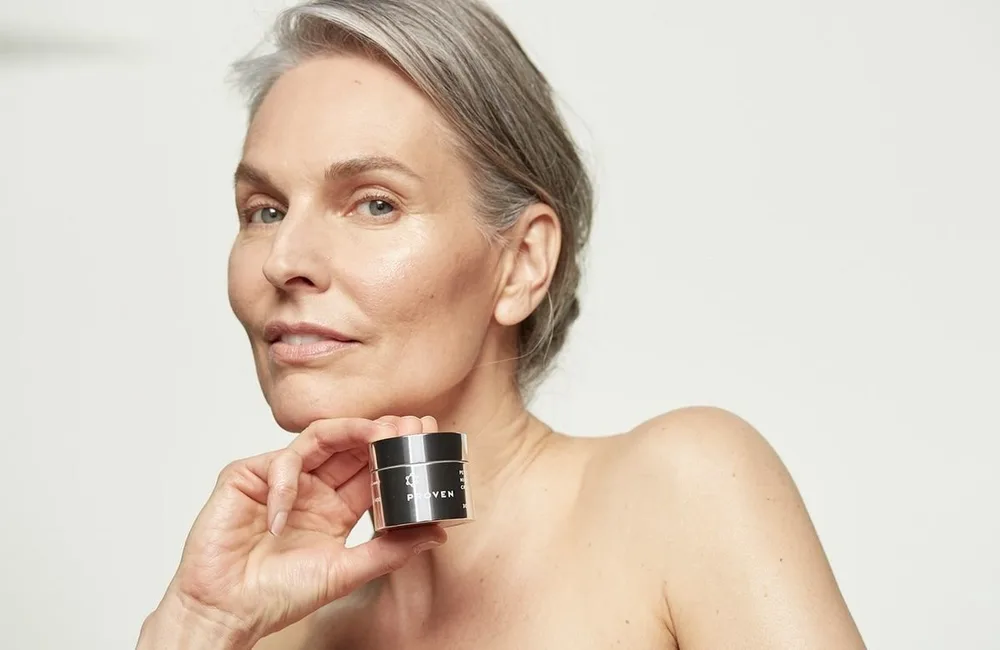
Treating yourself to a refreshing toner or a nourishing mask can help uplift your skin, but you shouldn’t have to pile on more products to get the most out of your staples. PROVEN’s customized formulas are designed to cleanse, tone, and exfoliate the skin so that you and your complexion can keep it simple.
We created PROVEN Skincare so that every skincare regimen can be a reflection of the person who uses it. Complete our questionnaire for a full assessment of your skin type and the best ingredients for your complexion. From there, we’ll design you a custom routine so that you can start achieving your skincare goals—no extra steps necessary.
Built from 47 factors of your skin profile — a cleanser, day moisturizer, and night cream calibrated to you from the 3-step Skin Genome Quiz.
A gentle wash with exfoliating and toning properties — calibrated to your skin.
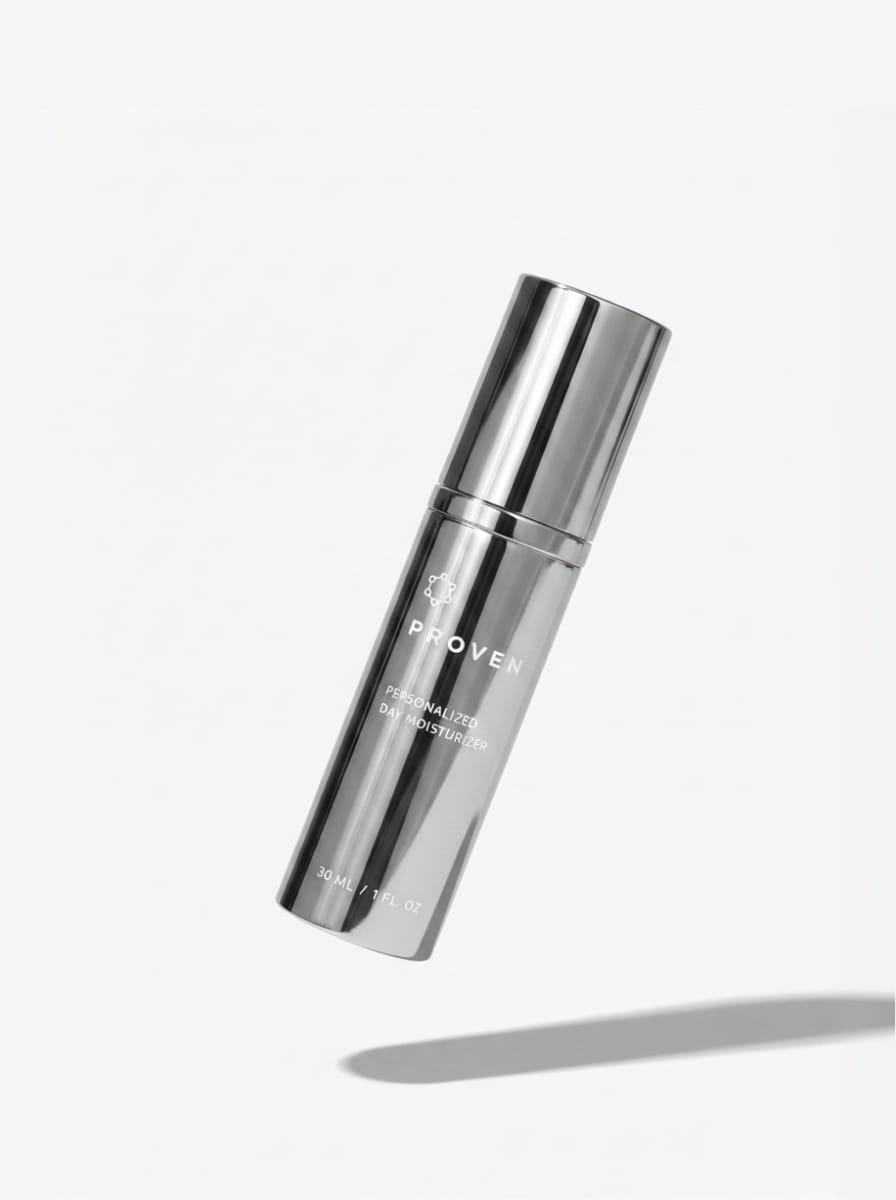
Lightweight daytime hydration — formulated for your skin.
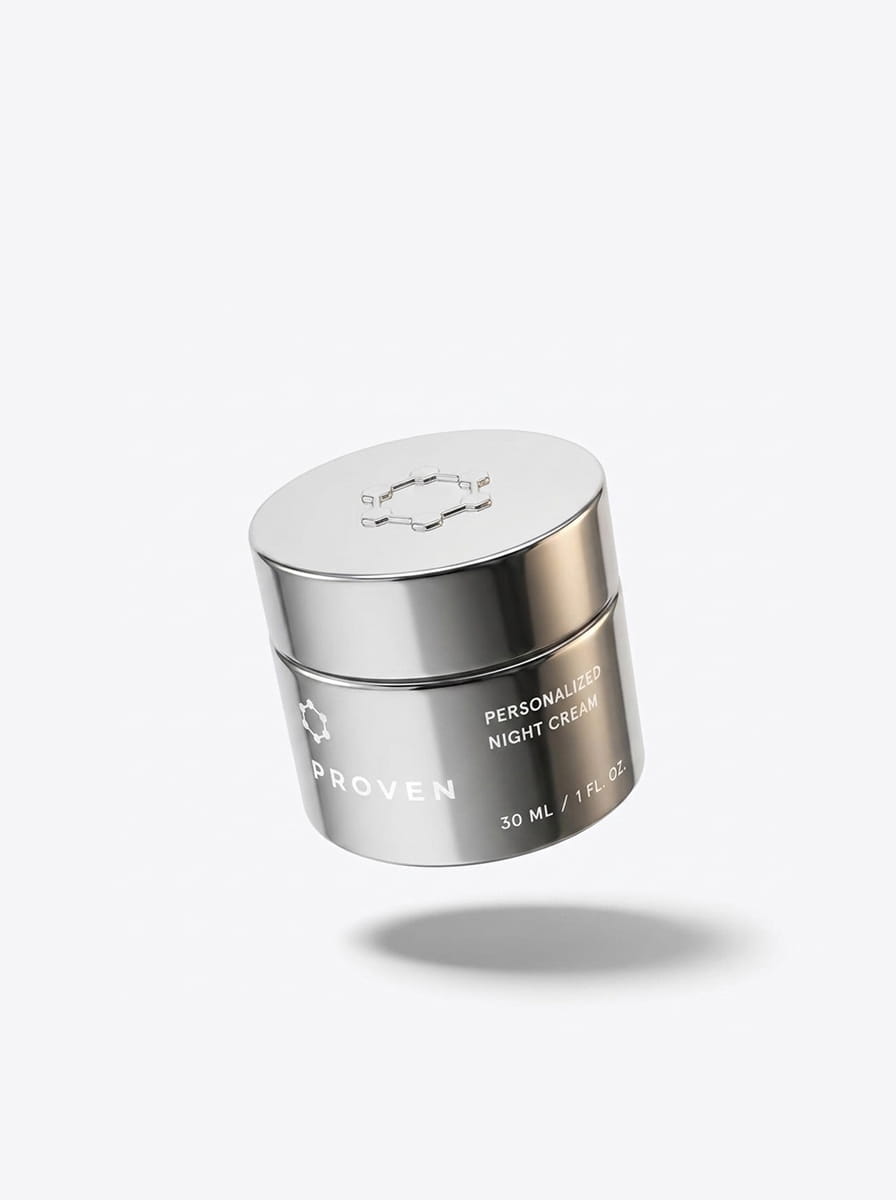
Overnight repair with the active ingredients your skin needs most.