

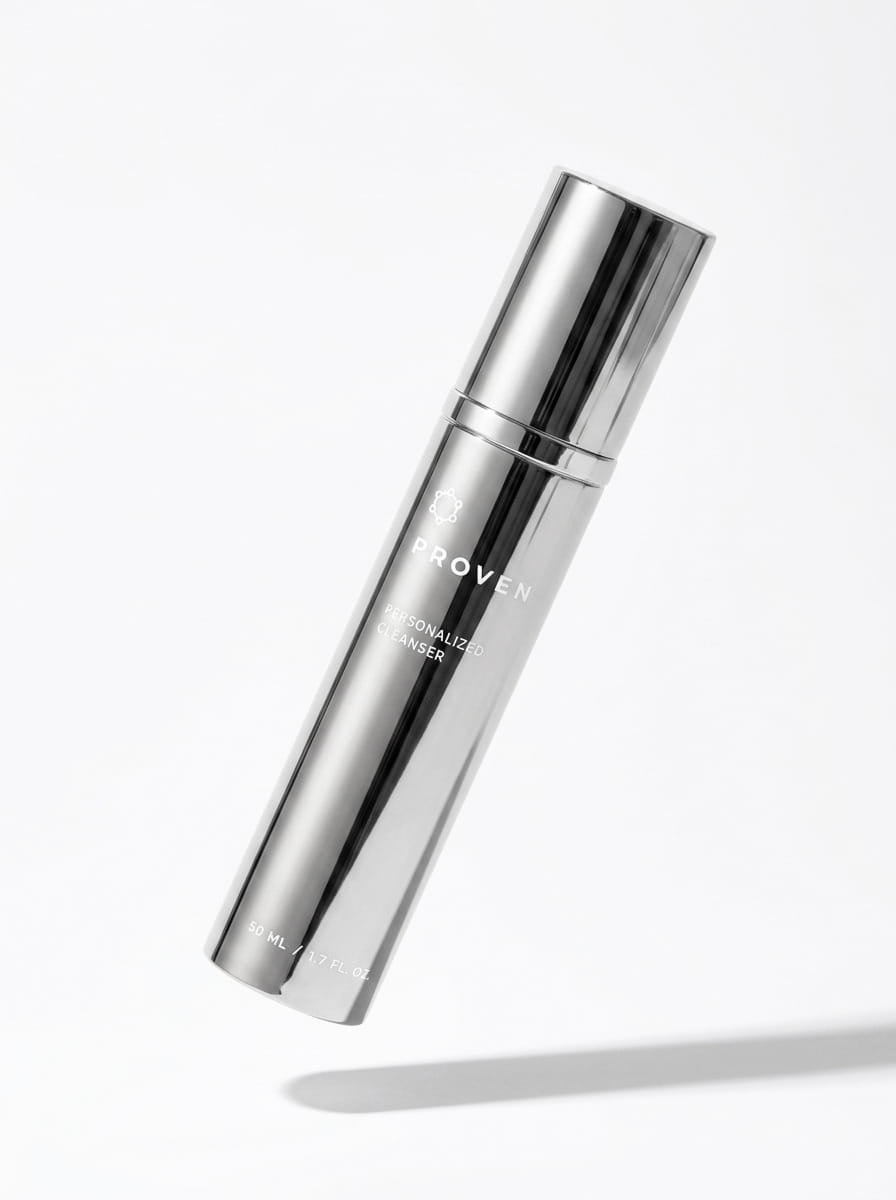
Personalized Cleanser
A gentle wash with exfoliating and toning properties — calibrated to your skin.
If you’ve walked down any skincare aisle over the last ten years, you’ve probably seen the famed “R” word—retinoids. These topical treatments are hailed as the creme de la creme of anti-aging skincare.
In this article, we’re breaking down two of the most popular retinoids—tretinoin vs. adapalene.
Both tretinoin and adapalene are retinoids that can turn back the clock on your skin, renewing its structure and vitality from the inside out. However, there are some key differences between these two topicals. So, let’s explore which of these retinoids may best fit your skin type and routine.
Before discussing differences, let’s talk about similarities. Tretinoin and adapalene are both retinoids—a class of skincare compounds derived from Retinyl Palmitate, a version of vitamin A. [1] Known for their anti-aging and rejuvenating powers, the retinoid family tree includes the following topical skincare products [2]:
Even though there’s a slight difference between retinol vs. retinoids as retinol is a type of retinoid, and essentially all retinoids are designed to target common skin conditions, such as acne, fine lines, and discoloration [3]. While some retinoids are milder (such as retinol), others take action right away—like tretinoin and adapalene. However, there are some key differences between the two powerful retinoids.
What is Tretinoin?
Consider tretinoin the established matriarch of the retinoid family—this prescription-only topical packs a powerful punch of skin benefits.
Also known as Retin-A, tretinoin was the first retinoid to receive approval from the FDA in 1971 [4]. Over the years, it’s earned a strong reputation for its anti-aging, acne-fighting, and skin-rejuvenating powers. While tretinoin is a powerful retinoid overall, there are different strengths to suit different skin types, including the following concentrations [5]:
Another important feature to note regarding tretinoin? It’s 100% pure retinoic acid, the active ingredient that gives all retinoids their skin-nourishing power [6]. This means, when you apply tretinoin, your skin can immediately absorb the retinoic acid, rather than convert it to an active form.
What is Adapalene?
If tretinoin is the matriarch of the retinoid family, adapalene is the up-and-coming daughter. This retinoid has gained immense popularity for its acne-busting powers, as well as its accessibility. But what exactly is adapalene?
A new-generation retinoid, adapalene was approved by the FDA in 1996 [7]. Compared to tretinoin and other retinoids, adapalene is available by prescription (in 0.3% concentrations) and over the counter (in 0.1% concentrations). You can also find over-the-counter adapalene in a number of solutions, including:
Tretinoin and adapalene are both known for their transformative effects. But do these two solutions work differently on your skin?
In short, the answer is no—but there is a slight difference in their magic.
As topical retinoids, both tretinoin and adapalene speed up skin cell turnover. This mechanism pushes dead skin cells out of the way so that healthy new skin cells can come to the surface. The result? Fresher, brighter, and more youthful-looking skin.
Overall, faster skin cell turnover creates similar benefits. You may notice any of these glowing benefits when using tretinoin or adapalene [8]:
While similar, adapalene and tretinoin work slightly differently on a microscopic level. Essentially, your skin has three retinoic acid receptors that welcome the work of retinoids. While tretinoin binds to all three receptors, adapalene only binds to two of them [10]. This mechanism may make adapalene a milder option when compared to tretinoin.
At what age do we start getting wrinkles? While there’s several factors that can make the signs of aging on our face more prominent, it can start around your mid-20s. That’s why we recommend incorporating a retinoid into your skincare routine.
Tretinoin and adapalene are more alike than different—but there are some key differences you should consider if you’re trying to decide which one is right for you.
Depending on your skin type, issues, sensitivity, and lifestyle, there’s likely a better choice between these two retinoids. To find your ideal match, get to know the primary differences between tretinoin and adapalene:
In the case of strong retinoids like tretinoin and adapalene, there’s a good chance you’ll go through retinization. Put simply, as your skin adjusts to the effects of retinoids, you may experience some less-than-desired side effects.
The good news? These retinization symptoms often fade with time and consistent use. During your first few weeks using tretinoin or adapalene, you may notice any of the following side effects:
If you’re particularly sensitive to active skincare products, you may want to side with adapalene over tretinoin. Adapalene is less irritating to the skin, producing fewer overall side effects in users [17].
So, you’ve taken the plunge into retinoid land—congratulations! Now, how do these solutions fit into your skincare routine?
Retinoids can be tricky to incorporate into a skincare regimen due to their powerful nature. Additionally, applying retinoids in the “wrong” way could lead to reduced benefits and more side effects.
To that end, use these tips to safely and effectively bring tretinoin or adapalene into your skincare routine [18]:
The answer to the tretinoin vs. adapalene debate is…no answer. At the end of the day, both of these retinoids are excellent options for your skin, so long as you use them with care and caution. To see the full benefits of either retinoid, you’ll need a nourishing skincare routine that supports your skin’s journey—and PROVEN is here to provide that support.
Our skincare philosophy is built on one simple notion: You deserve skincare that fits your skin, not just any skin. That’s why we offer personalized three-step skincare routines that address your specific skin concerns with natural, science-backed ingredients.
Discover which ingredients your skin will benefit from most by taking our skincare quiz today.
Built from 47 factors of your skin profile — a cleanser, day moisturizer, and night cream calibrated to you from the 3-step Skin Genome Quiz.
A gentle wash with exfoliating and toning properties — calibrated to your skin.
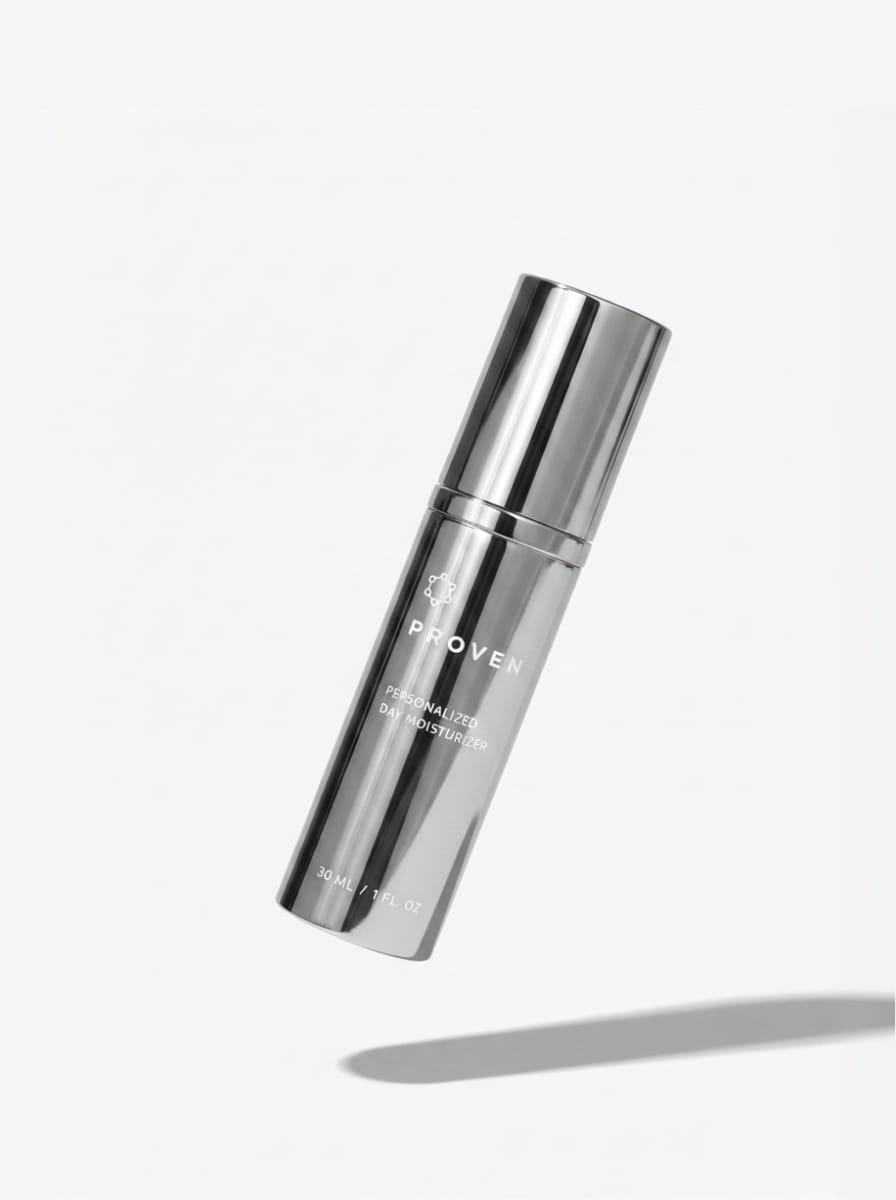
Lightweight daytime hydration — formulated for your skin.
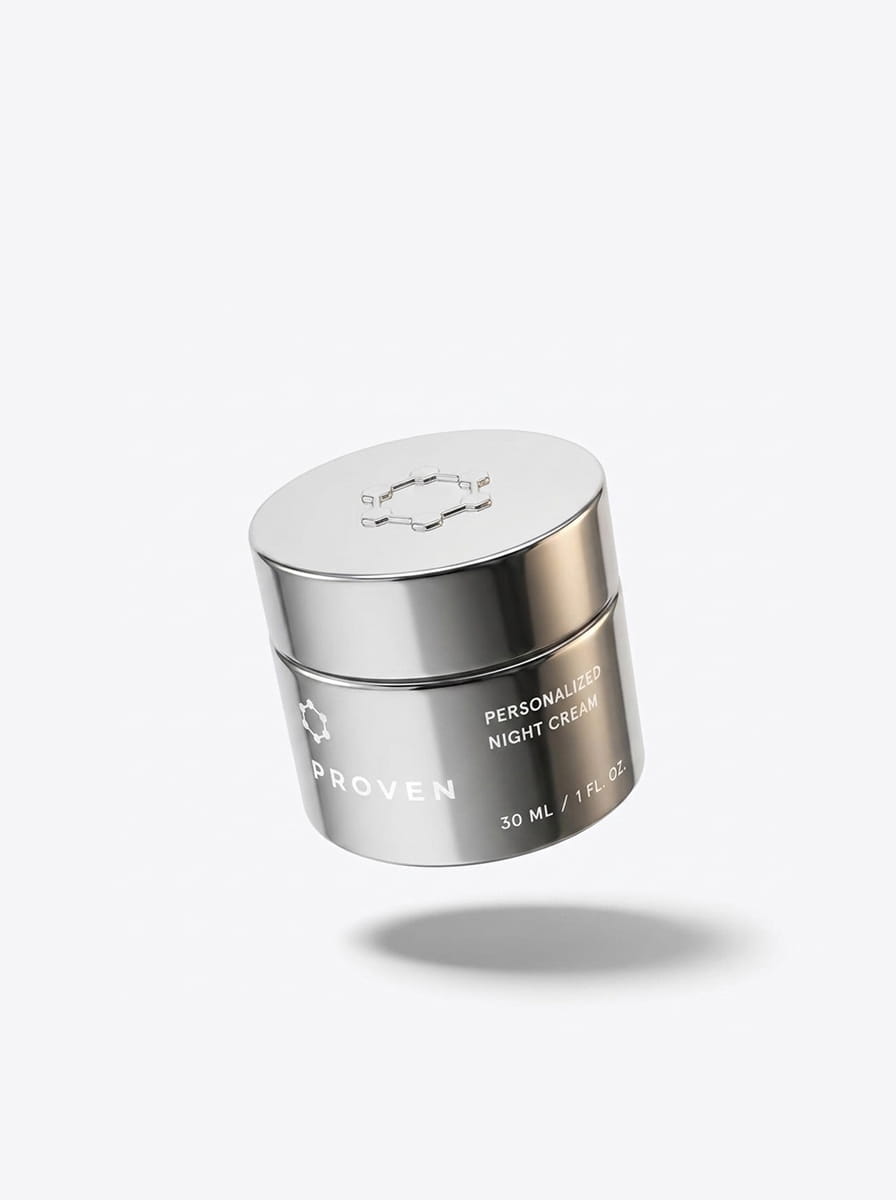
Overnight repair with the active ingredients your skin needs most.