

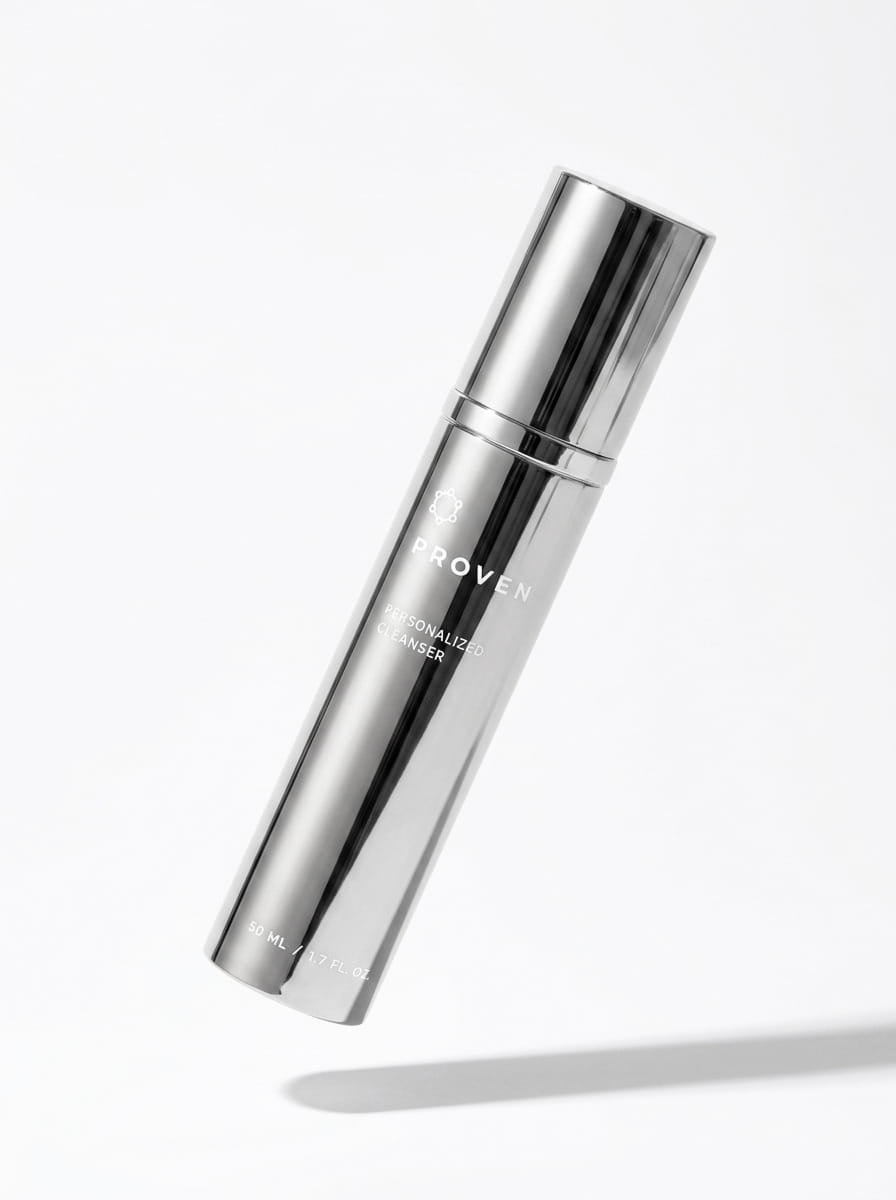
Personalized Cleanser
A gentle wash with exfoliating and toning properties — calibrated to your skin.
Even if you don’t know what sebum is, you’ve definitely seen and felt its impact on your face.
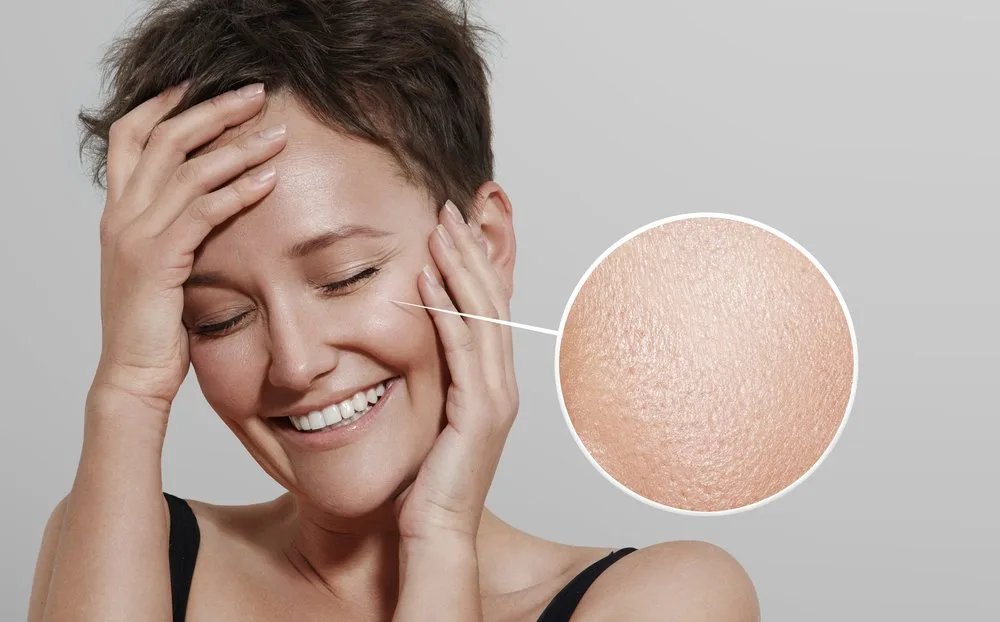
While sebum is a necessary part of healthy, happy skin, excess sebum can have some serious side effects. Here, we’re breaking down how to reduce sebum production and reveal a clear, balanced skin barrier.
To get to the bottom of sebum’s function and production, you have to understand the layers of your skin and their functions. Your skin is made up of three distinct layers [1]:
In addition to sweat glands, your dermis is also home to sebaceous glands, which are attached to either hair follicles or sweat glands at the surface of the skin [2]. These glands are where sebum is both produced and released.
Although they’re found all over the body, they’re most concentrated in the face and the scalp—that’s why your face might get oily and break out, or your scalp may get greasy, while breakouts on other parts of the body are less common.
The sebum produced by these glands is a fatty, oily substance, made up of [3]:
All of these molecules are lipids, or fat molecules. This fatty makeup is what gives sebum its oily, lubricating texture.
Sebum is vital to keeping your skin moisturized, lubricated, and protected. It also gives your skin a natural protective barrier against pathogens and dehydration. As frustrating as the overproduction of sebum can be, too little sebum means dry, flaky, and thirsty-looking skin.
If you’re dealing with frequent breakouts or oily skin, too much sebum is likely to blame. While sebum is necessary to keep our skin hydrated and healthy, too much sebum can make the skin appear shiny and greasy. It can also clog your pores, trapping it, along with dead skin cells and bacteria, under the skin. While there are some factors that can impact sebum production, excess sebum production can affect people of all ages and can be affected by skincare and lifestyle choices, so it is important to invest in quality skincare and healthy lifestyle choices.
Excess sebum can be caused by any number of factors, including [4]:
You’ll know you’re dealing with excessive sebum if your skin texture often goes from dry or normal to oily and greasy. You may also find that you’re dealing with more frequent, persistent breakouts. In fact, sebum overproduction is notorious for causing blemishes like [6]:
Sebum overproduction can be tricky to tackle. Your skin is always going to produce sebum to some degree, and if you have naturally oily skin, there’s not much you can do to change that.
However, there are plenty of steps you can incorporate into your skincare routine to combat excess sebum:
If you want to get a handle on sebum overproduction, trust PROVEN Skincare. At PROVEN, we tap into the skincare savvy of AI and our in-depth skincare quiz to create custom formulas designed to address your unique skincare needs and goals.
Sebum overproduction doesn’t have to mean a lifetime of breakouts. Face it head-on with the power of PROVEN Skincare.
Built from 47 factors of your skin profile — a cleanser, day moisturizer, and night cream calibrated to you from the 3-step Skin Genome Quiz.
A gentle wash with exfoliating and toning properties — calibrated to your skin.
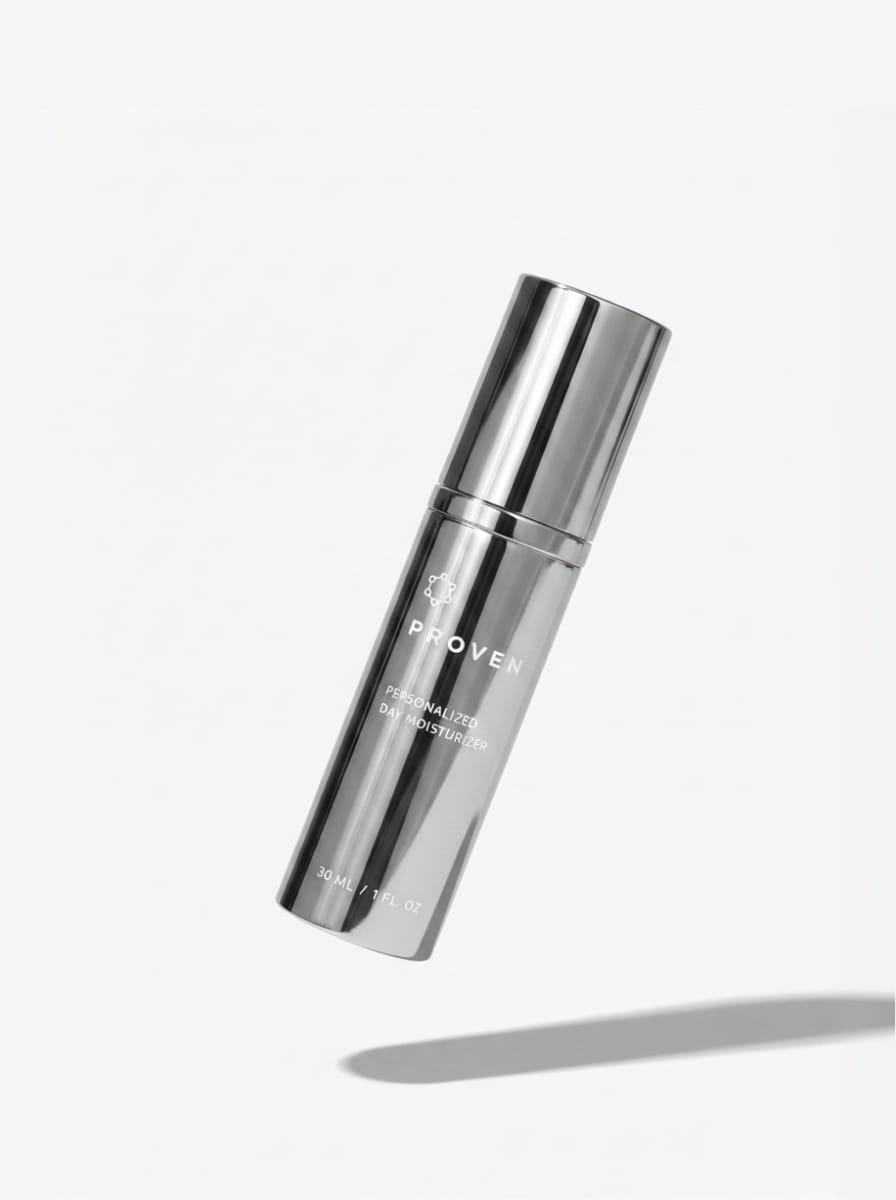
Lightweight daytime hydration — formulated for your skin.
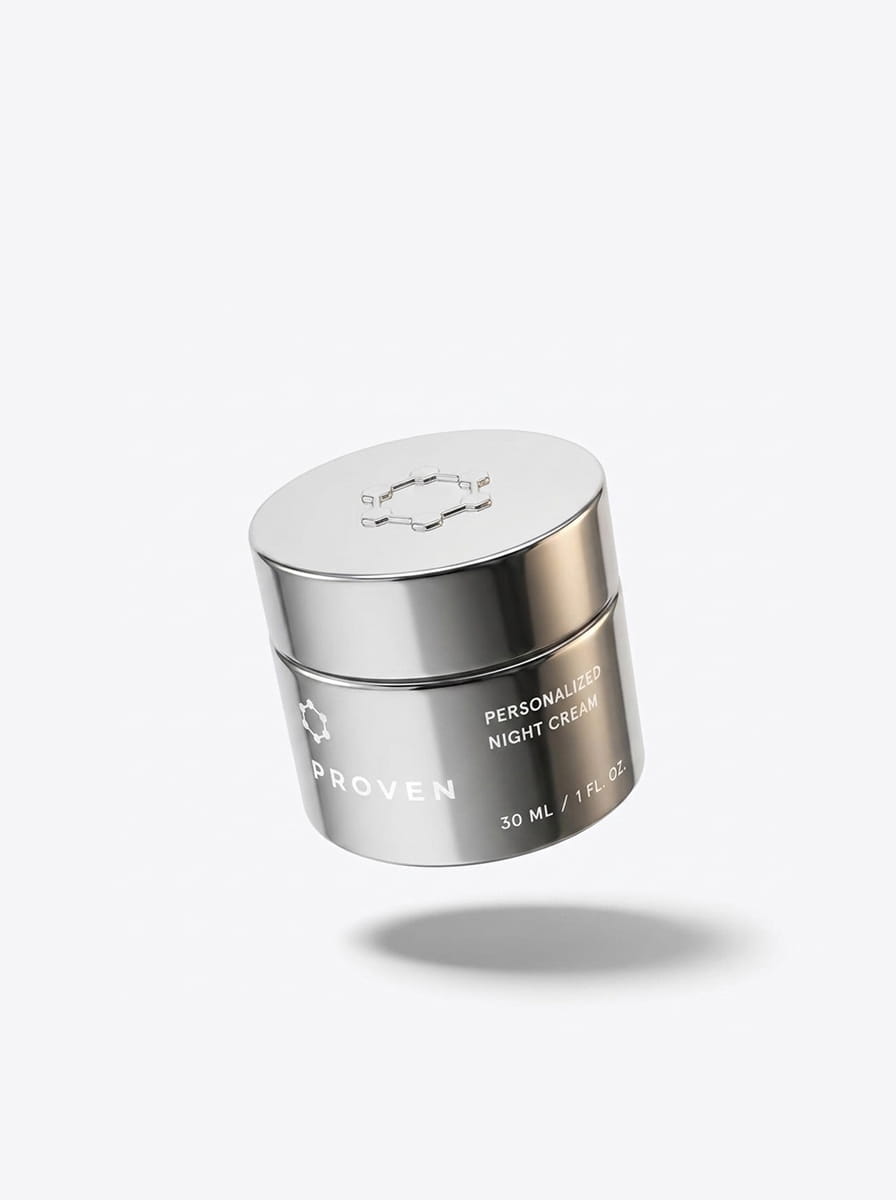
Overnight repair with the active ingredients your skin needs most.