

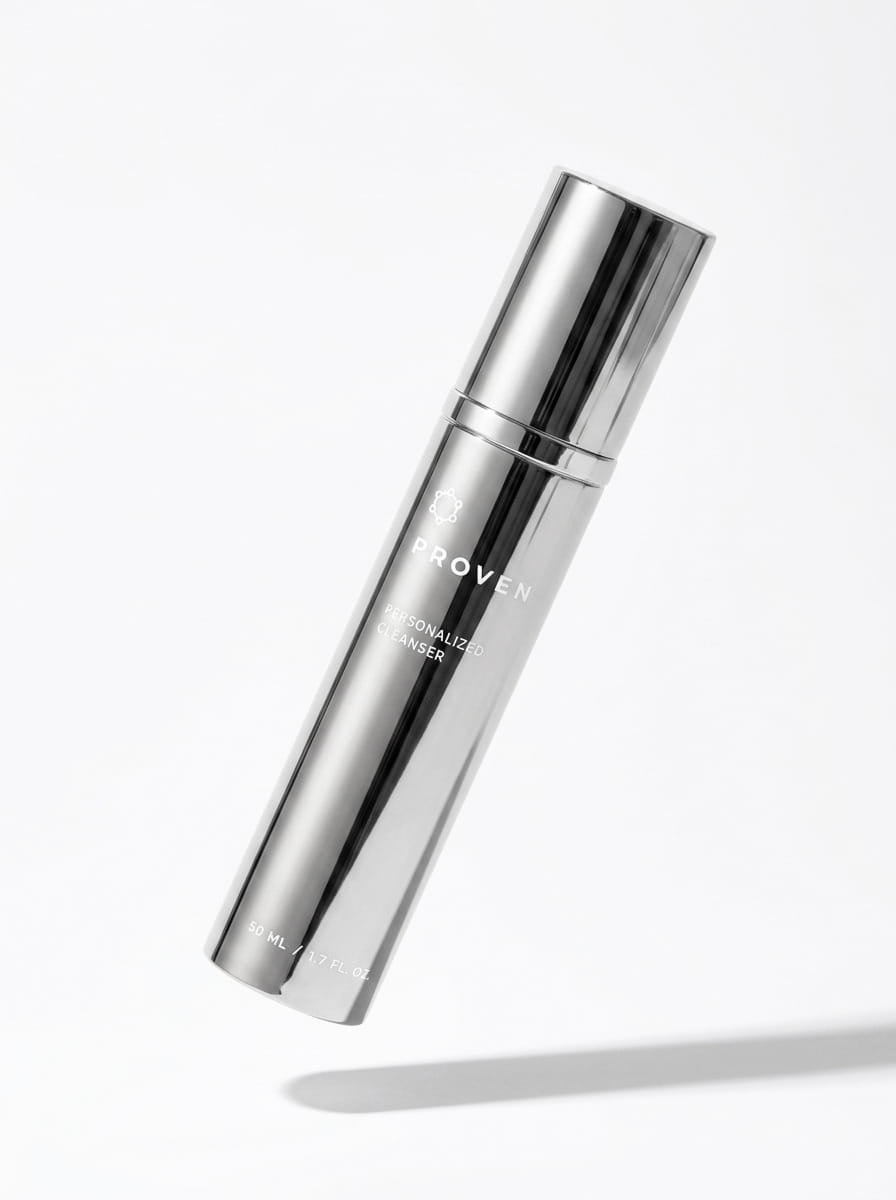
Personalized Cleanser
A gentle wash with exfoliating and toning properties — calibrated to your skin.
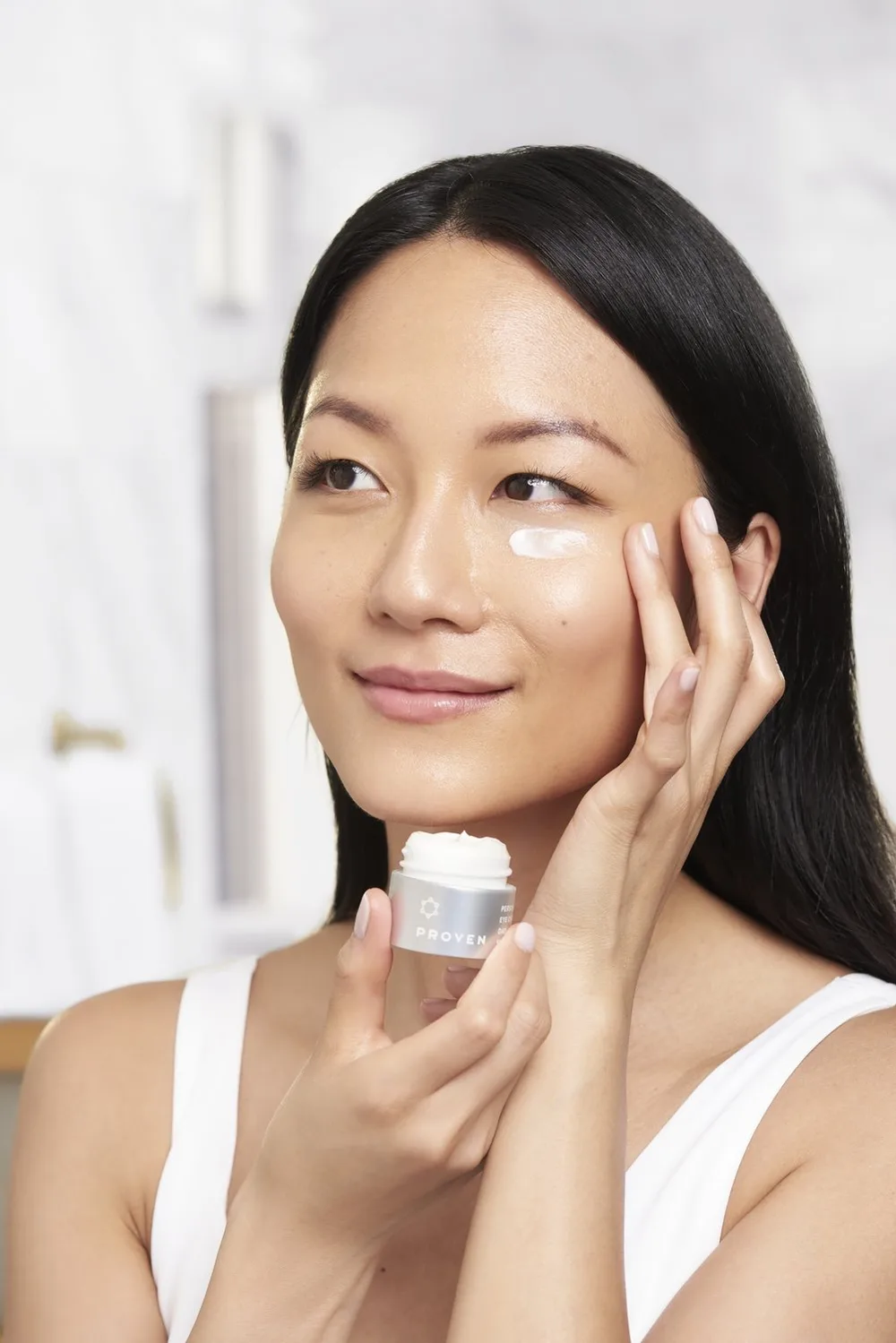
As you apply your eye cream, you notice a tiny pearl-like bump under your skin.
Not so fast.
What you’re looking at might be a milium (the singular form of milia), and they don’t respond to poking or prodding. While they’re harmless and often disappear naturally in a few weeks, you might not be willing to wait that long to part with them.
Thankfully, there are treatments you can incorporate into your at-home skincare routine that can help you treat milia faster. Below, we touch on how to get rid of milia under the eyes so that you can get that much closer to a pristine complexion.
Before you begin your treatment efforts, it’s important that you know what causes milia on face and that what you’re seeing are in fact milia. Milia are minute, benign cysts filled with keratin, a protein your body produces to help form your skin, nails, and hair [1].
Milia is often mistaken for whiteheads due to their appearance—they look like small white pustules. But they have one key difference: unlike whiteheads, milia are firm to the touch and won’t pop if you attempt to squeeze them. That’s because the inside of a milium is filled with hard, dead skin cells (keratin) and covered with a thin layer of skin.
Whether you think those tiny bumps are milia or whiteheads, popping them is not the answer. As tempting as it may be to squeeze blemishes, irritating them can cause a variety of skincare problems, including [2]:
Instead, aim to take milia to task by using some tried-and-true, at-home treatments. They may help speed up the process of diminishing your milia’s appearance and help prevent them from cropping back up later.
#1 Cleanse Your Face Daily
If you’re not already the proud owner of a daily skincare routine, it’s never too late to start. You can begin by washing your face with a gentle daily facial cleanser. Most cleansers contain surfactants, which are responsible for [3]:
Although washing your face may seem like a breeze (and it mostly is), there are a few extra steps you can take to ensure you’re treating your skin like prime real estate [4]:
Follow up your cleansing routine with a daily moisturizer with SPF to ensure your skin stays hydrated and protected from the sun’s damaging rays.
#2 Open Your Pores With Steam
Although using steam to open your pores won’t completely remove milia, it may help loosen up any remaining buildup on your skin. It also has the potential to soften the hard outer surface of milia so that they’re easier for a dermatologist to remove [5].
To create your own facial steam, follow this simple three-step method:
When you’re done, turn off the shower and gently pat your face dry with a towel.
#3 Use Products with Exfoliating Ingredients
There are many ingredients effective at exfoliating skin, and if you use them consistently, they can be potent allies in helping remove keratin trapped in between the skin’s layers [6]. The ultimate goal of doing so is to reduce your chances of developing new milia.
When searching for cleansers, toners, or creams, look for products that contain the following exfoliating ingredients:
#4 Apply Sunscreen Every Morning
There are two main types of milia: primary and secondary. While the cause of primary milia typically occurs because of clogged pores, secondary milia manifest for a variety of other reasons, most commonly [11]:
One way of avoiding secondary milia is by incorporating a daily application of sunscreen into your morning skincare routine. This works like a mirror, reflecting UV light off of your skin so that it doesn’t absorb the potentially harmful rays as quickly. With daily use, it can prevent sunburn or long-term sun damage [13].
We recommend choosing a sunscreen with a minimum of 30 SPF. In addition, the longer you’re outside, the more sunscreen you’ll need. If you plan on spending a day at the beach or going for a jog on a beautiful sunny day, be sure to reapply every two hours [14].
#5 Dermatological Treatments
Whether you have secondary milia (which sometimes require professional assistance for removal) or simply want to get rid of your primary milia once and for all, you can always seek professional treatment. Oftentimes, your derm can easily remove milia with a quick extraction. More challenging cases may require slightly more cajoling, and therefore different treatment options.
These are some of the common treatments dermatologists administer to remove milia:
It can be frustrating to wake up one morning and find that a few milia have seemingly taken over your complexion overnight. But with a targeted, personalized skincare routine in place, you can work proactively to keep them at bay in the future.
With a PROVEN personalized skincare set, you can find the perfect regimen tailored to all of your skin’s needs. Take our quiz to find your skin type and share your skincare goals, and we’ll curate a three-step skincare system with custom formulas full of clean, clinically effective ingredients.
Whether you’re prone to dry skin, are looking to diminish fine lines, or want a regimen that’ll help prevent milia, we’ve got you covered. Take the quiz and start your journey to clearer, brighter skin today.
Built from 47 factors of your skin profile — a cleanser, day moisturizer, and night cream calibrated to you from the 3-step Skin Genome Quiz.
A gentle wash with exfoliating and toning properties — calibrated to your skin.
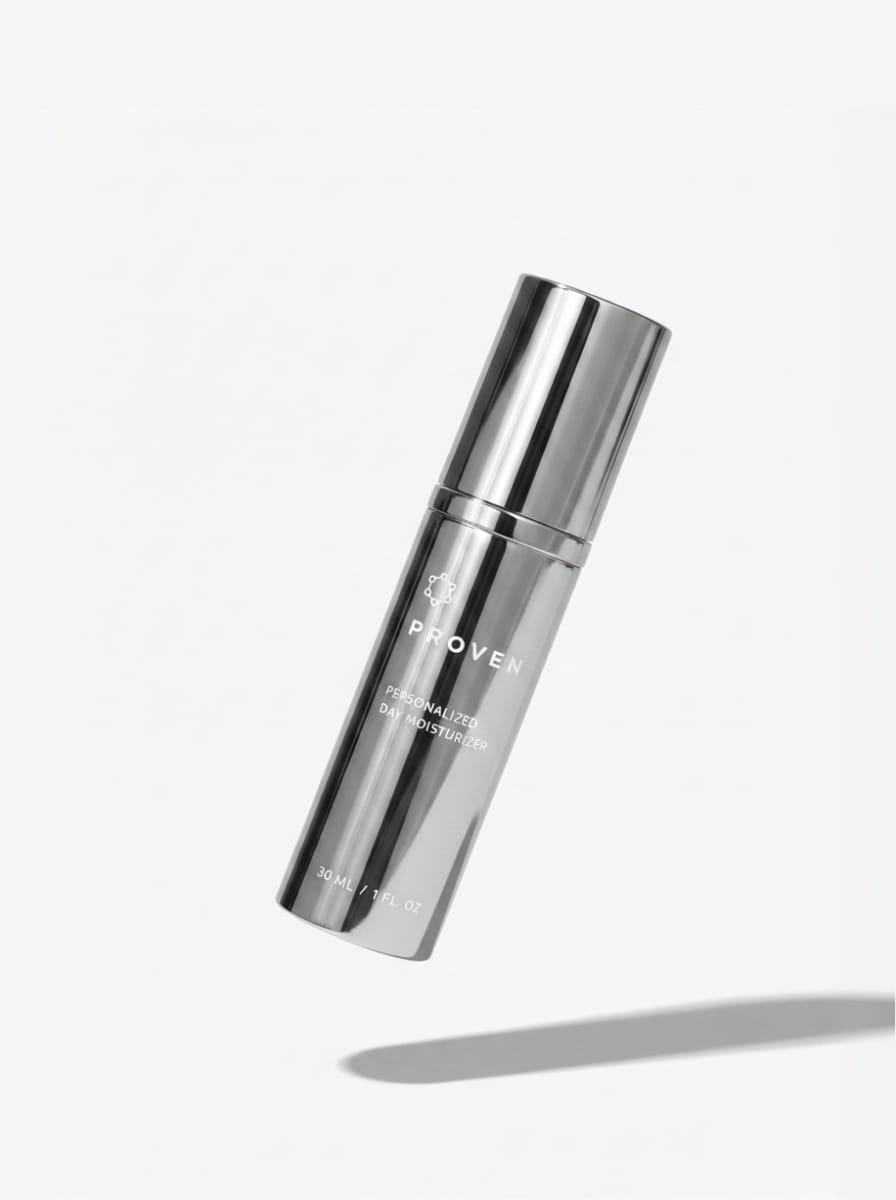
Lightweight daytime hydration — formulated for your skin.
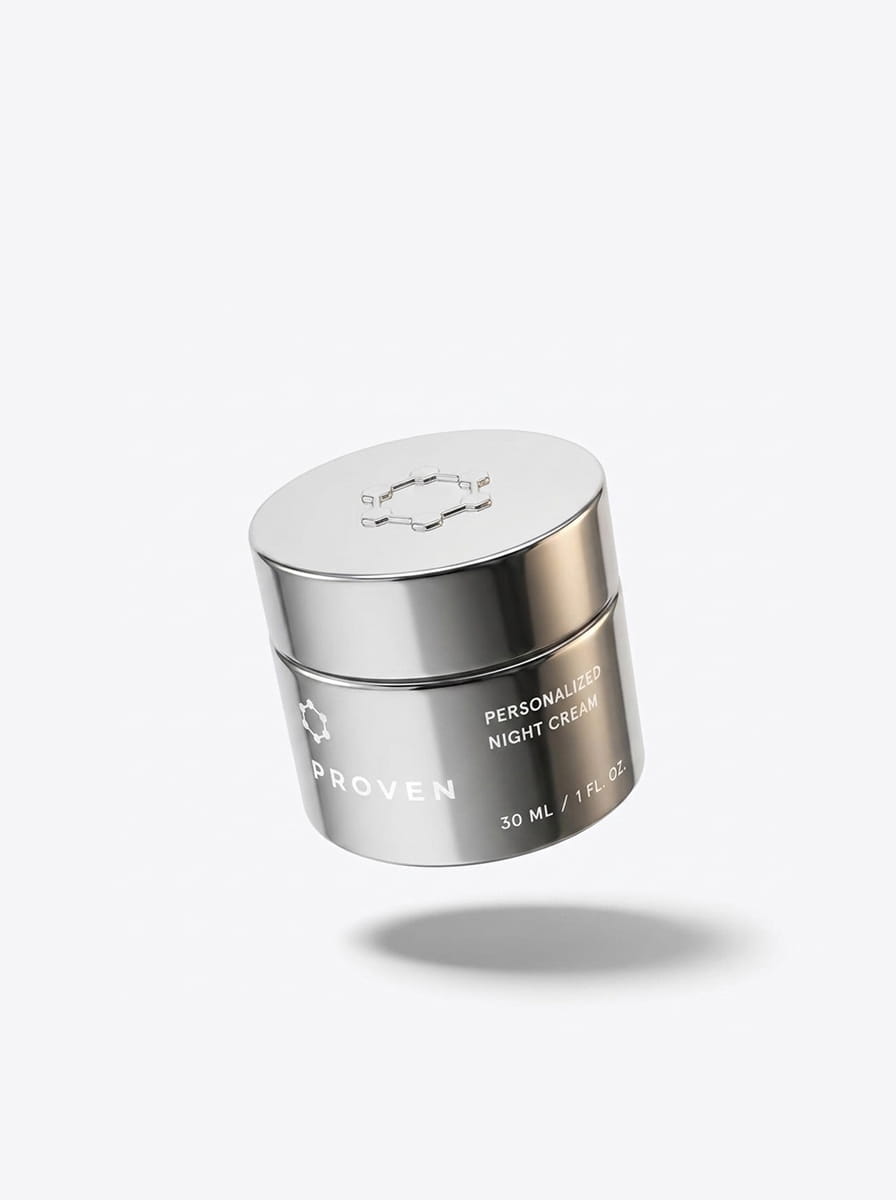
Overnight repair with the active ingredients your skin needs most.