

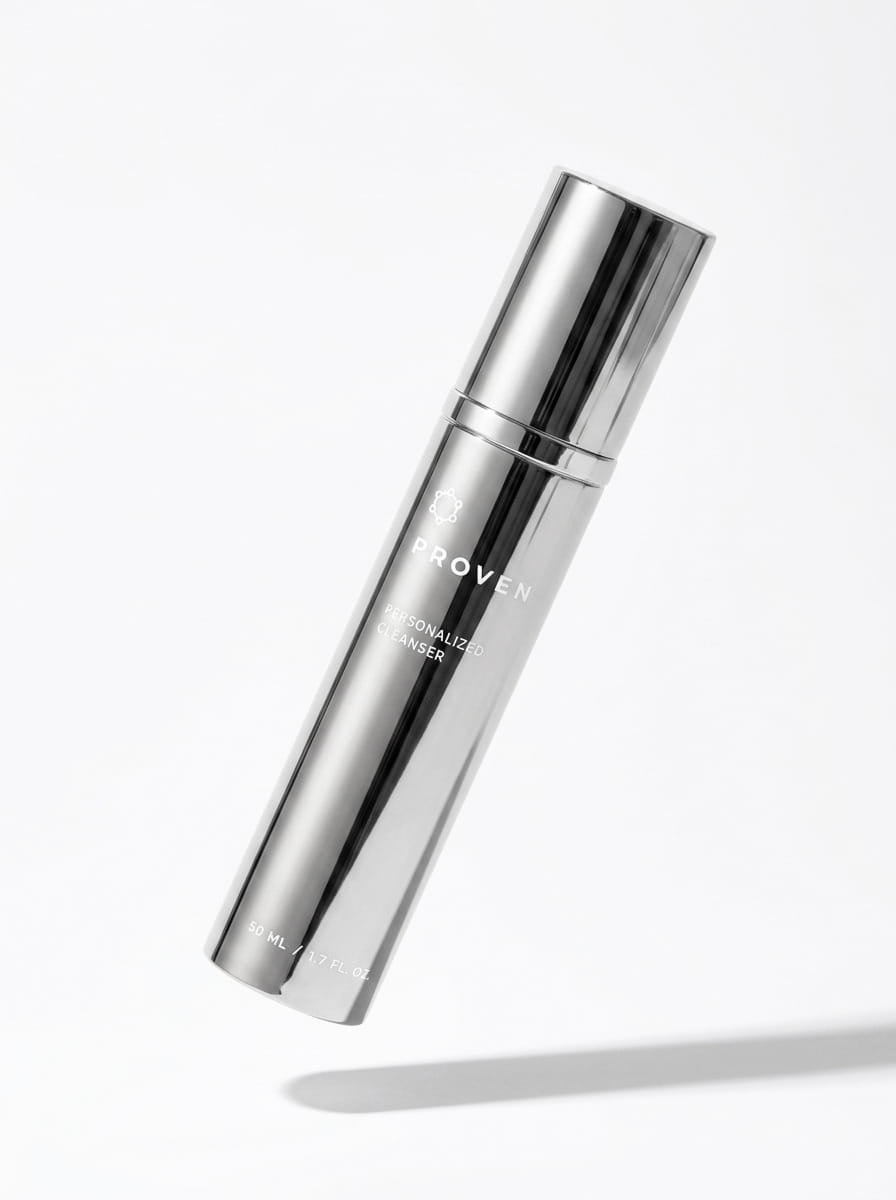
Personalized Cleanser
A gentle wash with exfoliating and toning properties — calibrated to your skin.
Thick skin is important. Not just in a let-that-shady-comment-roll-off-your-back way. But the actual, physical skin that covers your actual, physical body.
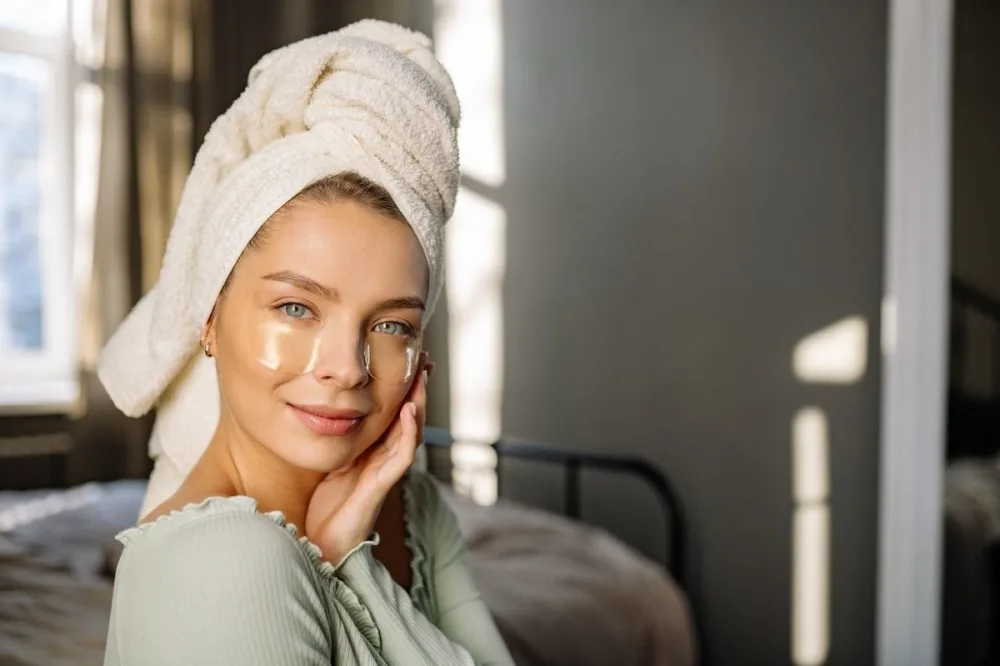
Healthy skin can thin out for various reasons, including lifestyle factors like smoking, or simply as a natural sign of aging. You may also notice that your skin is thinner in certain areas of your body compared to others.
Can thin skin be thickened? It’s a reasonable question, seeing as thick skin can help your body bounce back from bruises and even help fight infections. Here, we’re diving into all things “thin-skinned,” and what causes it. We’ll learn what “thin skin” actually means and how you can reverse or bolster it now and in the future.
In order to answer this question, first, we need to dive into the different layers of the skin and understand each of their functions. Simply speaking, your skin exists in three layers:
Before we learn how to deal with thinning skin, we first need to determine what causes it. There are several different factors that can cause thinning skin, some of which can be monitored or even controlled. Other factors are simply natural occurrences of life.
Lifestyle
Several aspects of your lifestyle may impact how quickly your skin ages and thins, including:
Location
Some places on your body simply have thinner skin than other parts. You’ll find that your skin is more fragile on parts of your body such as [10]:
To understand the parts of your body where the skin is naturally thinner, think about your body parts that are generally more sensitive to the touch (and have been since you can remember). In these cases, thin skin is actually by evolutionary design; The thinner skin allows the many nerve endings in these parts of your body to feel exactly what you’re touching.
Take your eyelids, for example. On average, the skin of your eyelid is only about 0.5 mm thick. The skin on your eyelids is naturally thinner and more sensitive to protect and flex appropriately. Compare it to the skin on the bottom of your heel, which is about 4 mm thick [11].
Genetics
Some people are simply more prone to thin skin than others. The thickness of the dermis layer of your skin, in particular, is determined mostly by your genetics. For example, if you looked at the back of your hand as a child and saw prominent blue veins, you may be genetically predisposed to thin skin [12].
Aging
Thinning skin can also be, simply, a natural part of the aging process. It’s natural for your skin to relinquish some of its thickness to each passing year. We tend to lose fat from the hypodermis layer as we age, which can impact the visible thickness of our skin.
There aren’t ways to reverse the natural effects of aging like this one. However, you can protect your skin to help slow down the aging process. Daily skincare maintenance can help your skin look more youthful for longer and fight against external skin-thinning factors like UV rays.
Thin skin is not only an issue of aesthetics. Skin is our body’s barrier against the outside world, so having thick skin can and does protect you against harmful elements.
As your skin thins, you may notice [13]:
The short answer is that there isn’t much you can do to plump up skin that has already thinned. However, you can take preventative measures to slow down the process.
Hyaluronic Acid
One ingredient that has been shown to help combat or reduce thinning skin is hyaluronic acid. And yes, your memory serves you correctly: this is one of the compounds found naturally in the middle, or dermis, layer of your skin.
Hyaluronic acid is a natural moisturizer. It works to pull moisture back into areas of the skin where hydration is lacking or lost. As we age, the extra boost of hydration helps bolster the look of sagging, wrinkling, or thinning skin [14].
Peptides
You can also look for skincare products that contain peptides. These fragmented bits of proteins can be used to stimulate collagen growth in your skin’s dermis level [15].
In addition, peptides may also help [16]:
Areas that are naturally thin-skinned, like around your eyes, can benefit from a night cream or daily moisturizer with SPF, hyaluronic acid or peptides.
Proactive Lifestyle Choices
Although you might not be able to naturally reverse your skin’s thinning, you can certainly take proactive steps to prevent future skin damage. Prevention is the best course of action to keep your skin looking and feeling its best well into the future.
In these areas of your life, choose healthy options to protect your skin from skin damage:
Although skin that has already lost its thickness cannot be thickened, the best form of action is proactive measures to keep your skin healthy, hydrated, and full of life.
Don’t worry—it’s easy to do with PROVEN personalized skincare. Our products are designed to target all kinds of skin concerns, from aging to revitalization. Our formulas use ingredients proven effective for your skin, like hyaluronic acid, peptides, squalane, vitamin C, and retinol.
With a quick personalization quiz, we customize a 3-step skincare set to put you into your favorite skin yet. Don’t wait another day to take proactive measures to protect your facial skin and enjoy thicker, fuller, more radiant skin for years to come. Take our personalized skin quiz today to get started.
Built from 47 factors of your skin profile — a cleanser, day moisturizer, and night cream calibrated to you from the 3-step Skin Genome Quiz.
A gentle wash with exfoliating and toning properties — calibrated to your skin.
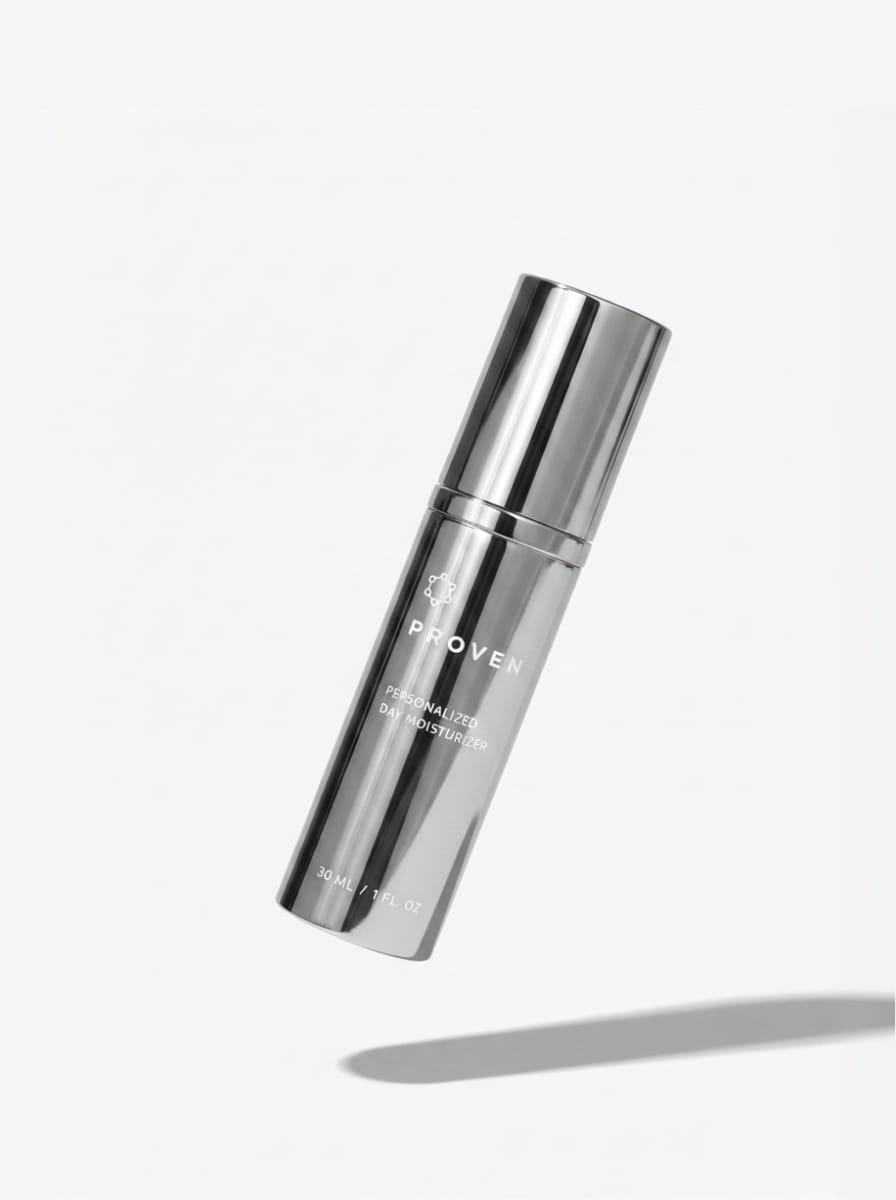
Lightweight daytime hydration — formulated for your skin.
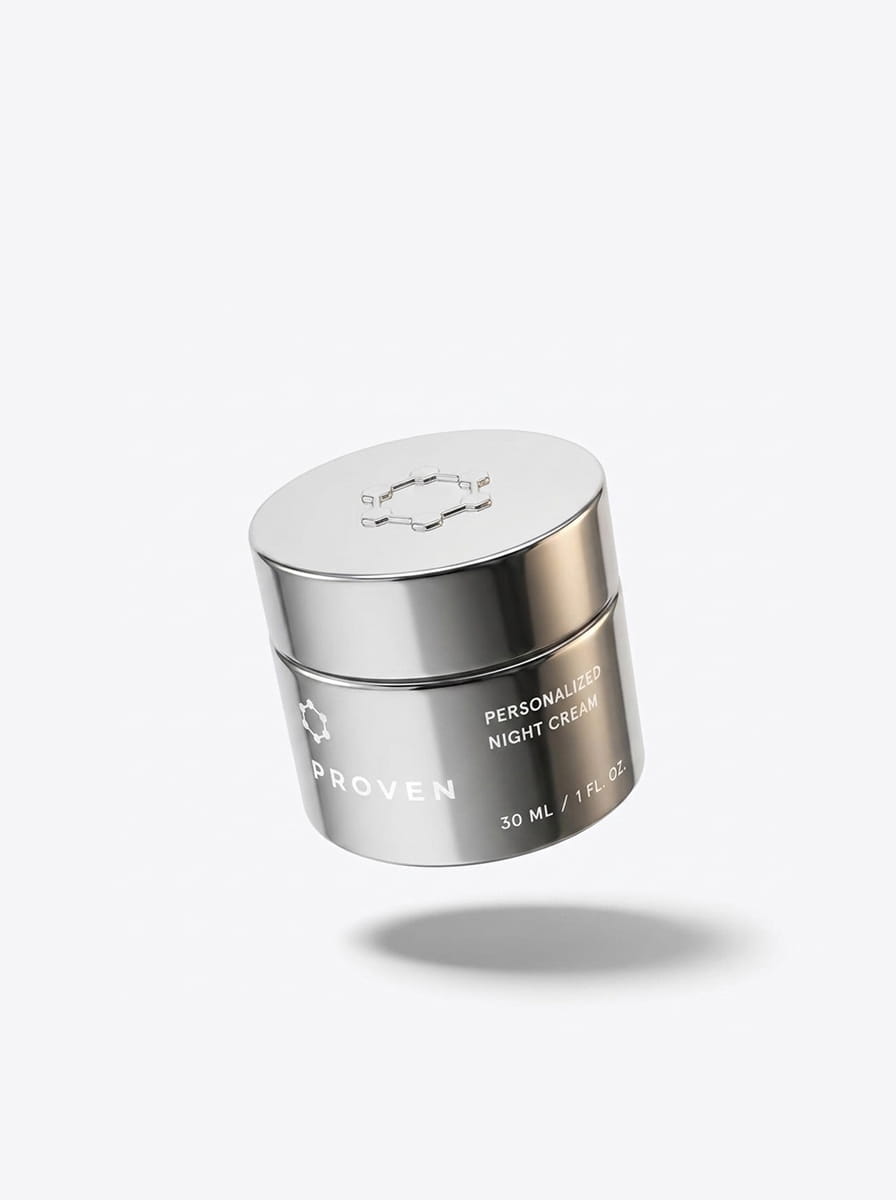
Overnight repair with the active ingredients your skin needs most.