

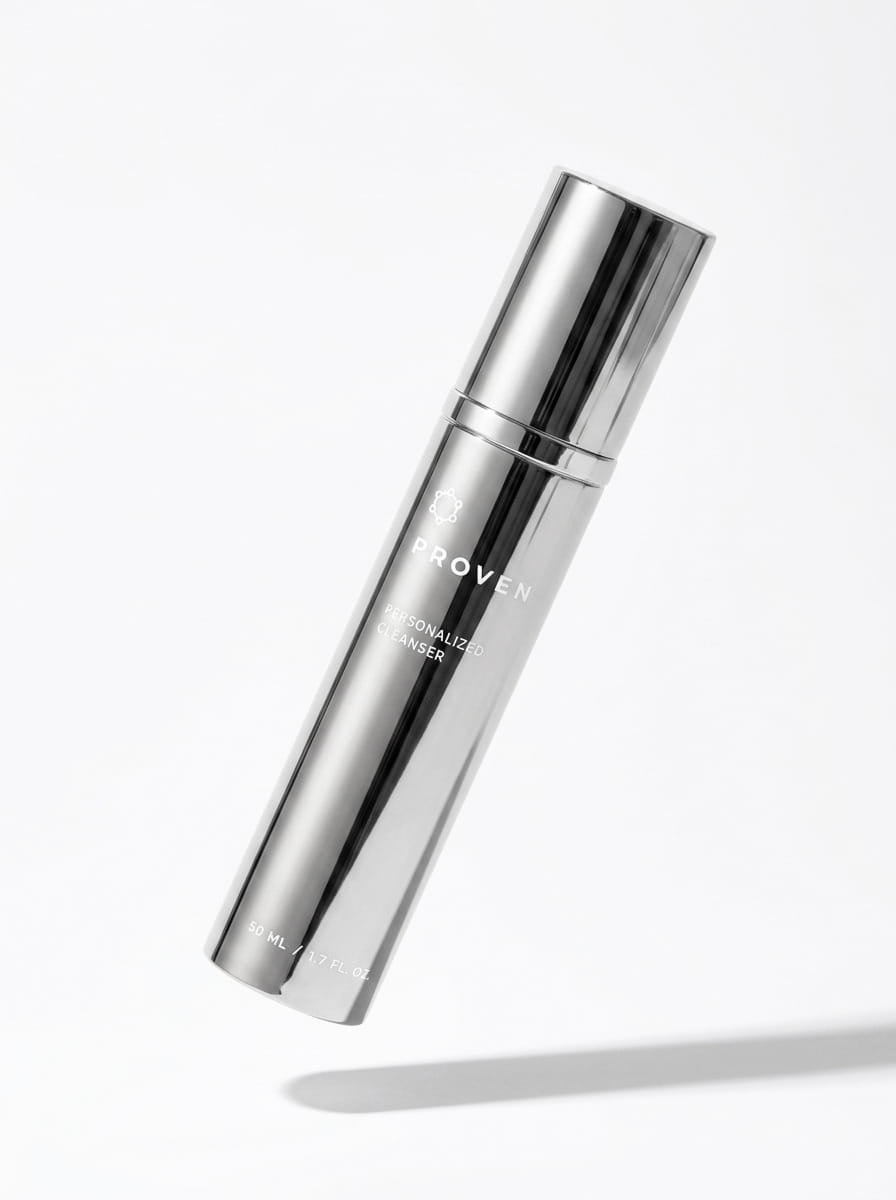
Personalized Cleanser
A gentle wash with exfoliating and toning properties — calibrated to your skin.
We’re fortunate to live in an era where skincare advancements are constantly made, causing new ingredients and products to rise to fame.

One example of this is alcohol—a once popular skincare ingredient that’s faced some backlash in the past few years. However, recent headlines have brought renewed attention to the use of alcohol in skincare products—specifically, alcohol denat [1]. This begs the question: Is alcohol good for your face? (Not to be confused with drinking alcohol that can cause acne).
Read on for the lowdown on alcohol denat in skincare so that you can make informed decisions that will keep your skin supple and luminous.
“Alcohol denat” is shorthand for denatured alcohol—common alcohol that has been combined with foul-smelling, stomach-turning additives that are toxic, such as [2]:
The process of denaturing alcohol accomplishes two aims: It allows manufacturers to use exceptionally high levels of pure alcohol in products while dissuading human consumption, which can have deadly consequences [3]. In addition to cosmetics, it’s also used in some hair styling products and skincare products.
While the info above may sound icky and terrifying (and evoke the thought, why would alcohol denat be used in the first place?), bear in mind that everything from your toothpaste to your shampoo needs a bit of chemical assistance to keep them functional, effective, and, above all, safe for use.
Simply put, alcohol denat is a cost-effective compound that [4][5]:,
That said, alcohol denat isn’t used solely for the purposes of protecting your product and shielding your skin. Alcohol, denatured or not, may deliver some other surprising benefits for your skin—a topic we’ll delve into shortly.
Beauty brands ranging from Loreal to La Mer use alcohol denat in their skincare products [6]. Indeed, alcohol denat is present in an abundance of the products many of us use daily, namely:
Anything with the term toxic associated with it might cause even the most laid back among us to drop a product like a hot potato, but, as with most things in life, alcohol denat has both advantages and drawbacks.
The Cons of Alcohol Denat in Skincare
The inclusion of alcohol denat in skincare is criticized for many of the reasons. Mainly, alcohol denat may cause:
The Pros of Alcohol Denat In Skincare
A common misconception is that all alcohol can wreak havoc on your complexion when in fact, certain alcohols, such as cetyl alcohol, have been shown to boost skin barrier function, among other benefits [11].
The same concept applies to alcohol denat. A few of its potential pros include:
In a word: Yes. According to the Cosmetic Ingredient Review Expert Panel, alcohol denat is deemed safe in its present use and concentrations.
Ultimately, only a negligible amount of alcohol denat is used in most skincare products—so minute of a level, in fact, that some may argue that you stand only a tiny chance of experiencing an adverse reaction.
But whether it’s fine to use products that include alcohol denat is, really, mixed: The pros over at The Derm Collective suggest that alcohol denat should be avoided, particularly for long-term use [13]. In fact, an older study on the effects of alcohol on skin demonstrates that it can provoke contact dermatitis and irritation [14].
However, the dermatologists behind The Derm Review assert that it all depends on your skin type. If you have any of the following, you might want to pause before using a product with alcohol denat as it may cause skin irritation [15]:
Alternatives to Alcohol Denat
If any of the above conditions apply to you, it might behoove you to check your skincare labels and ensure alcohol denat (or SD alcohol— “specially denatured alcohol”—as it’s frequently listed) is substituted for a different, organic alternative, such as [16]:
All of this said, what if you discover that your favorite product, which seems to be working magically, contains alcohol denat?
If this is the case, dermatologists recommend using the product cautiously and infrequently—as in once every two weeks. If you call upon it more regularly, you may experience negative side effects, like moisture loss and damage to your skin’s top layer [17].
As mentioned, not all alcohols are bad for your skin; in fact, some may encourage moisture retention and keep your skin free from debris that could clog your pores and result in acne. The most beneficial alcohols are known as “fatty alcohols.” These can include [18]:
Interested in staying away from alcohol in skincare completely?
A word of caution, then: Because of a loophole with the FDA, skincare brands can market their products as “alcohol-free” even when alcohol, like alcohol denat, is present [19]. So, even if you think you’re purchasing and using a product you believe to be devoid of alcohol, it’s always imperative to check ingredient labels carefully.
When it comes to alcohol in skincare, the real bottom line is this: Everyone is unique, and while skincare products containing alcohol denat might be just fine for someone else, they may ravage your complexion. All of this underscores the importance of finding a simplified and customized skincare regime that works beautifully and effectively with your unique skincare type, concerns, and goals.
Fortunately, PROVEN Skincare is more than happy to assist. Our quick but comprehensive skincare quiz enables us to pinpoint the precise ingredients that may help you address your skincare woes and elevate your confidence. From there, we can use these ingredients to develop personalized skincare products to help you maintain your skin’s health, integrity, and radiance.
Check us out today, and feel empowered knowing exactly what you’re putting on your skin.
Built from 47 factors of your skin profile — a cleanser, day moisturizer, and night cream calibrated to you from the 3-step Skin Genome Quiz.
A gentle wash with exfoliating and toning properties — calibrated to your skin.
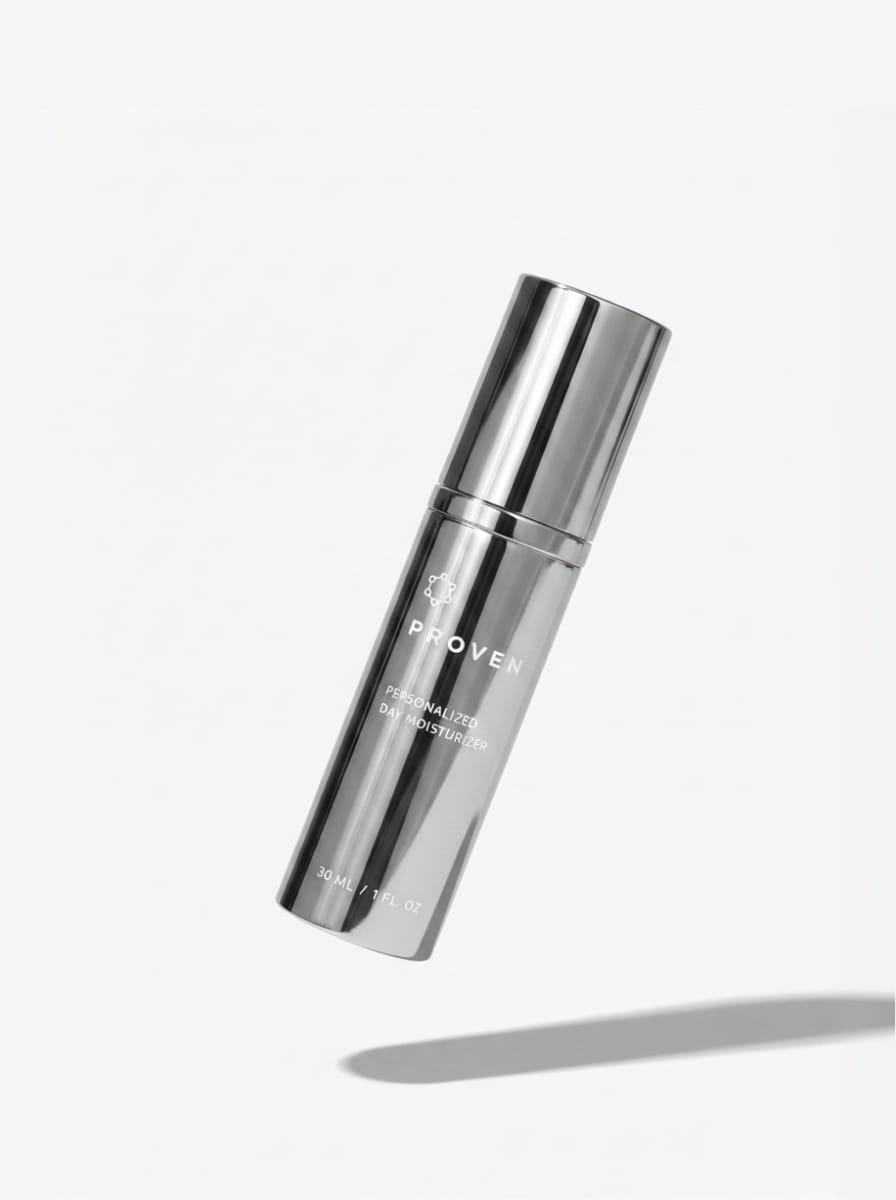
Lightweight daytime hydration — formulated for your skin.
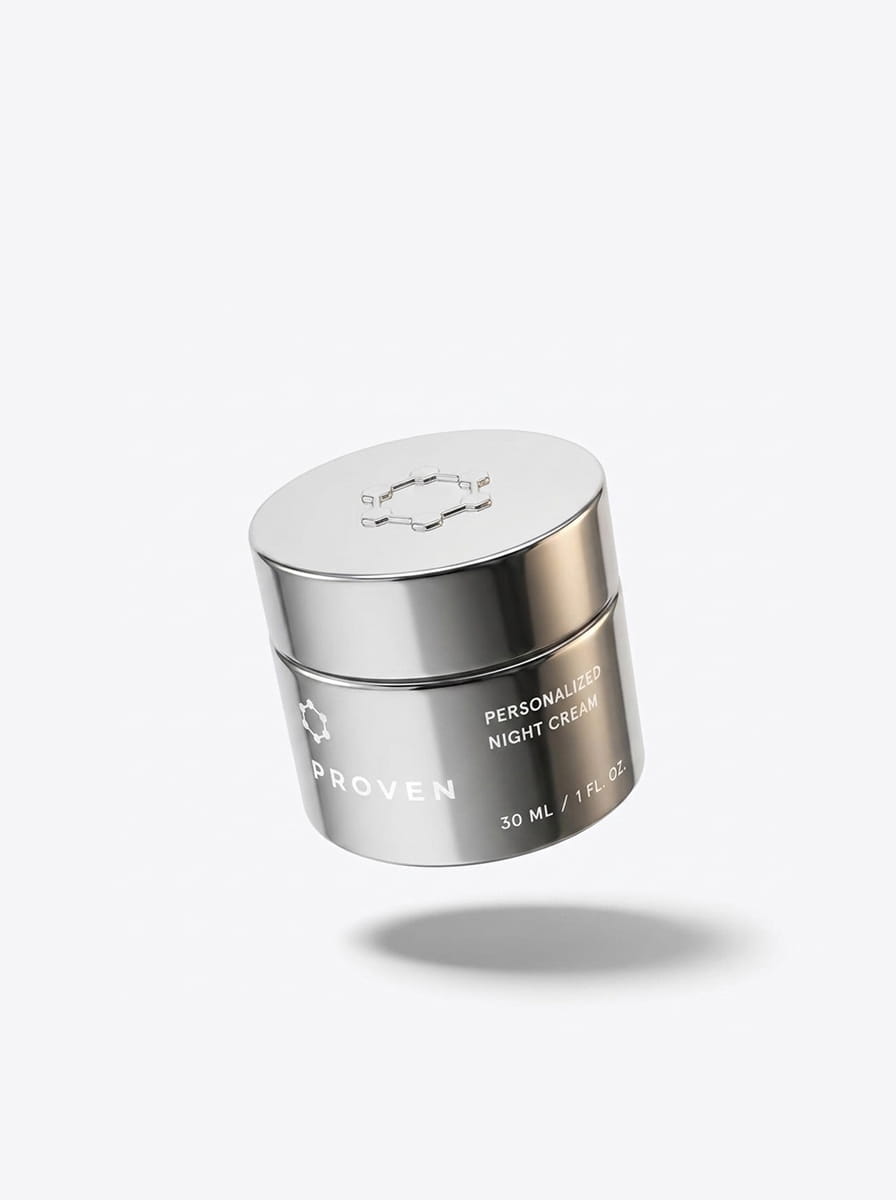
Overnight repair with the active ingredients your skin needs most.